You have just pulled core plugs from a lawn that was compacted enough to justify the work, and now the yard looks rough instead of improved. This is where many homeowners lose the benefit: they rake away plugs, mow too soon, or let the surface dry out before roots respond. Post-aeration care is simple, but the order matters. The article below shows what to do first, what to avoid, and when the lawn is ready for normal use again.

What Should You Do After Aerating?
The first steps after aeration affect how well the lawn recovers. Use the open soil channels wisely, avoid unnecessary disturbance, and adjust each treatment to the turf’s condition.
Leave the Soil Plugs in Place
Leave the soil plugs on the lawn unless they form thick piles over grass crowns or land on patios, sidewalks, and driveways. As the cores dry, rainfall, irrigation, and future mowing gradually break them apart, returning soil and organic material to the surface.
Raking away the plugs removes material the lawn can reuse and may disturb grass that is still recovering. If some cores remain intact after drying, break them apart gently with the back of a rake rather than repeatedly dragging equipment across the lawn.
Overseed Thin or Bare Areas
Overseeding after aeration works well because the open holes improve seed-to-soil contact. Focus on thin lanes, worn areas, pet-damaged turf, and bare patches where existing grass is unlikely to fill in naturally.
Choose seed that matches the current grass type, sunlight, climate, and irrigation conditions. Do not use a general repair mix without checking compatibility. Overseeding should also match the grass’s active planting season; good soil contact cannot compensate for excessive heat, approaching frost, or unsuitable growing conditions.
Add a Light Topdressing Only if Needed
A light topdressing after aeration can add organic matter, support overseeding, and smooth minor surface unevenness. Use screened compost or a fine soil blend that is compatible with the existing soil.
Spread only about 1/4-1/2 inch, keeping grass blades visible. Brush the material gently across the surface rather than packing every aeration hole. Avoid thick layers, heavy fill dirt, or mismatched sand, which can bury grass, create drainage layers, or leave uneven moisture pockets. Skip topdressing when the soil is already healthy and no clear surface problem needs correction.
Apply Fertilizer at the Right Time
Fertilize after aeration only when the grass is actively growing and the lawn needs additional nutrients. Avoid feeding drought-stressed, dormant, or heat-damaged turf simply because it has been aerated.
If you overseed, choose a fertilizer labeled for new grass and follow the application rate carefully. For established turf without new seed, base the product and amount on seasonal needs or soil-test results. Excess nitrogen may burn tender growth or push weak leaf growth before roots recover.
Water the Lawn Correctly
Water after aerating if the soil is dry, but avoid saturating the open holes. An established lawn without seed generally needs deep watering that reaches the root zone, followed by enough drying time to keep the soil aerated.
A newly overseeded lawn needs lighter, more frequent watering to keep the seedbed consistently moist during germination. Reduce watering gradually as seedlings establish. Shorten or pause irrigation if water runs off, puddles remain, the holes stay muddy, or footprints leave shiny depressions the next day.
Keep People, Pets & Equipment Off the Lawn
Limit traffic after lawn aeration until the soil surface feels firm. Walking, playing, or moving heavy equipment across damp turf can compress the loosened soil, close aeration holes, create ruts, and disturb newly applied seed.
Keep children and pets away from overseeded areas while seedlings germinate and begin rooting. Avoid wheelbarrows, riding mowers, and repeated footpaths during early recovery. Normal use can resume once footprints no longer sink into the soil and new grass resists a gentle tug without lifting.
What Should You Avoid After Lawn Aeration?
Most post-aeration damage comes from treating loosened turf like a normal lawn. The mistakes below are the ones that most often cancel out the benefit of the work.
Removing Soil Plugs Too Soon
Do not rake plugs off just because the surface looks messy. They are topsoil from your own yard, and once they break down, they act like a light dressing that helps level the surface. Removing them takes away that benefit and can expose hole edges to drying. If clumps are still intact after drying, tap them apart with the back of a rake instead of hauling them away.
Letting the Lawn Dry Out
Aeration improves air movement into the root zone, but roots and seed still need moisture to use those channels. Dry holes harden fast, seed loses contact, and roots stop moving into the openings you just made. Check the top inch each morning. If it feels dusty, water; if it feels slick or smells sour, wait and let oxygen return before irrigating later.
Mowing Too Early or Too Short
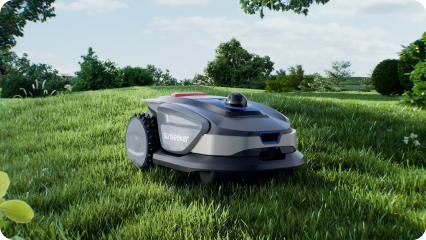
Mowing too soon can loosen grass crowns, smear damp plugs, and leave ruts across soft soil. Cutting too short also removes leaf area needed for recovery. Wait until the ground feels firm, then use a sharp blade and remove no more than one-third of the grass height. Keep your GPS robot mowers parked until seeded areas are upright, rooted, and ready for regular cutting.
Filling Aeration Holes Unnecessarily
Do not fill holes with sand, compost, or bagged soil unless you are correcting a diagnosed soil problem as part of a broader renovation. Part of learning how to aerate a lawn is knowing what to leave alone afterward: the holes should close naturally as roots expand and soil settles, while random filling can create layers, crusting, or uneven moisture. Topdress only if the material matches your soil and can be brushed in lightly without burying blades or crowns.
Applying Weed Control at the Wrong Time
Weed control is easy to mistime after aeration. Pre-emergent herbicides can stop grass seed from germinating, and some post-emergent products stress turf that is already recovering. If you overseeded, wait until the new grass has been mowed a few times and is clearly established. If weeds are severe, spot-treat later rather than coating open holes and young seedlings during recovery, when absorption can be uneven and harsh.
How Long Does a Lawn Take to Recover After Aeration?
Most lawns need about two to three weeks to recover after aeration and begin showing visible improvement. During this period, the soil plugs gradually dry and break apart, the aeration holes start closing, and grass roots gain better access to air, water, and nutrients.
The recovery speed depends on lawn condition, soil type, weather, and whether overseeding was added. Healthy turf in mild, moist growing weather may rebound sooner, while compacted clay, drought, deep shade, or waterlogged soil can slow the process. An overseeded lawn usually needs extra time because the new grass must germinate, establish roots, and reach a safe mowing height.
Judge recovery by the lawn’s condition rather than appearance alone. The surface should feel firm, footprints should spring back, and mower wheels should not leave ruts. If seedlings were added, wait until they resist a gentle pull before mowing or allowing regular traffic.
When Can You Mow After Aerating?
If you aerated the lawn without adding new seed, wait about a week before mowing. The exact timing depends on soil moisture and firmness, so delay the cut if the ground still feels soft, muddy, or likely to develop mower ruts.
To decide when to mow after aeration and seeding, wait until the new grass reaches about 3-4 inches and is firmly rooted. This usually takes two to three weeks, although cool weather, shade, or dry soil may extend the timeline. Test a few seedlings with a gentle pull; they should remain anchored in the soil.
For the first mow after aeration, use a sharp blade, keep the cutting height high, and remove no more than one-third of the grass blade. For automated mowing, park the Sunseeker S4 during the early recovery or reseeding window, then restart once the surface is firm and you can run a higher cut schedule. A sharp blade matters more than squeezing in an early mow, because ragged cuts dry faster and slow recovery.

Conclusion
What to do after aerating lawn? Good post-aeration care depends on timing, moisture, and patience. Leave the soil plugs, add seed or fertilizer only when the lawn needs them, and keep traffic off soft or newly seeded areas. Water enough to support recovery without creating muddy soil, then wait until the surface feels firm before mowing. Most lawns improve within two to three weeks, but soil condition, weather, and overseeding can extend the recovery period.
Frequently Asked Questions
When is it safe to apply weed control after aerating?
If you overseeded, wait until the new grass has been mowed a few times and is clearly established, typically several weeks. Pre-emergent herbicides can prevent new grass seed from germinating, while post-emergent products can stress recovering turf. For severe weed issues, spot-treat specific weeds later rather than broadcasting products over open holes and young seedlings.
What if aeration plugs don’t break down naturally?
Aeration plugs usually break down naturally from rain and mowing, returning soil and microbes to the root zone. If clumps remain intact after drying, gently tap them apart with the back of a rake. Avoid hauling them away, as this removes beneficial topsoil and can expose hole edges to drying. Only remove them if they are piled thickly over grass crowns or on hard surfaces.
How do I know if I’m overwatering after aeration?
Watch for signs like water running off the surface, holes remaining soupy, or footprints looking shiny and compressed the next morning. If the top inch of soil feels slick or smells sour, it indicates too much moisture and a lack of oxygen. In these cases, cut your watering cycle short and wait, allowing the soil to dry slightly before irrigating again.