Aeration and seeding are among the most effective ways to improve a thin, compacted, or patchy lawn. Aeration removes small plugs of soil, helping air, water, and nutrients reach the root zone more easily, while seeding introduces new grass to fill bare spots and create thicker, healthier turf. Together, these services provide the ideal conditions for stronger root growth and improved lawn density.
However, spreading the seed is only the beginning. Proper aftercare is essential to help new grass establish strong roots and achieve the best possible results. Among the most important steps is knowing when to mow after aeration and seeding. Mowing too soon can damage tender seedlings, while delaying it for too long may lead to uneven growth and other maintenance issues. Timing your first mow correctly helps protect new grass and supports a thicker, healthier lawn.
How Long Should You Wait to Mow After Aeration and Seeding?
A common question after lawn renovation is, how long after aeration can I mow? While aerated lawns without new seed may only need about a week before mowing, lawns that have been both aerated and seeded require more patience. In most cases, you should wait until the new grass reaches 3–4 inches tall, which typically takes 2–3 weeks. This gives seedlings enough time to establish and reduces the risk of damage from mower wheels and blades. When it's time to mow, set the deck high and avoid removing more than one-third of the grass height.
Why Timing Matters for New Seed and Existing Grass
Timing is important because both new seedlings and existing grass need the right conditions to recover and grow after aeration and seeding. While established turf can usually handle regular maintenance, newly germinated grass is much more delicate. That difference is central to deciding when to mow after overseeding: the established turf may be ready before the new seedlings can tolerate mower traffic. Mowing too soon can disrupt root development and reduce establishment success, while waiting until the lawn is ready helps protect new growth. Proper timing allows seedlings to mature, resulting in a thicker, healthier lawn over the long term.
How to Mow Safely the First Time
The first mow after aeration and seeding requires a little extra care. Even when the grass appears ready, young seedlings are still developing and can be damaged by improper mowing practices. Before you start the mower, follow these best practices to minimize stress on the grass and maximize the benefits of your aeration and seeding efforts.
1.Check grass height first.
Rather than relying on the calendar, wait until the grass reaches about 3–4 inches tall, indicating the seedlings are established enough to handle mowing.
2.Sharpen the mower blades.
Sharp blades create clean cuts, while dull blades can tear young grass and increase stress.
3.Mow in dry conditions.
Wait until the grass and soil are dry to reduce the risk of soil compaction, ruts, and clumping.
4.Use a high mowing setting.
Remove no more than one-third of the grass height to avoid stressing new growth.
5.Leave clippings and vary your pattern.
Short clippings can return nutrients to the soil, while changing mowing directions helps prevent compaction and promotes more even growth.

What Happens If You Mow Too Soon?
Mowing before new grass is fully established can interfere with lawn recovery and reduce the benefits of aeration and seeding. Potential problems include:
-
Damaged or uprooted seedlings
Mower wheels, blades, and vibration can disturb young grass before roots are firmly anchored.
-
Compacted soil
Heavy equipment can compress newly aerated soil, reducing airflow and water movement.
-
Stunted growth
Grass may divert energy from root development to recovering from mowing stress.
-
Thin, patchy areas
Damaged seedlings can leave bare spots that fill in slowly or require reseeding.
-
More weed pressure
Sparse turf creates opportunities for weeds to establish and spread.
Post-Aeration and Seeding Care Until the Lawn Fills In
While waiting for your lawn to fill in, proper care can significantly improve the success of aeration and seeding. Focus on these key practices:
-
Leave aeration cores in place.
Soil plugs will naturally break down over time, returning nutrients to the soil and improving its structure.
-
Water consistently.
Keep the soil surface moist during germination. Once new grass begins growing, transition to deeper, less frequent watering to encourage stronger roots.
-
Monitor lawn health.
Continue fertilization and weed management as needed, following recommendations appropriate for newly established grass.
-
Make aeration and overseeding part of your routine.
Annual treatments can help maintain a thicker, healthier lawn and reduce thinning over time.
-
Mow correctly.
Use sharp mower blades, maintain a higher cutting height, and avoid removing more than one-third of the grass blade at a time.
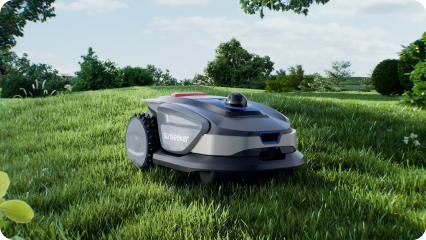
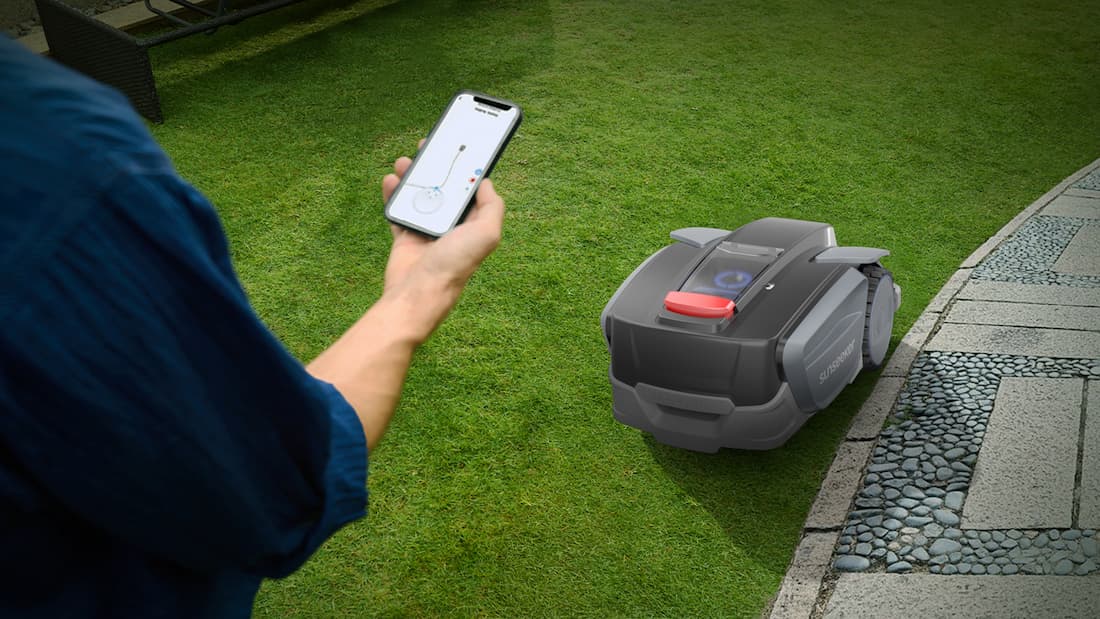
As your lawn transitions from recovery to regular maintenance, consistent mowing helps preserve the benefits of aeration and seeding. Homeowners who prefer a more automated approach may eventually consider a robotic mower such as the Sunseeker S4 to maintain a uniform grass height. To protect young turf, however, any robotic mower should only be introduced after the newly seeded grass is fully established.
Conclusion
Aeration and seeding can significantly improve lawn health, but proper follow-up care is essential for lasting results. Understanding when to mow after aeration and seeding helps protect young grass, support root development, and encourage thicker, more even growth. By waiting until the lawn is ready, mowing carefully, and maintaining consistent watering and lawn care practices, you can help new grass establish more successfully.
FAQs
What to do after a lawn is aerated and seeded?
Knowing what to do after aerating a lawn is especially important when seed was applied at the same time, because watering, foot traffic, and the first mow all affect establishment.
How long does it take for a lawn to recover after aeration?
Most lawns recover from aeration within 2 to 4 weeks, though the exact timing depends on factors such as soil conditions, grass type, and weather. During this period, the aeration holes gradually fill in, roots expand into the loosened soil, and overall turf health improves. Proper watering and routine lawn care can help speed up recovery.
Should you water your grass right after aeration?
Yes, you should water your lawn immediately after aeration and seeding. Keep the soil consistently moist, but not saturated, to support seed germination and root development. Light, frequent watering is usually needed for the first few weeks. Once the new grass is established, gradually switch to deeper, less frequent watering while avoiding overwatering.