






08/04/2026
Tips
How to Get Your Garden Ready for Spring
08/04/2026
Tips


5 Practical Tips for Lawns, Beds, and Plants – Including Smart Support for Lawn Care
Spring has arrived, and new life is emerging everywhere in the garden. Seedlings are sprouting from the soil and inviting the first insects to explore. The first buds — and in some cases already blossoms — can be seen on trees and shrubs, visited by early bumblebees and bees. To let the garden show its full beauty, it is time to get it ready for spring.
The first spring garden care begins with removing leaves, branches, and dead plant remains. Leaves in particular should not be left on the lawn, as they can create unsightly patches. These areas provide space for weeds, which are later difficult to remove from the grass.
Plant debris and especially leaves should also be removed from paths and patios. They not only look untidy, but can also become slippery when wet.
Beds should only be cleared when you actually plan to plant something. Until then, leaves and plant remains protect the soil from erosion. They also release nutrients into the soil, which will later benefit your plants.
After February, hedges and trees may only be lightly trimmed into shape so as not to disturb nesting birds. Smaller shrubs and perennials can still be cut back later. This not only removes dead plant material, but also encourages new growth.
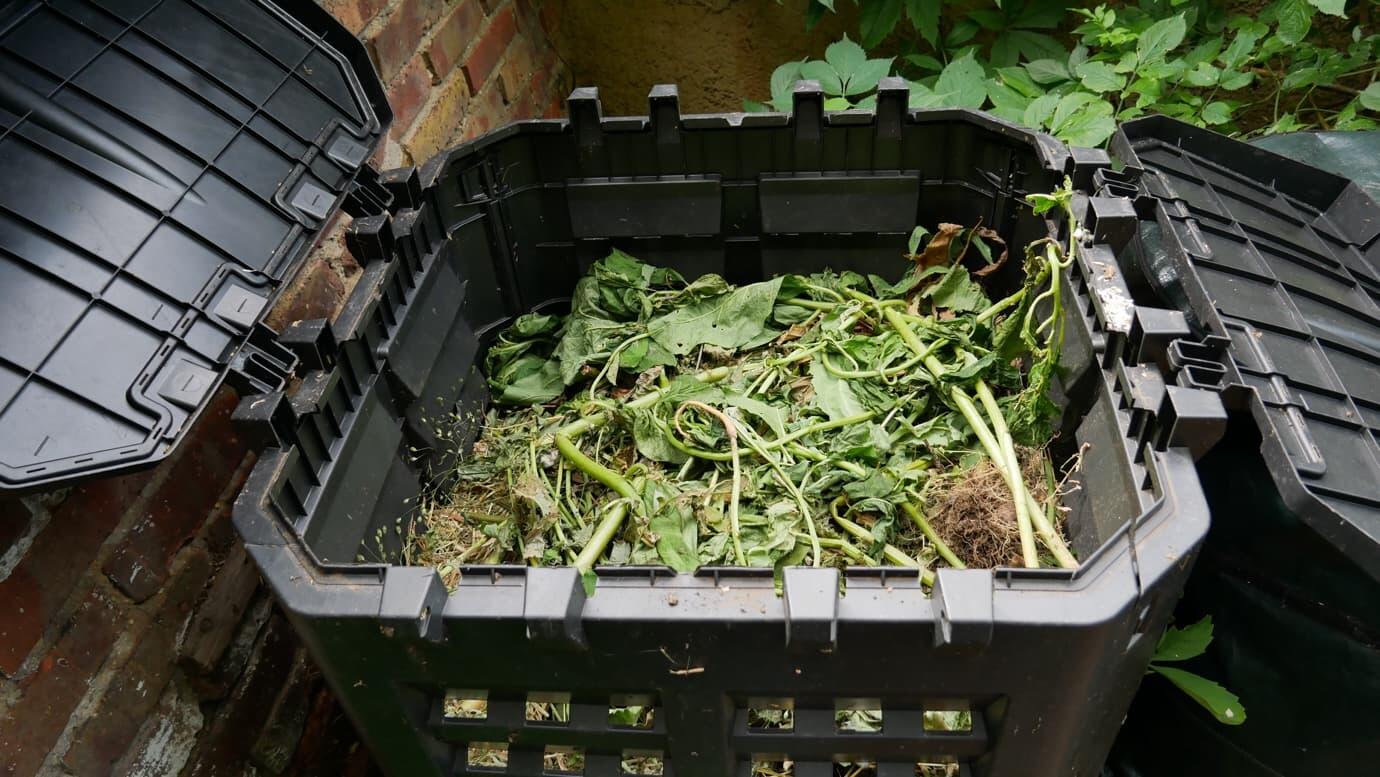
A compost bin is a good place for most garden waste. The resulting humus can later be used for fertilizing.© Gartenzeile
All plant waste is best placed in the compost, where it turns into nutrient-rich humus. If you have raised beds in the garden, you can also fill them with plant remains.
In both cases, it is important to alternate dry and moist materials so decomposition is encouraged. More tips on compost bins, raised beds, and other garden topics can also be found on our YouTube channel “Gartenzeile”.
In spring, the first bed care becomes necessary, and some plants can already be planted.
The soil should simply be loosened and cleared of weeds. Digging it over is not necessary and can even be harmful, because it mixes the different soil layers.
Flower bulbs that bloom in spring can already be planted. Many herbs, flowers, and shrubs can also be planted now. If you add compost to the planting hole, the plants receive a natural starter fertilizer that helps strengthen their roots. In spring, it is also helpful to cover the soil with branches to protect the roots from the cold.
Vegetable beds can also already be prepared. In raised beds, some vegetables such as spinach, carrots, and radishes can already be sown in March. A cold frame offers additional protection against frost.
From April onward, sowing can also begin in other outdoor beds. A fleece cover helps protect plants from late frosts.
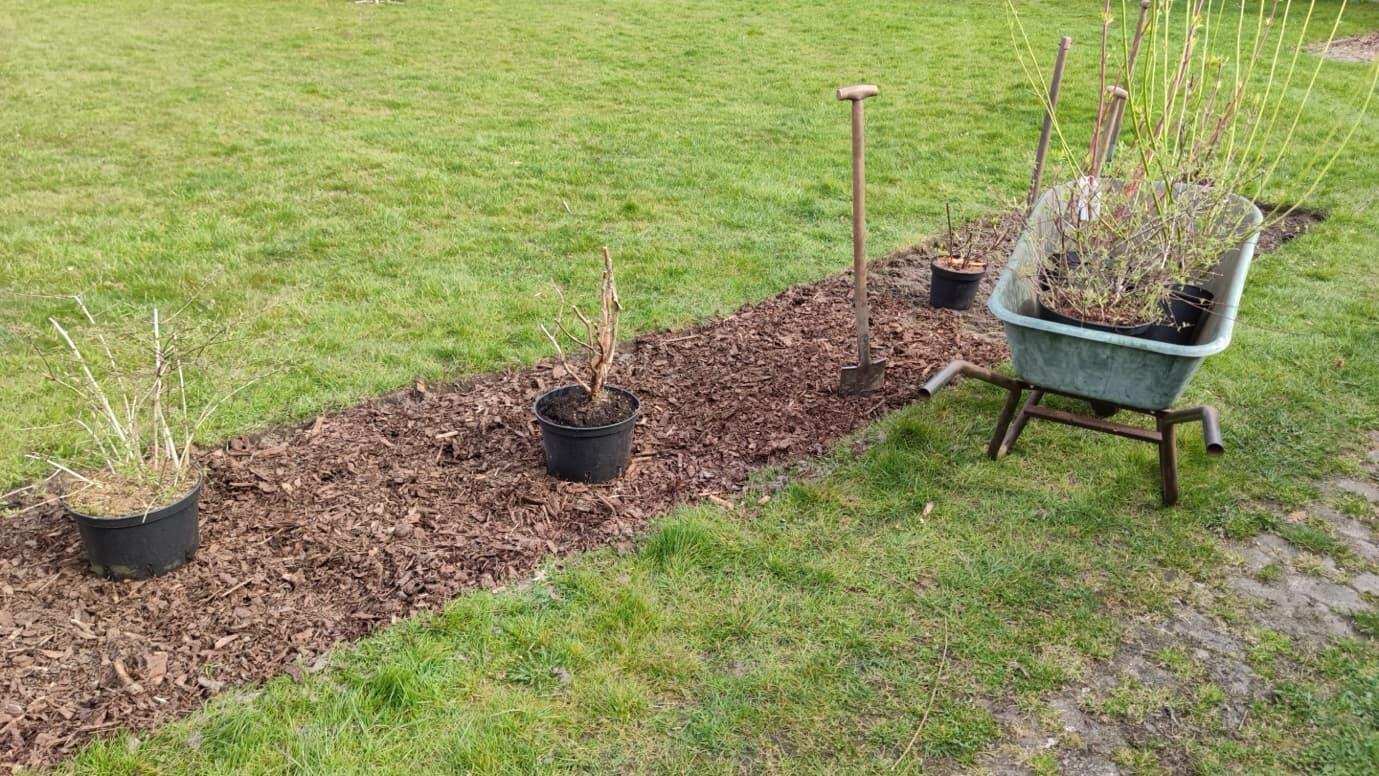
Spring is a good time to create new beds and plant new greenery. Good planning is important.© Gartenzeile
Once the plants have grown a little, the soil can be covered with a mulch layer. This provides additional warmth and supplies plants with valuable nutrients. It also helps protect the soil from drying out, meaning less water is needed.
A mulch layer can easily be built up using seed-free plant remains and kitchen waste. Similar to composting, this layer is gradually filled until it reaches a thickness of about five to ten centimeters. Bark mulch or wood chips can also be used.
Spring weather, especially in April, is often unpredictable. Watering should therefore be adapted to the weather conditions. If there are many dry days, newly planted greenery in particular should be watered regularly so it does not dry out.
Daily watering is generally not necessary, because this restricts root growth. Roots spread further in search of water, which increases plant stability.
We have had good experiences with ollas and clay watering spikes. These are buried in the ground. Through the terracotta, the water enters the soil only very slowly. The plants then take what they need. This type of watering also saves a lot of water because it does not evaporate from the surface.
If the weather is very rainy, there is not only the risk of waterlogging but also of hungry slugs. They can move particularly well over wet soil. Young plants and lettuce in particular are sometimes eaten completely by slugs. The best protection is a slug collar or slug fence. We generally advise against slug pellets, as they also harm other animals.
In spring, the first intensive lawn care of the year is due. How intensive this should be depends on various factors:
If the lawn was only sown the previous year, it is enough simply to mow it. If there are gaps in the lawn, these should be filled with overseeding. This prevents weeds from settling there. Fertilizing afterward gives the grasses new strength to grow and helps stabilize the turf.
If the lawn is older and heavily used, it gradually becomes compacted. This compaction causes water to drain less effectively. In the worst case, puddles form on the lawn and damage the plants over time. In that case, aerating can help. This involves making holes in the soil so water can once again reach the roots.
However, aerating is no longer enough if the ground is full of moss and weeds. In that case, it is better to scarify the lawn and remove the thatch. Scarifying is very stressful for the lawn and should therefore only be done at most once a year, ideally in spring.
Afterward, overseeding and fertilizing help close the gaps and create dense turf. Sowing is best done when rain is expected and the days are fairly mild. Otherwise, regular watering with a lawn sprinkler is necessary.
It is important to give the lawn time to grow and not mow it right away. Only when the grass is eight to ten centimeters long can the lawnmower get the go-ahead.
Throughout the year, the garden should now be cared for regularly. Weeds should be removed where they are unwanted, and the soil should be loosened. This prevents water from sitting on the surface and allows it to reach the roots.
During longer dry periods, regular watering is important so the plants do not die. Watering is best done in the morning. In the midday heat, much of the water evaporates, so less reaches the roots. Watering in the evening, on the other hand, makes it easier for slugs, which become active then.
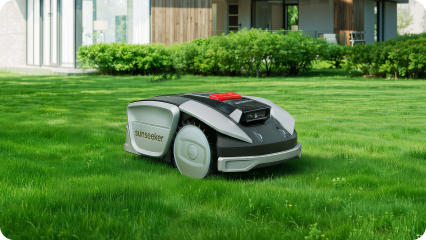
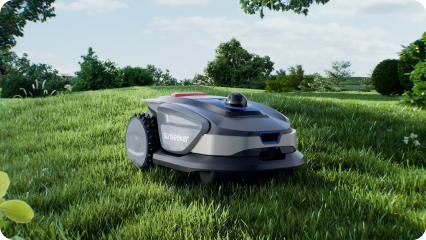
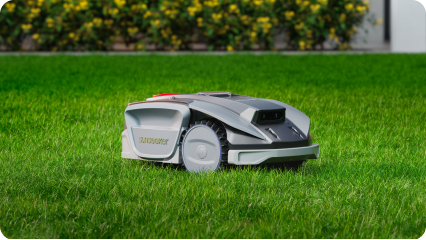
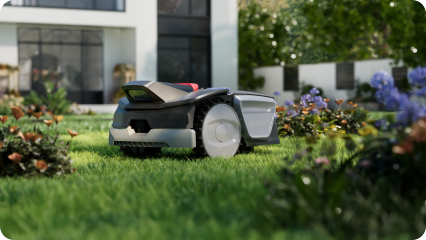
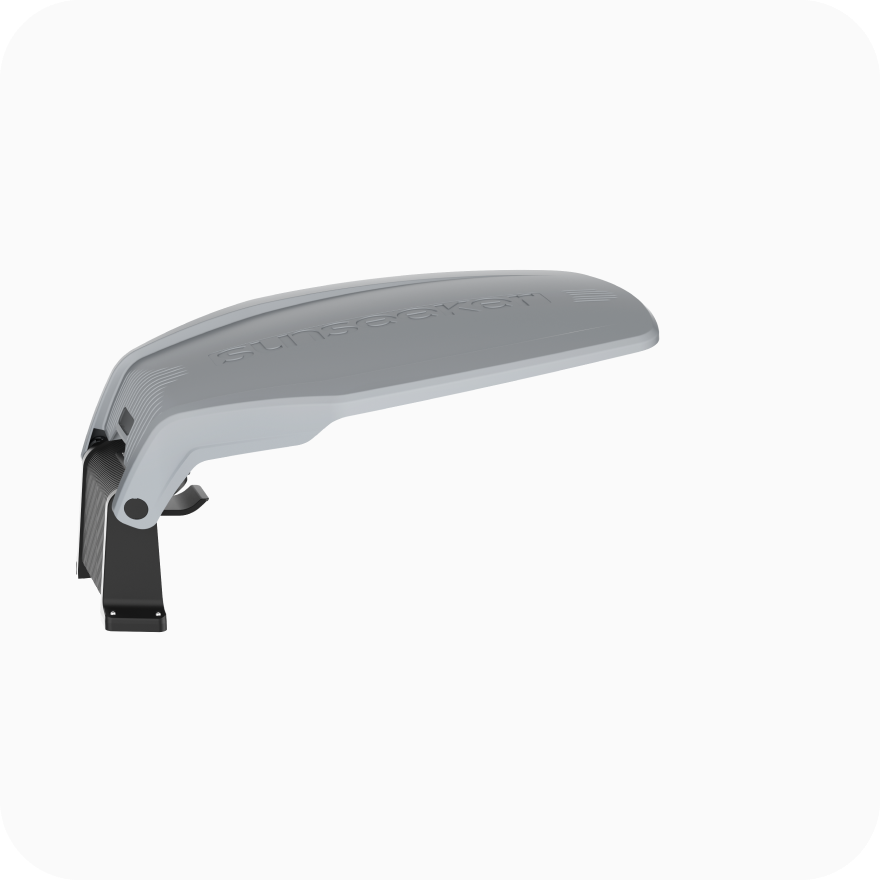
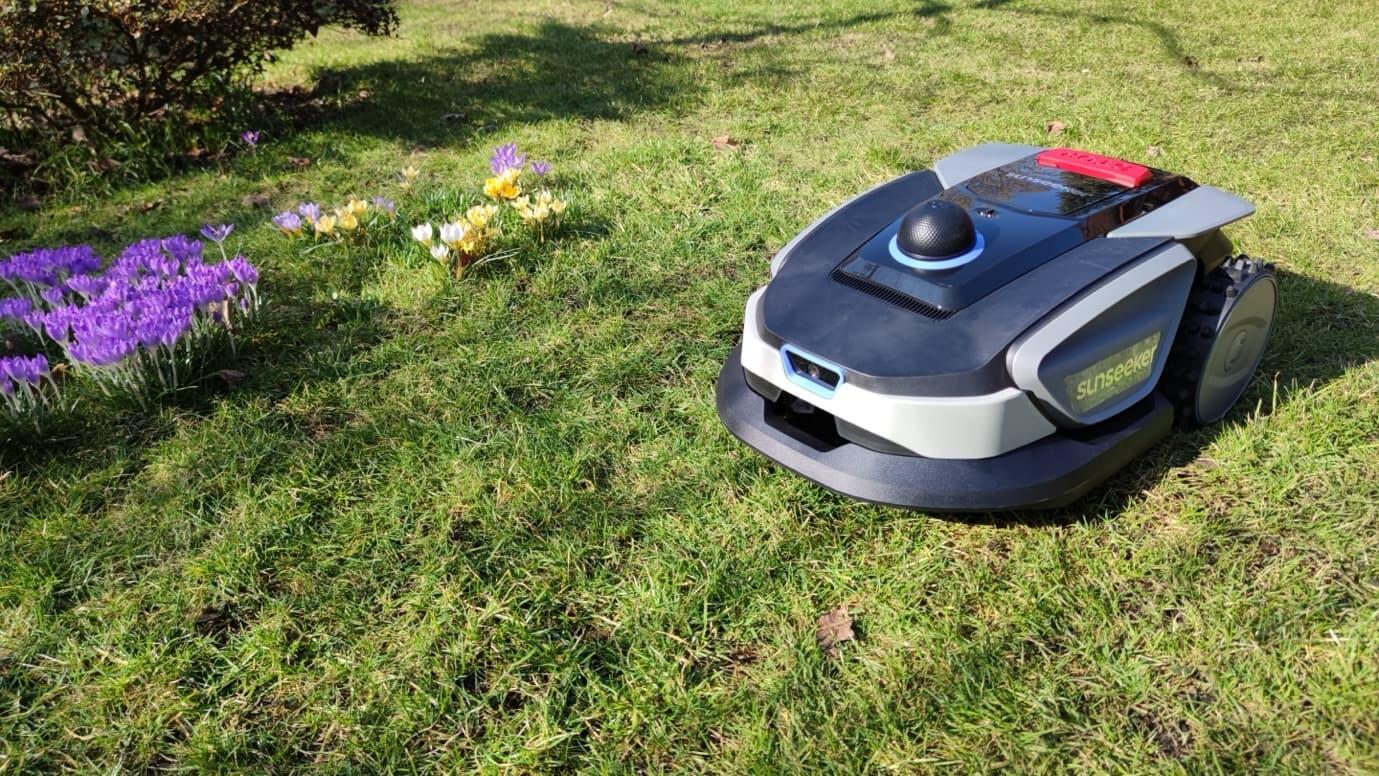
The lawn also requires care throughout the year. It should be mowed regularly so the turf remains dense and weeds cannot creep in. Robotic mowers such as those from Sunseeker make this much easier, so you no longer have to spend your own time on it.
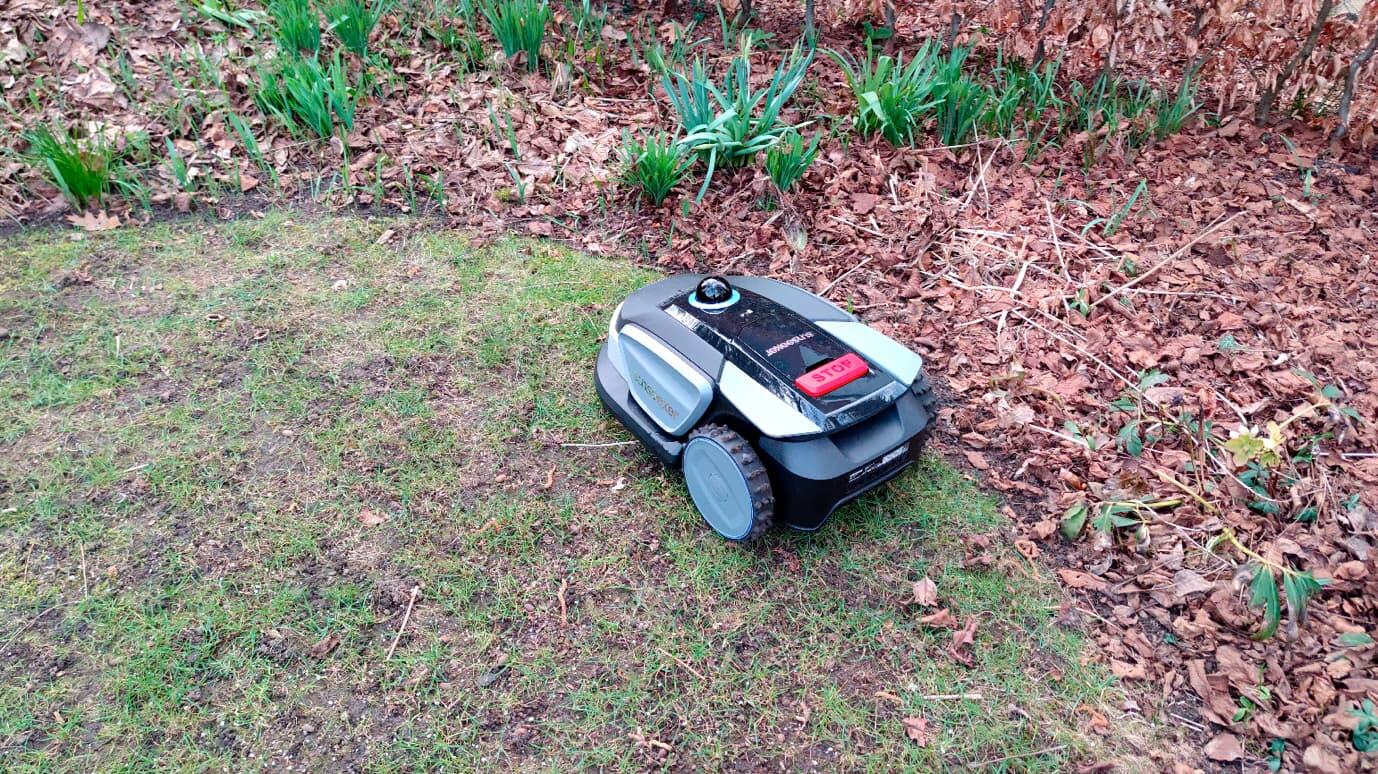
The Sunseeker S4 has been taking care of our lawn since March.© Gartenzeile
Even though the technology is already advanced enough to detect animals and objects on the lawn, you should still let the Sunseeker run during the day to avoid contact with wildlife. Already last year we were able to test several Sunseeker models extensively, and this year the new Sunseeker S4 has also arrived on our lawn. You can find our detailed review video on our YouTube channel.
Another advantage of robotic mowers is that the fine grass clippings remain on the lawn and serve as natural fertilizer. This means significantly less fertilizing is needed.
If an additional nutrient booster is still required, we recommend natural fertilizers such as compost. This can be made at home and is rich in nutrients.
In spring, various tasks prepare the garden for the new year. Dried-out and unwanted plants are removed, and new flowers and shrubs are planted.
Pruning not only removes old branches, but also encourages new growth.
Watering should be adapted to the weather. If it is rainy, less watering is needed. In dry conditions, watering should be regular, but not daily.
The lawn may require special care. Older lawns may need aerating or scarifying. Overseeding fills gaps, and fertilizing gives the grasses new strength.
Once spring care is complete, it is important to continue maintaining the garden throughout the year. This keeps the garden looking beautiful at all times. Regular mowing is especially important. Here, a Sunseeker robotic mower makes the job easier, so you can focus on more important things.
The YouTube channel “Gartenzeile” (https://www.youtube.com/c/gartenzeile) regularly shares tips on gardening — from lawn care and plant cultivation to reviews of garden tools and robots.