You spend time applying a pre-emergent, watering your lawn carefully, and hoping it stays lush, only to find weeds popping up a few weeks later. The problem often comes down to timing rather than lawn care itself. Learning when to put pre emergent on lawn gives you the chance to stop weeds before they take root. In this article, we'll guide you through how pre-emergent works, the best seasons to apply it, common mistakes to avoid, and practical tips for getting the best results.

What Is Pre-Emergent Weed Control and How Does It Work?
Pre-emergent weed control is a type of herbicide that prevents weed seeds from growing into mature plants. Instead of killing visible weeds, it creates a protective barrier in the top layer of the soil. When weed seeds begin to germinate, the herbicide stops the young roots and shoots from growing properly, preventing the weeds from taking hold in your lawn.
This treatment works best before weed seeds sprout because it has little effect on existing weeds. That is why knowing when to use pre emergent on lawn is just as important as choosing the right product. Once applied correctly and watered into the soil, the protective barrier remains active for several weeks or even months.
When to Apply Pre Emergent to Lawn?
Because pre-emergent only works before weed seeds germinate, the best application time depends on the type of weeds you want to prevent and the soil temperature in your area. Here are the times when should I put pre emergent on my lawn by season:
Spring Timing for Summer Annual Weeds
Spring is the ideal time to prevent summer annual weeds such as crabgrass, goosegrass, and foxtail before they begin to grow. Apply a pre-emergent herbicide when soil temperatures are consistently between 10 and 13°C, as this is when the seeds of these weeds start to germinate.
Fall Timing for Winter Annual Weeds
A second application in late summer or early fall prevents winter annual weeds such as annual bluegrass, chickweed, and henbit from growing. Apply the pre-emergent before soil temperatures reach 21°C, as these cooler conditions signal the weeds to germinate. Applying it at the right time creates a soil barrier to help keep your lawn clean throughout the colder months. Once weeds are already visible, when to put weed killer on a lawn depends on a post-emergent label and active weed growth, not the pre-emergent window above.
How to Apply Pre-Emergent to Lawn
Once you know the right timing for application, proper application becomes the next step in ensuring the herbicide works effectively. Here are the steps you can follow to apply pre-emergent to your lawn:
1.Apply Pre-Emergent to Dry Grass
Spread pre-emergent on a dry lawn so that it can reach the soil evenly. If the grass is wet, the product will stick to the blades instead of settling into the soil. This may leave untreated areas where weeds can still emerge.
2.Water the Lawn After Application
Water activates the pre-emergent and moves it into the upper layer of the soil, where weed seeds begin to germinate. Aim to provide about 6–13 mm of water after application. A light rainfall within 24 hours works well, but if rain is not expected, irrigate the lawn yourself.
3.Avoid Disturbing the Soil
Leave the treated area undisturbed for several weeks after application. Activities such as raking, dethatching, and aerating can damage the protective barrier in the soil and reduce the herbicide's effectiveness in preventing weed seeds from growing.
4.Some pre-emergent products also contain fertilizer. If you're using a combination product that includes both fertilizer and pre-emergent, make sure it suits your lawn's growing conditions. Applying too much fertilizer too early can encourage excessive top growth instead of supporting healthy root development. With a combination product, do not assume you can mow after fertilizing as soon as it is spread; follow the label and wait until granules have been watered into the soil or a liquid treatment has dried.
5.Maintain a Consistent Mowing Schedule
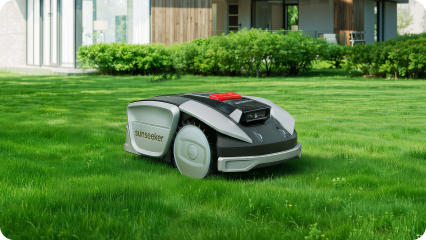
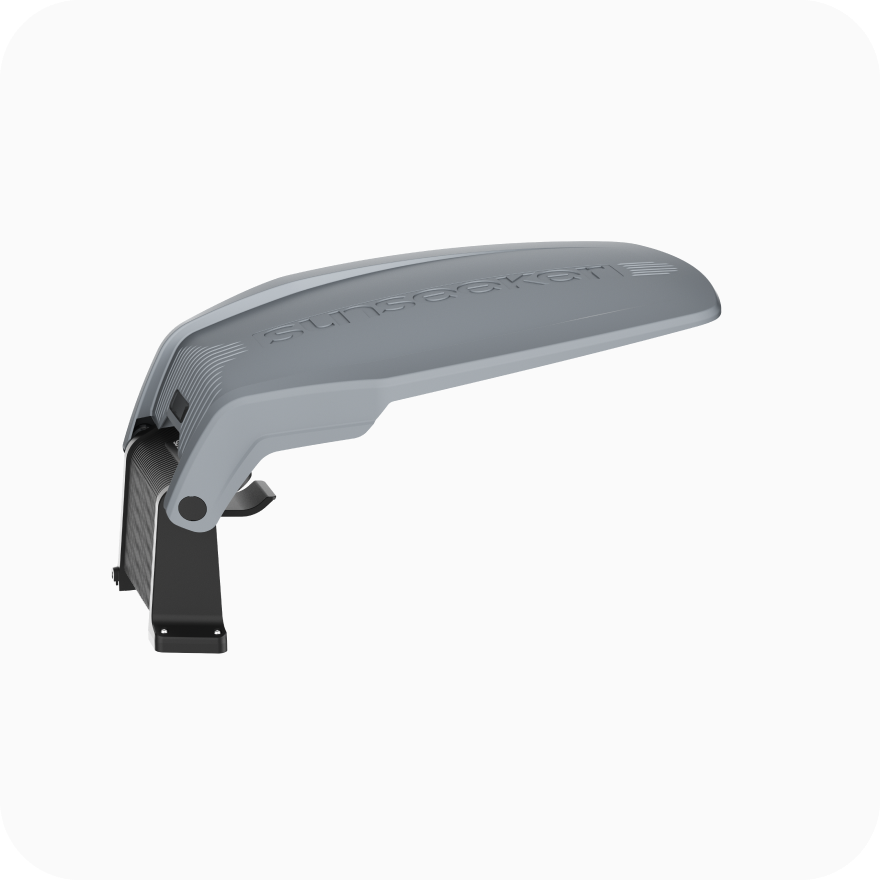
While mowing itself doesn't affect the pre-emergent barrier, maintaining a consistent mowing schedule helps keep the turf dense enough to discourage new weeds after treatment. A robotic mower such as the Sunseeker V1 can make this easier. It offers a smart schedule feature through the Sunseeker app, which connects via Wi-Fi or Bluetooth, allowing you to automate mowing during the weeks following pre-emergent application.
With robot mowers with mulching blades like the V1, fine grass clippings are returned to the soil as a natural source of nutrients. The adjustable cutting height of 20–50 mm also makes it easy to maintain the recommended grass height.

What Mistakes Should You Avoid With Pre-Emergent?
Even high-quality pre-emergent herbicides may not deliver the expected results if they are applied incorrectly. Try to avoid these common mistakes below:
1.Putting Pre-Emergent Down Before the Soil Has Thawed
Applying pre-emergent before the soil has completely thawed can reduce its effectiveness. Frozen or partially frozen ground prevents the herbicide from settling into the soil, making it difficult to form the protective barrier.
2.Overwatering the Lawn
Lightly watering the lawn after applying the pre-emergent helps activate it, but too much water can move the herbicide away from the target area or weaken its barrier on the top of the soil.
Conclusion
A weed-free lawn is rarely the result of luck. It requires understanding the right timing, applying pre-emergent correctly, and following consistent lawn care practices throughout the year. Once you know when to put pre emergent on lawn and match the application to seasonal weed growth, you can prevent weeds from becoming a problem instead of dealing with them afterward.
FAQs
What happens if I put pre-emergent down too early?
If you apply pre-emergent too early, the herbicide may lose its effectiveness before the weed seeds begin to germinate. Over time, the protective barrier weakens, allowing weeds to emerge when soil temperatures become suitable. Improve your results by monitoring soil temperatures rather than relying only on calendar dates.
When should you put out a pre-emergent?
Apply pre-emergent before weed seeds start to germinate, not after weeds become visible. For most summer annual weeds, this means applying it in early spring when soil temperatures reach 10–13°C. A second application in late summer or early fall before temperatures reach 21°C helps prevent winter annual weeds from establishing.
Should I cut my grass before I put down pre-emergent?
Yes. Mowing beforehand helps create a more even lawn surface, allowing the pre-emergent to be distributed more evenly across the soil rather than being caught by taller grass. There, it forms a protective barrier against germinating weeds. Once applied and watered in, avoid disturbing the treated area to keep the barrier intact and ensure continued effectiveness.