A lawn filled with weeds is not always the result of poor maintenance or the wrong weed killer. Sometimes, the problem is timing. If weed killer is applied too early or too late, it may not target weeds at the right stage of growth. Knowing when to put weed killer on lawn allows you to treat weeds based on their natural growth cycle, resulting in healthier, stronger grass. In this article, we'll explain the best time to apply weed killer, tips for applying it safely, and maintenance after application.
When to Apply Weed Killer to Lawn?
The right time to apply weed killer depends on the type of herbicide you choose. There are two types of weed killer: pre-emergent and post-emergent. Because they work differently, the best application timing also differs:
1.Pre-Emergent Weed Killer
Pre-emergent herbicides stop weed seeds from germinating, so they must be applied before the weeds emerge from the soil. For the best results, apply them when soil temperatures consistently reach 10–13°C but before rising above 16°C, the range when crabgrass and many annual weeds begin to germinate. Knowing when to apply weed killer on lawn is especially important with pre-emergent because missing this window can reduce its effectiveness.
2.Post-Emergent Weed Killer
Post-emergent herbicides are designed to kill visible, actively growing weeds in your lawn. They are most effective on young weeds because they absorb the herbicide more efficiently before maturing. Apply them when air temperatures are between 18°C and 29°C.
What Weather Conditions Are Best for Weed Killer?
Weather also has a direct impact on deciding when to use weed killer on lawn. Conditions such as temperature, rainfall, wind, and humidity can determine how well the weed killer works. For the best results, use this guide to apply herbicide based on the season:
1.Spring is one of the best seasons to apply weed killer because weeds begin to grow actively while temperatures are mild. To decide when to put pre-emergent on a lawn, watch for soil temperatures of 10-13°C before annual weeds begin to germinate. For cool-season grasses, both pre-emergent and post-emergent are most effective during March through April. However, if you have a warm-season lawn, wait until the grass has fully greened up before applying herbicides to minimize temporary stress.
2.Fall
The cooler temperatures and active weed growth of the fall season allow herbicides to work more efficiently, especially against winter annual weeds. Apply pre-emergent herbicides between August and November, before the weeds begin to germinate. If there are existing weeds, post-emergent herbicides also work well because weeds naturally move nutrients to their roots.
3.Summer
Summer can still be suitable for weed control, but extra care is needed. Avoid applying most herbicides once daytime temperatures consistently exceed 29°C, because both weeds and turfgrass can experience heat stress. When treatment is needed, apply a post-emergent herbicide to affected areas in the early morning when temperatures are cooler.
When Should You Avoid Applying Weed Killer?
Avoid applying weed killer in the winter, when both weeds and turfgrass are dormant. At this time of year, weeds don’t absorb the herbicide, so the treatment is ineffective. Additionally, frozen or saturated ground increases the risk of herbicide runoff into nearby drains, streams, and other waterways.
Tips for Applying Weed Killer to Lawn Safely
Besides the timing, applying the weed killer correctly helps control weeds effectively and ensures the grass is safe and healthy. Below are some tips to keep in mind when applying the weed killer:
1.Always read the product label. Each product contains specific instructions for application rates, suitable grass types, and waiting periods before watering or mowing. For a combination product, when to weed and feed a lawn must account for both active weeds and the grass's ability to use fertilizer, so follow the combination label, not a herbicide-only schedule. Also, wear protective gloves during application to avoid direct skin contact with the herbicide. It helps prevent accidental lawn damage and ensures safe handling.
2.Spray Evenly Under Calm Conditions
Apply weed killer evenly across the affected area using a calibrated sprayer. Choose a calm day with little or no wind to reduce spray drift, which can damage nearby flowers, shrubs, or ornamental plants.
3.Give the Herbicide Time to Work
Avoid mowing your lawn immediately before or after applying weed killer. Weeds need enough leaf surface to absorb the herbicide, so mowing too soon can reduce its effectiveness. After application, wait at least one to two days, or as directed on the product label.
What Should You Do After Applying Weed Killer?
Proper lawn care after spraying helps maximize the effectiveness of the herbicide while supporting healthy grass recovery. Here are some lawn care practices you can follow after applying weed killer:
1.Stay Off the Treated Area Until It Dries
Keep people and pets off the lawn until the herbicide has completely dried or for the period recommended on the product label.
2.Delay Watering
Unless the herbicide label provides different instructions, avoid watering the lawn for at least 24 hours after application.
3.Resume Lawn Maintenance Carefully
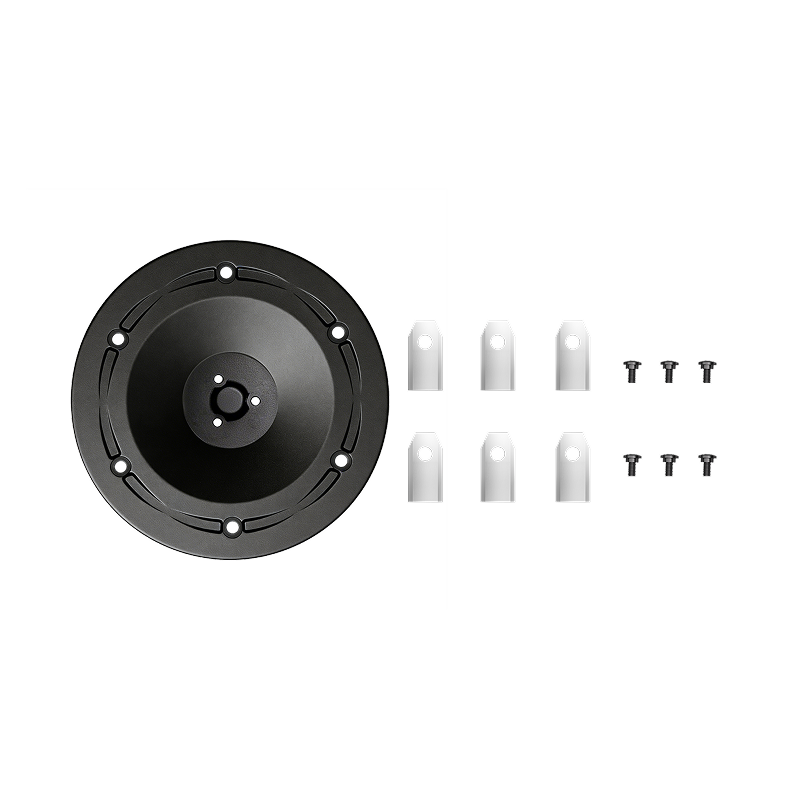
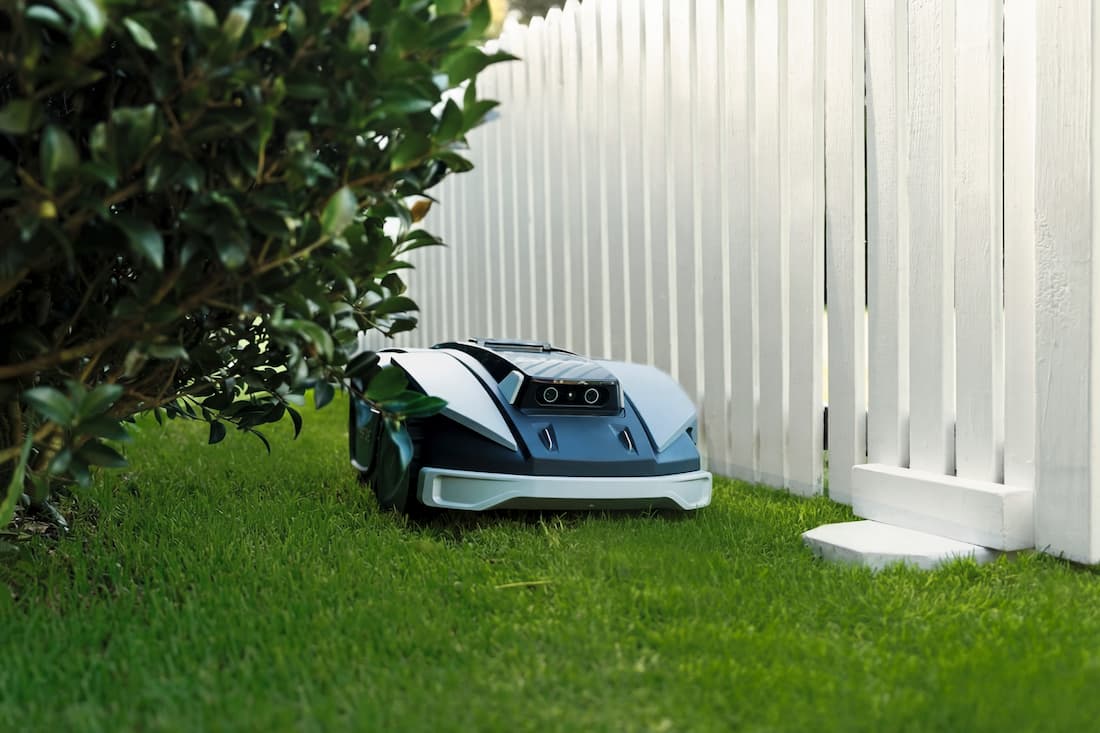
After the herbicide has had enough time to work (typically 1–2 days), resume regular lawn care, including mowing. For healthier turf, robot mowers with mulching blades can finely cut grass clippings into natural mulch, returning nutrients to the soil.
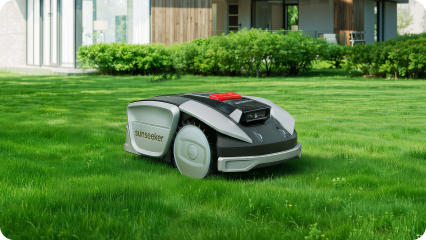
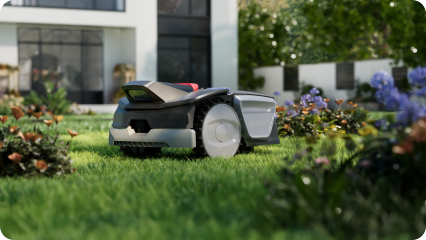
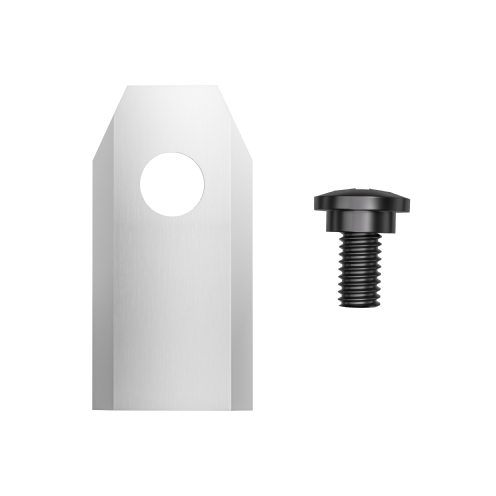
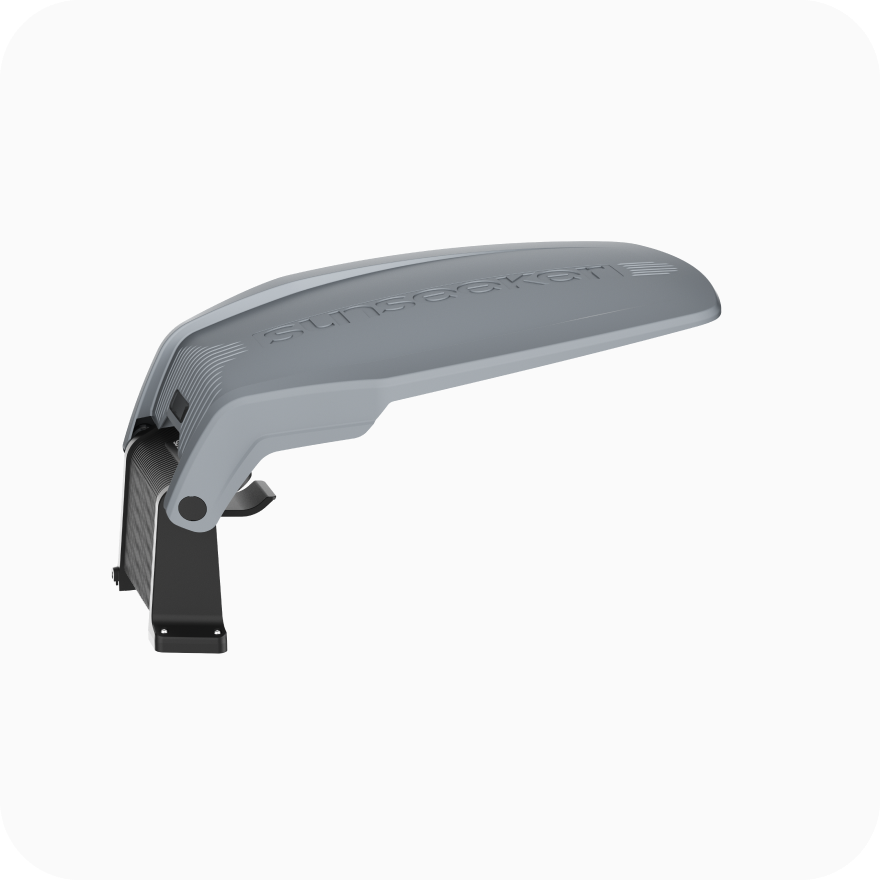
The Sunseeker S5 is a great choice for lawns with treated areas, featuring Multi-Zone Management for up to 80 mowing zones so you can skip newly sprayed sections while maintaining the rest of the lawn. Its Floating Cut System with mulching blades delivers a clean cut while reducing stress on recovering grass after herbicide application.
Conclusion
A weed-free lawn isn't achieved by applying more herbicide; it's about applying the right product at the right time and under the right conditions. Knowing when to put weed killer on lawn helps you match the treatment to the weed’s growth stage, choose between pre-emergent and post-emergent herbicides, and avoid weather-related mistakes that reduce effectiveness. With proper aftercare and consistent lawn maintenance, you’ll give your grass the best opportunity to recover, grow thicker, and resist future weed problems.
FAQs
Should you put weed killer on wet or dry grass?
For most post-emergent herbicides, apply the weed killer to dry grass to ensure it stays on the leaves and is absorbed more effectively. Avoid spraying before rain or when there is heavy dew, as moisture can reduce the herbicide's effectiveness. Always check the product label, as some herbicides may have different application instructions.
Should I apply weed killer before or after mowing my lawn?
Apply weed killer before mowing whenever possible. Leaving the weeds uncut provides more leaf surface for the herbicide to stick to and absorb effectively. After spraying, wait at least one to two days, or follow the product label, before mowing so the herbicide has enough time to move throughout the weed.
What month should I put weed killer on my lawn?
The best month for application depends on the type of herbicide and your local climate. Pre-emergent herbicides are typically applied in the spring (March through April) or fall (August through November). Post-emergent herbicides are also effective in the spring and fall, when weeds are actively growing and temperatures are mild.