Mowing after fertilizing is possible, but the lawn needs a short pause first. Granular fertilizer usually needs about 24–48 hours to settle and move into the soil, while liquid fertilizer should dry fully before mowing. For best results, mow first, fertilize after, water as needed, and avoid cutting too soon.
Many homeowners worry about ruining their lawn care efforts if mowing at the wrong time, either wasting fertilizer or stressing the grass. The truth is, timing plays a crucial role in how well your lawn absorbs nutrients and thrives. So, can you mow after fertilizing? How soon can I mow after granular fertilizer? If you are having the same questions, this guide has the answers you need. Just read on to find the best timing for different types of fertilizer, a simple step-by-step lawn care routine, and common mistakes to avoid.
The Short Answer: Should You Mow After Fertilizing?
Yes. You can mow after fertilizing, but not immediately. In most cases, mowing after fertilizing instantly is not recommended because it interrupts the nutrient absorption process. Fertilizer, whether granular or liquid, needs time to settle and dissolve into the soil. If you mow too soon, you risk removing fertilizer from grass blades or disturbing granules before they have fully broken down.
A safer approach is to wait around 24-48 hours after application of fertilizer. This short waiting period ensures your lawn has enough time to absorb nutrients properly. It also helps reduce waste and ensure more even, effective results.
Is It Better to Mow Before or After Fertilizing?
When considering whether to fertilize before or after mowing, the better and more widely recommended practice is to mow before fertilizing. Here are the reasons why this method is superior:
Improved Soil Contact: It removes excess grass growth, creates a clear path for fertilizer granules to reach the soil surface, preventing them from hanging up on foliage.
Reduced Risk of Burn: When you fertilize after mowing, the fertilizer settles directly onto the soil rather than sticking to taller, freshly cut grass blades. The risk of chemical burn is significantly reduced.
Natural Fertilization: If you mulch your clippings, they provide an immediate boost of organic matter, which works in tandem with the applied fertilizer to nourish the turf.
How Long Should You Wait to Mow After Fertilizing?
It’s better to fertilize after mowing, which brings significant benefits. The exact waiting time depends on the type of fertilizer used.
After Applying Granular Fertilizer
For granular fertilizer, it’s essential to wait before mowing to allow the nutrients to break down and reach the soil. In most cases, you should wait about 24-48 hours. If the lawn has been watered or rainfall has occurred, allow time for the granules to fully activate before mowing.
After Applying Liquid Fertilizer
When it comes to liquid fertilizer, you can usually mow once the product has fully dried on the grass, which is often within 24 hours. This drying period is important because it allows the nutrients to be absorbed through the grass blades and begin moving into the plant.
What Happens If You Mow Too Soon After Fertilizing?
Generally, mowing after fertilizing is acceptable, but not too soon. Here’s what can go wrong if you mow too early:
Nutrient loss: Mowing too soon can remove fertilizer from grass blades, which prevents proper absorption and reduces the overall effectiveness of your application.
Reduced Product Efficacy: Many treatments, especially "weed and feed" formulas, require time to absorb into the target weeds. Premature cutting inhibits the chemical reaction for effective control.
Uneven distribution: Early mowing can scatter or displace fertilizer, causing patchy growth. While some areas receive nutrients, others are left untreated.
Grass stress: If you mow after fertilizing too soon, it can stress the lawn since it’s actively absorbing nutrients. This might potentially lead to discoloration or weaker overall growth.
Best Lawn Care Timeline: Step-by-Step Order for Fertilizing and Mowing
Precise timing is the key to achieving a professional-looking lawn. Here’s the best lawn care steps for fertilizing and mowing.
Step 1. Assess Lawn Condition
Check for soil moisture and grass height. If you are wondering when to fertilize lawn in spring, wait until the grass has started actively growing and the soil is no longer excessively cold or saturated. Avoid fertilizing if the lawn is suffering from extreme drought or heat stress, as the grass needs energy to recover before processing high nitrogen levels.
Step 2. Mow the Lawn
Should I mow before weed and feed? In most cases, perform your routine mowing 1-2 days before applying the product, unless its label provides different instructions. This removes excess foliage, clears away surface debris, and helps the weed and feed reach the target weeds and soil more effectively.
Step 3. Apply Fertilizer
Use a broadcast spreader for granular products or a sprayer for liquids. Apply when the grass is dry, which prevents clumping and ensures even coverage across the entire area.
Step 4. Water In
Lightly irrigate the lawn after applying granular fertilizer. This helps wash the nutrients off the grass blades and into the root zone, which maximizes absorption and prevents potential leaf burn.
Step 5. Allow Recovery Time
Give the lawn at least 24-48 hours of rest before the next mowing session. This window allows the fertilizer to fully settle and the grass blades to recover from the initial cutting process.
Common Lawn Care Mistakes to Avoid
Even with the right timing, small mistakes can reduce the effectiveness of fertilizing and mowing. Let’s see the common mistakes to avoid during the process:
Mowing Immediately After Application
Mowing right after fertilizing can remove nutrients before they absorb into the soil. This often leads to uneven feeding and wasted product, especially with granular fertilizers that can be picked up or displaced by the mower.
Not Following Fertilizer Label Instructions
Each fertilizer has specific guidelines for application, watering, and mowing intervals. Make sure to follow the recommended guidelines carefully; they are designed to ensure proper nutrient absorption and maximize the effectiveness.
Skipping Watering
Many fertilizers, particularly granular types, need watering to activate and move nutrients into the soil. That means watering is an essential step that should not be skipped. It ensures the fertilizer dissolves properly, reaches the root zone, and delivers nutrients evenly.
Fertilizing Before Heavy Rain
Applying fertilizer before heavy rain can wash nutrients away before they are absorbed. This not only wastes product but may also cause runoff issues, leaving your lawn underfed and uneven in growth.
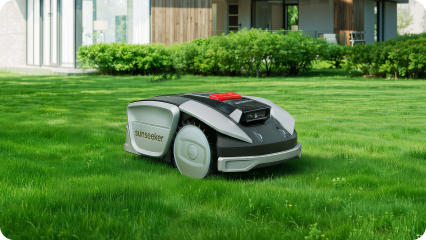
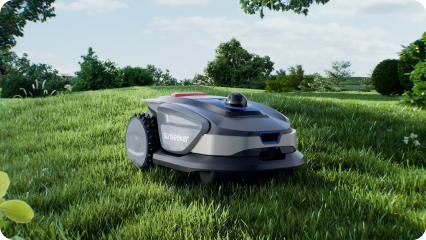
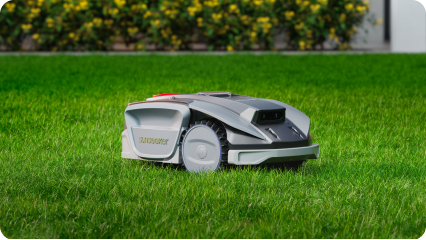
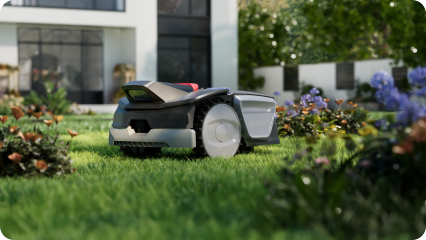
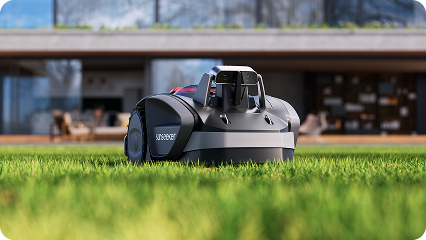
Today, it can be challenging to maintain perfect mowing schedules around fertilization windows with a busy lifestyle. That’s why many homeowners start looking for ways to simplify lawn care altogether. Modern robotic lawn mowers are a real game-changer. They provide consistent, automated cutting at optimal heights and times, helping you follow the ideal fertilizing and mowing timeline with minimal effort.
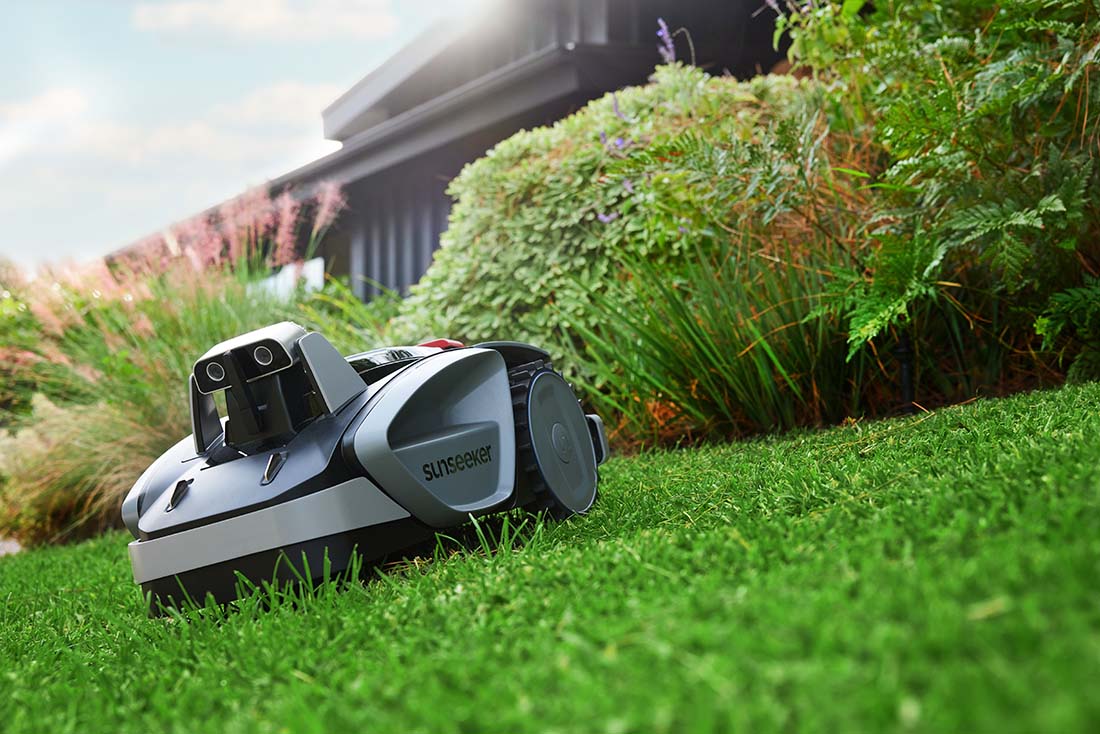
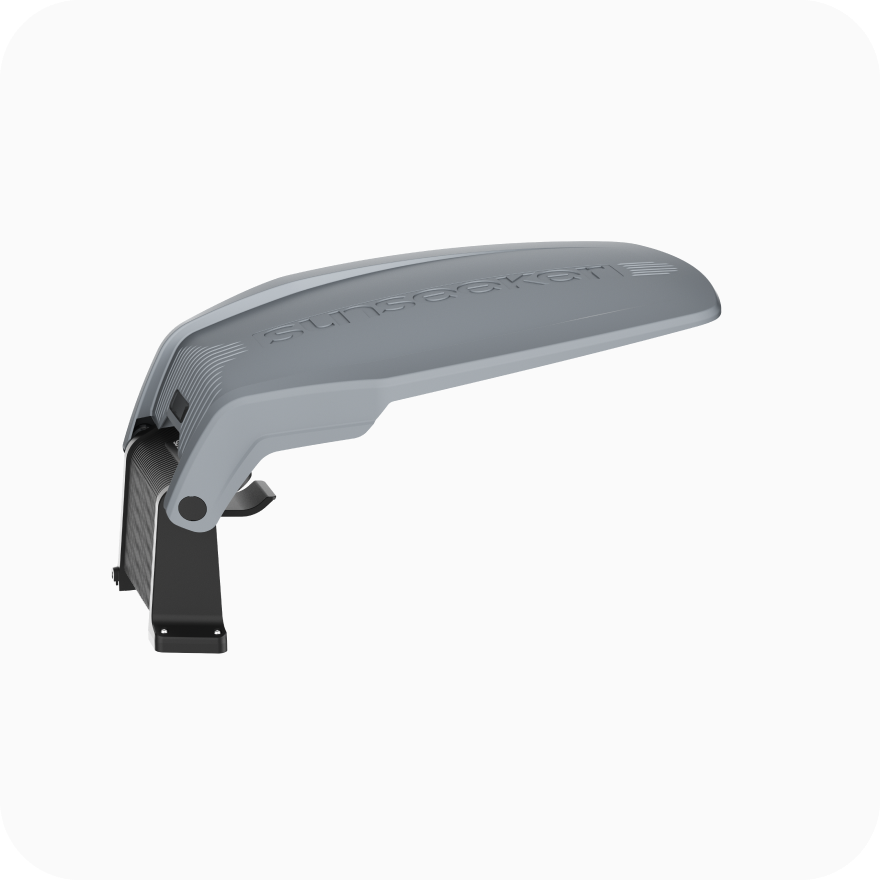
The Sunseeker V1 is an excellent entry-level robotic mower that brings powerful automation to save you time and effort. It maintains precise cutting heights on a flexible schedule, enabling frequent mowing to keep your lawn consistently even. This makes it much easier to mow before fertilizing and resume mowing after the waiting period, ensuring better nutrient absorption and healthier grass.
For more advanced needs, the Sunseeker V3 offers enhanced precision and adaptability. Equipped with binocular 3D vision, it provides accurate navigation and strong obstacle detection. The mower performs well on uneven terrain and slopes with a floating cutting system that delivers an even cut. It also maintains optimized cutting heights, which helps support better fertilizing results and long-term lawn health.
Final Verdict: Can You Mow After Fertilizing?
Yes, but only after waiting the right amount of time. So, how long after fertilizing can you mow? It depends on the fertilizer type. For granular fertilizer, wait about 24-48 hours so the granules can settle into the soil. For liquid fertilizer, mowing is usually safe once the grass has fully dried. To simplify the process, consider Sunseeker’s robotic lawn mowers. These models can automatically handle mowing before fertilizing and maintain a consistent, even cutting height throughout the season. This steady mowing routine helps create better conditions for nutrient absorption, reduces stress on the lawn, and keeps your grass healthier with far less manual effort!
FAQs
Can mowing remove fertilizer from the lawn?
Yes, especially if done too soon. Mower blades or collection bags can easily pick up granules or dislodge liquid residues before they have time to absorb into the soil. It’s best to wait 24-48 hours, which allows the product to settle and activate properly, ensuring better nutrient uptake, more even feeding, and less fertilizer loss.
Is it okay to fertilize and mow on the same day?
It depends on the order. Mowing first and then fertilizing is generally fine, provided the grass has a short recovery period. However, fertilizing first and mowing the same day is not recommended. You risk removing the product and stressing the turf during its growth phase. Always wait at least 24 hours after application before mowing again.
How long after weed and feed can I mow?
Wait at least 24-48 hours before mowing. Weed-and-feed products contain herbicides that require sufficient time to be fully absorbed into the target weeds. If you mow too soon, it cuts off this critical absorption process, which drastically reduces the effectiveness of your weed control. Meanwhile, check the specific product label to ensure you are following the manufacturer's precise timing recommendations.
How soon can you mow after fertilizer?
For granular fertilizer, wait 24-48 hours to ensure deep soil penetration. For liquid products, you can often mow within 24 hours once the grass is completely dry. Ultimately, the goal is to give nutrients adequate time to absorb. If you have any doubt, check your product label for precise timing instructions.
How long does it take granular fertilizer to break down?
Generally, it takes 24-48 hours for granules to begin significant breakdown and initial absorption. However, full nutrient release can take weeks with slow-release formulas. You can water the lawn lightly after application to speed this process up significantly. For best results, avoid mowing or heavy foot traffic to ensure the granules properly integrate into the soil.