One of the most common questions for new homeowners and gardeners is when to cut new lawn without causing damage. While it may be tempting to mow as soon as the grass starts growing, doing so too early can weaken young roots and slow the lawn's development. On the other hand, waiting too long can also make the first mow more difficult. The best approach is to let the grass become well established before bringing out the mower.
Whether you've grown your lawn from seed, installed new sod, or overseeded an existing yard, the ideal timing depends on how well the grass has taken root. This guide explains when to cut lawn, how to mow it safely, and what to do afterward to encourage healthy, long-lasting growth.

How Do You Know the New Lawn Is Ready to Mow?
Before mowing a new lawn, make sure it shows these signs of healthy establishment. If you're wondering how early can I cut my lawn, these indicators will help you decide whether it's ready for the first mow.
Proper height
Grass should be about 7.5 to 10 cm tall before the first cut.
Even growth
The lawn should look thick and uniform, without thin or patchy areas.
Mature grass plants
Each plant should have several blades instead of a single young sprout.
Strong roots
Gently tug on a few blades. If they stay firmly rooted, the lawn is ready. If they pull out easily, allow more time for the roots to establish.
When Can You Cut a New Lawn for the First Time?
The sections below explain when to mow new grass grown from seed, laid as sod, or added through overseeding, using rooting and height as the decision points.
New Grass From Seed
New grass grown from seed is usually ready for its first mow in 6 to 8 weeks, although the exact timing depends on the grass type and growing conditions. Focus on the lawn's condition rather than the calendar, and wait until the grass reaches 7.5 to 10 cm tall with well-established roots before mowing.
New Sod or Turf
To decide when to mow new sod, allow roughly 2 to 4 weeks after installation, then confirm the roots have anchored before making the first cut. Before mowing, gently pull on the sod. If it stays firmly in place without lifting, the roots have established well enough for the first cut.
Overseeded Lawns
For an overseeded lawn, wait about 2 to 4 weeks before mowing to give the new grass time to establish roots. Because growth varies with grass type and weather, use the lawn's condition as your guide. Mow only after the new seedlings reach about 7.5 cm tall and are firmly rooted in the soil.
| Lawn Type |
Typical Time Before First Mow |
Ready to Mow When... |
| New Grass From Seed |
6–8 weeks |
Grass is 7.5-10 cm tall with well-established roots. |
| New Sod or Turf |
2–4 weeks |
Sod is firmly rooted and does not lift when gently pulled. |
| Overseeded Lawns |
2–4 weeks |
New seedlings are about 7.5 cm tall and firmly rooted. |
How to Cut a New Lawn Safely
After deciding when to cut my new lawn, use these tips to protect young grass and encourage healthy growth during the first mow.
| Grass Type |
Suggested Height (cm) |
Mow at This Height (cm) |
| Tall fescue |
5–10 |
6–13 |
| Perennial ryegrass |
5–8 |
6–10 |
| Buffalograss |
5–10 |
6–13 |
| Carpetgrass |
3–5 |
3–6 |
| Kentucky bluegrass |
5–8 |
6–10 |
| Bahiagrass |
8–10 |
10–13 |
| Bermudagrass |
3–5 |
3–6 |
| St. Augustinegrass |
6–10 |
8–13 |
| Zoysiagrass |
3–6 |
3–8 |
| Centipedegrass |
4–5 |
5–6 |
| Fine fescue |
4–8 |
5–10 |
Use a well-maintained mower.
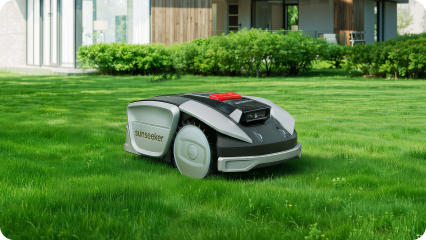
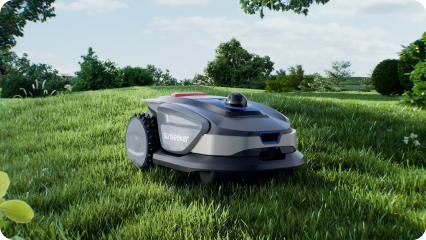
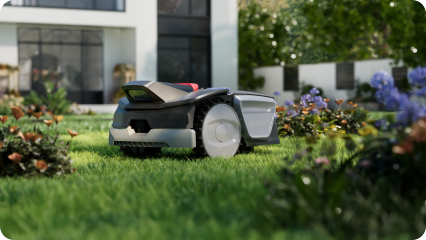
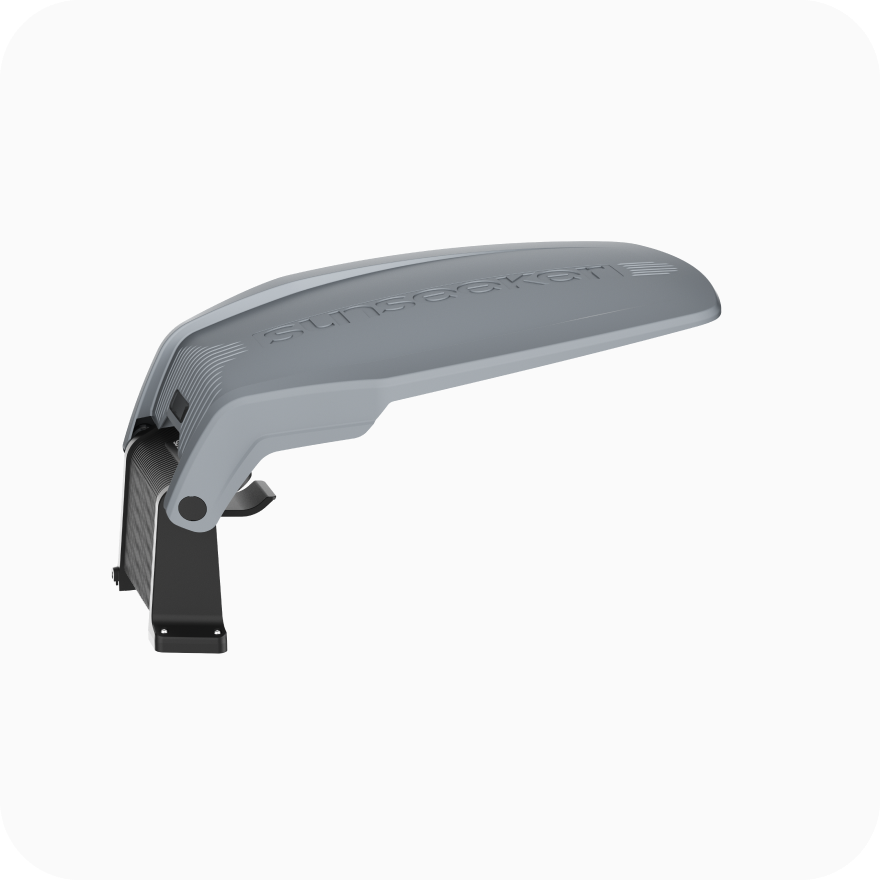
Make sure the blades are sharp and the mower is clean. A reliable option, such as the Sunseeker S5, can help maintain consistent mowing performance while protecting young grass. Sharp blades create clean cuts, while dull blades can tear young grass and increase the risk of disease.
Set a higher mowing height.
Avoid cutting the grass too short during the first mow. Remove no more than one-third of the blade length at a time, and adjust the mower to suit your grass type.
Mow only when the grass is dry.
Dry grass cuts more evenly, reduces clumping, and is less likely to spread disease.
Change your mowing pattern.
Vary the mowing direction each time to encourage upright growth and prevent soil compaction or wheel ruts.
Mow at a steady pace.
Move slowly during the first cut to avoid pulling up grass that is still establishing its roots.
Gradually reach the ideal height.
If needed, mow again a few days later rather than removing too much grass in a single pass. This helps the new lawn adjust with less stress.

Note: Mowing height based on the grass type
What Should You Do After the First Cut?
The first mow is only the beginning. Proper aftercare helps your new lawn recover and continue developing strong, healthy roots.
Water the lawn if needed.
If the weather is hot or dry, water deeply in the early morning to reduce stress and encourage root growth.
Leave grass clippings when possible.
If you're using a mulching mower, leave a light layer of clippings on the lawn. They return valuable nutrients to the soil and act as a natural fertilizer.
Watch for signs of stress.
Check the lawn over the next few days for yellowing, thinning, or slow growth. These may indicate the lawn needs more water or time to recover.
Plan the next mow.
Continue mowing regularly as the grass grows, but avoid removing more than one-third of the blade length in a single mowing.
Inspect for weeds.
Look for weeds while they're still small. Removing them early helps prevent competition for water and nutrients as your new lawn becomes established.
Conclusion
Knowing when to cut new lawn is essential for helping young grass develop strong roots and long-term health. Rather than mowing too soon, wait until your lawn shows clear signs that it is ready, then follow safe mowing practices to reduce stress. After the first cut, proper watering, regular maintenance, and careful monitoring will keep your lawn growing thick and healthy.
For easier long-term maintenance, robot lawn mowers without perimeter wires can simplify setup and automate mowing without the need to install boundary cables. They can map the lawn, follow planned routes, and keep the grass neatly maintained with less manual effort.
FAQs
How long should my new grass be before I cut it?
New grass is generally ready for its first mow about 6 to 8 weeks after seeding, provided it has established strong roots and is growing steadily. The exact timing depends on the grass type, weather, and growing conditions. When you do mow, follow the one-third rule by removing no more than one-third of the grass blade in a single cut to avoid stressing the new lawn.
What height should new grass be before mowing?
New grass should be 7.5 to 10 cm tall before its first mow, and the roots should be firmly established in the soil. Mowing too early can weaken young grass and slow its development. Waiting until it reaches the proper height helps the lawn recover more quickly and encourages healthy, even growth as it becomes established.
What happens if you cut new grass too early?
Cutting new grass too early can damage both the young plants and the soil. It may weaken grass blades, disturb developing roots, dislodge newly germinated seedlings, and leave ruts in soft ground from mower wheels. Waiting until the lawn is well established helps prevent these problems and supports stronger, healthier grass growth.