A beautiful lawn starts with healthy sod, but achieving lasting results requires more than simply laying grass and watering it. One of the most critical steps in early lawn care is knowing when to mow new sod. The first mow plays a major role in how well your grass establishes itself and develops a strong root system. Mowing too soon can stress young grass and pull up sections that haven't rooted properly, while the right timing encourages thicker, healthier growth.
Whether you've recently installed sod or are planning a lawn project, understanding when and how to perform the first cut can make a significant difference. In the following sections, you'll learn how long to wait before mowing, the signs of successful rooting, the best mowing practices, and how to care for your lawn afterward for the best results.

How Long Should You Wait to Mow New Sod?
A common question homeowners ask is when can you mow new sod after installation. In most cases, it's best to wait about 2 to 3 weeks, giving the roots enough time to establish in the soil. While sod often begins to develop shallow roots within 10 to 14 days, full establishment can take several more weeks, depending on the grass type, weather, and growing conditions.
Before mowing, gently tug on the sod to check that it is firmly rooted. For the first cut, use a walk-behind mower with sharp blades and avoid removing more than one-third of the grass height.
Signs Your New Sod Is Ready for Its First Mow
The safest way to decide when to cut a new lawn laid from sod is to check the roots, grass height, and overall condition instead of relying on the calendar alone.
1. Strong Root Development
Perform a simple tug test by gently pulling up on a corner of the sod. If it stays firmly in place and resists lifting, the roots have begun anchoring into the soil. If it lifts easily, wait a few more days before mowing.
2. Proper Grass Height
The grass should be about 7.5 – 10 cm tall before the first mow. When cutting, remove no more than one-third of the blade height to avoid stressing the developing turf.
3. Healthy Appearance
Ready-to-mow sod should look lush, evenly green, and free of yellowing, wilting, or other signs of stress.
Why Mowing Too Soon Can Damage New Sod
New sod may look established immediately after installation, but its roots are still developing beneath the surface. During this stage, the grass has not yet anchored itself securely into the soil, making it vulnerable to damage from mowing equipment and foot traffic.
Understanding how long should you wait to mow new sod is essential because mowing too early can disrupt newly forming roots, slow establishment, and weaken the lawn. The weight of a mower may also shift or lift sections of sod before they are fully rooted. Other potential problems include:
- Root damage: Disturbs developing roots and delays establishment.
- Scalping and uneven growth: Removing too much grass at once can stress young turf and expose the soil.
- Increased pest and disease risk: Stressed grass is more susceptible to insects and lawn diseases.
- Soil compaction: Heavy mowers can compact the soil, restricting root growth, water movement, and nutrient uptake.
- Poor appearance: Premature mowing can leave the lawn looking patchy, thin, and uneven.
How to Prepare for the First Mow
Before mowing new sod for the first time, take a few steps to protect the developing roots and ensure a clean cut.
- Avoid watering for 1–2 days before mowing. Firm, dry soil helps prevent mower wheels from creating ruts or shifting the sod, which can damage newly established roots.
- Use the right mower. A lightweight push mower or reel mower is ideal for new sod because it is gentler on the lawn. While a robot lawn mower can be a convenient solution for established lawns, it is generally best to wait until the sod is fully rooted before allowing automated mowing equipment to operate on the surface.
- Sharpen the mower blades. Sharp blades cut grass cleanly, while dull blades tear the grass and increase the risk of disease and stress.
A little preparation can help your new lawn transition smoothly through its first mow.
How to Mow New Sod the Right Way
Mowing new sod correctly helps protect developing roots and encourages healthy, even growth. Advice on when to mow new grass grown from seed uses similar checks for height and rooting, although seeded lawns usually need more time before the first cut than installed sod. Follow these best practices for a successful first mow:
1. Check That the Lawn Surface Is Firm
Before mowing, make sure the lawn is not too wet or soft. New sod often needs frequent watering, but mowing on soft soil can leave wheel marks, create ruts, or shift the sod. Wait until the surface is firm enough to support the mower.
2. Set the Mower Height High
For the first cut, adjust the mower to a high setting, typically around 6–8 cm. Remove no more than one-third of the grass blade height in a single mowing to avoid weakening the turf or slowing establishment.
3. Mow in Slow, Straight Passes
Move slowly across the lawn in straight lines. Avoid sharp turns, sudden movements, or repeated passes over the same area, as these can shift the sod and disturb roots that are still anchoring into the soil.
4. Keep the First Mow Light and Simple
The goal of the first mow is only to trim the grass lightly, not to create a very short or perfectly finished lawn. If some areas still look uneven, wait until the next mow rather than cutting too aggressively.
5. Change Mowing Directions Later
Once regular mowing begins and the sod is more firmly established, vary your mowing pattern occasionally to promote upright growth and reduce soil compaction.
What to Do After the First Mow to Help Sod Establish
Knowing when should I mow new sod is only part of the process. After the first cut, proper aftercare is what helps new sod establish a strong, healthy root system.
- Adjust watering: Gradually water less often but more deeply to encourage deeper root growth. Water early in the morning to reduce evaporation and disease risk.
- Limit foot traffic: Avoid excessive walking, pets, and heavy equipment on the lawn for several more weeks to prevent soil compaction and root damage.
- Continue proper mowing: Remove no more than one-third of the grass blade at a time and keep mower blades sharp for clean cuts.
- Watch for weeds and pests: Hand-pull weeds when possible and monitor for signs of insects or disease.
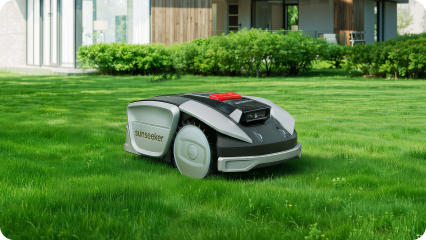
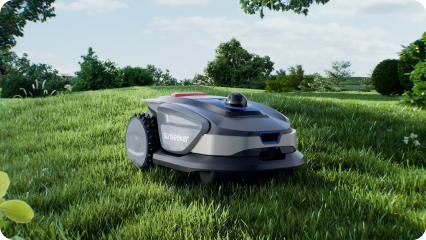
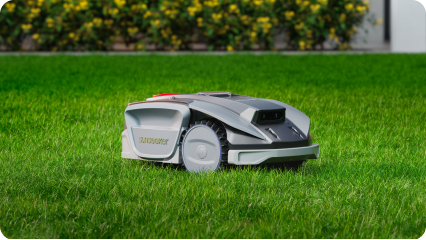
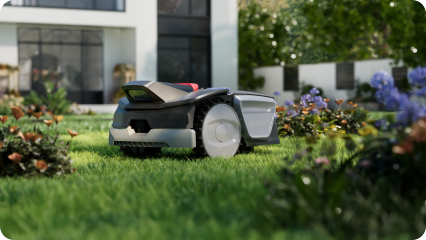
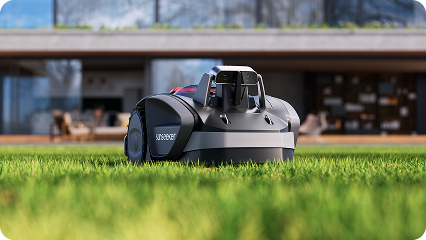
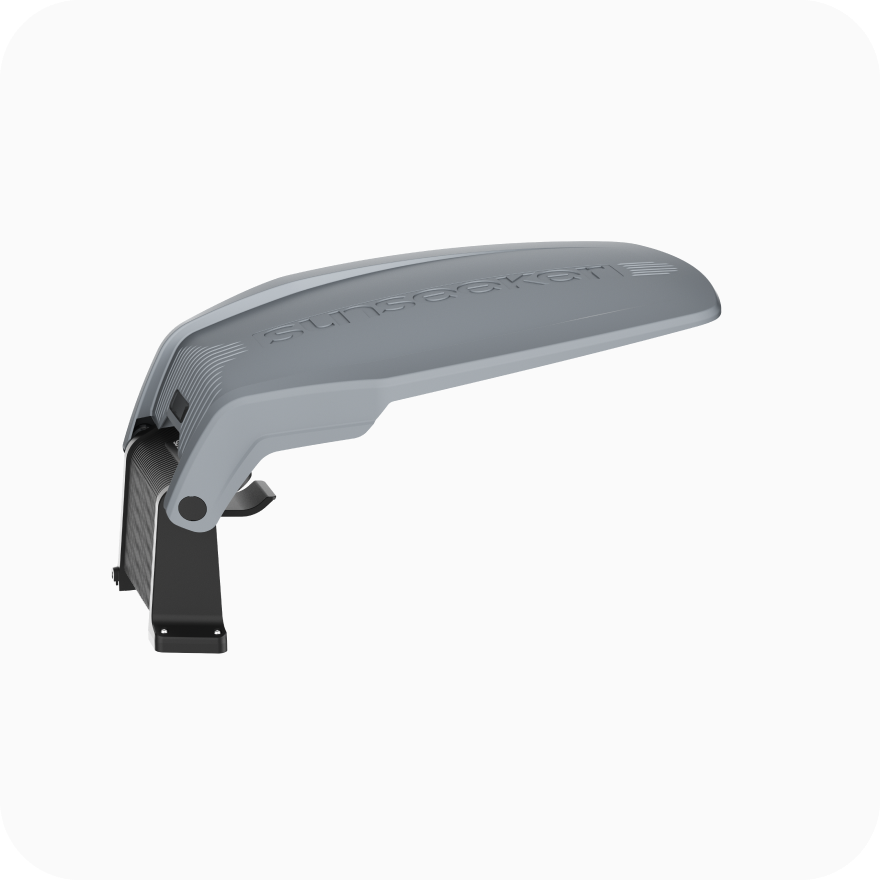
Regular mowing helps keep an established lawn healthy, attractive, and under control. It can also help homeowners comply with local property-maintenance requirements. As your lawn becomes more established and mowing needs become more routine, you may consider automated solutions such as the Sunseeker S4.
With a wire-free setup, auto mapping, and smart route planning, the S4 can help manage regular mowing with less hands-on effort. It also supports multi-zone scheduling, obstacle avoidance, rain sensing, and automatic recharging, making it a practical option for homeowners who want to keep the lawn consistently maintained without mowing manually every week.

Conclusion
Learning when to mow new sod is key to protecting young roots and promoting healthy lawn establishment. Most sod benefits from a waiting period of a few weeks, but checking root development and grass height provides the most reliable guidance. Once the first mow is complete, proper watering, mowing, and lawn care practices will help your sod develop into a dense, attractive, and long-lasting landscape feature.
FAQs
How long after laying sod can you mow?
Most new sod can be mowed about 2 weeks after installation, but timing depends on how quickly the roots establish. Before mowing, gently tug on a corner of the sod. If it stays firmly in place and resists lifting, the roots have likely anchored into the soil. If it lifts easily, wait a few more days before mowing.
What not to do with fresh sod?
With fresh sod, avoid mowing too soon, overwatering, underwatering, and allowing heavy foot traffic on the lawn. These mistakes can slow root establishment and damage new grass. It's also important to lay sod on properly prepared soil and use a starter fertilizer designed for new lawns. Giving sod the right care during its first few weeks helps it develop strong roots and long-term health.
How long does it take sod to fully root?
Most sod begins developing shallow roots within 10 to 14 days and typically becomes fully rooted in 2 to 6 weeks under proper growing conditions. Rooting speed depends on factors such as grass type, weather, watering, and soil quality. During this establishment period, avoid heavy foot traffic and follow a consistent watering schedule to encourage strong, deep root growth.