When Can You Mow a New Lawn?
New grass is usually ready for its first mow when most blades reach about 8–10 cm (3–4 inches), the roots are firmly anchored, and the soil is dry enough to support the mower.
Gently tug a few seedlings before mowing. If they stay in place, the roots are developing well. If they pull out easily, wait a little longer. The ground should also feel firm underfoot rather than soft or muddy, since mower wheels can leave ruts and disturb young roots.
On the first mow, remove no more than one-third of the grass height. For example, grass at 9 cm should be left at about 6 cm or taller. Cutting too early or too low can pull out seedlings, weaken new growth, and leave thin or bare areas that need more time to fill in.
How to Know Your New Lawn Is Ready for Its First Cut
To decide
when to cut a new lawn without lifting seedlings or shifting sod, use the following readiness checks:
Check the Grass Height
New grass is usually ready when it reaches about 3–4 inches (8–10 cm), or roughly one-third higher than the height you plan to maintain. On the first mow, remove no more than one-third of the blade length.
Check the Roots
For seeded lawns, gently tug a few seedlings in different areas. If they resist and stay in place, the roots are developing well. For newly laid sod, try lifting a corner. If it no longer comes up easily, the sod has begun to root into the soil below.
Check the Soil
The soil should feel firm enough to support your weight and the mower without leaving deep footprints or wheel ruts. It does not need to be completely dry, but avoid mowing when the surface is soft, muddy, or waterlogged.
When to Mow Newly Seeded vs. Sodded Grass
The timeline for your first cut depends entirely on how your lawn was established. Knowing when to mow newly seeded grass requires a completely different approach than handling fresh sod. For an established lawn thickened with additional seed,
when to mow after overseeding depends on the existing grass height and the new seedlings passing a gentle tug test.
-
Newly Seeded Lawns: They tend to take the longest to establish because they requires seed germination and rooting into the soil prior to encountering traffic from mowing. Many cool climate grasses need to reach about 7.5 cm in height before they are mowed for the first time.
-
Newly Laid Sod: Sod is delivered to your site with mature plant material but its roots have been severed from their original soil. This means they will take time to establish through rooting into your soil. New sod will generate roots to hold it in place much faster than grass seed. Most new sod is ready for a light mow within 2 to 3 weeks after it is laid.
How to Mow New Grass Without Damaging It
Now you know when should you mow a new lawn. The first cut still needs a gentle approach, since young grass can be easily pulled, torn, or stressed before the roots are fully established.
Sharpen Your Mower Blades
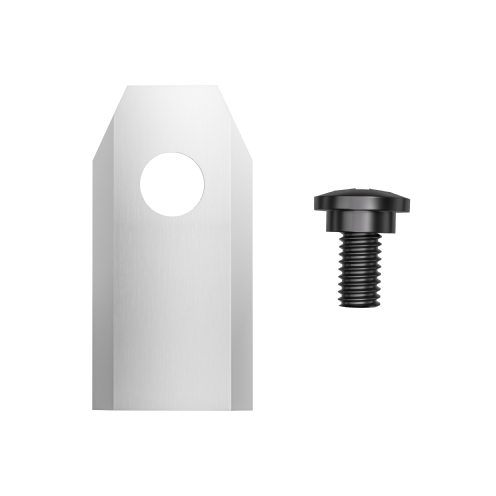
Dull blades tear grass instead of cutting it cleanly. On young turf, this can damage tender blades and even pull poorly rooted seedlings loose. Sharpen the blade before the first mow and replace it if it is badly worn or damaged.
Set a Higher Cutting Height
Keep the first cut fairly high. For many new lawns, leaving about 6.5–7.5 cm of grass gives young plants enough leaf area to keep growing while removing uneven tips. Adjust the exact height to the grass type you planted.
Follow the One-Third Rule
Remove no more than one-third of the blade height in one mowing. If the grass is 9 cm tall, for example, take off no more than about 3 cm. If it has grown too tall, lower the height gradually over several cuts instead of cutting it down at once.
Use Wide, Gentle Turns
Sharp turns can twist mower wheels against the soil and disturb grass that has not fully rooted. Make wide turns, reduce unnecessary passes, and avoid pivoting on the same spot.
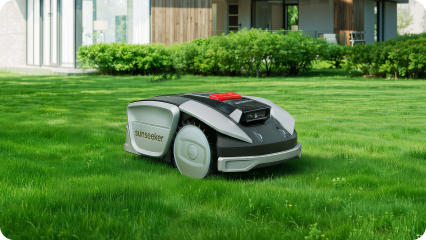
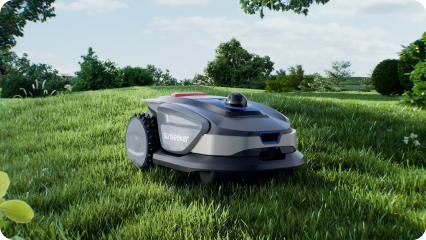
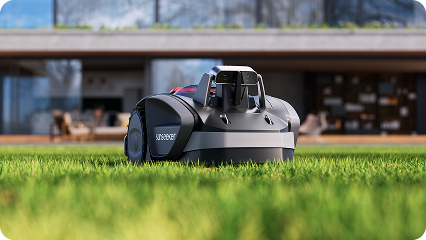
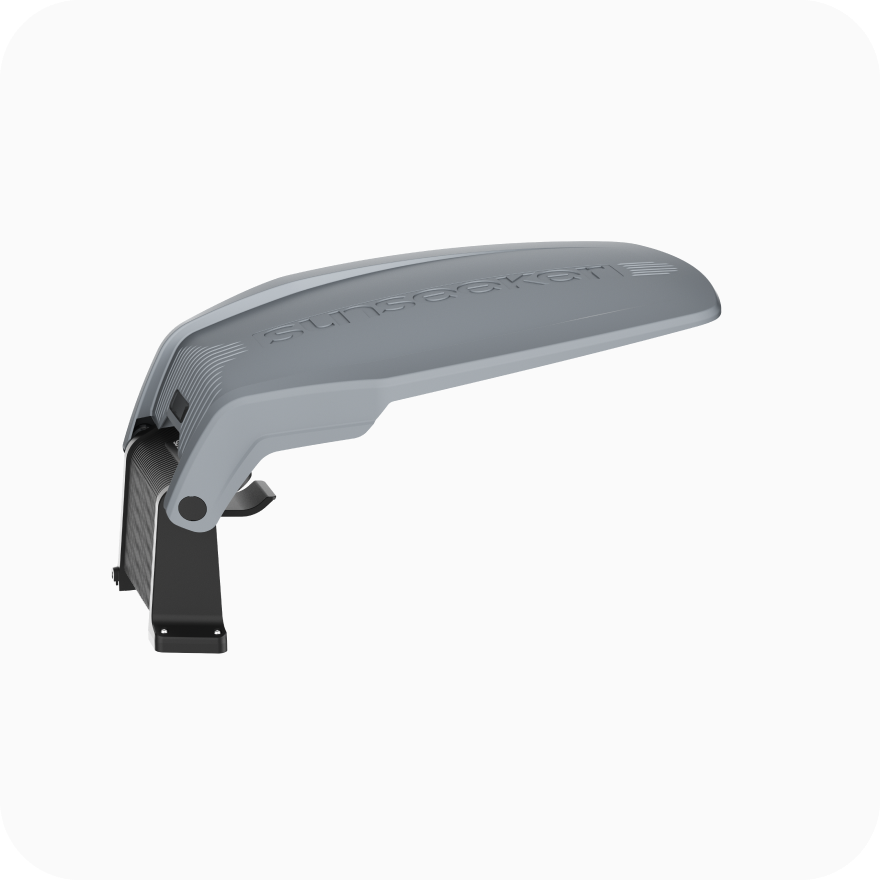
This matters with automated mowing too. A mower that follows planned routes and makes controlled turns can reduce repeated wheel movement over young turf. For example, the
Sunseeker S4 uses 3D LiDAR mapping to plan its mowing route, which can help it move through the lawn in a more consistent pattern rather than relying on random travel.
Common Mistakes to Avoid With New Grass
New grass can handle mowing once it is tall and well rooted, but it is still easier to damage than an established lawn. Avoid the following mistakes during the first few cuts.
1.Using a heavy mower on soft soil: If the ground is still soft, a heavy riding or zero-turn mower can leave ruts and press young roots into the soil. Use a lighter mower until the ground feels firm, and avoid sharp turns that twist the wheels against the turf.
2.Leaving thick clumps of clippings: Fine, dry clippings can usually stay on the lawn, but heavy or wet clumps can cover young grass and block light. Bag or rake up any clumps after mowing rather than leaving them sitting over seedlings.
3.Applying weed killer too soon: Many post-emergent herbicides can damage grass that has not fully established. Some labels require two to four mowings before treatment, while others use different waiting periods. Check the product label before applying any herbicide to a newly seeded lawn.
4.Cutting too much at once: Keep following the one-third rule during the first several cuts. If the grass has grown too tall, lower the mowing height gradually instead of trying to reach the final height in one pass.
Best Practices After Mowing New Grass
Knowing when to mow new lawn is only part of establishing healthy turf. After the first mow, gradually move away from frequent light watering and water more deeply so moisture reaches the developing root zone. Let the soil surface dry slightly between watering sessions, and adjust the schedule after rain or during hot weather.
Keep foot traffic light for the next few mowings, especially if the soil is still soft. Avoid applying weed killer until the grass has completed the waiting period listed on the product label, and do not add extra fertilizer unless the lawn actually needs it.
Continue mowing regularly with a sharp blade and follow the one-third rule. As the turf fills in and roots grow deeper, you can slowly shift toward a normal mowing and watering routine.
Conclusion
Knowing when to mow new grass is easier when you check three things: grass height, root strength, and soil firmness. Wait until the grass reaches about 8–10 cm, stays firmly rooted, and the ground can support the mower without leaving ruts.
Use a sharp blade and remove no more than one-third of the grass height. Once the lawn is well established,
robot lawn mowers can help maintain regular, light cuts and keep growth more even with less manual mowing.
FAQs
Does cutting new grass stimulate growth?
Yes, light mowing can help to thicken the grass once the grass has established an adequate root system to handle mowing. Removing the tips of the blades encourages lateral growth, resulting in a thicker lawn. If cut too early or too low, the grass will be weakened rather than assisted.
Is October too late to seed a lawn?
Whether you can successfully establish a new lawn in October will depend on the climate in your area. Typically, grass seed should have approximately 45 days of active growth prior to any significant frost. If the soil temperatures drop below 10 degrees Celsius before the seeds reaching maturity and hardening, the new grass seedlings will probably die over the winter.
What month are you not supposed to mow your lawn?
You should avoid mowing your grass from December to February in temperate locations, as grass is in a dormant state at that time. If you mow the crowns while the grass is dormant, you will shatter the blades, opening wounds that cannot heal and exposing your lawn to winterkill and aggressive pathogens like snow mold.
Should you bag or mulch clippings on the first mow?
Light, dry clippings can usually stay if they are finely cut and do not cover the new grass. If the first mow leaves long, wet, or heavy clumps, bag or rake them up so they do not shade or smother young seedlings. The goal is to keep the new lawn uncovered while it is still filling in.
How soon should you mow new grass again after the first cut?
Use the grass growth rate rather than a fixed number of days. Mow again when the lawn has grown enough that you can remove no more than one-third of the blade height and still stay within the recommended mowing range for that grass type. Continue using a sharp blade and avoid mowing while the soil is soft or wet.