What Is Lawn?
A lawn is a managed area of low-growing plants, usually turfgrass, kept short for walking, play, outdoor use, or appearance. Around homes, parks, schools, and businesses, the word usually refers to the maintained green ground cover.
A healthy lawn is more than grass blades above the soil. It includes the root zone, soil, water, nutrients, and regular care that keep the turf growing evenly and able to recover from mowing and light traffic.
A lawn does not have to contain one grass species. It may include a single turf type, a grass blend, or other low-growing plants, as long as the area is managed as a usable ground cover.
What Is the Difference Between Lawn, Grass, and Turf?
Lawn, grass, and turf are often used interchangeably, but they do not mean exactly the same thing. A quick comparison can make it easier to see what each term refers to and when to use it.
|
Term
|
Simple meaning
|
Care meaning for homeowners
|
|
Lawn
|
A managed area of short grass or low groundcover.
|
Think about the whole living surface: soil, roots, water, mowing, and use.
|
|
Grass
|
The plant growing in the lawn.
|
Choose species or seed mixes that match climate, light, soil, and traffic.
|
|
Turf
|
A dense grass surface, often installed as sod or managed for durability.
|
Turf may mean established lawn grass, sod rolls, or sports-style grass areas.
|
What Are the Main Types of Lawn Grass?
Lawn grasses are usually grouped by the climates and growing conditions they handle best. Knowing the
main types makes it easier to match grass to different regions and lawn needs.
|
Lawn Type
|
Common Examples
|
Best Conditions
|
Growth Pattern
|
Useful Reference
|
|
Cool-Season Grasses
|
Kentucky bluegrass, perennial ryegrass, tall fescue, fine fescue
|
Mild spring and fall weather, around 16–24°C
|
Strong growth in spring and fall; slows during hot, dry summers
|
Fescue and bluegrass are often kept around 8–10 cm, especially in hot weather
|
|
Warm-Season Grasses
|
Bermuda, zoysia, St. Augustine, centipedegrass, buffalo grass
|
Hot summer weather, around 27–35°C
|
Greens up in late spring, grows strongly in summer, and may go dormant in winter
|
Bermuda is often kept around 3–5 cm; St. Augustine around 8–10 cm
|
|
Sun and Shade Mixes
|
Often blends fine fescue with ryegrass or bluegrass
|
Lawns with both sunny and shaded areas
|
Different grasses perform better as light changes across the yard
|
Most turfgrass needs about 4–6 hours of direct or filtered light to stay dense
|
How Did Lawns Become Common?
Managed grass areas have existed for centuries, especially on European estates and open grounds where short turf created usable, visible space around buildings. Early lawns were difficult to maintain because keeping grass low required grazing animals or substantial hand labor.
During the 19th century, mechanical lawn mowers made short, even turf easier to maintain. As towns, parks, and residential neighborhoods expanded, lawns became more common around homes and public spaces. The modern lawn developed into both a practical surface for recreation and a familiar visual feature in landscape design.
Why Do People Maintain Lawns?
People keep lawns for practical and visual reasons. A lawn can make a yard easier to use, improve the look of a property, and support the soil when it is cared for responsibly.
Outdoor Living Space
A lawn gives people a flexible outdoor surface. It can be a place for children to play, dogs to relax, families to sit, or neighbors to gather. A level, well-kept lawn also makes simple tasks easier, such as setting up chairs or walking across the yard after light rain.
Curb Appeal
A healthy lawn helps a property look cared for before anyone reaches the front door. Curb appeal does not require a flawless carpet of grass. It comes from balance: clear edges, even height, fewer bare patches, and plants that suit the climate.
Soil Protection and Cooling
Lawn grass also protects the ground. Dense roots help hold soil in place during rain, and the grass canopy reduces direct sun on bare earth. On hot days, a planted lawn is usually cooler than concrete or asphalt because grass releases moisture through its leaves.
Water and Maintenance Trade-Offs
A lawn can also require regular mowing, irrigation, feeding, and weed control, especially when the grass is poorly matched to the local climate. In dry regions, large areas of uniform turf may use substantial water, while highly uniform lawns can offer less plant diversity than mixed planting. Homeowners can reduce these trade-offs by choosing climate-adapted grasses, keeping lawn mainly where it serves a practical purpose, or allowing compatible low-growing plants in suitable areas.
What Basic Care Does a Lawn Need?
The most useful
lawn care tips match mowing, watering, feeding, and pest control to the grass type, season, and actual condition of the yard.
Mowing
Mowing shapes how grass grows. Cut too low and the lawn can lose leaf area, dry out faster, and become thin. Let it grow too tall for too long and it may look uneven after a heavy cut. A useful rule is to remove no more than one-third of the blade in one mowing.
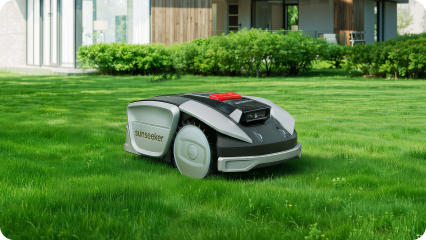
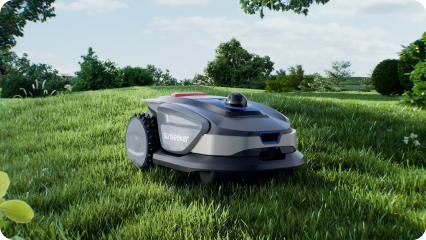
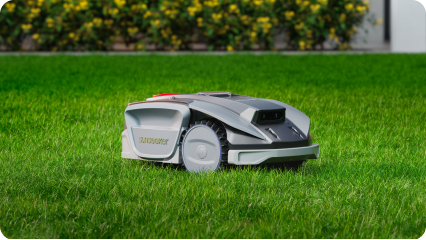
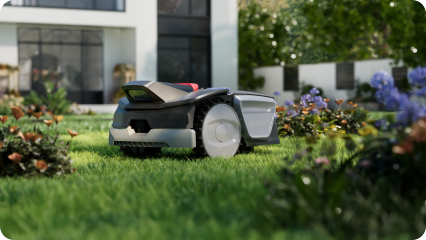
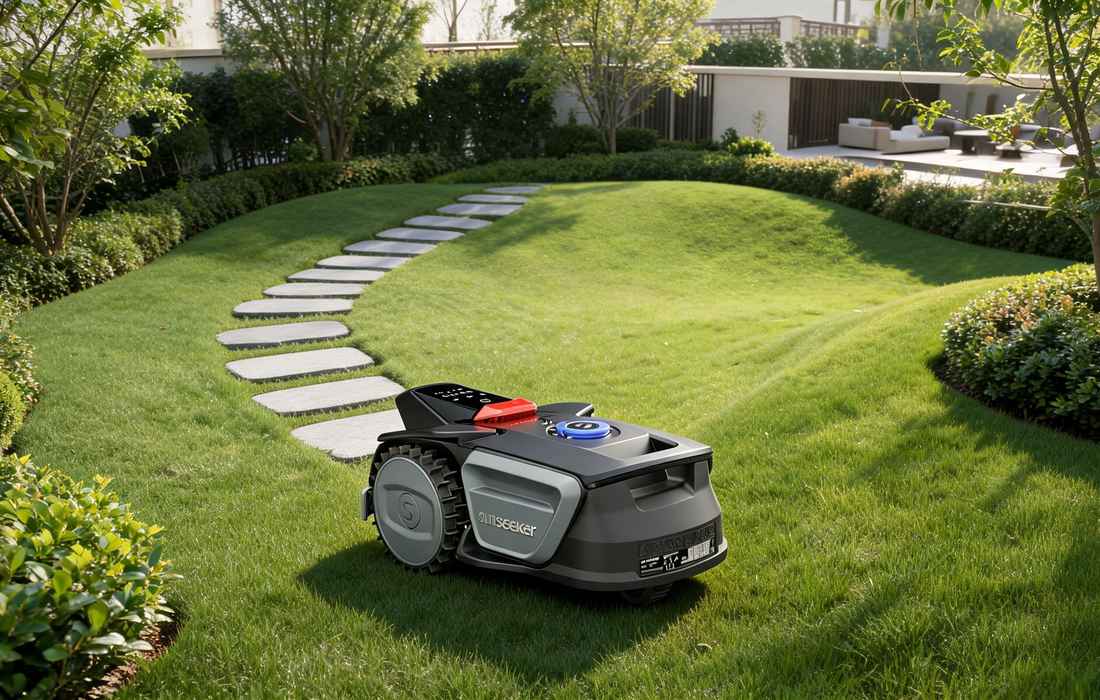
For small, established lawns that need a steady mowing rhythm,
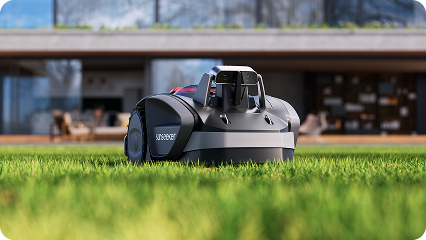
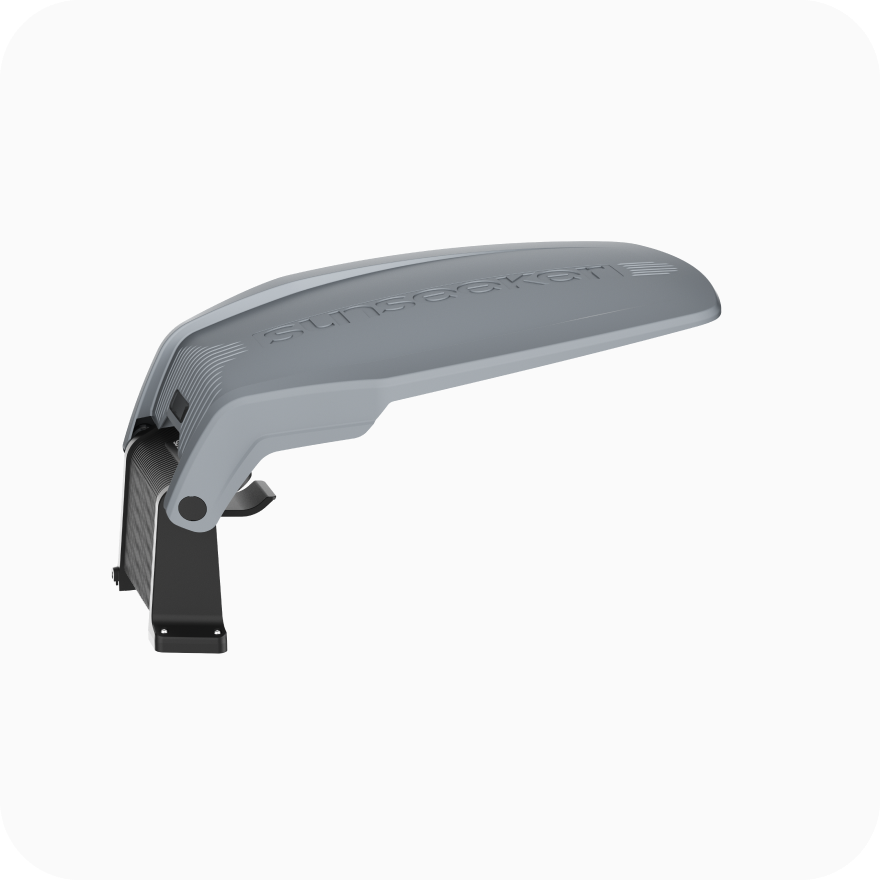
Sunseeker V1 supports a simple routine without boundary wires or mapping work. Its ReadyGo one-click mowing setup, Vision AI boundary recognition, and quiet 55 dB operation are designed for small gardens up to 300 m², helping keep growth even between regular care tasks.
Watering
Most established lawns need about 3-4 cm of water per week, including rainfall. Deep, less frequent watering usually works better than short daily watering because it encourages roots to search lower in the soil. Early morning is the safest watering time.
New seed needs lighter, more frequent moisture. Keep the top 13 mm of soil damp until germination, then slowly shift toward deeper watering as seedlings reach about 8 cm tall.
Fertilizing
Fertilizer supports color, root growth, and recovery, but more is not always better. A soil test is the best starting point because it shows pH and nutrient levels. Many lawns need nitrogen most often, while phosphorus and potassium should follow soil needs or label guidance.
Timing should match the grass type. Cool-season lawns often respond well to fall feeding, while warm-season lawns usually benefit most during active late spring and summer growth. Keep fertilizer off hard surfaces and avoid feeding before heavy rain.
Weed and Pest Control
Weeds and pests usually take advantage of weak spots. Thin grass, compacted soil, poor watering, and mowing too short can invite problems. Before using a treatment, identify the issue because crabgrass, clover, dandelions, grubs, and fungal disease need different responses.
Good prevention starts with dense grass. Overseed thin areas, fix drainage problems, reduce soil compaction, and keep mowing height suitable for the season. When treatment is needed, choose a product labeled for your grass type and the specific pest or weed.
Conclusion
Understanding what is lawn makes basic care much easier. A lawn is not just grass; it is a living surface shaped by soil, roots, water, sunlight, and routine maintenance. Once you know the difference between lawn, grass, and turf, you can choose better seed, mow at a healthier height, water with purpose, and fix problems early. For homeowners who want consistent mowing support, Sunseeker’s
Robot Mowers with Mulching Blades collection is a natural next step to explore as part of steady lawn care.
FAQs
Is a lawn the same as grass?
No. Grass is the plant, while a lawn is the managed area where grass or another low groundcover is grown and maintained. A lawn includes soil, roots, mowing, watering, nutrients, and use. Grass can grow wild, but a lawn is shaped through regular care.
What is the difference between a lawn and a garden?
A lawn is usually an open, low-growing surface used for walking, play, or visual space. A garden is planted with flowers, shrubs, vegetables, trees, or mixed ornamental plants. Many yards include both: the lawn creates open space, while the garden adds structure, color, food, or habitat.
How do you maintain a healthy lawn?
Maintain a healthy lawn with the right mowing height, deep watering, seasonal feeding, and quick repair of thin or bare areas. Most lawns also benefit from occasional aeration, overseeding, and soil testing. The best routine depends on grass type, climate, sun, drainage, and use.
Can a lawn contain clover or other plants?
Yes. A lawn is usually dominated by turfgrass, but it does not have to contain only grass. Clover and other low-growing plants can be part of a managed lawn if they suit the site and the way the space is used. Whether to keep them depends on appearance, foot traffic, mowing habits, and maintenance goals.
What is the difference between a lawn and a meadow?
A lawn is usually kept short through regular mowing and is managed for walking, play, appearance, or other everyday use. A meadow is typically allowed to grow taller, is cut less often, and usually contains a wider mix of grasses, flowers, and other plants. Both are planted green spaces, but their management and purpose are different.