Getting a lush, green lawn doesn’t have to be complicated. With the right lawn care tips, even beginners can turn a patchy yard into something healthy and great-looking. It really comes down to a few basics, like how to mow properly, when to water, and what your soil actually needs.
In this guide, you will find practical and easy-to-follow lawn grass care tips that actually work in real life. Whether you are just starting or looking to improve your routine, we’ve got you covered! Just read on to find effective strategies to build a thicker and greener lawn step by step.

How to Maintain a Healthy Lawn: 9 Effective Lawn Care Tips
If you're wondering how to get a green lawn, the key is to build small, consistent habits that support strong roots and healthy growth. A great lawn doesn't happen overnight, but with the right routine, it can gradually become thicker, greener, and more resilient. In this section, you can find effective lawn care tips for beginners.
Tip 1. Test and Amend Your Soil
One of the most important lawn care tips is to deal with your soil. Healthy grass always starts below the surface, which is why you should test the soil every year or two. You can use a simple DIY kit or send a sample to a local lab to check pH levels and nutrients like nitrogen, phosphorus, and potassium.
Most grasses thrive in soil with a pH between 6.0 and 7.0. If your soil is too acidic, apply lime gradually; if it’s too alkaline, sulfur helps bring it back into balance. Add compost for about 6-13 mm to improve structure, boost drainage, and support beneficial microbes. With healthier soil in place, roots can grow deeper and stronger, setting the foundation for a thicker, more resilient lawn.
Tip 2. Choose and Understand Your Grass Type
If you're starting with the basic question what is lawn and what type of grass makes up your yard, identifying your grass variety is an important first step. Knowing your grass type makes every other step easier and more effective. Cool-season grasses such as tall fescue, Kentucky bluegrass, and ryegrass grow best in cooler climates and stay most active during spring and fall. Warm-season grasses like Bermuda, Zoysia, and St. Augustine prefer heat and reach peak growth during summer months.
Take time to identify what’s already growing in your yard or select a type suited to your region. Each variety has different requirements for mowing height, watering, and fertilizing. When your grass matches your climate, it naturally grows thicker, handles stress better, and requires less effort to maintain throughout the year.
Tip 3. Mow Properly and at the Right Height
Mowing correctly is one of the essential lawn care tips. Always follow the one-third rule, meaning you should never remove more than one-third of the grass blade in a single cut. Cutting too much at once can stress the grass and leave it vulnerable to weeds and disease.
For best results, keep cool-season grasses around 65-100 mm tall and warm-season grasses between 25-75 mm. Mow regularly during peak growth so you are only trimming small amounts each time. Keep your mower blades sharp and rotate mowing patterns weekly to promote even growth and avoid soil compaction.

Tip 4. Water Deeply but Infrequently
Watering properly is one of the most important lawn grass care tips, yet it’s often misunderstood. Instead of watering lightly every day, focus on deeper watering sessions that total about 25-38 mm per week, including rainfall. This allows moisture to reach deeper into the soil where roots need it most.
Early morning is the best time to water, as it reduces evaporation and gives the grass time to dry before nightfall. Watch for signs like lingering footprints or curling blades to know when watering is needed. Deep watering encourages stronger root systems, making your lawn more resistant to drought and heat.
Tip 5. Fertilize Strategically Based on Season and Soil
Fertilizing works best when it’s done with intention rather than guesswork. Start by using soil test results to determine what nutrients your lawn actually needs. Choose a slow-release fertilizer with a balanced formula and apply about one pound of nitrogen per 1,000 square feet for steady, controlled growth.
For cool-season lawns, feed lightly in early spring for green-up, again in late spring, then heavily in early and late fall to build root reserves. Warm-season grasses get most of their fertilizer from late spring through summer. Avoid feeding during extreme heat for cool-season types; it can burn blades or create weak, lush growth that attracts pests.
Tip 6. Control Weeds and Pests Before They Take Over
One of the most important lawn care tips is keeping weeds and pests under control before they take over your yard. A thick, healthy lawn naturally crowds out weeds, but applying a pre-emergent herbicide in early spring and again in late summer can help prevent crabgrass and other annual weeds from germinating.
Check regularly for pests: pull up a small section of sod to look for white C-shaped grubs, or watch for yellowing patches that might indicate chinch bugs. If pests appear, use targeted treatments or beneficial nematodes instead of blanket sprays.
Tip 7. Aerate Your Lawn Annually
Over time, soil can get compacted from foot traffic, mowing, or heavy clay, which makes it harder for air, water, and nutrients to reach your grass roots. In this case, core aeration is one of the essential fall lawn care tips to follow.
Core aeration helps by pulling out small plugs of soil, loosening the ground, and encouraging healthier growth. You can rent a machine or hire a service, and make sure the soil is moist but not soggy.
After aerating, leave the plugs on the surface so they break down naturally and enrich the soil. Follow up with overseeding and a light layer of fertilizer to help new grass fill in quickly.
Tip 8. Overseed and Repair Bare or Thin Spots
Thin or patchy areas create opportunities for weeds to take hold, so overseeding is a key way to keep your lawn dense and uniform. For cool-season grasses, early to mid-fall is the best time when the soil is still warm but nights are cooler. Warm-season grasses do best with late spring or early summer seeding. Choose a seed that matches your existing lawn, spread 5-10 pounds per 1,000 square feet, and lightly rake it in.
Keep the soil consistently moist for the first 2-3 weeks, watering each day gently until seedlings establish. Small bare spots can also be repaired with sod plugs, seed plus starter fertilizer, or a repair mix. Doing this every year or two prevents thinning, strengthens your turf, and ensures a thicker and healthier lawn overall.
Tip 9. Use a Reliable Lawn Mower
A reliable lawn mower is a must for maintaining a healthy lawn, which is often highlighted in spring lawn care tips. It helps you keep the grass at the proper height while following the one-third rule. Clean, consistent cuts reduce stress on the grass, lower the risk of disease, and help prevent weeds from taking over.
Here, the Sunseeker S4 robotic mower makes lawn care feel easy. It uses AI-powered 3D LiDAR and vision sensing to map your yard quickly and move around obstacles with confidence. You can manage multiple zones right from the Sunseeker app, which keeps everything simple. Its smart path planning creates clean, consistent mowing lines, even on irregular lawns. A patented floating system adjusts as it moves, delivering smooth, even cuts that are gentle on your grass every time.
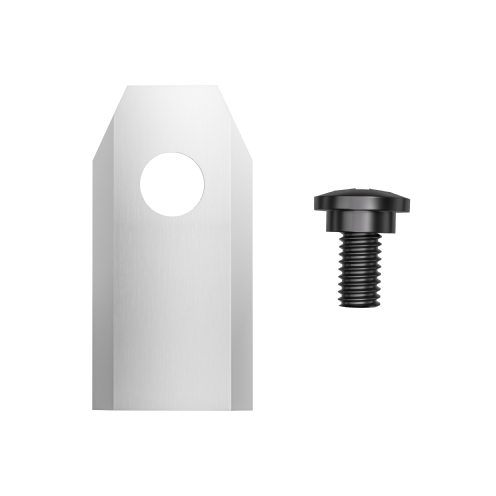
To keep your S4 running at peak performance and achieve clean, tear-free cuts, pair it with the official S Series Blade Set . The high-carbon steel blades stay sharp and durable, clipping precisely without harming grass tips. It’s the perfect companion for maintaining a healthy, even lawn with minimal effort.
Conclusion
From testing soil and mowing at the right height to watering deeply and fertilizing strategically, all these lawn care tips are essential for strong roots and thick, uniform grass. Ready to make mowing effortless and precise? The Sunseeker S4 robotic mower is a game-changer, offering professional results and helping busy homeowners maintain a perfect lawn effortlessly!
FAQs
What is the best lawn care routine?
The best routine adapts to your grass type and local seasons while staying consistent year-round. Start with annual soil testing to guide lime, sulfur, or compost applications. Mow frequently at the proper height, water deeply about 25-38 mm per week, and aerate once a year. It’s also important to apply pre-emergent in spring and fall, spot-treat weeds early, and overseed thin areas annually.
How to maintain the perfect lawn?
Keeping your lawn looking great is about doing a few things right. Mow with the one-third rule and water less often but more deeply, so roots grow strong. Moreover, fertilize according to your soil type, aerate once a year, and control weeds and pests promptly. Combine these tips, and you’ll get a thick, healthy lawn year after year.
How can I improve my lawn quickly?
For fast visible improvement, core aerate to open up compacted soil and improve nutrient/water access, then immediately overseed thin/bare areas. Add starter fertilizer high in phosphorus to encourage strong roots. Keep the soil consistently moist for 2-3 weeks, and tackle any weeds you see. With good care, you can often see greener grass in 4-8 weeks.
What is the most common mistake seen when treating lawns?
The biggest stake is mowing too short, or scalping, which weakens grass and encourages weeds. Cutting below recommended heights shocks plants and produces shallow roots. Stick to the one-third mowing rule.
Frequent and shallow watering makes the problem worse, leaving the grass vulnerable to heat, drought, and disease while letting the soil dry out.