The grass that thrives in a sunny front yard may struggle badly under trees or along a busy path. Shade, foot traffic, soil, rainfall, and summer heat all shape how well a lawn holds up, so choosing by appearance alone can lead to more reseeding and repair later.
The best types of lawn are the ones that match the conditions you already have. This guide compares common grass types, the situations they handle best, and the care they need once established. A better match at the start usually means less fixing later.
12 Main Types of Lawn Grass
To choose the best lawn grass for your yard, it helps to understand the different grass varieties available. Each type has unique characteristics, growing conditions, and maintenance needs, making some better suited for specific climates, sunlight levels, and overall lawn goals.
|
Lawn Type
|
Climate / Conditions
|
Best For
|
Main Trade-Off
|
|
Tall Fescue
|
Cool-season; some heat tolerance
|
Traffic, transition zones, deeper roots
|
Needs regular mowing
|
|
Kentucky Bluegrass
|
Cool-season; full sun
|
Dense, attractive home lawns
|
Needs more water; weaker in shade
|
|
Perennial Ryegrass
|
Cool-season
|
Fast establishment, active lawns
|
Higher mowing and feeding needs
|
|
Fine Fescue
|
Cool-season; shade
|
Shady, low-maintenance lawns
|
Poorer under heavy traffic
|
|
Bentgrass
|
Cool-season
|
Very fine, smooth turf
|
Very high maintenance
|
|
St. Augustine
|
Warm-season; sun to partial shade
|
Shady southern lawns, coastal areas
|
Low traffic tolerance; regular care
|
|
Buffalo Grass
|
Warm-season; dry, sunny areas
|
Low-water, low-maintenance lawns
|
Weak in shade and heavy traffic
|
|
Bermuda Grass
|
Warm-season; full sun
|
Heat, drought, active yards
|
Fast growth means more upkeep
|
|
Centipede Grass
|
Warm-season; humid areas
|
Simple, low-fertilizer lawns
|
Needs steady moisture
|
|
Zoysia Grass
|
Warm-season
|
Heat, drought, foot traffic
|
Slow to establish
|
|
Bahia Grass
|
Hot, dry, poor-soil conditions
|
Tough sites and erosion control
|
Less uniform appearance
|
|
Dichondra
|
Warm areas; partial shade
|
Low-mow decorative lawns
|
Poor under heavy traffic
|
Cool-Season Grass Types
Cool-season grasses grow best in regions with cold winters and mild summers. They typically stay green longer during cooler months.
1.Tall Fescue
Tall fescue is a cool-season grass known for its durability and adaptability. It performs well in both cooler regions and warmer transition zones due to its moderate heat and drought tolerance. Growing in clumps, it develops deep roots that help it recover from wear, making it ideal for high-traffic lawns. While it needs regular mowing, it requires less water and fertilization than many other cool-season grasses.
2.Kentucky Bluegrass
Kentucky bluegrass is a classic cool-season grass widely used in northern lawns. It forms a dense, lush turf with a soft texture, making it highly attractive for residential landscapes. Thanks to its spreading rhizomes, it can repair itself and handle moderate foot traffic. However, it performs best in full sun and cooler climates, as it has lower drought tolerance and may struggle in shaded areas without consistent watering.
3.Perennial Ryegrass
A popular choice among cool-season grasses, perennial ryegrass stands out for its quick germination and fast growth. It establishes rapidly, helping to crowd out weeds and create a dense lawn. Its shiny, deep green blades give lawns a vibrant appearance, though it may leave a slightly pale cast after mowing. Suitable for moderate to heavy use, it does require consistent mowing, watering, and fertilization to maintain its overall health and appearance.
4.Fine Fescue
Fine fescue refers to a group of cool-season grasses, including red, chewings, hard, and sheep fescue, known for their very fine, needle-like blades. These grasses perform especially well in cooler climates and shaded areas where other types may struggle. They prefer well-drained, sandy soils and require minimal maintenance, making them a practical choice for low-input lawns. However, fine fescues are less tolerant of heavy foot traffic and may not handle heat or drought as effectively as other cool-season grasses.
5.Bentgrass
Bentgrass stands out for its fine texture and exceptionally smooth finish. It spreads through surface runners, allowing it to form a tight, uniform turf even when cut very short. While visually appealing, this cool-season grass demands constant care, including frequent mowing, watering, and regular treatments. Because of its high maintenance needs, it is rarely used for typical home lawns despite its premium appearance.
Warm-Season Grass Types
Warm-season grasses thrive in hot climates and grow most actively during summer.
6.St. Augustine Grass (Floratam)
St. Augustine grass is a warm-season favorite in coastal and southern regions. It features broad, coarse blades and spreads through above-ground stolons, creating a dense, fast-growing lawn. Known for its excellent shade tolerance, it also performs well in full sun. While it handles heat and salt exposure effectively, it requires regular watering, mowing, and fertilization. This grass is best suited for low-traffic areas and struggles in colder climates.
7.Buffalo Grass
Buffalo grass is a warm-season option known for its excellent drought tolerance and minimal care requirements. It spreads horizontally, forming a soft, natural-looking lawn that thrives in dry regions and clay soils. Often used in low-water landscapes, it needs infrequent mowing and little fertilization. However, it performs best in full sun and low-traffic areas, as it has limited tolerance for shade and heavy foot use and may turn brown during winter dormancy.
8.Bermuda Grass
If you need a tough, sun-loving lawn, Bermuda grass is a strong contender among warm-season types. It grows quickly and spreads through both above- and below-ground runners, creating a dense, resilient surface ideal for active yards. Common in southern climates, it thrives in full sun and tolerates heat and drought well. However, this vigorous growth comes with higher maintenance needs, requiring regular mowing, fertilizing, and care to keep it neat and under control.
9.Centipede Grass
For homeowners seeking a simple, easy-care lawn, centipede grass is a reliable warm-season choice. It grows slowly and spreads through surface runners, creating a neat, uniform look with minimal mowing. Well-suited to the humid areas, it tolerates low-fertility soils better than many grasses. While it needs less fertilizer, it still requires consistent moisture to stay healthy.
10.Zoysia Grass
Zoysia grass is a warm-season variety valued for its dense, carpet-like growth and strong tolerance to heat, drought, and foot traffic. It creates a thick lawn that stays green through hot conditions. However, it grows slowly and may take time to establish fully. Its stiff, slightly prickly blades can feel coarse underfoot, and it tends to turn brown when temperatures drop in colder seasons.
Other Lawn Options
These grasses are often chosen for specific landscaping needs or unique growing conditions.
11.Bahia Grass
Bahia grass is a tough, warm-season option often used in coastal and southern regions where conditions are challenging. It thrives in full sun, tolerates heat, drought, and poor soil, and develops deep roots that improve erosion control. While it germinates slowly, it forms a durable lawn over time. This grass is easy to maintain, though it may appear less uniform and can be vulnerable to weeds during early establishment.
12.Dichondra
Dichondra is a popular alternative to traditional grass, especially in warm regions. It forms a dense, carpet-like lawn with small, rounded leaves and grows well in partial shade. While it requires occasional fertilization, it needs less mowing than typical grass. However, it doesn’t tolerate heavy foot traffic well and may struggle in compacted soil or very cold conditions.
Transition-Zone Lawns
The transition zone sits between the cooler North and the warmer South, so lawns there must handle both summer heat and winter cold. Tall fescue is common because it tolerates heat better than many cool-season grasses, while Zoysia or Bermuda may suit warmer, sunnier sites. Local winter lows, summer heat, sunlight, irrigation, and maintenance expectations should guide the final choice.
How to Choose the Right Lawn for Your Yard
Choosing the right grass becomes much easier when you break it down into a few key factors. If you are looking at your existing yard and wondering what type of lawn grass do i have, checking its growth pattern, blade shape, and seasonal behavior can help you identify it before deciding whether to keep it or choose a different variety.
- Climate: If you are starting with the basic question what is lawn and what makes one lawn different from another, climate is one of the most important factors to understand. Start by matching grass to your region. Cool-season grasses perform best in northern areas, while warm-season varieties thrive in hotter southern climates.
- Sunlight: Evaluate how much sun your yard gets. Shady areas do better with grasses like tall fescue or St. Augustine, while full-sun lawns suit Bermuda or Kentucky bluegrass.
- Drought Tolerance: If you live in a dry area, choose grasses like Bermuda or buffalo grass that need less water. Others may require frequent irrigation to stay healthy.
- Foot Traffic: For active yards, choose durable grasses such as perennial ryegrass or Zoysia. Low-traffic lawns can use softer, less wear-resistant types.
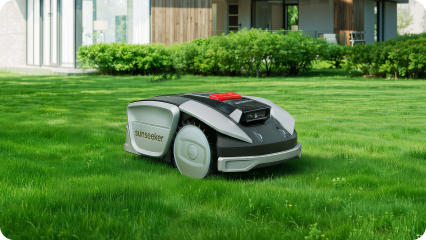
- Maintenance Level: Consider how much time you want to spend on lawn care. Some grasses need frequent mowing and feeding, while others stay healthy with minimal upkeep. For homeowners who want to simplify upkeep, using a reliable mower like the Sunseeker S4 can make regular maintenance much easier. It helps keep your lawn neat and healthy without requiring too much time or effort.

How to Identify What Type of Grass You Have
You can often narrow down an existing lawn by comparing a few visible traits instead of relying on color alone. Look at the blade, texture, growth habit, spreading structures, and the season when the grass grows most actively, then confirm the likely match against your climate and local guidance.
- Blade Width and Shape: Fine fescues have narrow, needle-like blades, while St. Augustine has much broader, coarser leaves. Blade tips and overall width can quickly narrow the possibilities.
- Color and Texture: Compare whether the turf is light or deep green and whether the blades feel soft, wiry, stiff, or coarse. Texture is most useful when combined with other traits.
- Growth Habit: Some grasses grow in bunches, while others spread and knit together across the soil. Tall fescue is mainly bunch-forming, while Bermuda and Zoysia spread more aggressively.
- Stolons and Rhizomes: Check for runners above the soil or underground stems. Visible stolons or spreading rhizomes can help separate spreading grasses from bunch-type lawns.
- Seasonal Growth Pattern: Cool-season grasses are most active in cooler spring and fall weather, while warm-season grasses peak during summer and may turn brown when temperatures drop.
Conclusion
Now that you understand the different types of lawns, it’s time to choose the one that fits your yard best. Begin by considering your climate, sunlight, and how you use your outdoor space, then match those factors with a grass type that fits your maintenance preferences. With the right choice, you can enjoy a lawn that looks great, performs well, and stays manageable year-round. To make upkeep even easier, pairing your lawn with a high-performance mower like the Sunseeker S5 can help maintain a consistently neat, well-manicured finish with less effort.
FAQs
What is the best low maintenance grass?
The best low-maintenance grass depends on your climate. In cooler areas, grasses like fine fescue need less mowing and care. In warmer regions, options such as buffalograss, centipedegrass, and Zoysia are easier to manage. In areas with mixed conditions, using a combination of grass types can help keep maintenance simple while adapting to seasonal changes.
Which grass is good for landscaping?
For landscaping, Bermuda grass and St. Augustine grass are both excellent choices. Bermuda grass is ideal for sunny areas, offering strong durability, drought tolerance, and a neat, dense appearance. St. Augustine grass works well in both sun and partial shade, with broad blades that create a lush look. Your choice depends on sunlight, traffic, and how much maintenance you’re willing to handle.
Can you mix different lawn types in one yard?
Yes, you can mix different lawn types in one yard, and it can be beneficial when done correctly. Using different grasses for sun and shade areas helps each section thrive, for example, shade-tolerant grasses in low light and sun-loving varieties in open spaces. This approach can improve overall resilience, but careful planning is important to avoid uneven growth and inconsistent appearance.
What type of grass is best for a shady lawn?
Fine fescue is often a strong choice for shade in cool-season regions, while St. Augustine is one of the more shade-tolerant warm-season grasses. Tall fescue can also perform well in partial shade. No turfgrass thrives in very deep shade, so climate, daily sunlight, and moisture conditions still need to match the grass you choose.
What type of grass is best for dogs and heavy foot traffic?
For active yards, choose a grass that matches your climate and can recover from repeated wear. Bermuda is a durable option for warm, sunny regions, while Zoysia also handles traffic well once established. In cooler climates, tall fescue and perennial ryegrass are common choices for family lawns, pets, and regular foot traffic.