Dead grass and old stems can slowly build up between the green blades and the soil. When this layer gets too thick, water and air have a harder time reaching the roots, and the lawn may start to feel soft or grow unevenly.
In this blog, you’ll learn what is dethatching lawn, how to tell when thatch has become a problem, the best time to remove it, and how to care for the grass afterward so it can grow back evenly.
What Is Dethatching Lawn?
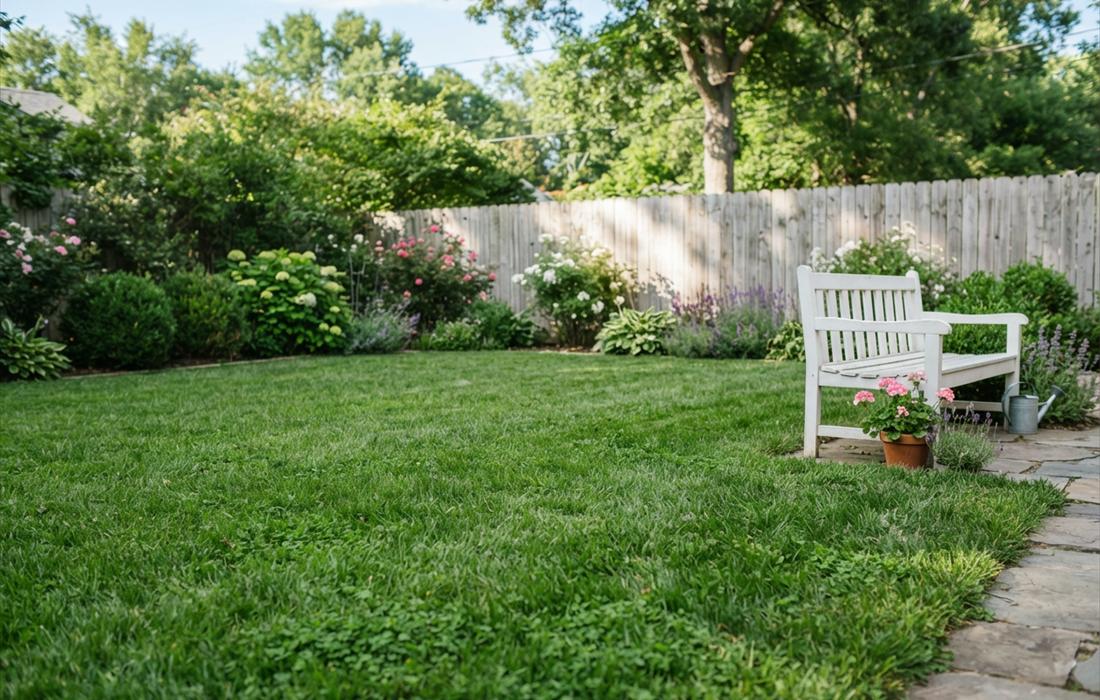
Dethatching lawn means removing excess thatch with a rake, dethatching machine, vertical mower, or power rake. The goal is to open the surface so water, oxygen, nutrients, and seed can reach the soil instead of sitting on a tight layer of old plant material.
Thatch removal is different from normal raking. A leaf rake mainly clears surface debris. A dethatching rake or machine cuts into the matted layer below the grass canopy. It pulls out old stems, runners, roots, and clippings that have built into a spongy mat. The lawn can look rough at first because brown material comes to the surface.
A healthy lawn does not need aggressive dethatching just because it has a little organic matter. A thin thatch layer can soften foot traffic, protect crowns, and reduce temperature swings at the soil surface. The job becomes useful when the layer blocks movement into the soil. Start paying attention when thatch is near 13 mm deep, and plan corrective work when it is clearly above that level.
What Is Lawn Thatch?
Lawn thatch is the brown, fibrous layer between the green grass blades and the soil. It is made mostly of slow-decomposing grass parts such as stems, crowns, surface roots, stolons, and rhizomes. Fresh grass clippings are not usually the main cause, especially when mowing is frequent and the clippings are short enough to break down quickly.
Thatch builds up when organic material is produced faster than soil microbes can decompose it. This can happen in compacted soil, poorly drained areas, heavily fertilized turf, acidic soil, or lawns treated in ways that disturb soil life. Some grasses also create thatch readily because they spread with runners, including Kentucky bluegrass, Bermudagrass, and zoysiagrass.
The amount matters more than the presence of thatch itself. Less than about 13 mm is usually manageable. A layer near 19 mm can act like a barrier. Water may run off, fertilizer may stay above the roots, and shallow roots may grow into the thatch instead of anchoring in soil.
Why Is Dethatching Important for Lawn Health?
Excess thatch quietly changes how the whole lawn functions. It can make regular watering, feeding, overseeding, and mowing less effective because the treatment never reaches the place where roots need it.
Dethatching is most useful when it solves a real barrier problem. The benefits are strongest when grass is actively growing and the soil below can support quick recovery.
Better water movement: Thick thatch can shed water or hold it above the soil. Removing the excess helps irrigation and rain soak into the root zone.
Improved oxygen exchange: Grass roots need air as well as moisture. Opening the surface supports root activity and microbial breakdown of organic matter.
More effective fertilizing: Fertilizer works best when it reaches soil and roots. If granules sit in dry thatch, feeding can become uneven.
Stronger overseeding results: Seed needs soil contact. Dethatching before overseeding can expose more soil, so new seed has a better place to settle and germinate.
Less disease-friendly moisture: A dense surface layer can hold humidity around crowns and stems. Removing it improves drying at the grass base.
Deeper rooting over time: When water and nutrients reach soil, roots have more reason to grow downward.
How Do You Know If Your Lawn Needs Dethatching?
The best way to decide is to inspect the lawn before using a dethatcher. A lawn can look thin because of drought, shade, pests, disease, poor soil, or wrong mowing height, so do not assume thatch is the only cause.
Use a simple depth check and compare it with how the lawn behaves after watering or feeding. If several signs appear together, dethatching may help.
Thatch Depth Test
Cut a small wedge of turf about 5 to 8 cm deep with a trowel or soil knife. Look at the cross-section. The thatch layer is the brown, spongy band above the soil and below the green growth. Measure that band with a ruler. If it is under 13 mm, leave it alone and focus on mowing, watering, and soil health. If it is above 13 mm, especially near 19 mm, dethatching may be useful.
Spongy Grass Surface
A lawn with too much thatch often feels soft, bouncy, or loose underfoot. Your mower wheels may sink slightly into the surface, and footprints may stay visible longer than expected. This spongy feel happens because the grass crowns are sitting on a mat instead of a firm soil surface. Check several spots, because one soft area may also point to drainage problems or animal activity.
Poor Water and Fertilizer Absorption
Another warning sign is poor response after normal care. Water may bead up, run across the surface, or take a long time to soak in. Fertilizer may create uneven color because some zones receive nutrients and others do not. Seed may sprout poorly because it sits on dead material instead of touching soil. When these symptoms appear with a thick thatch measurement, dethatching is worth planning.
How to Dethatch?
Use active growth to decide when to dethatch a lawn: the grass should be healthy enough to recover, not dormant, heat-stressed, frozen, or muddy.
For cool-season grasses, early fall is often the safest timing because soil is warm, weeds are less aggressive, and roots can rebuild before winter. Spring can work for light thatch, but avoid early spring if the soil is wet. For warm-season grasses, dethatch in late spring or early summer after full green-up, when daytime temperatures are often around 21 to 29°C and the grass is growing strongly.
Step 1. Mow the Lawn Shorter Than Usual
Mow one notch lower than your normal setting before dethatching, but do not scalp the grass. The goal is to let the rake or machine reach the thatch layer without tearing healthy crowns. Bag or collect heavy clippings so the dethatcher does not drag extra debris across the surface. If the lawn is very dry, water lightly one or two days before the job so the soil is slightly moist, not soggy.
Step 2. Choose the Right Dethatching Tool
For small lawns or light thatch, a manual dethatching rake gives good control. It is slow but gentle enough for spot work. For larger lawns, a power rake or dethatcher is faster. Set the machine shallow at first. The tines should pull thatch, not dig deeply into soil. If the first pass barely removes anything, adjust slightly lower and test again in a small area. If the job involves deeper cutting through heavy moss or matted growth, review what scarifying a lawn is before choosing the machine and depth setting.
Step 3. Work in Even Passes
Move across the lawn in steady lines, then check how much material comes loose. For severe thatch, a second pass at a right angle may be needed, but avoid repeated passes on weak, thin, or drought-stressed grass. The lawn may look rough afterward because old material has been pulled open.
Step 4. Rake Debris and Overseed Thin Areas
After dethatching, rake up loose thatch thoroughly. Leaving piles behind can smother the grass you just opened. Compost only clean organic debris that is free of herbicide concerns, weed seeds, and disease problems. If bare or thin patches appear, overseed while soil is exposed. Use a grass type suited to your climate, sunlight, and lawn use. Lightly cover seed with compost or topsoil, then keep the surface consistently moist during germination.
Step 5. Water and Feed During Recovery
Water deeply enough to settle the lawn after dethatching, then keep the root zone evenly moist as grass recovers. Avoid heavy nitrogen immediately before harsh heat. A starter fertilizer can help overseeded areas if a soil test or product label supports it. Wait until new grass is tall enough and the surface is firm before mowing again.
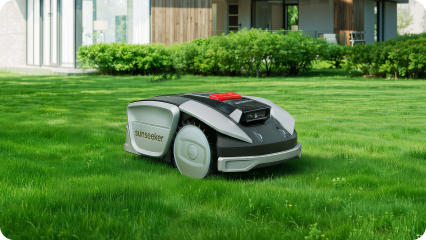
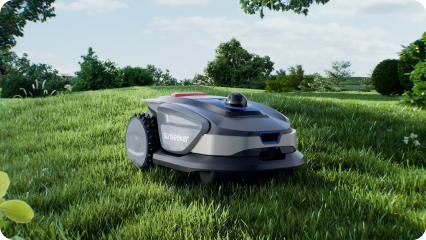
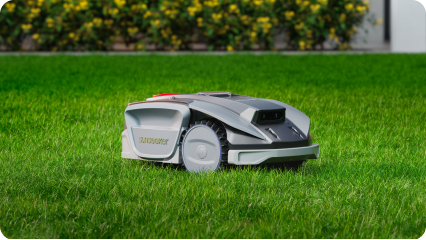
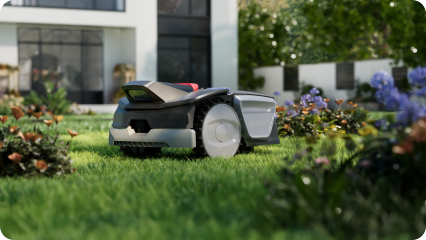
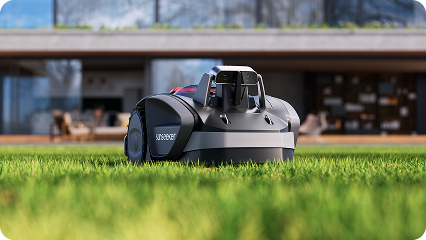
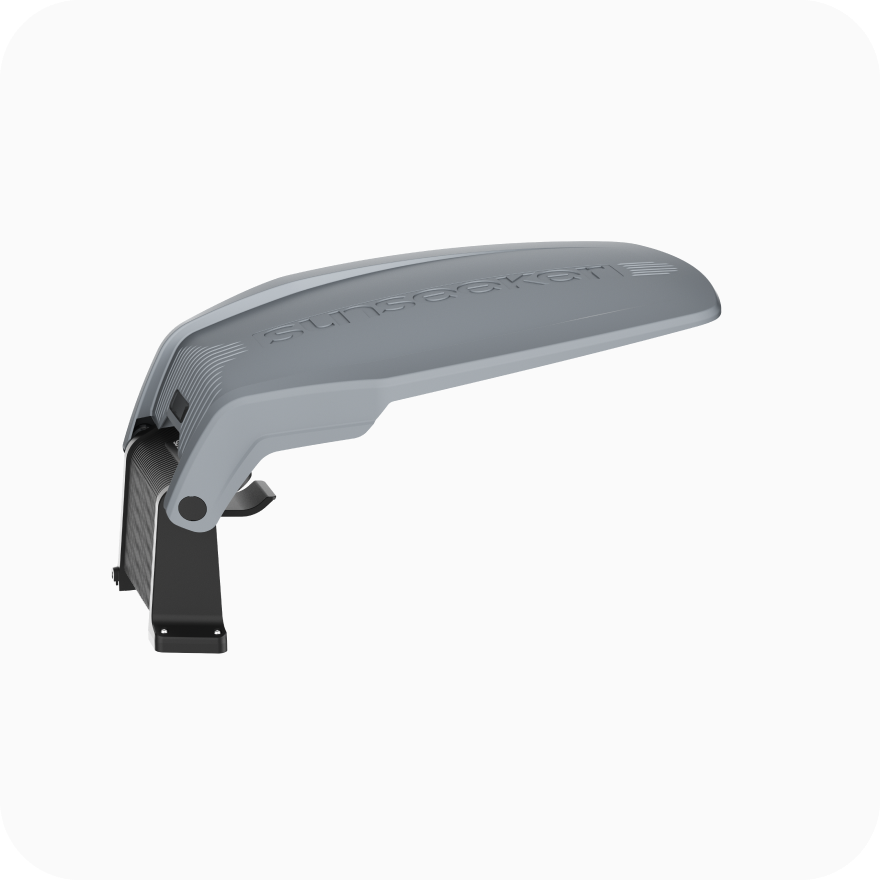
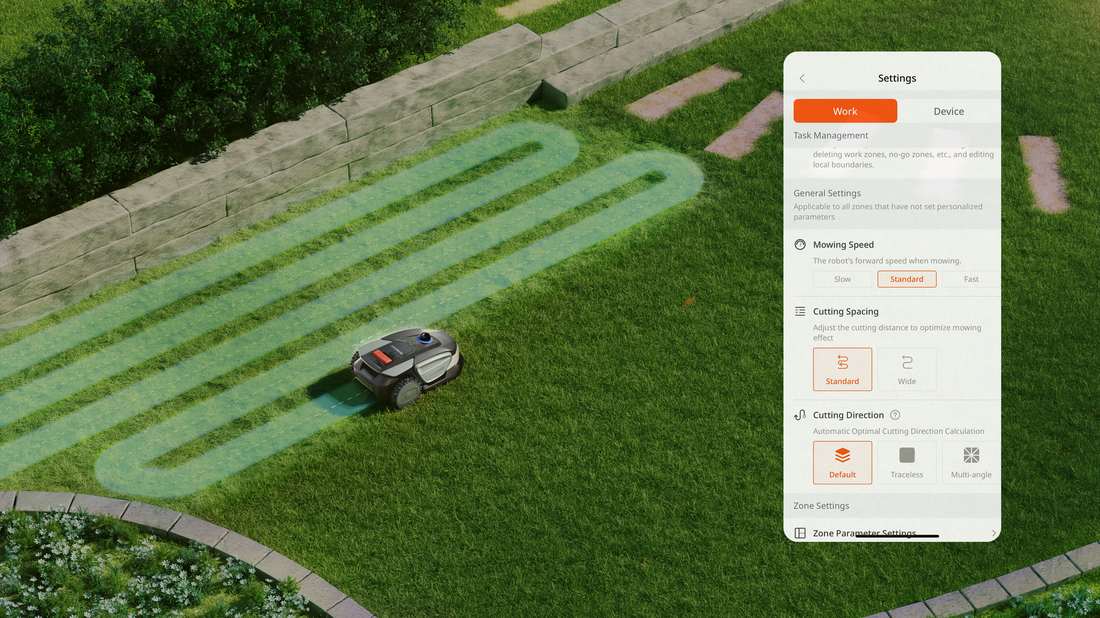
Once the lawn has recovered and is ready for regular mowing, Sunseeker S4 can help keep the surface consistent after dethatching. Its 360° 3D LiDAR plus AI Vision supports wire-free mapping and obstacle awareness, while the 20-60 mm cutting-height range lets homeowners match regular cuts to seasonal grass needs. For lawns up to 1000 m², that kind of steady routine helps the grass stay even as roots rebuild and new growth fills in.
Conclusion
Dethatching is useful when a thick, matted layer is blocking water, air, fertilizer, or seed, but it should begin with a simple thatch-depth check. Work during active growth, remove the loosened debris, and support recovery with watering, overseeding, and careful mowing. For long-term care after the lawn settles, exploring Robot Lawn Mowers without Perimeter Wires can help make routine mowing easier and more consistent.
FAQs
Is dethatching good for your lawn?
Dethatching is good for your lawn when excess thatch is actually present. If the layer is thicker than about 13 mm, removal can improve water movement, airflow, fertilizer contact, and seed-to-soil contact. If thatch is thin, dethatching can create unnecessary stress, so test before you start.
Do I need to dethatch my lawn?
You may need to dethatch if the lawn feels spongy, water runs off instead of soaking in, fertilizer response is uneven, or a turf sample shows a thatch layer above 13 mm. You likely do not need it every year. Many lawns do better with proper mowing, watering, soil testing, and aeration when needed.
What is better for lawn dethatching or aerating?
Dethatching removes the matted organic layer above the soil. Aerating opens compacted soil with small holes or plugs. If your problem is thick thatch, dethatching is the direct fix. If the soil is hard, water pools, or roots cannot grow deeply, aeration is usually the better first step.