What Is Lawn Thatch?
Lawn thatch is a layer of organic matter that naturally forms between the grass and the soil. It consists of living and dead grass stems, roots, and other plant debris that haven't fully decomposed. A thin thatch layer of 1.3 cm or less is normal and can even help retain moisture and protect the soil.
However, when it becomes thicker than 1.3 cm, it can block water, air, and nutrients from reaching the roots. As a result, your lawn may develop weak roots, brown patches, thinning grass, and become more susceptible to pests and diseases. If your lawn feels spongy underfoot, excessive thatch may be the cause.
When Should You Dethatch Your Lawn?
The success of dethatching depends as much on timing as on technique. So, when is the best time to thatch your lawn? The answer varies based on your grass type, growing season, and local weather conditions.
Best Time for Cool-Season Grass
For cool-season grasses, such as Kentucky bluegrass, fescue, and ryegrass, early fall is the best time to dethatch because the grass is actively growing and can recover quickly.
-
Best time: Late summer to early fall (August through September)
-
Latest timing: No later than 3–4 weeks before the first frost
-
Second-best option: Early spring, after the second mowing and before sustained summer heat or drought stress begins.
Fall is also an excellent time to aerate and overseed, helping your lawn recover and grow thicker after dethatching.
Best Time for Warm-Season Grass
Knowing when to thatch lawn with warm-season grasses can make a big difference in recovery. Bermudagrass, Zoysiagrass, and St. Augustinegrass should be dethatched when they are actively growing, which is typically late spring to early summer.
-
Best time: Late spring to early summer
-
Start dethatching: A couple of weeks after green-up or after the second mowing
-
Avoid: Early spring before active growth and periods of peak summer heat, drought, or other turf stress.
Dethatching during active growth allows warm-season grass to recover faster and fill in bare areas more effectively.
What About Transition-Zone Lawns?
Transition-zone timing should follow the dominant grass type rather than location alone. Cool-season turf usually fits the early-fall window, while warm-season turf is better dethatched after full spring green-up. In either case, wait for active growth and leave enough recovery time before seasonal heat, drought, frost, or dormancy.
How Do You Know If Your Lawn Needs Dethatching?
A small amount of thatch is normal. The lawn usually needs attention when the layer becomes thicker than about 1.3 cm and starts affecting water movement or grass growth.
To check it, cut out a small section of turf about 5–10 cm deep and look at the brown layer between the green grass and the soil. If it measures more than 1.3 cm, dethatching may be useful. This is the clearest way to understand
what lawn dethatching is and when it is actually needed.
Other signs of excess thatch include:
-
A soft or spongy feel underfoot
-
Water running off instead of soaking in
-
Thin or patchy grass despite normal care
-
Turf staying wet for a long time after rain
How to Dethatch a Lawn
Once you’ve confirmed that the thatch layer needs removal, follow these steps to dethatch the lawn properly and help it recover faster.
1.Mow the lawn short. Cut the grass to about half its normal height to expose the thatch layer.
Tip: If you regularly maintain your yard with
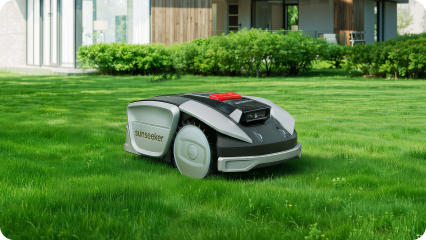
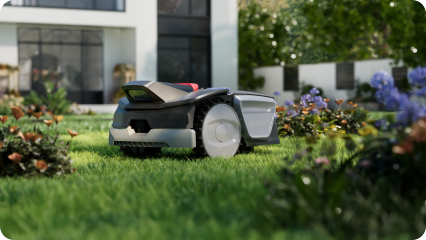
GPS Robot Mowers, you'll still need to mow the lawn shorter than usual before dethatching. Lowering the cutting height exposes the thatch layer, making it easier to remove effectively.
2.Choose the right tool. Use a manual dethatching rake for small lawns or a power dethatcher (verticutter) for medium to large lawns. Set the tines according to the tool instructions so they lift the thatch without gouging deeply into the soil or damaging grass crowns. Scarifying cuts more aggressively into the surface, so review what scarifying a lawn involves before treating it as interchangeable with light dethatching.
3.Remove the loosened thatch. Work across the lawn evenly, then rake up and dispose of the debris.
4.Restore the lawn. Overseed bare patches if needed, then apply fertilizer and water deeply to promote recovery.
What Should You Do After Dethatching?
Proper aftercare helps your lawn recover quickly and encourages healthy new growth after dethatching. Follow these steps to get the best results:
1.Remove all debris. Rake up the loosened thatch, dead grass, and other debris so water, air, and nutrients can reach the soil.
2.Mow lightly if needed. If the lawn looks uneven after dethatching, give it a light trim using a slightly higher mower setting. Avoid cutting into exposed crowns or roots.
3.Water deeply. Apply about 2.5 cm of water to reduce stress and promote root recovery. Water early in the morning to minimize evaporation.
4.Aerate compacted soil. If your lawn has poor drainage or compacted soil, core aeration can improve airflow and water penetration.
5.Repair and fertilize. Overseed cool-season lawns or install grass plugs for warm-season lawns, then apply a balanced fertilizer to encourage healthy root development.
6.Delay weed and pest treatments. Wait until the lawn has recovered before using herbicides or insecticides, as newly dethatched grass is more vulnerable to damage.
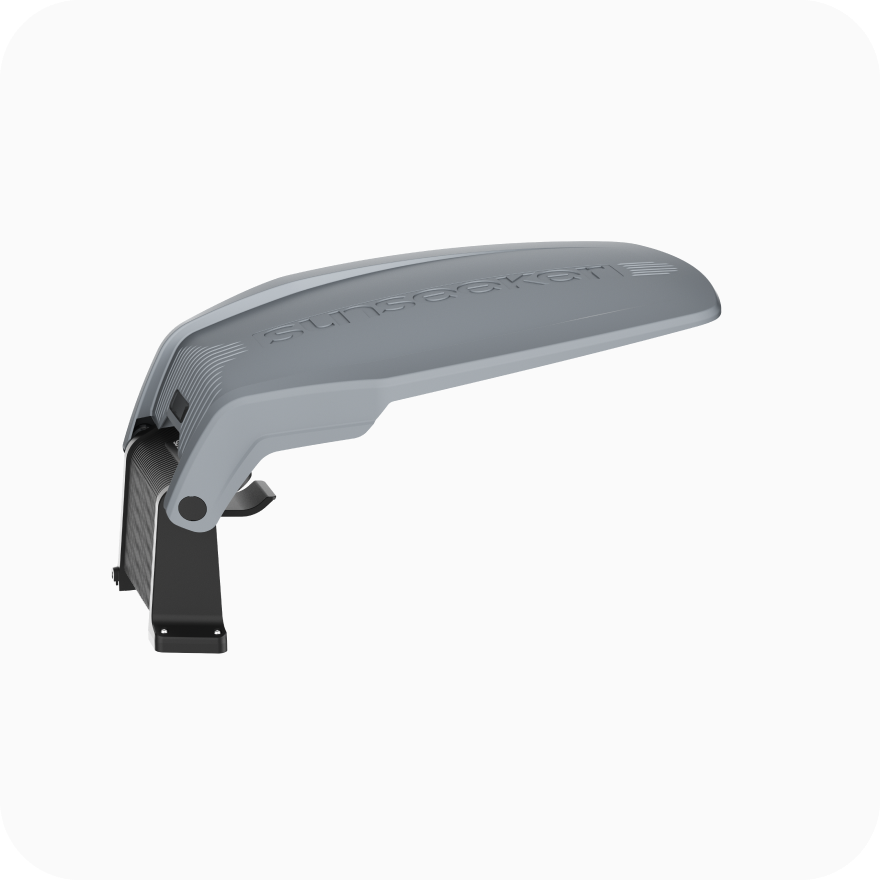
Once the lawn has fully recovered and new growth is established, you can resume your regular mowing routine. A robotic mower like the
Sunseeker S5 helps maintain a consistent cutting height, reducing stress on the grass and supporting long-term lawn health.
Conclusion
Understanding when to thatch a lawn is an important part of maintaining a healthy yard. Dethatching only when needed and at the right time allows your grass to recover quickly and develop stronger roots. With proper watering, fertilizing, and ongoing maintenance after dethatching, your lawn will be better equipped to stay lush, resilient, and attractive year after year.
FAQs
What month should I dethatch my lawn?
The best month to dethatch depends on your grass type. For cool-season grasses, dethatch from August through September or up to 3–4 weeks before the first fall frost. For warm-season grasses, the ideal time is late spring to early summer, typically May through June, when the grass is actively growing and can recover quickly.
Is it better to dethatch your lawn when it's wet or dry?
It's best to dethatch when the soil is slightly moist, not soaking wet or completely dry. If it has rained, wait a few days for excess moisture to drain. Mild weather also helps reduce stress on the grass. Ideally, dethatch at least 3 to 4 weeks before extreme heat or the first frost so your lawn has time to recover.
When not to dethatch your lawn?
Avoid dethatching when your lawn is dormant, drought-stressed, diseased, or newly established. Don't dethatch if the thatch layer is less than 1.3 cm or if soil compaction is the real issue, as aeration is a better solution. For warm-season grasses, wait until the lawn is at least 50% green and actively growing before dethatching to prevent unnecessary damage.
How often should you dethatch your lawn?
Dethatch based on actual buildup, not a fixed annual schedule. Check the thatch layer first. If it remains about 1.3 cm or less and the turf is healthy, leave it alone. Repeat only when excess thatch returns and the grass is actively growing.
Can you dethatch and aerate your lawn at the same time?
Yes, if the lawn has both excess thatch and compacted soil and is actively growing. Dethatching removes the surface organic layer; core aeration relieves compaction. Avoid stacking both treatments on stressed turf, and leave enough recovery time afterward.