Sometimes a lawn stays thin even when watering, feeding, and mowing seem right. The problem may be a layer of moss, dead grass, and old stems sitting close to the soil, which can block air, water, and new growth.
Scarifying helps clear that layer and open the surface again. In this blog, you’ll learn what scarifying does, when your lawn may need it, how it differs from dethatching, and how to care for the grass afterward so it can recover evenly.

What Is Scarifying a Lawn?
Scarifying is a lawn renovation process that removes built-up thatch, moss, and dead organic material from the surface of the turf. A scarifier uses blades or tines to cut into the upper layer of the lawn and lift out the matted material that blocks the soil surface.
Healthy lawns usually contain a small amount of thatch, but a layer thicker than about 13 mm can hold moisture at the surface, reduce oxygen around the roots, and stop seed or fertilizer from reaching the soil. Scarifying is more aggressive than ordinary raking, so it is best saved for lawns that show real signs of buildup rather than used every month.
Why Should You Scarify Your Lawn?
The main reason to scarify is to open the lawn surface. When old growth and moss sit too tightly around the grass crowns, the lawn may look dull, feel soft underfoot, or develop bare patches after wet weather. Scarifying clears that barrier and gives the grass room to recover.
Removing Moss and Thatch
Moss often grows where soil is damp, shaded, compacted, or low in nutrients. Scarifying pulls out loose moss and thatch so the grass is not crowded at soil level. If moss is heavy, treat the cause as well: improve drainage, raise low spots, thin nearby shade where possible, and avoid mowing too short. Removing moss without correcting the conditions usually leads to the same problem again.
Improving Air, Water, and Nutrient Flow
A dense thatch layer acts like a sponge. It catches water and fertilizer near the surface instead of letting them move into the root zone. After scarifying, irrigation can reach the soil more evenly, oxygen moves more freely, and nutrients have a clearer path to the roots. This is especially useful before a planned lawn repair or autumn feeding program.
Preparing for Overseeding
If you plan to overseed thin areas, scarifying can improve seed-to-soil contact. Grass seed germinates better when it touches loosened soil rather than sitting on old stems or moss. For most home lawns, scarifying, raking, spreading seed, and keeping the top 6 mm of soil lightly moist gives new grass a stronger start.
Scarifying vs. Dethatching: What Is the Difference?
The table below clarifies what dethatching a lawn is and how it differs from scarifying by comparing depth, purpose, and likely lawn response.
| Method |
Main purpose |
Typical depth |
Best use |
| Dethatching |
Removes loose thatch sitting near the surface |
Usually shallow, just above or barely into the soil line |
Light buildup, routine cleanup, lawns that are not severely matted |
| Scarifying |
Cuts deeper to lift moss, matted growth, and compacted surface material |
Often about 3 to 6 mm deep for home lawns, adjusted to turf condition |
Spongy lawns, heavy moss, overseeding preparation, stronger renovation work |
Dethatching is usually enough when the lawn only has a light layer of dry material. Scarifying is better for a thicker mat, mossy growth, or a surface that needs to be opened before seed and soil improvement work.
When Is the Best Time to Scarify a Lawn?
Scarifying works best when grass is actively growing and the weather is mild. The lawn needs enough warmth and moisture to recover, but it should not be under heat, drought, frost, or disease pressure.
Spring Scarifying
Spring scarifying can help after a wet winter, especially on lawns with moss and old growth. Wait until the grass is growing steadily, soil is not waterlogged, and daytime temperatures are often around 10 to 18°C. In many regions, this means mid to late spring rather than the first warm weekend. Use a lighter setting in spring because the lawn may still be rebuilding energy.
Autumn Scarifying
Early autumn is often the safer choice for heavier scarifying. Soil is usually warm, rainfall is more reliable, and weed pressure is lower than in spring. Aim for a period with daytime temperatures near 13 to 21°C and at least 3 to 4 weeks before the first hard frost. This timing also fits overseeding because new seedlings can establish before winter.
When Not to Scarify
Avoid scarifying during drought, heatwaves, freezing weather, or periods when the lawn is already yellow, newly seeded, or stressed by pests. Do not scarify soaked soil because blades can tear the turf and leave ruts. Young lawns usually need at least one full growing season before scarifying, and newly seeded areas should be left until the grass has been mowed several times.
How to Scarify a Lawn
Good scarifying is controlled and planned. The lawn may look rough right after the work, so the goal is to remove the problem layer without stripping away healthy turf crowns or leaving the soil exposed for too long.
Step 1. Mow and Clear the Lawn
Mow the grass shorter than usual, but do not scalp it. A height of about 4 to 5 cm is often suitable for many home lawns before scarifying. Remove sticks, stones, toys, and thick leaf piles so the scarifier can move smoothly. Mark sprinkler heads, shallow cables, and edging so the blades do not hit hidden obstacles.
Step 2. Scarify in Passes
Start with a light setting, then check the debris coming up. For moderate thatch, one pass may be enough. For heavier moss, make a second pass at a right angle to the first, but avoid digging so deeply that the lawn turns into loose soil. The blades should comb and cut through the surface layer, not plough the ground.
For a light lawn refresh, use a shallow setting and move steadily.
For mossy or spongy turf, use two lighter passes rather than one harsh pass.
For bare or weak areas, slow down and avoid repeated passes in the same spot.
Step 3. Rake Debris and Overseed
Scarifying can pull up a surprising amount of moss and brown material. Rake it away rather than leaving it to settle back into the grass. If the lawn looks thin afterward, overseed at the product label rate. Many cool-season lawn mixes use about 1.4 to 2.3 kg of seed per 100 m² for overseeding, but the exact rate depends on seed type and how open the lawn is.
Step 4. Water and Feed During Recovery
After scarifying, water lightly and consistently so the surface does not dry out. If you overseeded, keep the seedbed moist until germination, then water deeper and less often as roots develop. A balanced starter fertilizer can help, but avoid heavy nitrogen immediately before hot weather because it can push soft growth at the wrong time.
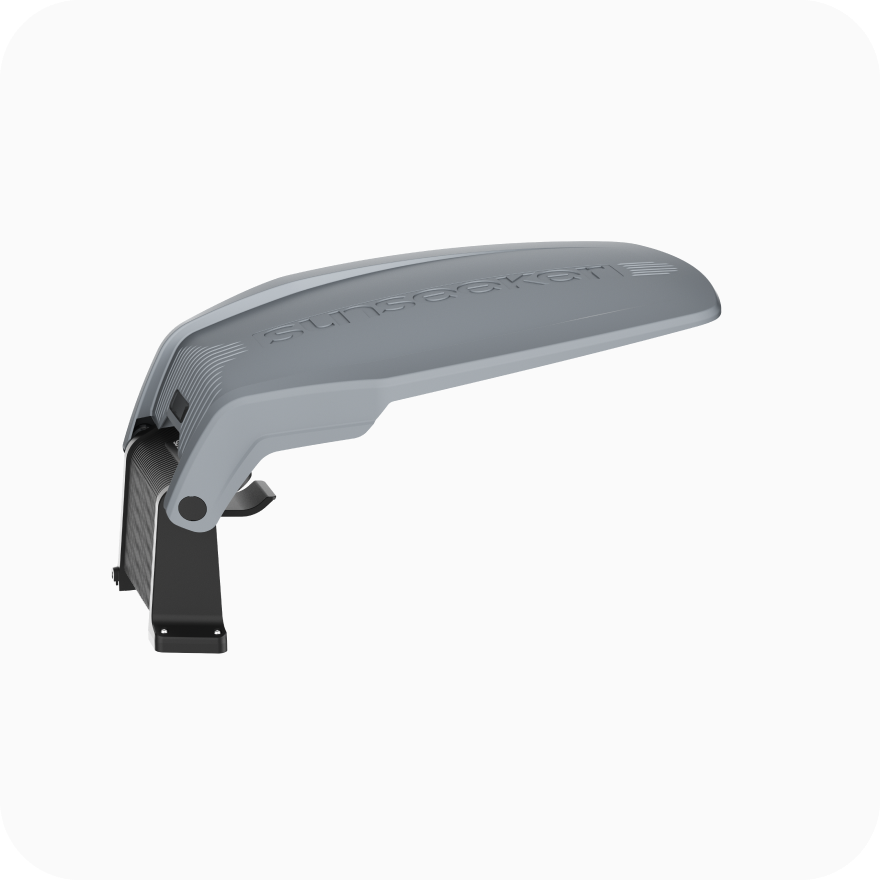
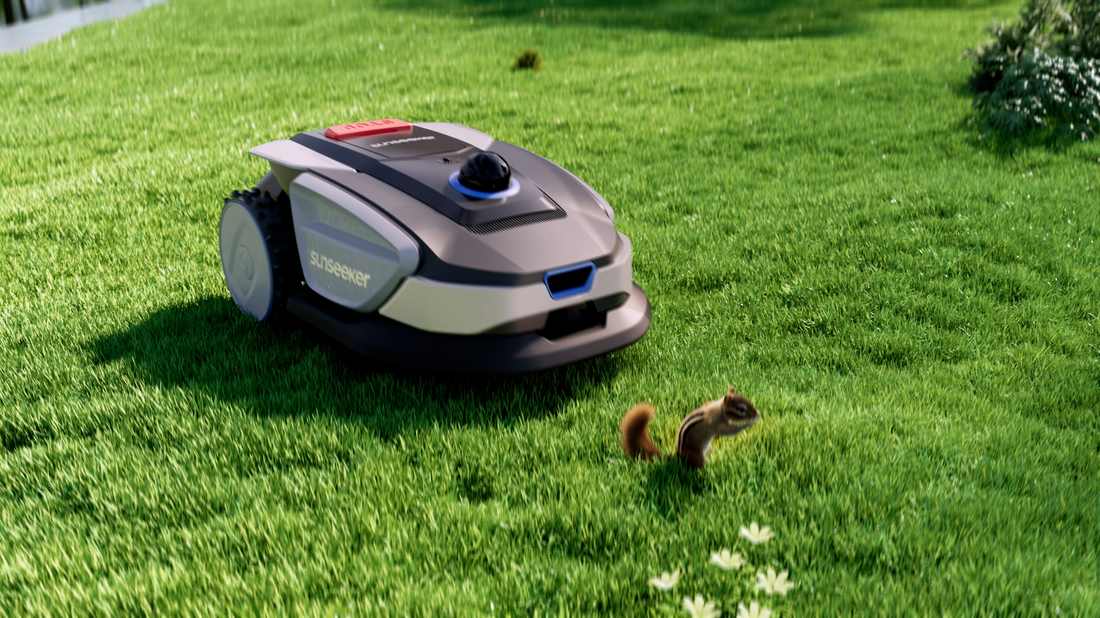
Once the grass has recovered and is back in a regular mowing rhythm, Sunseeker S4 can help keep routine cutting more consistent. Its AllSense™ 3D fusion sensing, AI path planning, and floating cutting system support smoother mowing across everyday lawn shapes, while app scheduling helps maintain the short, steady trims that encourage a cleaner surface after renovation work.
Conclusion
Scarifying is one of the most useful ways to refresh a tired lawn when moss, thatch, or matted growth blocks the soil surface. The best results come from timing it during active growth, working in controlled passes, clearing debris, and giving the lawn careful aftercare. For long-term maintenance after recovery, steady mowing and sensible feeding help the grass stay dense. You can also explore Sunseeker’s range of Robot Mowers with Mulching Blades for regular lawn care support.
FAQs
Is scarifying the same as dethatching?
Not exactly. Dethatching usually removes the loose thatch layer near the grass surface. Scarifying is more intensive because it cuts into the surface and pulls out moss, matted stems, and heavier buildup. A lightly thatched lawn may only need dethatching, while a spongy or mossy lawn may benefit from scarifying.
Will scarifying damage my lawn?
Scarifying can make a lawn look rough for one to three weeks, but that does not mean lasting damage. Trouble starts when the lawn is scarified during drought, heat, frost, or disease stress, or when the blades are set too deep. Use mild weather, light passes, and proper aftercare to support recovery.
What should I do after scarifying a lawn?
Rake away the debris, check for thin areas, overseed if needed, and water gently. Keep the soil surface moist while new seed germinates, then return to deeper watering as roots grow. Wait until new grass is tall enough before mowing, and avoid heavy foot traffic during early recovery.