Sometimes, you might find your lawn mower won’t start for no obvious reason. It’s frustrating, especially when your grass is already getting out of control. Fret not, most of these problems are easier to fix than you might think. In this guide, we will break down the common reasons behind the issue, walk you through practical fixes that actually work, and help you decide when it’s time to call in a professional.

Why Won't My Lawn Mower Start?
Generally, a lawn mower won't start for a variety of mechanical and maintenance-related reasons. Below are some of the most common causes that lead to the situation.
- Empty, old, or contaminated fuel tank: Gasoline older than 30 days may begin to degrade, forming varnish and gum deposits that clog fuel passages. Even if the tank looks full, moisture or debris contamination can prevent proper combustion.
- Clogged mower deck:Layers of dried grass, mud, and debris accumulate under the deck, especially after mowing wet lawns.
- They restrict blade movement and can put excessive strain on the engine during startup.
- Dirty or clogged air filter: A dirty or clogged air filter is often the culpritfor why a lawn mower won't start. It collects dust, pollen, and grass particles over time, restricting airflow and disrupting the fuel-air mixture needed for ignition.
- Clogged fuel filter: Dirt, debris, and residue can build up inside the fuel filter over time, blocking gasoline from flowing smoothly to the carburetor. This restriction effectively starves the engine of fuel, preventing it from starting even when the tank is full.
- Faulty spark plug: Why is my lawn mower turning over but not starting? A common reason is the spark plug. The engine can crank, but without a strong spark, the fuel won’t ignite. If the plug is loose, dirty, worn, or covered in carbon, it may not fire properly, so the mower won’t start.
- Blocked fuel cap vent: A clogged or obstructed vent in the fuel cap prevents air from entering the tank. This creates a vacuum inside, which stops fuel from flowing properly to the engine and leads to starting issues.
- Safety release mechanism issues: If the safety cables are damaged, stuck, loose, or misaligned, the built-in safety system may block the engine from starting altogether. Itis a common issue that is often overlooked during troubleshooting.
- Flywheel brake problems: A partially engaged flywheel brake or a damaged shear key can prevent the engine from rotating correctly during startup. Without proper movement, the mower cannot generate the necessary force to start.
- Water in fuel or low/old oil levels: Water contamination in the fuel disrupts combustion and prevents the engine from firing properly. At the same time, insufficient or degraded oil increases internal friction, making the engine harder to start and potentially causing long-term damage.
How to Troubleshoot a Lawn Mower That Won't Start?
If your lawn mower wont start after winter, don't panic. Old fuel, moisture, a dirty spark plug, or other storage-related issues may be responsible. Follow these proven steps to diagnose and fix the problem efficiently:
1.Drain and refill the fuel system: Remove all old gasoline using a siphon pump, then refill with fresh, ethanol-free fuel suitable for your model. Prime the bulb several times before attempting to start.
2.Clean the underside deck thoroughly: Tip the mower safely (spark plug up), scrape away grass buildup with a putty knife, wipe blades and housing, rinse if needed, and allow everything to dry completely.
3.Service the air filter: Remove the filter cover. Wash foam filters in soapy water, dry fully, and lightly oil. Replace paper filters with an exact match from your manual for proper airflow.
4.Inspect and gap the spark plug: Remove the spark plug, clean carbon deposits, check the electrode gap, and replace if worn or damaged. Reinstall securely to ensure a reliable spark for ignition.
5.Test fuel flow through the filter: Disconnect fuel lines at the carburetor and filter, and check that gasoline flows freely. Replace the filter if the flow is restricted to restore proper fuel delivery to the engine.
6.Clear the fuel cap vent: Remove the cap and inspect the vent hole. Unclog using a pin or compressed air. Reinstall and test to ensure proper fuel flow and ventilation.
7.Adjust the safety control cable: Inspect the cable running to the handle. Make sure it moves freely, lubricate pivot points, and adjust tension according to the owner’s manual for correct engagement.
8.Examine the flywheel brake and shear key: Check that the brake disengages fully when released. Inspect the shear key for damage, and replace it if necessary after removing the flywheel cover.
9.Check and top off engine oil: Wipe the dipstick clean, reinsert, and check levels. Replace dark or gritty oil using the correct viscosity recommended in your manual for proper engine performance.
When to Seek Professional Repairs?
If you have completed all troubleshooting steps and your lawn mower starts then dies or still won't start at all, it may be time to consult a professional. This is especially important if your mower is still under warranty, as professional servicing can help avoid accidentally voiding your coverage.
Warning signs like black smoke, loud knocking, heavy vibration, excessive oil consumption, or an engine that turns over but won’t fire indicate deeper mechanical or electrical issues. These problems often require complex repairs that go beyond basic maintenance.
In addition, repairs such as carburetor rebuilding, ignition coil replacement, or fixing internal engine damage demand specialized tools and expertise. Attempting these yourself without proper knowledge can lead to further damage or even safety risks.
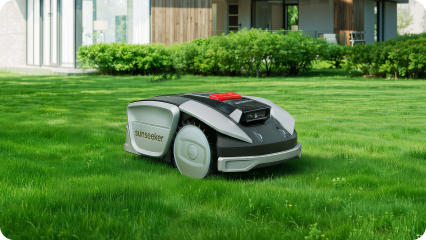
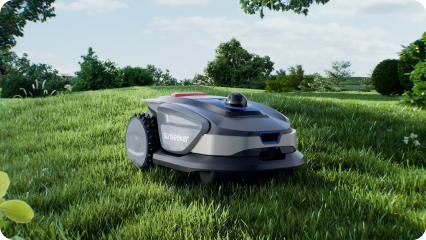
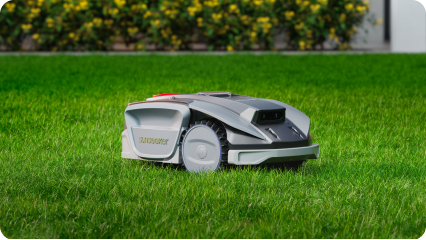
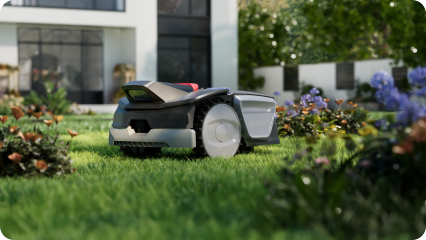
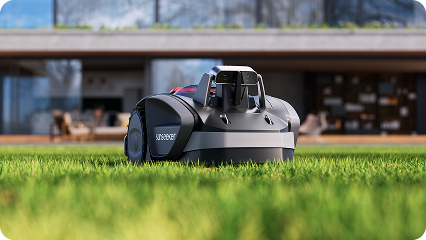
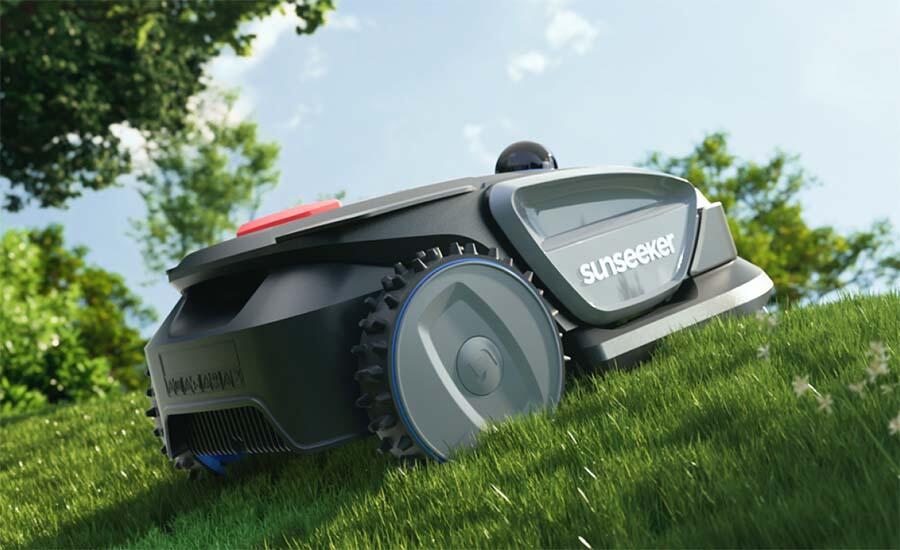
If your lawn mower is beyond repair or recurring issues persist, it may be time to upgrade. For a truly hassle-free alternative, consider the Sunseeker S4 robotic lawn mower. No more pull cords, fuel issues, or engine maintenance. This wire-free, battery-powered autonomous mower eliminates starting frustrations entirely. Using advanced LiDAR and AI Vision, it navigates your yard with precision, avoids obstacles, and handles complex environments with ease. You can easily manage multi-zones, no-go areas, and backyards directly through the intuitive Sunseeker app, ensuring every corner is perfectly trimmed.
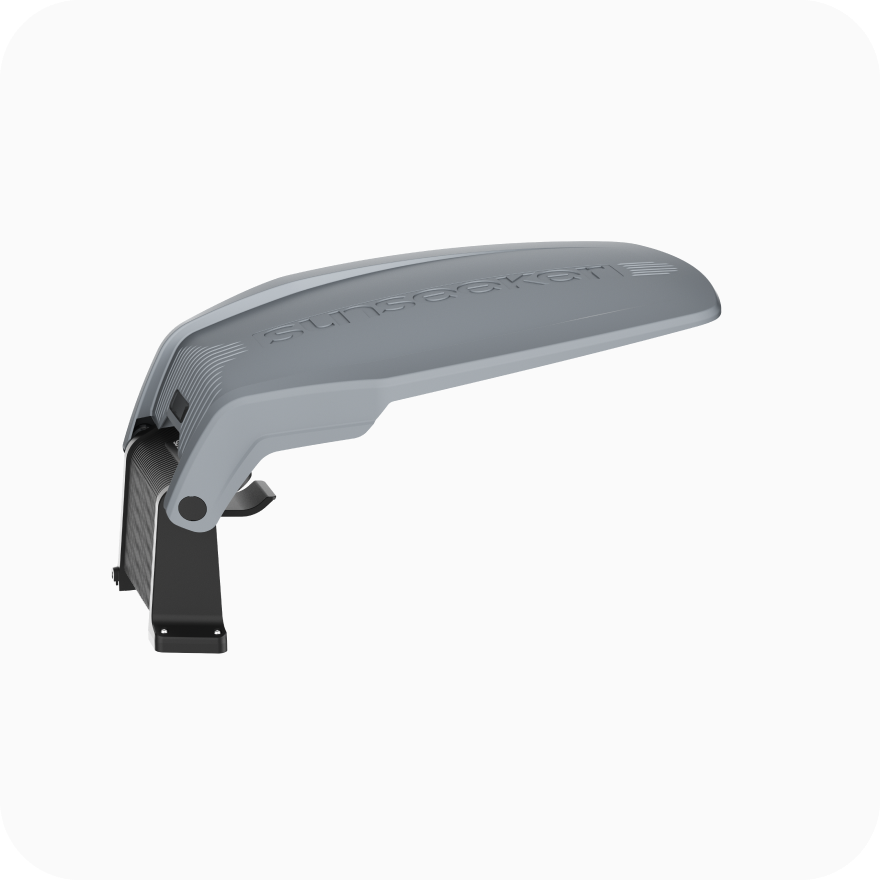
For even greater reliability, pair it with the 4G Module. It adds 4G LTE connectivity, which supports remote start and stop, real-time status updates, and anti-theft protection, giving you full control no matter where you are.
Conclusion
When you find your lawn mower won’t start, don’t worry, just follow the troubleshooting tips above to get your mower running again. However, if starting problems become frequent or frustrating, it might be time to upgrade your device to a smarter solution like Sunseeker S4. It eliminates the pull cords, fuel worries, and maintenance hassles while delivering precise, automated mowing. Explore the Sunseeker S4 today and enjoy a perfectly maintained lawn hassle-free from now on!
FAQs
What would stop a lawn mower from starting?
A lawn mower may not start for a few common reasons. Old or bad gasoline can block fuel flow, and clogged lines or a dirty carburetor can make it worse. Sometimes the issue comes from the ignition, like a worn spark plug or a faulty switch. A clogged air filter can also stop the engine from running.
Can a clogged fuel filter cause a lawn mower not to start?
Yes, a clogged fuel filter can stop a lawn mower from starting. The filter can block fuel from reaching the carburetor, so even with a full tank, the engine may not get enough gasoline to run. Dirt and debris build up over time and can fully block the flow. Replacing the filter usually fixes the problem right away.
Why is my lawn mower not starting after sitting?
When a lawn mower sits for months, a few small issues can build up. Old fuel can go bad and leave sticky residue in the fuel lines and carburetor, which makes it hard for gas to flow. Moisture can also get into the tank, and dust can clog the filters. Fresh fuel, clean filters, and checking the spark plug will usually get it running again.