Nothing can be more frustrating than this: You pull the cord on your lawn mower, hear the engine roar to life, and then watch it sputter and die just seconds later. Why does it happen? Your lawn mower starts then dies for a variety of reasons.
This comprehensive guide will walk you through the seven most common causes, along with step-by-step solutions, and when to get a new one. By the end, you will know exactly how to get your mower running smoothly again!
Common Causes and Solutions of "Lawn Mower Starts Then Dies"
Why does my lawn mower start and then die? It usually indicates a problem with fuel delivery, ignition, or airflow. Let’s check out the most common culprits first.
Dirty Carburetor
The carburetor mixes air and fuel so the engine can combust properly. When it becomes clogged with old gasoline residue, varnish buildup, or dirt, the engine may start using the initial fuel burst but quickly starve afterward. What to do when my lawn mower starts and then slowly dies? Here are the steps.
Step-by-step fix:
Step 1. Turn off the mower, disconnect the spark plug wire, and allow the engine to cool.
Step 2. Remove the air filter cover (usually secured with a single screw).
Step 3. Adjust the gap to the manufacturer’s specification (commonly around 0.762 mm).
Step 4. Use compressed air to blow out loosened debris. For deeper cleaning, remove the carburetor bowl, soak it in cleaner, scrub gently with a brush, and reassemble.
Step 5. Reinstall everything, reconnect the spark plug wire, and test the mower.
Old or Stale Gasoline
Gasoline that sits in the tank for more than 30 days begins to break down, forming gummy deposits that clog small fuel passages. This is one of the top reasons people experience the “lawn mower starts and then dies” issue after winter storage.
Step-by-step fix:
Step 1. Drain the fuel tank completely using a siphon pump or by tipping the mower carefully.
Step 2. Dispose of old gasoline properly at a recycling or hazardous-waste facility.
Step 3. Refill the tank with fresh gasoline, preferably ethanol-free fuel.
Step 4. Run the mower for about five minutes to flush any remaining residue from the system.
Faulty Spark Plug
When you find your lawn mower starts but dies immediately, a worn, dirty, or carbon-covered spark plug is often to blame. While it may ignite the engine at first, it can’t sustain consistent combustion, causing the mower to stall shortly after starting.
Step-by-step fix:
Step 1. Disconnect the spark plug wire and remove the plug using a socket wrench.
Step 2. If it’s only lightly fouled, clean it with a wire brush and carburetor cleaner.
Step 3. Adjust the gap to the manufacturer’s specification (commonly around 0.030 inches).
Step 4. Replace the spark plug every one to two years as routine maintenance.
Blocked Fuel Cap Vent
The fuel cap includes a small vent hole that allows air into the tank as fuel flows out. If this vent becomes clogged, a vacuum forms inside the tank, preventing fuel from reaching the engine.
Step-by-step fix:
Step 1. Remove the fuel cap and locate the tiny vent hole.
Step 2. Clean the hole using a toothpick, compressed air, or a small brush.
Step 3. If the cap is damaged or severely clogged, replace it with a new one.

Dirty Air Filter
If your lawn mower died while mowing and won’t start, a clogged air filter could be the culprit. It restricts the amount of air entering the engine, creating a fuel-rich mixture that can lead to stalling, especially when mowing in dusty or heavy grass conditions.
Step-by-step fix:
Step 1. Remove the air filter cover from the mower housing.
Step 2. Foam filters should be washed with soap and water and allowed to dry completely.
Step 3. Paper filters should be replaced once per season.
Step 4. Reinstall the clean or new filter and test the mower.
Clogged Blades
A buildup of thick grass clippings under the mower deck or dull blades can overload the engine, causing it to stall when the blades engage. This is especially common when mowing wet grass.
Step-by-step fix:
Step 1. Tip the mower carefully with the spark plug facing upward.
Step 2. Remove all grass buildup and debris from the underside of the deck.
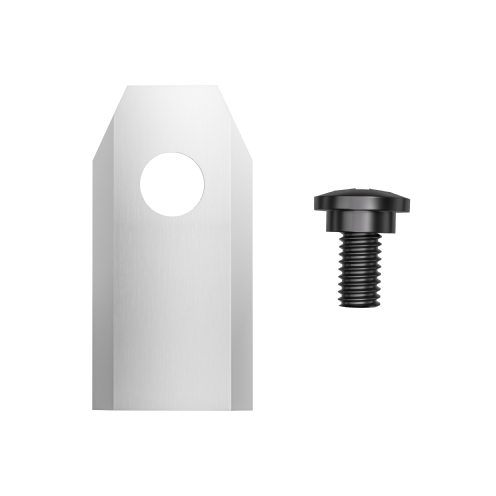
Step 3. Sharpen the blades or replace them if they are excessively dull.
Step 4. Clean the deck thoroughly before your next mowing session.
Moisture or blockage in the Fuel Line
Water contamination in the fuel or a damaged fuel line can interrupt the steady flow of gasoline to the engine. As a result, the engine may start briefly but fail to keep running. If your lawn mower wont stay running, moisture contamination or a blockage in the fuel line may be the cause.
Step-by-step fix:
Step 1. Inspect the entire fuel line for visible cracks, kinks, or clogs.
Step 2. Replace any damaged sections of the line; this is inexpensive and straightforward.
Step 3. Drain the tank, refill it with fresh fuel, and consider adding a fuel-line dryer if moisture is present.
When to Replace A New Lawn Mower?
If you have tried all the fixes above and your lawn mower wont start, still starts and then dies, or frequently requires repairs, it may be time for a replacement-especially if the machine is more than 5-8 years old.
Modern battery-powered and robotic lawn mowers eliminate many of these problems. Without gasoline, carburetors, or fuel lines, they start instantly and require far less maintenance.
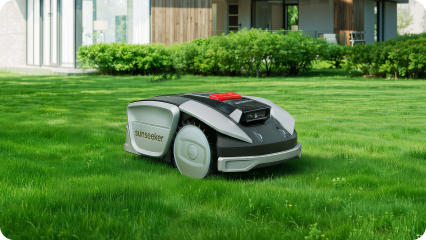
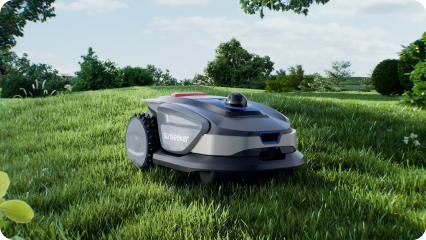
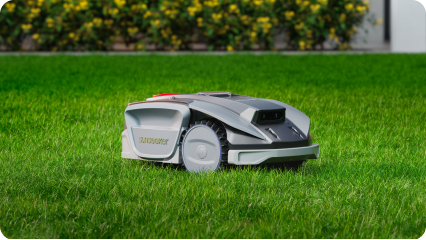
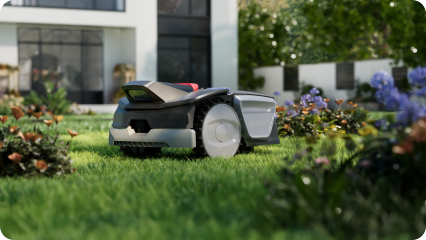
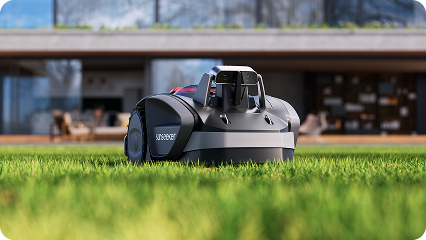
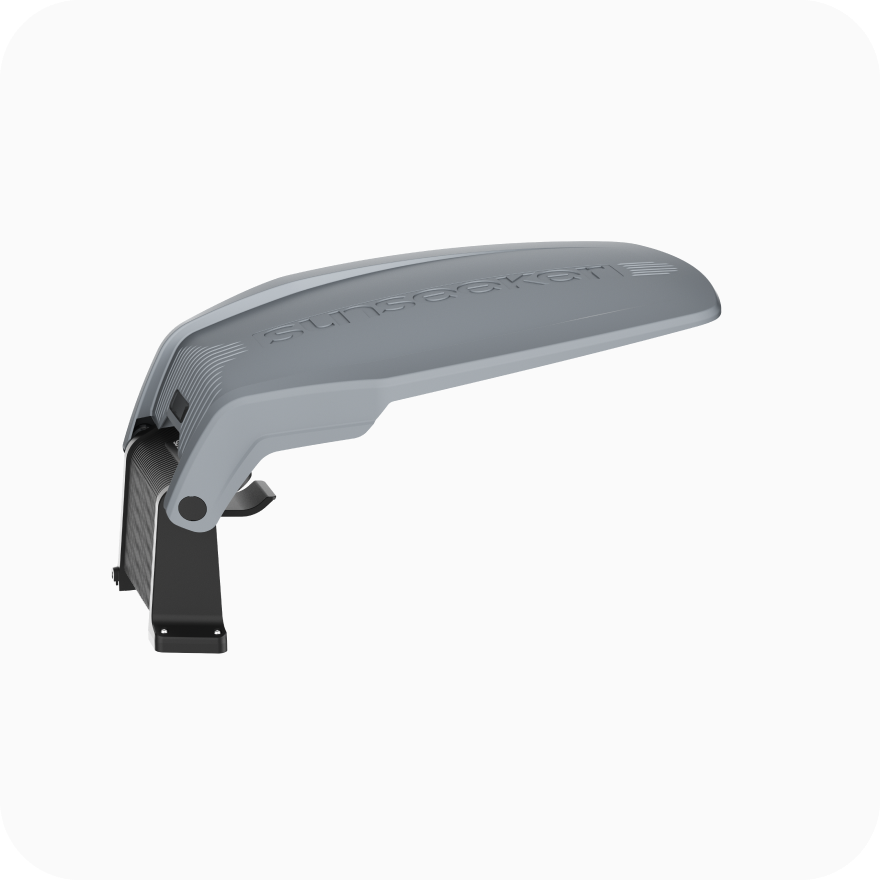
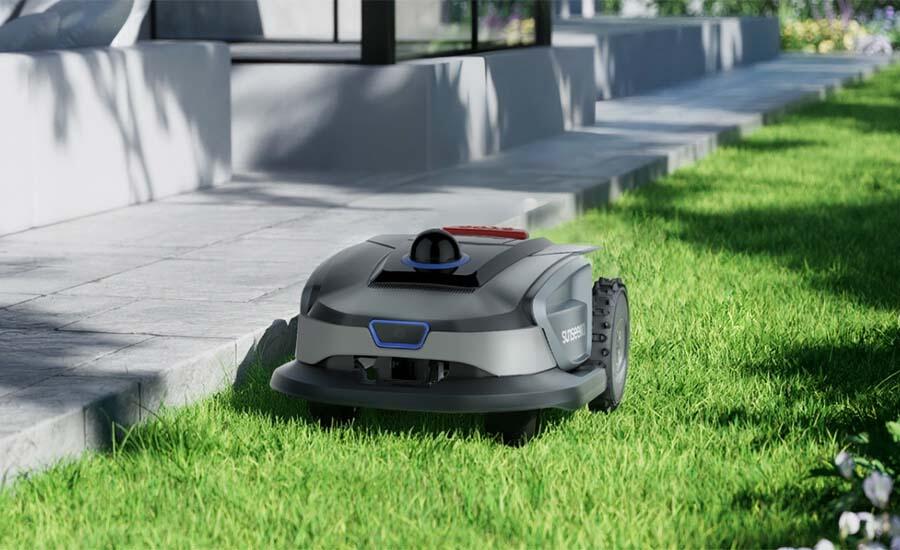
If you are looking for an upgrade, the Sunseeker S4 offers a smoother and more reliable mowing experience. It starts instantly and runs without gas, so you avoid many common stalling issues. There’s no need to deal with fuel, carburetors, or frequent maintenance. Its AllSense™ 3D Fusion Sensing System combines LiDAR, Vision AI, and multiple sensors. This allows the mower to understand your lawn in real time. It moves around obstacles smoothly and adapts to uneven or complex terrain with ease. You can get clean, consistent results with minimal effort.
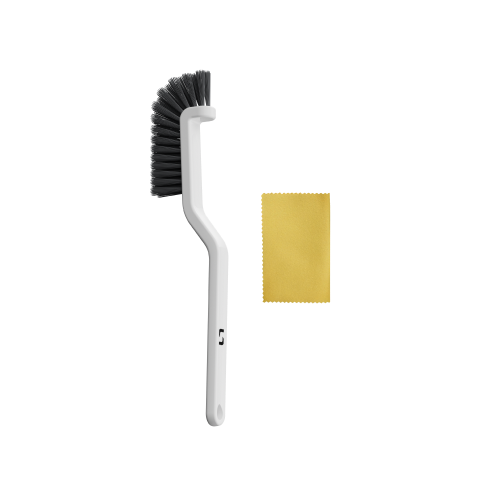
To keep everything running at peak performance, you can pair it with the S-Series Cleaning Kits. Designed for easy, routine maintenance, the kit helps you quickly clean the mower deck, maintain blade condition, and keep sensors free of debris. With just a small time investment, you can ensure your mower continues to operate efficiently and reliably over the long term.
Conclusion
Why does my lawn mower start then die? In most cases, it comes down to a few common issues. Old fuel can block the system, a dirty carburetor may stop fuel flow after startup, and a worn spark plug can’t keep the engine running. Problems like a clogged air filter or blocked vent can also affect airflow.
The good news is that many of these issues are easy to fix with basic checks and cleaning. If your lawn mower starts then dies again and again, it may be time to upgrade. The Sunseeker S4 robotic mower offers a smarter, hassle-free solution with consistent performance and minimal maintenance. Make the switch today and enjoy a smoother, more effortless lawn care experience now!
FAQs
Why does my lawn mower only run for a few seconds then die?
In most cases, this occurs due to a dirty carburetor or stale gasoline. Both issues prevent the engine from getting a steady fuel supply after the initial start, causing it to stall within seconds.
You can fix it by draining any old fuel and refilling the tank with fresh gasoline. If the mower still dies, remove the air filter and spray carburetor cleaner into the carburetor throat to clear possible clogs.
How do you fix a lawn mower that won't stay running?
If your lawn mower won’t stay running, check that the fuel is fresh, the spark plug is clean, and the air filter isn’t clogged. These simple steps often fix the problem when a mower starts but then quickly stops.
If it still doesn’t run properly, take a closer look. Make sure the fuel cap vent isn’t blocked and clear away any debris under the mower. If the issue continues, cleaning or replacing the carburetor may help.
How to clean a lawn mower carburetor without removing it?
To clean a lawn mower carburetor without removing it, first open the air filter cover to access the carburetor. Spray carburetor cleaner into the opening and let it sit for five to ten minutes so it can break down dirt and buildup.
Then use compressed air to clear out any loosened debris. Reinstall the air filter and run the mower to check. This method works well for light clogs and regular maintenance.
How often should I replace my lawn mower air filter?
A paper air filter should usually be replaced once per mowing season, which is typically once a year. This ensures proper airflow and consistent engine performance.
Foam filters can be cleaned and reused, but they should still be replaced every one to two years to maintain efficiency. Regular inspection helps you decide when replacement is needed.