Nothing feels more frustrating than pulling out your lawn mower in spring, only to find your lawn mower won’t start after winter storage. Stale fuel, clogged components, and cold-weather effects are often the main reasons behind this common problem. This comprehensive guide breaks down the key causes, walks you through a clear step-by-step process to get your mower running again, and shares practical prevention tips for the future. You can also find modern robotic solutions that can eliminate traditional starting issues. Let’s get your lawn back in shape soon!
Why Your Lawn Mower Won't Start After Winter?
After months of sitting idle in a garage or shed, many gas-powered lawn mowers struggle to fire up when spring arrives. Here are the most common culprits for a lawn mower not starting after winter.
- Stale Fuel: Gasoline begins to degrade in as little as 30 days. Over winter, it breaks down and forms varnish and gum deposits that clog fuel lines, the carburetor, and jets, ultimately preventing proper fuel delivery.
- Dirty or Clogged Carburetor: As fuel evaporates, it leaves behind residue that blocks tiny internal passages. This restricts fuel flow and starves the engine. It’s one of the most frequent reasons a lawn mower won’t start after winter.
- Fouled Spark Plug: Carbon deposits, moisture exposure, or oil contamination can weaken or block the spark needed to ignite the fuel-air mixture.
- Clogged Air Filter: Dirt and debris reduce airflow, leading to an imbalanced fuel mixture that is either too rich or too lean to ignite efficiently.
- Old or Low Oil: Thickened or degraded oil over time is another reason your lawn mower won't start after winter. It reduces lubrication and increases engine resistance, especially in cooler temperatures.
- Moisture and Corrosion: Temperature fluctuations cause condensation, which can damage electrical connections and corrode internal metal components. This disrupts current flow and weakens ignition performance, preventing the engine from starting.
- Battery Issues(for electric-start models): A dead, weak, or corroded battery may lack the power needed to turn the engine over.
How to Start a Lawn Mower After Winter: Step-by-Step
Now you know why a lawn mower won't start after winter, it’s time to fix the problem. Here’s how to start a lawn mower after winter systematically and efficiently.
Step 1. Safety First
Disconnect the spark plug wire before starting any work to prevent accidental ignition. Wear gloves and eye protection to reduce injury risk and ensure a safe, controlled working environment.
Step 2. Check and Change Oil
Inspect the dipstick for oil condition and level. If the oil looks dark, low, or thick, drain it completely and refill with fresh manufacturer-recommended oil to reduce engine resistance.
Step 3. Drain Old Fuel
Empty the gas tank fully and dispose of stale fuel properly. Old gasoline loses combustibility and forms deposits. Refill with fresh fuel, ideally ethanol-free or treated with stabilizer.
Step 4. Inspect and Clean the Air Filter
Remove the air filter and check for dirt buildup. Clean reusable filters with soap, water, or compressed air. Replace paper filters if heavily clogged to restore proper airflow.
Step 5. Check the Spark Plug
Remove the spark plug using a socket wrench. Clean carbon deposits with a wire brush or replace it if worn. Ensure proper gap spacing before reinstalling for strong ignition performance.
Step 6. Clean the Carburetor
Spray carburetor cleaner into the intake for light buildup. For deeper cleaning, remove the carburetor bowl and clear residue. Severe clogs may require professional cleaning or part replacement.
Step 7. Prime and Choke Properly
Press the primer bulb 3-5 times to move fuel into the carburetor. Set the choke to full, then pull the starter cord firmly and steadily for effective cold starting.
Step 8. Test for Spark
Ground the spark plug against the engine and pull the starter cord. Look for a strong blue spark. If absent, replace the plug or inspect the ignition coil and wiring components.
Step 9. Run and Test
Once the mower starts, allow it to warm up for several minutes. Then run it briefly to circulate fresh fuel and oil, ensuring smooth operation and confirming the issue is fully resolved.
Tips: If the mower still fails after previous fixes, spray a small amount of starting fluid into the air intake, then attempt to start the mower. Please use starting fluid sparingly because excessive use can damage engine components.
If it runs briefly, the issue is likely fuel-related. To fix it, drain any stale fuel and refill with fresh gasoline, then clean the carburetor to remove blockages.
If there is no response, the problem may involve ignition or compression. To fix ignition issues, replace the spark plug, check the ignition coil, and inspect wiring for damage or loose connections.
For compression problems, check for a stuck valve, worn piston rings, or a blown head gasket. However, these may require deeper repair or professional servicing.
How to Prevent Lawn Mower Start-Up Problems Next Year
When you find your lawn mower won't start after winter, you can usually get it running again by following the troubleshooting steps above. However, prevention is always easier than fixing problems after they occur. Learning how to winterize a lawn mower properly can eliminate most startup issues before they even begin.
- Run the Tank Dry or Add Stabilizer: At the end of the mowing season, either drain the fuel completely or add a stabilizer and run the engine for 5-10 minutes to circulate it.
- Change Oil and Filter: You can replace the oil before storage to prevent sludge buildup and internal wear.
- Clean the Entire Mower: Remove grass clippings, wash under the deck, and clean or replace the air filter and spark plug as needed.
- Store Properly: Keep the mower in a dry, well-ventilated space. Elevate it off the ground and cover it loosely to prevent moisture buildup.
- Remove the Battery: For electric-start models, take out the battery and store it indoors on a trickle charger to maintain its lifespan.
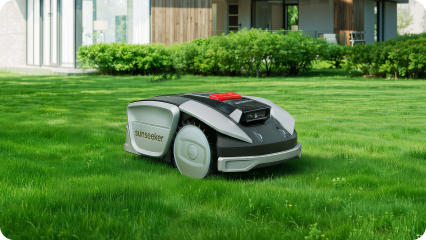
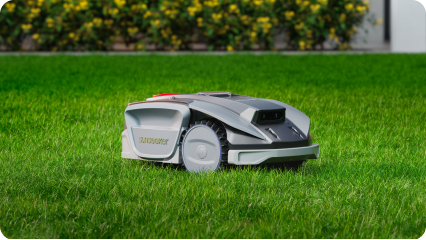
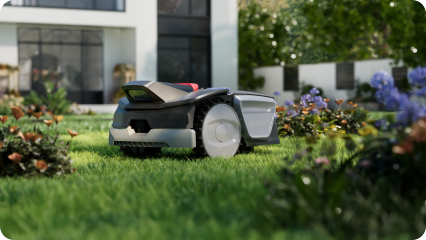
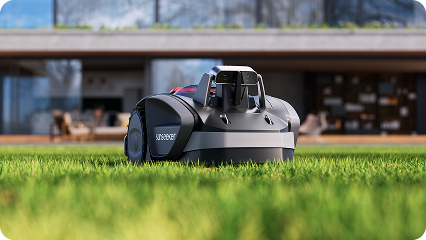
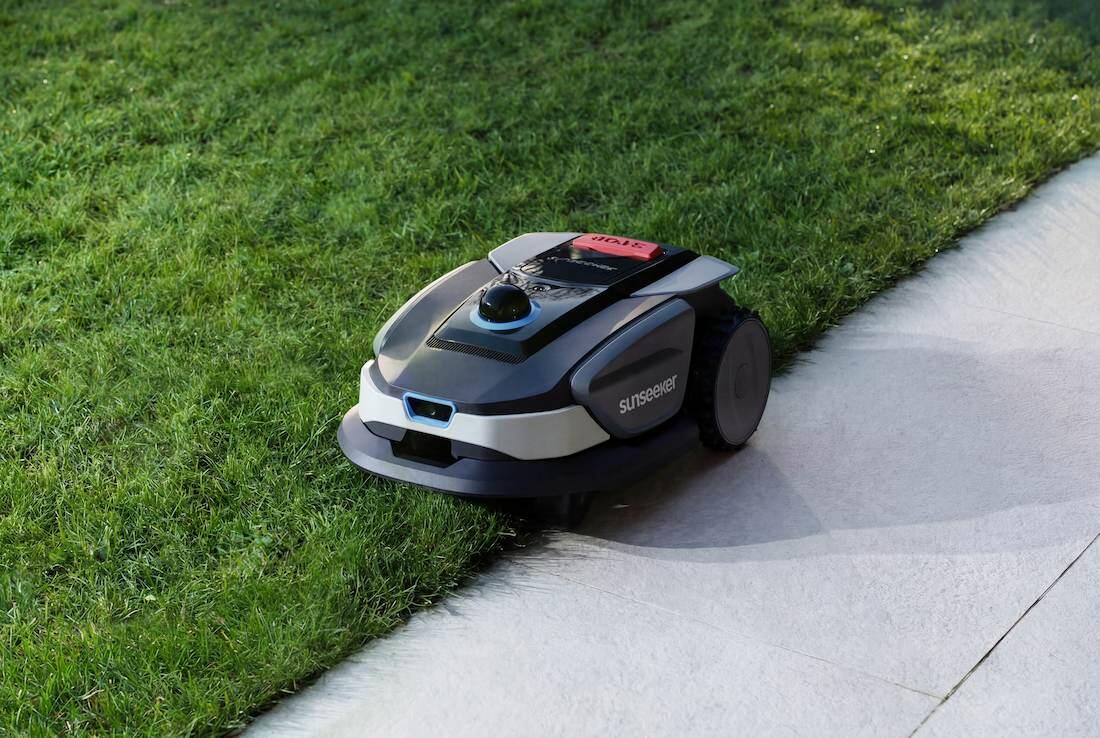
- Consider Robotic Alternatives: As you can see, traditional mowers require regular maintenance and seasonal preparation. Robotic mowers remove these seasonal headaches entirely. They are fully electric and battery-powered, which can recharge automatically and stay ready year-round with almost no seasonal effort.

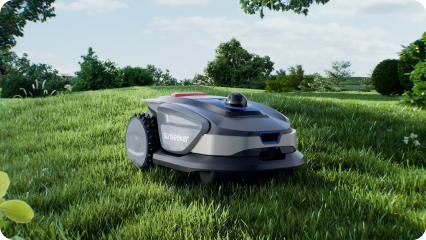
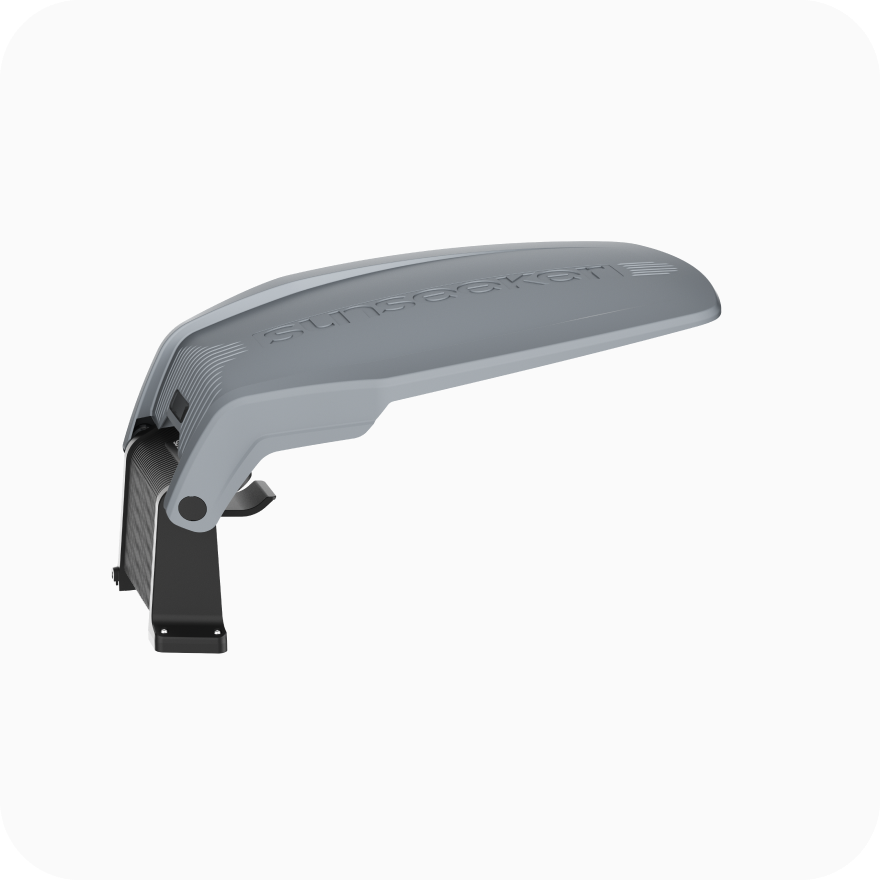
For example, the Sunseeker S4 is a wire-free robotic mower to consider. It features advanced AllSense™ 3D Fusion Sensing (LiDAR + AI Vision) for precise mapping, 360° obstacle avoidance, and intelligent path planning. With no boundary wires to install, automatic docking, and smart app control, it handles mowing on a schedule without any manual starting or fuel concerns, making spring startup effortless.
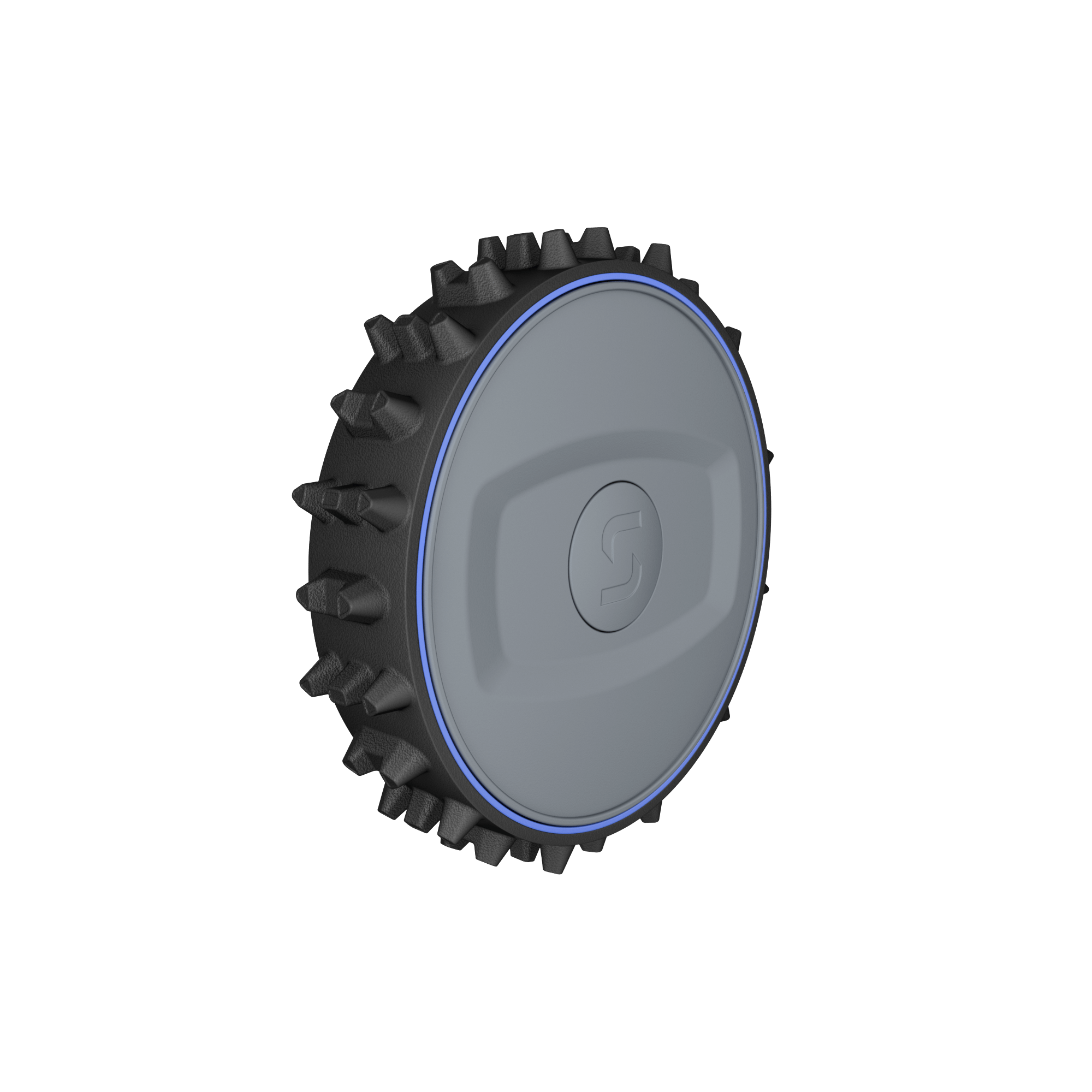
The Sunseeker S5 is another solid choice for larger and more challenging lawns up to 1,600 m². Equipped with AONavi™ dual-camera AI and All-Wheel Drive (AWD), it handles steep slopes up to 60% (30°), complex terrain, and multiple zones (up to 80). Like the S4, it requires no fuel or winter maintenance, just app-based scheduling and automatic recharging. It delivers reliable, hands-off performance that completely removes the need for seasonal upkeep or manual intervention.
Conclusion
If you are searching for reasons why your lawn mower wont start after winter, the issue is usually manageable. By understanding the root causes and following a structured approach, you can quickly get your mower back in working condition. However, if you are looking for long-term convenience and reliability, switching to a robotic mower is a smart move. It eliminates seasonal frustrations, so you don't have to deal with startup problems each spring. Just explore the innovative Sunseeker models and enjoy a consistently well-maintained yard without the hassle now!
FAQ
Will a lawn mower not start if it's cold?
Yes, cold temperatures can make starting your lawn mower much harder. Thickened oil, reduced fuel vaporization, and lower battery power all contribute. Use the choke, prime the engine properly, and refill with fresh fuel to improve starting. Most mowers start reliably above freezing, but temperatures below 0°C (32°F) significantly increase difficulty.
What helps my lawn mower start after winter?
Start by draining stale fuel and refilling with fresh gasoline. Replace the spark plug and air filter, check the oil level, and clean the carburetor if necessary. Proper winter storage, either with a dry tank or stabilized fuel, can prevent most issues. Regular maintenance and seasonal checks also help keep your mower ready for use.
How cold is too cold for a lawn mower?
Starting a lawn mower becomes noticeably harder below 4–7°C (40–45°F) because oil thickens, fuel vaporizes less effectively, and battery power drops. Engines may struggle or fail below freezing without aids like starting fluid. Following proper starting procedures and using fresh fuel might help, but extremely low temperatures can still make starting harder and put extra stress on the engine.