The performance of a lawn mower depends on the condition of its blade. When a blade becomes dull, bent, or damaged, even a powerful mower may leave uneven patches of grass behind. There are two options: sharpening or replacing the blade.
If sharpening is no longer effective, it's time to replace the blade. The steps below cover safe preparation, blade removal, stuck-bolt troubleshooting, the sharpen-or-replace decision, and correct reinstallation.
What Should You Do Before Removing a Lawn Mower Blade?
Mower blades can stay sharp enough to cut skin even when they look dull. Before touching the blade, make the mower unable to start and set up a stable work area.
-
Disconnect the Power Source: On a gas mower, disconnect the spark plug wire. On a battery mower, remove the battery. Unplug a corded electric mower.
-
Use a Stable Work Area: Park on a flat, solid surface. For a walk-behind mower, follow the manual's approved tipping direction before accessing the underside.
-
Wear Protective Gear: Put on sturdy gloves and eye protection before working near the blade or using penetrating oil and hand tools.
What Tools Do You Need to Remove a Lawn Mower Blade?
Most blade-removal jobs only need a few basic hand tools. Have everything within reach before tipping or lifting the mower.
-
Correct-size socket and socket wrench
-
Breaker bar for extra leverage
-
Sturdy work gloves
-
Wooden block or blade-locking tool
-
Penetrating oil for a stuck bolt
-
Torque wrench for reinstallation
How to Remove a Lawn Mower Blade Step by Step
The removal itself is simple when each step is done in order. Keep the hardware together as you work so the blade can be reinstalled in the same arrangement.
Step 1. Position the Mower and Access the Blade
For a walk-behind mower, tip the machine only in the direction approved in the manual. Riding and zero-turn mowers may require the deck to be raised or removed so the blade can be reached safely.
Step 2. Secure the Blade From Turning
Wedge a wooden block between the blade and deck, or use a blade-locking tool, so the blade cannot rotate while you loosen the fastener.
Step 3. Note the Blade Orientation
Take a quick photo before removal and note the position of any washers, spacers, or mounting hardware. This makes it easier to reinstall the blade in the correct direction.
Step 4. Loosen the Blade Bolt
Fit the correct socket firmly on the bolt head and apply steady pressure. Check the mower manual or blade-bolt setup before forcing it, rather than assuming every mower loosens in the same direction.
Step 5. Remove the Blade and Hardware
Once the bolt is loose, support the blade with one hand, remove the bolt and hardware, and slide the blade off the mounting assembly. Keep small parts together in the order they were removed.
Step 6. Inspect the Blade and Deck
Check the blade for dull edges, chips, cracks, bends, or heavy wear. Wipe grass and debris from the mounting area so damage or an uneven seating surface is easier to spot.
What If the Lawn Mower Blade Bolt Is Stuck?
Rust, packed debris, and long service intervals can make the blade bolt difficult to move. Increase leverage gradually instead of jumping straight to maximum force.
- Apply penetrating oil around the bolt and allow time for it to work.
- Secure the blade again with a wooden block or blade-locking tool.
- Use the correct socket and a breaker bar for more controlled leverage.
- If appropriate for the mower and fastener, an impact wrench can help free a stubborn bolt.
- Stop if the bolt head begins to round or the hardware starts to deform; damaged fasteners should be replaced rather than forced.
Should You Sharpen or Replace the Blade?
A blade that is structurally sound but simply dull can usually be sharpened. Follow the correct method for
how to sharpen lawn mower blades and keep the cutting edge balanced after sharpening.
Sharpen: The blade is straight, free of cracks, and has enough material left at the cutting edge.
Replace: The blade is bent, cracked, deeply chipped, badly corroded, or worn thin enough that sharpening would not restore a sound edge.
How Do You Reinstall or Replace the Blade Correctly?
If inspection shows the blade is no longer serviceable,
replacing a mower blade correctly means matching the original orientation, restoring the hardware in the same order, and tightening the fastener to the mower manufacturer's specification.
- Place the sharpened or replacement blade on the mounting assembly in the same orientation as the original blade.
- Reinstall washers, spacers, and the blade bolt in the same order noted during removal.
- Secure the blade and tighten the fastener to the torque specified for the mower model.
- Rotate the blade slowly by hand, with the power source still disconnected, to confirm that it turns freely and does not contact the deck.
After reassembly, reconnect the power source and test the mower on a clear area. Make sure the
yard is free from rocks, branches, toys, and other objects. Listen for unusual noise, watch for excessive vibration, and stop immediately if the mower shakes more than normal. A short test cut can then confirm that the blade is seated and cutting evenly.
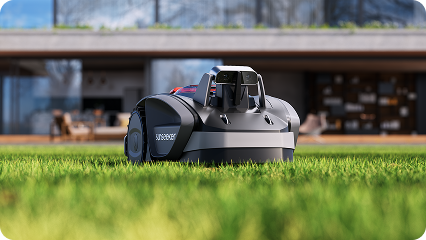
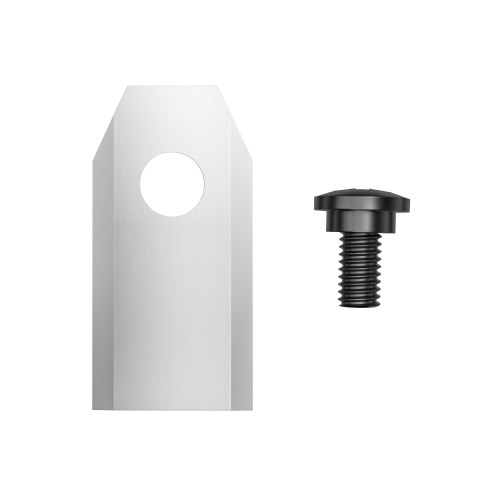
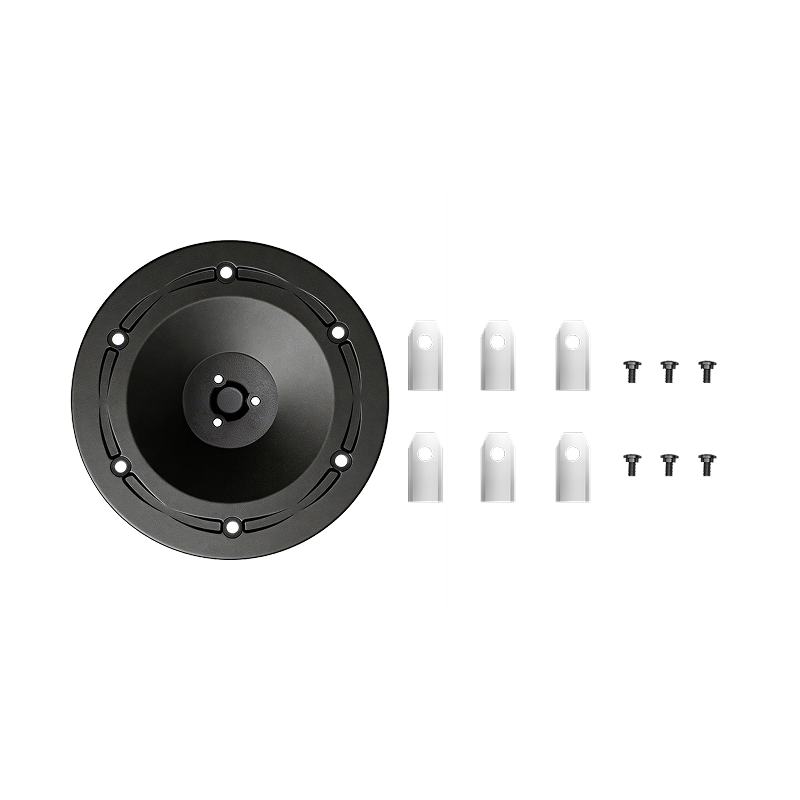
These steps describe a conventional mower with a larger removable blade. A
robot lawn mower may use a cutting disc with several small pivoting blades instead. On the
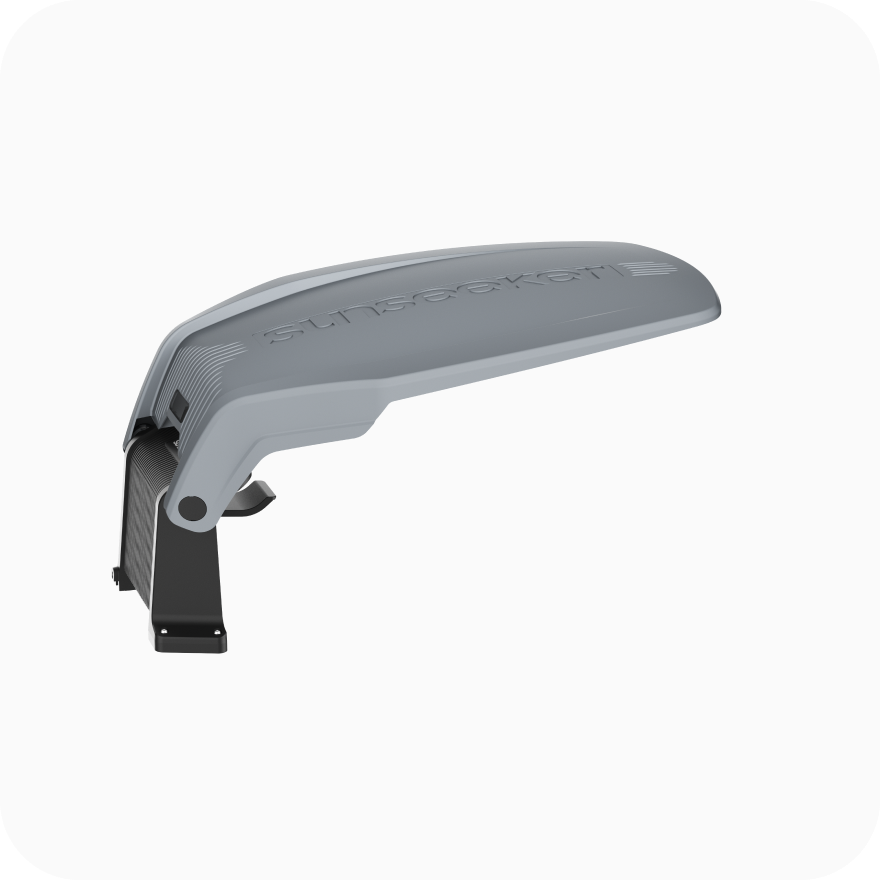
Sunseeker S4, blade and cutting-disc service should follow the model-specific instructions rather than the large-blade procedure above.
Conclusion
Removing a lawn mower blade safely comes down to controlling three things: power, blade movement, and hardware order. Disconnect the mower, secure the blade, note its orientation, and remove the fastener with the correct tools. Then inspect the blade before deciding to sharpen or replace it. Careful reinstallation and a short vibration check help confirm the mower is ready to return to normal cutting.
FAQs
How do you get a lawn mower blade off?
Disconnect the spark plug, remove the battery, or unplug the mower first. Access the blade safely, block it from turning, note its orientation, and use the correct socket to loosen the fastener. Remove the bolt and hardware while supporting the blade, then slide the blade off the mounting assembly.
Which way do I turn the bolt to remove a lawn mower blade?
Many mower blade bolts use standard right-hand threads and loosen counterclockwise when viewed from the bolt head, but the design can vary. Check the mower manual or blade-bolt setup before applying heavy force. If the bolt is stuck, use penetrating oil and a properly seated socket rather than guessing at the thread direction.
Is a lawn mower blade reverse thread?
Usually not. Many lawn mower blade bolts use standard threads, but some mower designs can differ. The safest approach is to check the manufacturer's manual or parts information for the exact model before removal, especially if the bolt does not loosen with normal pressure.
Can you remove a lawn mower blade without a blade removal tool?
Yes. On many walk-behind mowers, a sturdy wooden block can brace the blade against the deck while you loosen the bolt with the correct socket. A dedicated blade holder is useful but is not always required. Fully disconnect the mower from its power source, support it safely, and keep your hands away from the cutting edge while applying force.
How do you know which way a lawn mower blade goes back on?
Use the photo or marks you made before removal and check the blade markings or owner's manual. On many traditional mower blades, the lift wings face upward toward the mower deck, while the sharpened cutting edges face in the direction of rotation. Do not rely on appearance alone if the blade shape is unfamiliar, because installing it upside down can reduce cutting performance.