A clean, even cut starts with a sharp blade. If your lawn looks ragged after mowing or the grass tips are turning brown a day or two later, dull blades are usually the cause. Knowing how to sharpen lawn mower blades is a basic maintenance skill that saves you money on replacements and keeps your mower running efficiently. This guide walks you through the signs to watch for, the sharpening process, and how to handle robot lawn mower blades specifically.

How Do You Know Your Lawn Mower Blades Need Sharpening
Blades don't send an obvious signal when they're past their prime, but your lawn usually does. A few signs are worth watching for before you start your next mow.
The most common indicator is a ragged or uneven cut. Sharp blades slice cleanly through grass, while dull ones tear it. Torn grass tips turn brown or yellow within a day or two, giving your lawn a patchy, unhealthy appearance even right after mowing.
You might also notice the mower pulling or vibrating more than usual. A dull or unbalanced blade makes the engine work harder, which shows up as extra noise and vibration during operation. If mowing suddenly feels more labored than it used to, the blade is worth checking.
Finally, visible nicks or bends on the blade edge are a clear sign. After hitting rocks, roots, or debris, blades can develop chips or deformations that no amount of sharpening will fully fix, at which point replacement makes more sense than sharpening.
How to Sharpen Mower Blades: Step-by-Step
Sharpening a lawn mower blade is a straightforward process with the right tools and a few safety precautions in place.
Tools and Materials Required
- Socket wrench or blade removal tool
- Work gloves and eye protection
- Metal file, angle grinder, or blade sharpener attachment
- Blade balancer (or a nail in the wall as a simple substitute)
- Marker or paint pen (optional, for tracking the cutting edge)
Steps to Sharpen Lawn Mower Blades
Here are the steps to sharpen mower blades safely at home.
Step 1: Disconnect the Power Source
Before touching the blade, disconnect the spark plug wire on gas mowers. For electric or battery models, remove the battery pack. This step is essential and should never be skipped.
Step 2: Tilt the Mower and Remove the Blade
Tip the mower on its side with the air filter facing up to avoid oil spillage. Use a socket wrench to loosen the bolt securing the blade. Note the blade's orientation before removing it so you can reinstall it correctly later.
Step 3: Secure the Blade
Clamp the blade in a bench vise so the cutting edge faces you and the blade won't shift during sharpening.
Step 4: Sharpen Along the Cutting Edge
Using a metal file or angle grinder, follow the existing bevel angle of the blade, typically 40 to 45 degrees. Work in one direction and apply even pressure along the full length of the cutting edge. If the blade is double-sided, repeat on the other end. You're aiming for an edge similar to a butter knife rather than a razor, as overly sharp edges tend to dull faster and chip more easily.
Step 5: Check the Balance
Hang the blade on a nail or blade balancer through the center hole. If one side dips, remove a small amount of material from that end until the blade sits level. An unbalanced blade causes vibration and can wear down the mower's spindle over time.
Step 6: Reinstall the Blade
Reattach the blade in the correct orientation and tighten the bolt securely. Reconnect the spark plug wire or battery, and the mower is ready to use.
How to Sharpen or Replace Robot Lawn Mower Blades
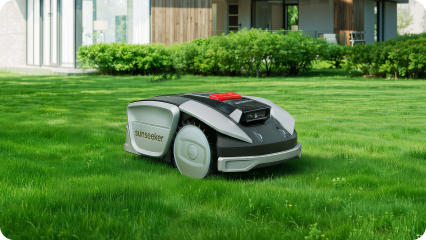
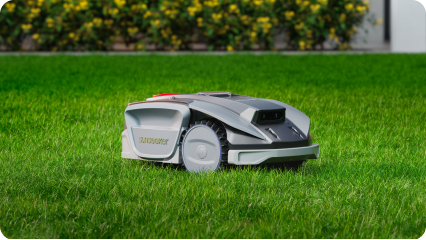
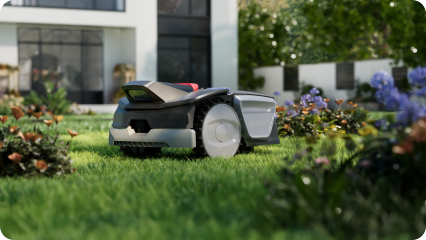
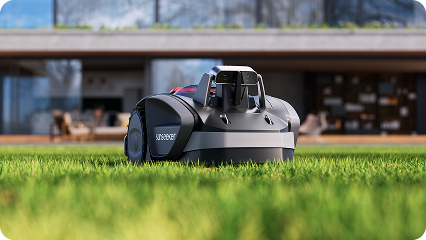
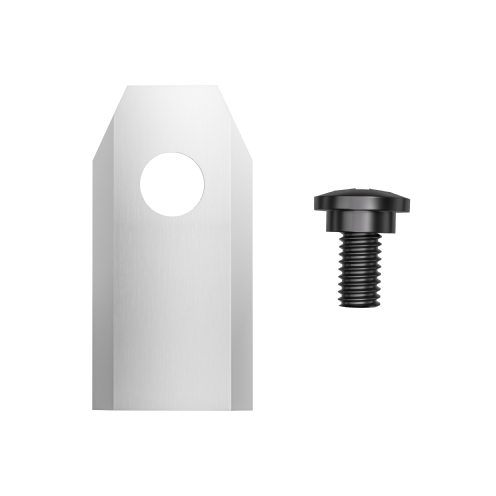
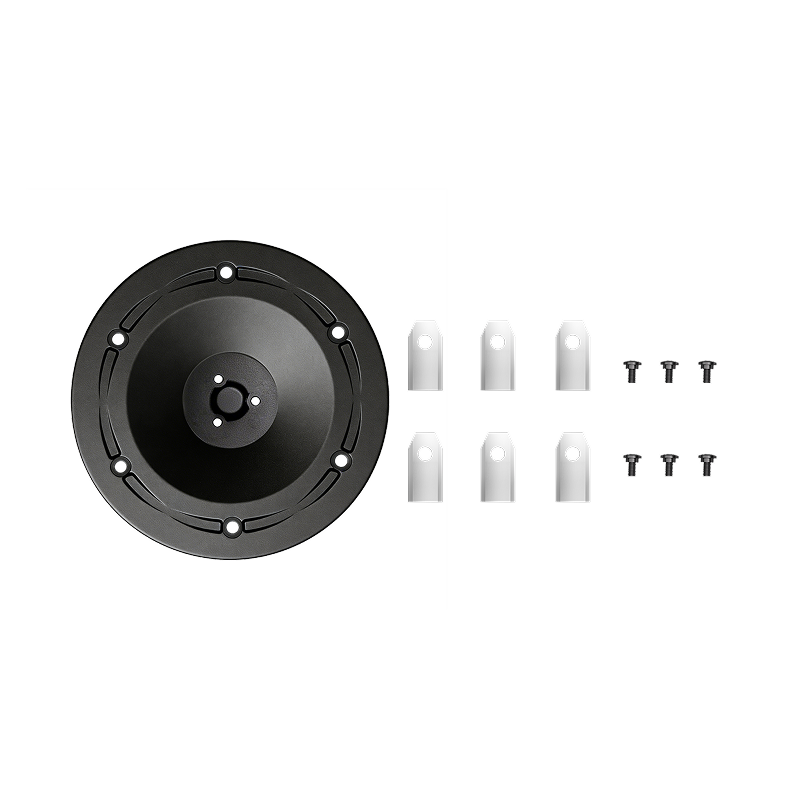
Robotic blade lawn mowers handle blade maintenance differently from traditional mowers. Among the different types of lawn mower blades, most robotic models use small, replaceable pivot blades rather than a single large cutting blade, and these are designed to be replaced rather than sharpened. Attempting to sharpen lawn mower blade edges on these small components isn't practical and can affect cutting performance.
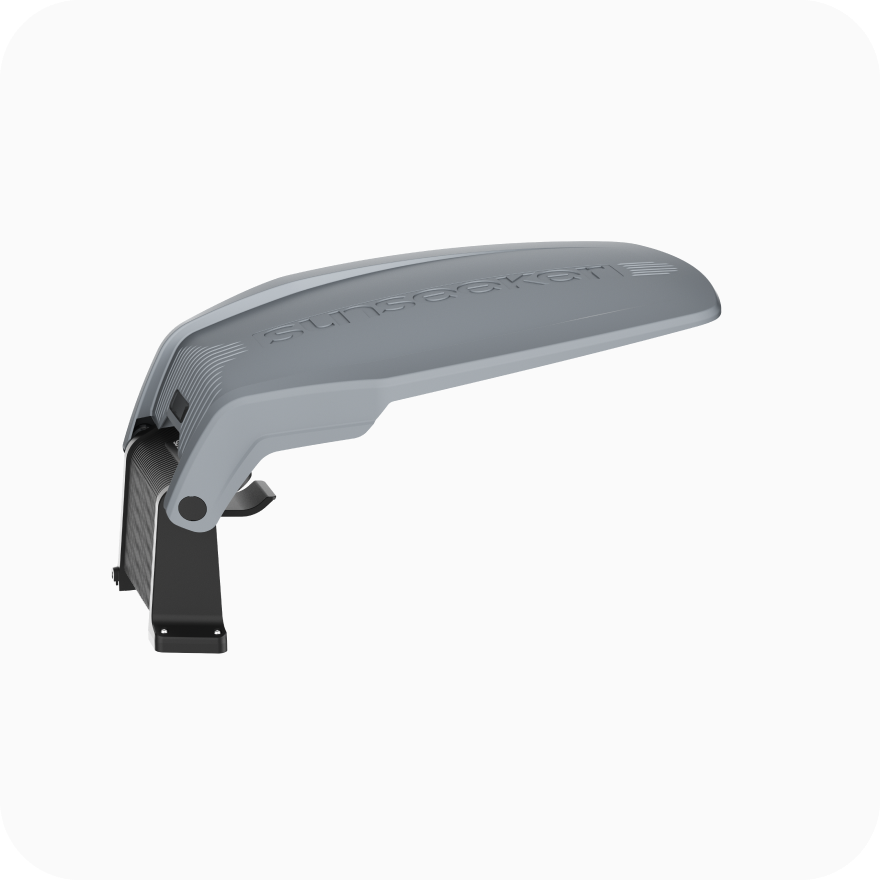
Most manufacturers recommend replacing robot lawn mower blades every one to three months depending on usage and grass type. The process is straightforward: loosen the central bolt on the blade disc, swap in fresh blades, and tighten everything back down. It takes just a few minutes to complete. If you're looking for a robotic mower with easy blade access, the Sunseeker S4 is worth considering. A compatible Blade Set is also available if you need to restock before the next season.

How to Properly Maintain Your Lawn Mower Blades
Sharpening is just one part of keeping blades in good working condition. A few additional habits extend blade life and improve cut quality over the long term.
- Clean the blade after every few uses.Grass buildup on the blade surface adds weight and throws off balance. A quick rinse or scrape after mowing prevents accumulation and makes inspection easier.
- Inspect for damage regularly. Before and after mowing, take a quick look at the blade edge. If you are wondering, "how sharp should mower blades be?", aim for an edge similar to a butter knife rather than a razor. Catching a small nick early means you can address it with a file rather than waiting until the damage is significant enough to need a full replacement.
- Mow at the right height.Cutting grass too short puts more stress on the blade and increases the chance of hitting soil or debris. Following the one-third rule, never removing more than a third of the grass height in one pass, keeps the blade working within its intended range.
- Store the mower properly.Moisture accelerates corrosion on blade edges. Storing the mower in a dry, covered space and applying a light coat of oil to the blade before long-term storage helps prevent rust between seasons.
- Relace when sharpening isn't enough.Blades have a finite lifespan. If the cutting edge is heavily nicked, bent, or noticeably thinner than it should be after repeated sharpening, replacement is the better call. Running a damaged blade risks uneven cuts and additional wear on the mower.
Conclusion
Learning how to sharpen lawn mower blades is one of the more valuable maintenance skills a homeowner can have. It's quick to do, requires minimal tools, and makes a visible difference in how your lawn looks after every mow. For traditional mowers, sharpening a couple of times per season is usually enough. For robotic blade lawn mowers, regular blade replacement is the more practical approach. Either way, staying on top of blade condition keeps your equipment running well and your lawn looking the way it should.
FAQs
What causes blades to dull fast?
Blades dull faster when they regularly contact hard objects like rocks, tree roots, or compacted soil. Mowing at too low a height increases the chance of blade-to-ground contact, which accelerates wear. Wet or thick grass also puts more load on the cutting edge. Infrequent cleaning is another factor since grass and debris buildup creates uneven weight distribution and extra friction during operation.
What is the easiest way to sharpen a lawn mower blade?
A blade sharpener attachment that fits on a standard power drill is one of the most accessible options for most homeowners. It guides the sharpening angle automatically and works quickly without requiring a bench grinder or significant mechanical experience. A flat metal file is equally effective if you prefer a manual approach and don't mind taking a bit more time to work along the cutting edge.
Can you sharpen lawn mower blades without taking them off the mower?
It's possible to run a file along the blade while it's still attached, but the results are usually uneven and it's harder to check the balance afterward. Removing the blade gives you better control over the sharpening angle, lets you inspect the full edge for damage, and makes it easy to test balance before reinstalling. For how to sharpen mower blades properly, removal is the recommended approach.
Is sharpening lawn mower blades worth it?
Yes, in most cases. A sharp blade produces a cleaner cut, reduces stress on the engine, and extends the overall life of the mower. The process takes 20 to 30 minutes and requires basic tools that most homeowners already have. Replacement blades are an option when sharpening is no longer practical, but for routine maintenance, sharpening is the more cost-effective choice.
How often should I sharpen my lawn mower blades?
For most residential lawns, sharpening once or twice per season is sufficient. If you mow frequently, have a large property, or regularly deal with thick grass, sharpening every 25 hours of use is a reasonable guideline. Inspect the blade at the start of each season and after any impact with debris to catch damage early.