A lush, vibrant yard doesn’t happen by accident; it’s the result of consistent care, proper technique, and understanding what your grass actually needs. If you’re wondering how to get a green lawn, the answer goes beyond just watering and mowing. Factors like soil health, nutrient balance, mowing habits, and seasonal care all play a critical role in achieving that rich, healthy color.
With the right steps at the right time, patchy or dull grass can become thicker and more even. Keep reading to learn simple ways to improve your lawn and keep it looking green throughout the year.

Why Is My Lawn Not Green?
Several factors can prevent a lawn from becoming lush green, including the following:
- Nutrient Deficiencies:A lack of nitrogen, which promotes leafy growth, or secondary elements like magnesium and iron, often results in yellowing, patchy turf.
- Poor Mowing Habits:Mowing the grass too low (scalping) or too infrequently weakens the plants and allows weeds and moss to take over.
- Soil Asphyxiation: If the soil is compacted, common in high-traffic areas, air cannot reach the roots, preventing nutrients from being absorbed effectively.
- Environmental Stress: A lack of water and sunshine is a primary cause of brown or dull grass, particularly during summer droughts.
- Pests and Acidity: Infestations of slugs and snails can damage turf, while using fresh (non-boiled) coffee grounds can make the soil too acidic.
How to Get a Green Lawn: 8 Effective Ways
To achieve a lush, vibrant green lawn throughout the year, follow these eight strategies:
1.Apply Nitrogen Fertilizer: Nitrogen is the primary nutrient responsible for leafy growth and is the biggest factor in making a lawn green. Use slow-release granules for sustained health and soluble fertilizers as a "snack" for a quick green-up. If you’re aiming for a deeper color and wondering how to get a dark green lawn, increasing nitrogen and iron levels is essential.
2.Utilize Ferrous Sulfate (Iron):It provides a rapid color boost without increasing grass growth, saving on mowing. It can be applied as a stand-alone "green-up" via a sprayer and has the added benefit of killing moss.
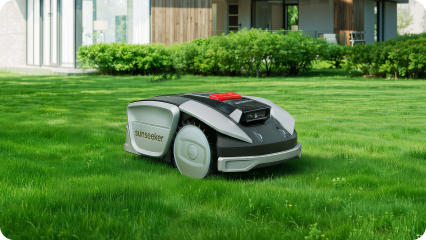
3.Master Proper Mowing: Mowing is often cited as the most important operation for a fabulous lawn. Mow high, cutting only the top third of the grass blade, to encourage deeper roots and thicker growth that crowds out weeds. Mowers like the Sunseeker V3use a Floating Cut System that adjusts to the surface, helping maintain a more consistent finish across the lawn.
4.Recycle Coffee Grounds: Used coffee grounds are an excellent organic source of nitrogen, phosphorus, and potassium. They release nutrients slowly, improve soil structure by attracting earthworms, and can even deter pests like slugs and snails.
5.Aerate the Soil: Your lawn needs air below the ground to "sparkle". Regularly aerating or spiking the soil prevents compaction (asphyxiation), ensuring that roots can effectively absorb water and nutrients.
6.Ensure Deep Watering: During summer, a lawn can lose about 24.5 liters of water per square meter per week. Watering thoroughly once a week, preferably in the early morning, replaces this loss and prevents the grass from going dormant.
7.Choose the Right Grass and Overseed: Naturally greener varieties, such as Rye grass, can significantly improve the look of your lawn. Regularly overseeding thin or bare patches with fresh seed helps maintain a thick sward that resists moss and weeds, making it a key step if you’re looking for how to get a thick green lawn.
8.Targeted Winter Care: To "out-green the neighbors" in the colder months, apply a specialized winter fertilizer during mild spells. These products contain less nitrogen but plenty of iron and potassium to maintain color and resist winter stress.
Lawn Care Tips by Season
These seasonal lawn care tips can help you adjust mowing, watering, feeding, and maintenance as conditions change throughout the year. In spring, the main goal is to prepare your lawn for active growth as temperatures rise:
- Clean and Rake: Remove sticks, winter debris, and dead grass to allow the lawn to breathe.
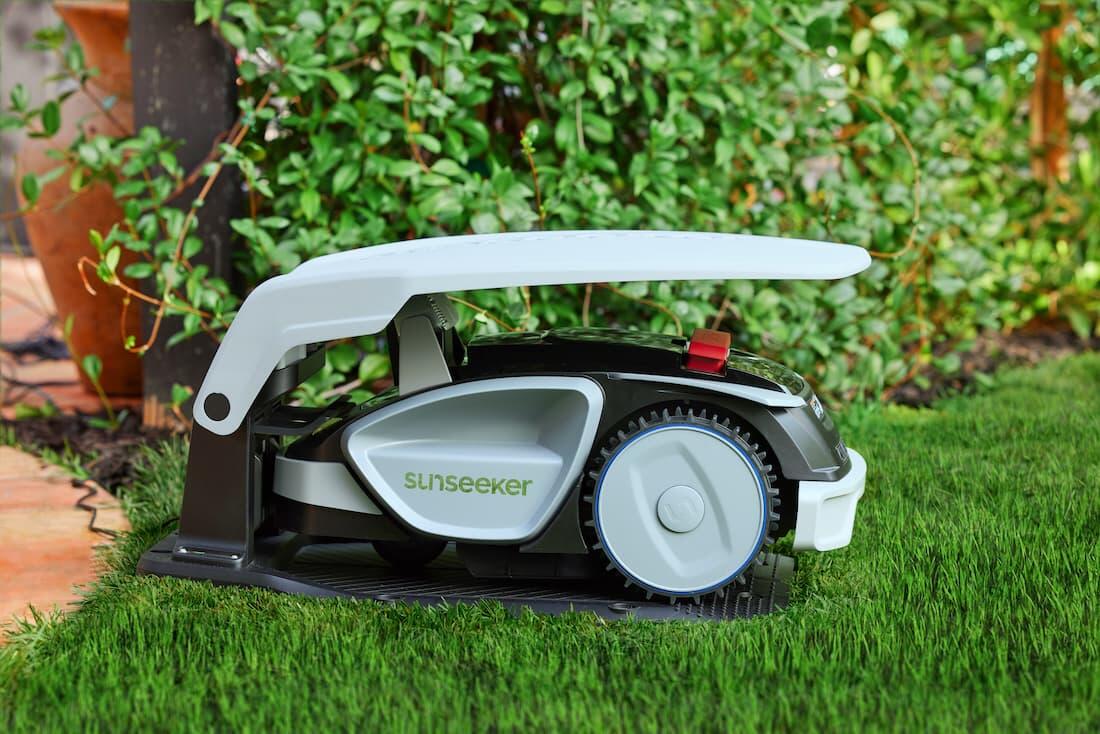
- Initial Mowing:Start mowing as soon as the grass begins to grow, using the highest setting on the mower for the first cut to avoid stressing the plants. For small gardens, the Sunseeker V1 is a smart choice, weighing only 6.7kg and offering ReadyGo™ one-click mowing that requires no wire installation.
- Apply Fertilizer:Use a nitrogen-rich or slow-release fertilizer to provide the nutrients needed for a fast green-up after winter dormancy.
- Weed Prevention: Apply pre-emergent treatments for weeds like crabgrass when soil temperatures reach approximately 55°F (13°C).
- Repair and Overseed:Fix bare spots from winter damage and overseed thin areas to promote a thick, lush lawn.
In the heat of summer, the focus shifts to moisture retention and protecting grass roots:
- Mow High: Raise your mower blades to 2.5-3.8 cm to shade the roots, reduce water loss to evaporation, and promote deeper root growth.
- Deep Watering: Most lawns require roughly 25-32 mm of water weekly (about 24.5 liters per square meter); water in the early morning to minimize loss.
- Feeding Schedule:Continue feeding warm-season grasses every four to eight weeks, while cool-season grasses benefit from treatments that help them resist heat and drought stress.
- Pest Control: Monitor for turf pests like grubs and treat them while they are still small and feeding near the surface.
Autumn is the ideal time for lawn renovation and preparing for the colder months:
- Late-Season Feeding:Apply fertilizer in early fall to strengthen roots before the first frost; for cool-season lawns, this is their most active growth period.
- Renovation:Aerate, dethatch, and overseed cool-season lawns to thicken the turf, as fall conditions are perfect for seed germination.
- Leaf Management: Regularly rake or mulch fallen leaves into small pieces so they do not block sunlight or air from reaching the grass.
- Shorten the Cut: Gradually lower your mower blades for the final mows of the season to prevent the grass from matting under snow or wet leaves.
Lawn care in winter focuses on protection and preparation for the following spring:
- Limit Traffic: Protect dormant grass plant crowns by limiting foot traffic and avoiding parking vehicles on the lawn.
- Winter Fertilizing: During mild spells where temperatures stay at 5°C (41°F) or above, you can apply specialized winter fertilizers containing iron and potassium to maintain color.
- Safe Ice Melt:Only use ice melt products designed for lawns, as excessive rock salt can damage roots.
- General Maintenance: Keep the lawn clear of stones and debris; use this time to clean and sharpen all tools in preparation for spring.
Conclusion
If you've been wondering why is my lawn going yellow, issues such as improper mowing, nutrient imbalances, inconsistent watering, or poor soil conditions may be contributing factors. Small adjustments, like choosing the right grass type, aerating regularly, and overseeding when needed make a noticeable difference in both color and density. Stick to these fundamentals, and your lawn won't just look greener; it will be stronger, thicker, and far more resilient throughout the seasons.
FAQs
How to get a lawn green quickly?
Liquid feeds and soluble nitrogen fertilizers provide immediate results because they are absorbed quickly by the grass. For an "instant green" effect, you can spray a mixture of 1g ferrous sulfate and 4–5g soluble fertilizer every 4–6 weeks during the growing season.
Is October too late to fertilize grass?
No, October is not too late. Grass continues to grow as long as temperatures remain at 5°C or above. Applying a specialized winter fertilizer during mild spells helps maintain a green lawn throughout the colder months.
Do coffee grounds make grass green?
Yes. Used coffee grounds are rich in nitrogen, which is essential for healthy, green leafy growth. They also provide phosphorus, potassium, and magnesium, which are released slowly as the grounds break down. This organic matter improves soil structure by attracting earthworms and beneficial microbes.