A healthy lawn doesn't usually turn yellow overnight. Small changes in color are often a sign of a bigger problem that has developed over time. Many homeowners ask “Why is my lawn going yellow?” after noticing dull patches spreading across their yard. The good news is that yellow grass is often reversible once the real cause is identified.
Instead of guessing, it's better to understand what your lawn is trying to tell you. In this article, we'll guide you through the most common causes of yellow grass, practical solutions, and tips to keep your lawn green and healthy.
How Do You Diagnose the Cause of Yellow Grass?
Several issues can cause yellow grass, so it's important to identify the cause before applying a solution to prevent unnecessary treatments. Here are some common signs to help you figure out what's going on:
| Sign |
Possible Cause |
What to Check |
| Yellow patches after mowing |
Cutting grass too short (scalping) |
Measure mowing height and inspect exposed stems. |
| Ragged yellow tips across the lawn after mowing |
Dull mower blades |
Inspect the grass for torn blade tips. |
| Yellow grass with dry soil |
Underwatering |
Check the soil’s moisture level 5–8 cm below the surface. |
| Soft yellow areas with a musty smell |
Overwatering or poor drainage |
Look for standing water or soggy soil. |
| Circular yellow or brown spots |
Lawn/fungal disease |
Inspect for fungal growth or spreading rings. |
| Pale yellow grass with slow growth |
Nutrient deficiency |
Consider a soil test for nitrogen and pH levels. |
| Yellow or brown grass shortly after fertilizing |
Too much fertilizer |
Review your recent fertilizer application. |
| Yellow grass in heavily used areas |
Compacted soil |
Press a screwdriver into the soil to see if it feels hard or compact. |
Why Is My Lawn Going Yellow and How to Fix?
Once you've identified the likely cause, you can choose the right solution. The steps below explain how to get a green lawn again once the specific mowing, watering, drainage, disease, or nutrient problem behind the yellowing has been identified.
1.Grass Cut Too Short (Scalping)
Yellow patches appear after mowing because the grass was cut too short. This removes too much of the leaf surface, which exposes the stems to direct sunlight and heat stress. If you're asking, “Why is my lawn yellow?”, your mowing height could be the reason. Raise your mower to the recommended height for your grass type and avoid cutting more than ⅓ of the grass blade height in a single mow.
2.Dull Mower Blades
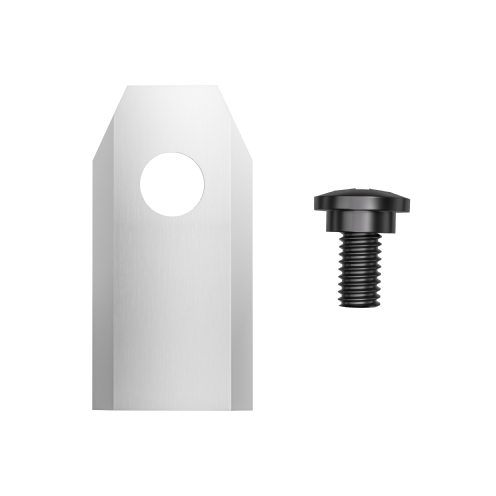
Instead of making clean cuts, dull blades tear and shred the tips of grass blades, leaving the lawn with a ragged, yellowish appearance. If you are wondering, “Why is my lawn turning yellow?”, dull mower blades could be one possible cause because the damaged grass becomes more vulnerable to heat, drought, and disease. To ensure clean cuts that heal more quickly, sharpen your mower blades regularly or replace them when they are worn.
3.When the soil is dry, grass roots can't absorb enough moisture, which causes the grass to turn yellow. This is especially common during hot, dry weather or long periods without rainfall. During prolonged heat and drought, a heatwave survival guide for your lawn can help you adjust watering depth, mowing height, and foot traffic until cooler conditions return. To encourage stronger, deeper roots, water your lawn deeply once or twice a week.
4.Overwatering or Poor Drainage
Soft, yellow patches with a musty smell indicate that the soil is too wet. Excess moisture limits the amount of oxygen around the roots, creating favorable conditions for fungal growth. Reduce your watering frequency from daily watering and improve drainage by aerating, or redirecting standing water if poor drainage is the underlying problem.
5.Lawn Disease
Yellow patches that continue to spread are caused by fungal diseases, especially in warm, humid conditions. “Why is my new lawn turning yellow?” can sometimes be explained by fungal infections if newly installed sod stays wet for too long while establishing roots. To prevent this, water your lawn early in the morning and treat it with an appropriate fungicide if the disease continues to spread.
6.Nutrient Deficiency
Grass that looks pale yellow and grows slowly may not be receiving enough nutrients, especially nitrogen. Without enough nutrients, chlorophyll production is reduced, causing the lawn to lose its healthy green appearance. Test your soil before fertilizing and apply a balanced fertilizer based on the results to promote healthy growth without overfeeding the lawn.
7.Too Much Fertilizer
Although fertilizer helps grass stay green, applying too much can have the opposite effect. Excess nitrogen builds up in the soil and burns the grass. This is one answer to the question, “What causes lawn to turn yellow?”. If you have already over-fertilized, water the lawn thoroughly to help flush excess nutrients from the soil.
8.Compacted Soil
Compacted soil restricts the movement of water, oxygen, and nutrients. This makes it difficult for grass roots to grow and absorb what they need. As the roots weaken, the lawn gradually loses its healthy green color. It often develops in lawns with frequent foot traffic or heavy clay soil. To solve this problem, aerate the lawn by creating small holes in the soil.
How Can You Prevent Your Lawn From Turning Yellow Again?
Prevention is often easier than repairing damaged grass. To keep your lawn green and healthy throughout the growing season, follow these habits before it turns yellow again:
- Water Deeply but Less Frequently
Watering your lawn deeply once or twice a week encourages roots to grow deeper into the soil, making the grass more resilient during hot and dry weather. Avoid frequent shallow watering, as it can weaken the root system and increase the risk of both drought stress and overwatering.
- Maintain a Consistent Mowing Schedule
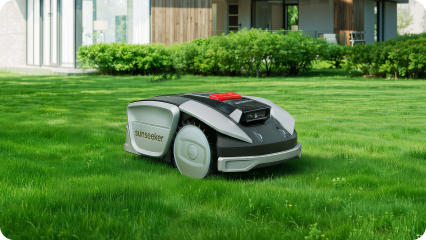
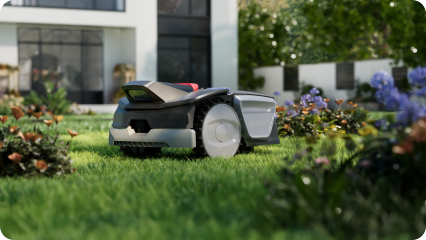
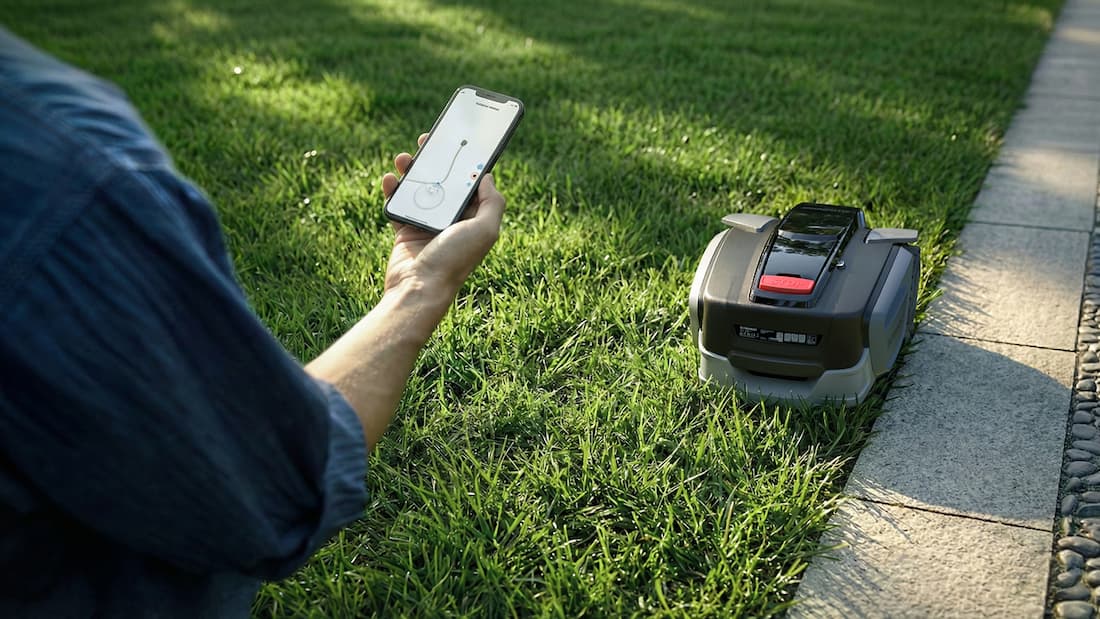
Allowing grass to grow too long between mowing sessions can stress the lawn and increase the risk of yellowing. Using robot lawn mowers makes it easy to maintain regular mowing with app-based scheduling and AI-powered navigation for precise, even cutting.
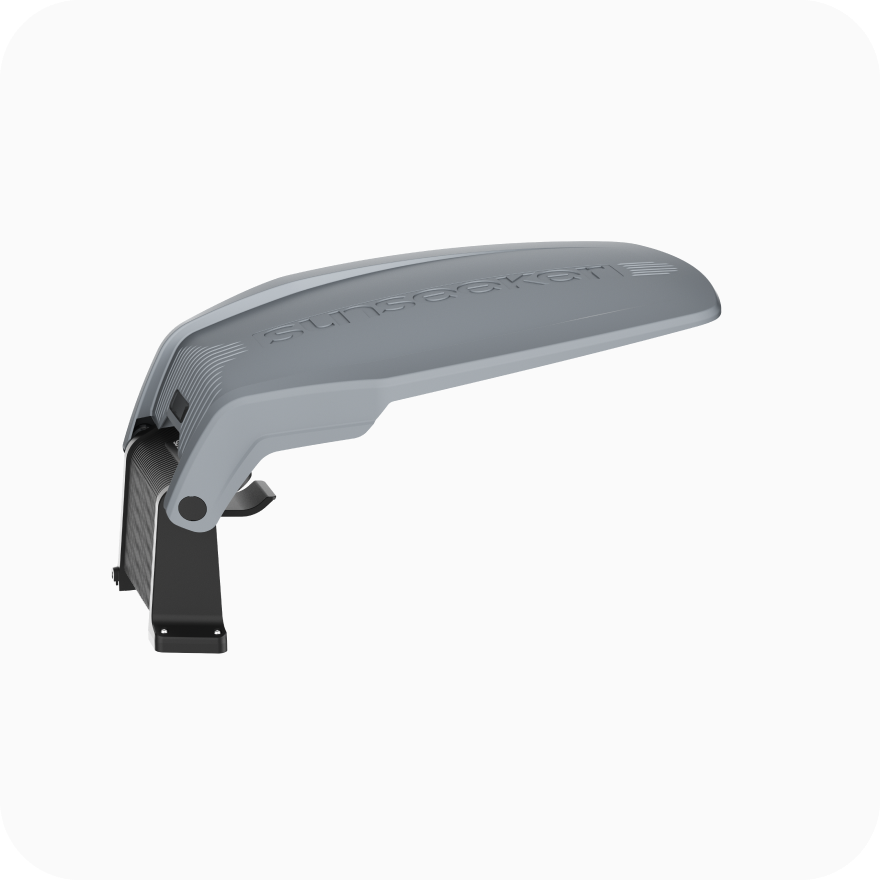
Cutting grass too short can weaken the lawn, increase heat stress, and make it more prone to yellowing. Robot mowers like the Sunseeker S5 help homeowners maintain healthier grass with less effort. Its adjustable cutting height (20–60 mm) lets you customize the cut by grass type and season, helping the lawn retain enough leaf surface to stay green. The built-in rain sensor pauses mowing on wet grass to reduce uneven cuts and fungal risk, while the floating cutting system follows uneven terrain to minimize scalping.

Conclusion
A yellow lawn is usually a sign that something in its growing conditions needs attention. Whether the cause is from watering, mowing, or soil conditions, identifying the issue early on makes recovery much easier. If you've been asking “Why is my lawn going yellow?”, following the above tips to diagnosing and fixing the problem will often restore your lawn's healthy green color.
FAQs
Can yellow grass turn green again?
Yes, yellow grass can often turn green again if the underlying cause is corrected before the roots die. Adjusting your watering schedule, mowing at the proper height, improving soil conditions, or treating lawn diseases can help the grass recover. The sooner you address the problem, the better the chances of restoring healthy growth.
What is the best fertilizer for yellow grass?
The best fertilizer depends on why your lawn has turned yellow. If the problem is a nitrogen deficiency, a slow-release fertilizer with balanced nutrients is often a good choice. Before applying fertilizer, consider testing your soil to avoid adding nutrients your lawn doesn't need or causing fertilizer burn.
How long does it take for yellow grass to recover?
Recovery time varies depending on the cause and the condition of the grass. Minor stress from mowing or watering issues may improve within two to four weeks after proper care. If fungal diseases or severe root damage are involved, recovery can take longer and may require additional lawn treatments or overseeding.