A heatwave can turn a normally green lawn into a dull, brittle surface almost overnight. You may see footprints that stay visible, grass blades curling like needles, or brown patches that look worse each afternoon. It is stressful because mowing, watering, and feeding habits that work in mild weather can suddenly push the lawn harder.
A practical heatwave survival guide for your lawn starts with restraint. The goal is not to force fast growth during extreme heat. It is to keep the crowns and roots alive, reduce extra stress, and give the grass a clear path back once the heat breaks. Read on to learn how to keep grass alive during hot weather.

How Does a Heatwave Affect Your Lawn?
Extreme heat changes the way grass uses water, stores energy, and protects itself. A lawn may look like it is failing, but some of the visible stress is the plant slowing growth to survive.
Most cool-season grasses start to struggle when daytime temperatures stay above about 29°C, especially when nights remain warm. Soil temperatures above about 24°C slow root growth, so the lawn has less ability to pull moisture deeper in the soil. Warm-season grasses tolerate heat better, but they can still decline when air temperatures sit near 35°C or higher with dry soil, compacted ground, or reflective heat beside pavement.
During a heatwave, grass closes tiny pores in the leaves to slow water loss. This helps the plant survive, but it also reduces photosynthesis. Growth slows, color fades, and blades may fold or roll to expose less surface area to the sun. If moisture stays low, the plant may enter dormancy. Dormant grass often looks tan or straw-colored, yet the crown near the soil can remain alive. The danger rises when heat stress combines with scalping, heavy traffic, fertilizer burn, disease, or shallow daily watering.
How to Know If Your Lawn Is Heat Stressed?
Heat stress has a few clear warning signs. Checking them early helps you act gently, instead of overwatering, overfeeding, or cutting the lawn too short in a panic.
Look at the lawn in the morning, not only during the hottest part of the afternoon. Afternoon wilt can happen even in a lawn with decent moisture. Morning stress is more serious because the grass had all night to recover and still looks weak.
Color shifts to blue-green, gray-green, purple-green, or dull brown instead of a fresh green tone. When diagnosing why your lawn is going yellow, compare its morning color, soil moisture, and damage pattern before blaming heat alone, because disease, pests, and irrigation gaps can look similar.
Footprints, mower tracks, or pet paths stay visible for more than 30 minutes after pressure is removed.
Grass blades fold, roll, or feel sharp and wiry instead of flat and flexible.
The surface feels hot, dry, or crusted, and a screwdriver is hard to push 10 to 15 cm into the soil.
Patch edges are uneven and tied to sunny slopes, pavement edges, compacted paths, or shallow-rooted areas.
Do not assume every brown patch is heat damage. Circular spots, greasy-looking blades, orange dust, or fast-spreading rings can point to lawn disease. Loose turf that peels up easily may suggest grub damage. A simple soil moisture check and a close look at the roots can prevent the wrong treatment.
How to Take Care of Your Lawn During a Heatwave?
During extreme heat, the best care is calm, consistent, and protective. These five tips help the lawn hold moisture and avoid extra damage until temperatures ease.
Tip 1. Water deeply in the early morning
Water between 4 a.m. and 9 a.m. so moisture reaches the root zone before the hottest hours. Most lawns need about 2.5 to 4 cm of water per week in summer, including rain, but heatwaves may call for the upper end of that range. Apply water in one or two deep sessions, not tiny daily sprays. If runoff starts, pause for 20 minutes, then continue.
Tip 2. Raise the mowing height and cut less often
Longer grass shades the soil, protects crowns, and slows evaporation. Keep cool-season lawns around 9 to 10 cm during heat, and avoid removing more than one-third of the blade in a single cut. Skip mowing when grass is wilted, crunchy, or dormant. Once active growth returns, short, regular trims are safer than sudden heavy cuts.
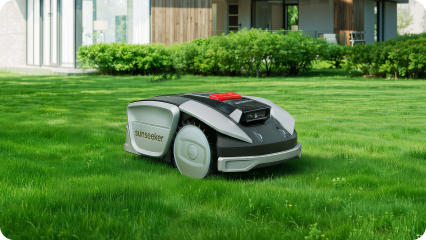
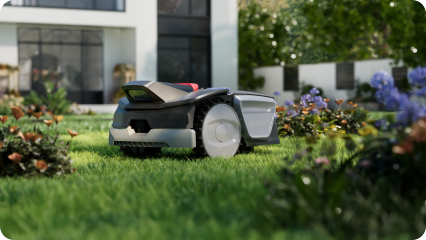
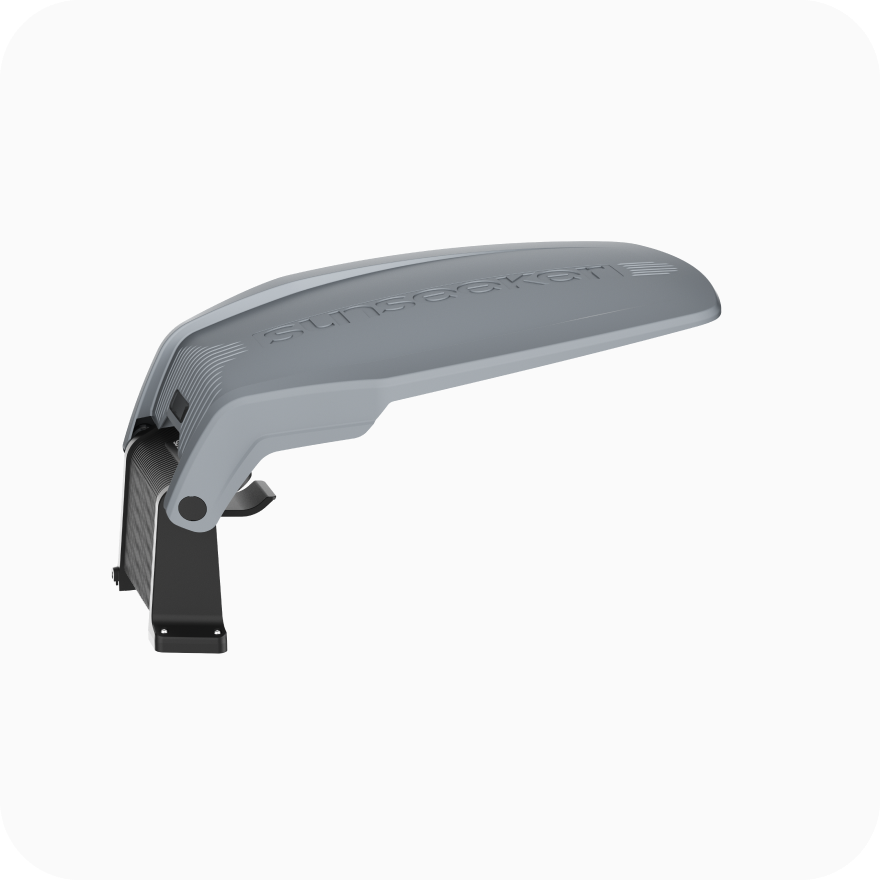
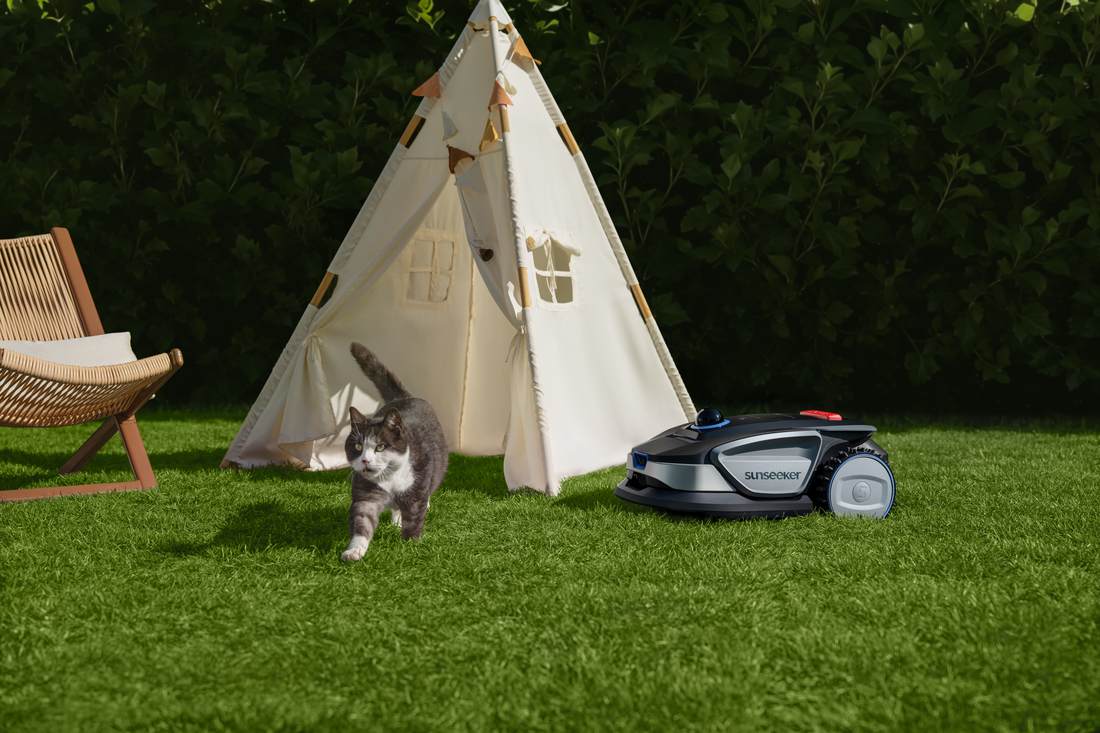
For homeowners who want steadier maintenance after the heatwave, the Sunseeker S4 can help with routine light mowing on an already established lawn. Its app schedule setting and 4 to 8 cm cutting height range make it easier to avoid cutting too low while keeping growth even during normal summer care.
Tip 3. Reduce traffic on stressed areas
Heat-stressed grass is less springy, so shoes, pets, games, and mower wheels can crush the crowns more easily. Keep children, equipment, and temporary furniture away from dry patches during the hottest stretch. If a path across the lawn is unavoidable, use stepping stones, a board, or a temporary walkway to spread pressure. This is especially useful near gates, patios, and sunny slopes.
Tip 4. Hold off on fertilizer and weed killer
Fertilizer pushes new growth when the plant is already short on water, and many herbicides can scorch turf when temperatures climb above 29°C. During a heatwave, focus on moisture and protection instead. Save feeding, broadleaf weed treatments, dethatching, and aeration for cooler active-growth periods. If weeds are present, hand-pull the worst ones after watering, when the soil is softer.
Tip 5. Check sprinkler coverage and soil moisture
Heat often reveals weak irrigation zones. Place several empty tuna cans or rain gauges across the lawn and run the sprinkler for 20 minutes. If one area collects half as much water as another, adjust the head, nozzle, or runtime. Soil should be moist about 8 to 10 cm deep after watering, not just damp on top. Deep moisture supports roots; a wet surface alone encourages shallow rooting.
What Should You Avoid During Extreme Heat?
Some common lawn tasks feel helpful in the moment but add stress during extreme weather. Avoiding them is often just as important as watering correctly.
Do not scalp the lawn. Very short grass exposes soil to more sun and weakens the crown.
Do not fertilize during peak heat. Nitrogen can increase burn risk and force growth the roots cannot support.
Do not apply weed and feed, selective herbicide, or moss killer on hot days. Many labels warn against use above 29°C.
Do not aerate, dethatch, or power rake a heat-stressed lawn. These jobs disturb crowns and roots.
Do not water lightly every afternoon. It wastes water, cools the surface briefly, and can leave deeper roots dry.
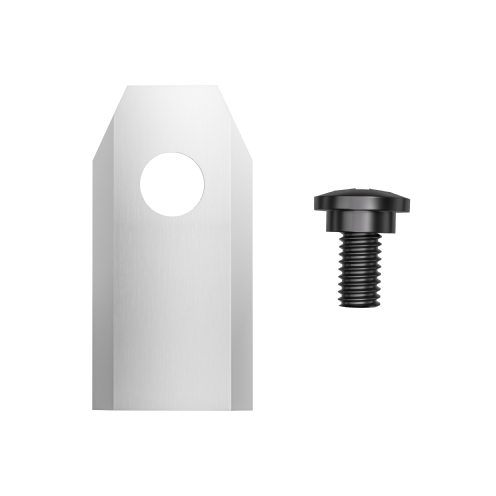
Do not mow with dull blades. Torn grass loses more moisture and browns faster at the tips.
Also avoid judging the whole lawn by its worst afternoon appearance. A lawn may look tired at 4 p.m. and look partly recovered the next morning. Morning condition, soil moisture, and crown health are better guides than afternoon color alone.
How Can You Help Your Lawn Recover After a Heatwave?
Recovery should happen in stages. Pushing a weak lawn too quickly can turn temporary dormancy into lasting damage.
To understand how to revive dormant grass after a heatwave, wait for a break in the weather before taking recovery steps. When daytime temperatures drop back below about 29°C and nights become cooler, resume deeper watering if rainfall is not enough. Check the crown area at the base of the grass. If crowns are firm and pale green or white, the plant may recover. If crowns are dry, brittle, and detached, those areas may need repair.
After the lawn begins to green up, mow only if the grass has enough height to cut safely. Use a sharp blade and keep the mower high for the first few cuts. Remove only the dry tips, not the full stressed blade. Lightly rake dead debris once the grass is no longer fragile, then patch thin areas with seed suited to your region. Cool-season lawns often repair best in early fall, while warm-season lawns recover most actively during late spring and summer when soil is warm.
If patches stay brown after two to three weeks of better weather and proper watering, look for deeper issues. Dig a small square of turf and inspect the roots, soil moisture, and insect activity. Compacted soil may need core aeration in a cooler season. Pest damage, fungal disease, or irrigation gaps need targeted correction before reseeding, or the same patches may fail again.
Conclusion
A strong heatwave survival guide for your lawn is built around protection, not forcing growth. Water deeply in the morning, mow higher only when the lawn can handle it, pause chemicals and heavy repairs, and give stressed areas time to recover. Long-term summer care also depends on steady mowing habits, healthy soil, and realistic expectations during extreme weather. For easier routine upkeep after the lawn is actively growing again, you can explore Sunseeker Robot Lawn Mowers as part of a calmer seasonal maintenance plan.
FAQs
Can grass recover after a heatwave?
Yes, grass can recover after a heatwave if the crowns and roots are still alive. Dormant grass may look tan for a while, then green up after cooler weather and steady moisture return. If the crowns are dry, brittle, or easy to pull out, those areas may need reseeding or sod.
What happens when your lawn is heat stressed?
Heat-stressed grass slows growth, folds or rolls its blades, loses bright color, and may leave visible footprints after walking. The lawn is trying to reduce water loss. If stress continues, it may go dormant. Extra mowing, fertilizer, traffic, or shallow watering can turn short-term stress into real turf loss.
Which grass types handle extreme heat best?
Warm-season grasses usually handle extreme heat better than cool-season types. Bermuda grass, zoysia grass, buffalo grass, and bahia grass are known for better heat tolerance once established. Cool-season grasses such as tall fescue can handle some summer stress, but Kentucky bluegrass and perennial ryegrass often need more careful watering during heatwaves.