If your lawn looks brown and dry, it’s easy to think the grass is dead. In many cases, it’s just dormant. Grass goes into this resting stage during heat, drought, or when water is limited. The surface may look lifeless, but the roots are still alive and can recover when conditions improve.
Learning how to revive dormant grass can save you time and effort. In this guide, we’ll show you how to bring it back and help it grow strong without causing damage.
What Is Dormant Grass?
Dormant grass is grass that has paused its growth. When the weather gets too hot, too dry, or too cold, the grass protects itself by slowing down and turning brown. It may look dead, but the roots are still alive under the soil, waiting for better conditions.
Many people worry when their lawn loses its green color, but this is a natural response. The grass is saving water and energy so it can survive. Once the weather improves and you start proper care, it can come back. Learning how to get grass out of dormancy is often easier than it seems, as the lawn is simply waiting to grow again.
Why Does Grass Go Dormant?
Grass doesn’t go dormant for no reason. It’s a natural way to survive tough conditions. When the lawn faces stress, it slows down growth to protect the roots and save water and energy. The stress includes:
- Hot, dry weather:Long periods of heat and little rain dry out the soil. Without enough moisture, grass can’t keep growing, so it turns brown to conserve water.
- Cold temperatures: In winter, low temperatures and less sunlight make it hard for grass to grow. It goes dormant to protect itself until warmer days return.
- Lack of water: Irregular or insufficient watering can slowly stress the lawn. Over time, the grass shuts down to survive the dry conditions.
- Soil stress: Poor soil quality or compacted ground can limit how much water and nutrients reach the roots, which can also trigger dormancy.
How Can You Tell if Grass Is Dormant or Dead?
One easy test is the tug test. Gently pull a small patch of grass. If it resists and stays rooted in the soil, the grass is likely dormant. Dead grass, on the other hand, usually pulls out easily because the roots have already died.
Another clue is the color and texture. Dormant grass often looks uniformly brown or straw-colored, especially during hot or dry weather. But the crowns and roots underneath remain healthy. Dead grass usually appears patchy, brittle, and may leave bare spots in the lawn. This distinction matters because dormant lawns can recover.
How to Bring Back Dormant Grass Step by Step?
Bringing dormant grass back to life requires the right care and a few smart fixes. These simple steps will help your lawn turn green and healthy again.
Step 1: Check the Condition of the Grass
Take a closer look at the base of the grass. Focus on the crown, where the blades meet the roots. It should feel firm and slightly moist. If it still looks healthy, your lawn is likely dormant, not dead.
Try a simple pull test as well. Gently tug on a small patch of grass. If it stays in place, the roots are still alive. If it comes out easily, that area is likely dead and may need reseeding.
Step 2: Water the Lawn Properly
Water plays a big role in helping grass recover. Many people ask, should you water dormant grass, and the answer is yes, especially during dry periods. Grass often turns dormant because it isn’t getting enough moisture.
So, how much water to revive dormant grass? A good guide is about 25-50 mm of water each week, including rainfall. Water deeply so it reaches the roots, not just the surface. Early morning works best, as it helps reduce water loss during the day.
Step 3: Improve Soil Airflow
Sometimes compacted soil prevents water and nutrients from reaching the roots. Light aeration can help by creating small openings in the soil. These holes allow air, moisture, and nutrients to travel deeper, which supports root recovery. However, avoid heavy aeration during extreme summer heat. If your lawn went dormant in summer, wait for slightly cooler conditions before aerating.
Step 4: Feed the Lawn at the Right Time
Once the grass begins to show signs of life, a balanced fertilizer can support recovery. Nutrients like nitrogen and potassium help strengthen the roots and promote fresh green growth. The key is timing. Fertilizing while the lawn is fully dormant won’t do much. Wait until you see early signs that the grass is starting to wake up.
Step 5: Reseed Thin or Bare Areas
In some spots, the grass may not recover on its own. If certain patches are thin or completely bare, reseeding can help restore those areas. Choose a grass seed that matches your existing lawn type and spread it evenly across the damaged sections. Lightly rake the soil so the seeds make good contact with the ground, then keep the area moist while the new grass establishes.
Step 6: Manage Weeds and Lawn Pests
Weeds and insects can slow down recovery. They take water and nutrients that your grass needs to grow back. Keeping weeds under control helps your lawn regain strength more easily.
It’s also a good idea to check for pests like grubs or chinch bugs. These can damage grass that is already weak. While working on how to get grass out of dormancy, watch for any signs of damage so you can deal with problems early.
Step 7: Follow Good Lawn Care Habits
As the lawn starts to recover, simple care helps it stay healthy. Keep mowing at the right height, water regularly, and use the right amount of fertilizer. When you stay consistent, the grass will slowly turn green again over the next few weeks.
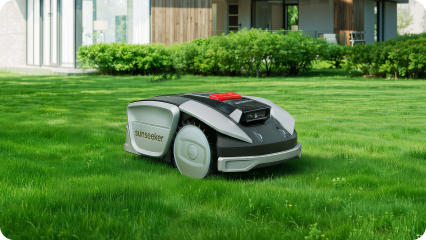
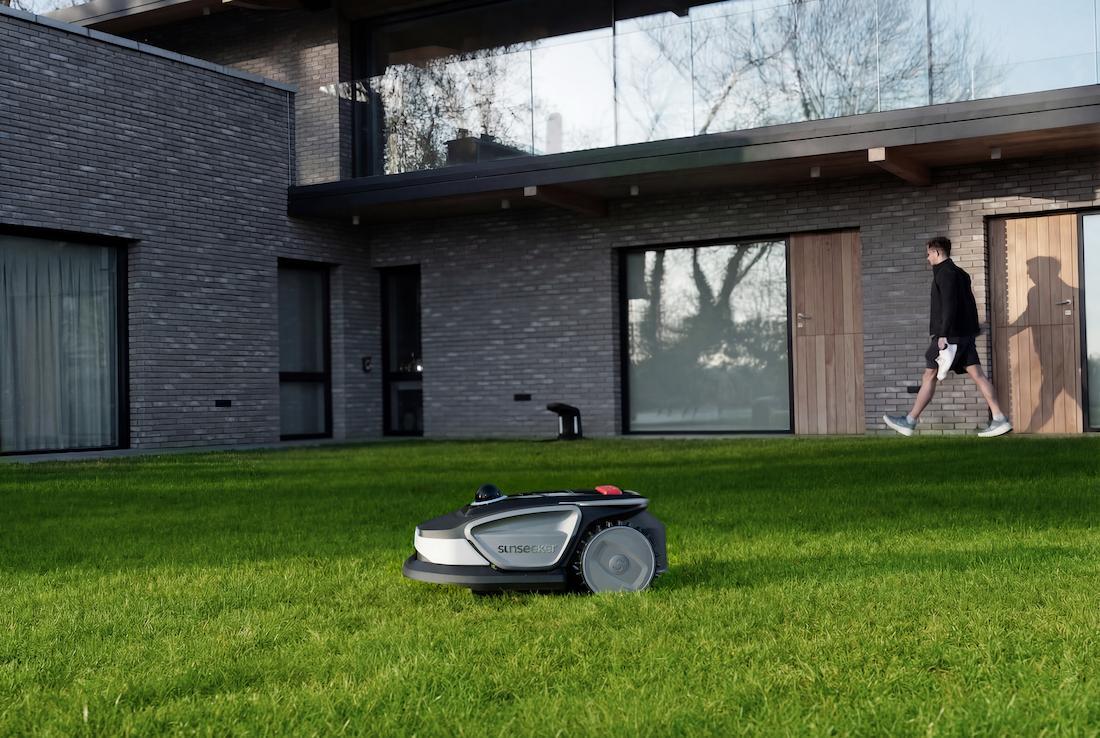
To make things easier, tools like the Sunseeker S4 can take care of mowing for you. It uses the AllSense™ 3D Fusion Sensing System to understand your yard, with 3D 360° obstacle avoidance to move safely around trees, toys, and garden edges. It also creates its own map and plans efficient paths for even cutting. With no wires or antennas to install, it runs on its own and keeps the lawn neat while your grass continues to recover.
When Is the Best Time to Revive Dormant Grass?
Timing is important when bringing your lawn back. The best time is usually early spring or fall, when the weather is mild and the soil holds moisture better. Lawns naturally respond faster during these periods, making recovery smoother and more even.
As spring settles in and Easter approaches, many lawns begin to look greener and more alive. It’s also a great time to enjoy your outdoor space again. To celebrate the season, Sunseeker is hosting an online Easter activity on Instagram, where you can join a fun lawn-themed challenge and interact with the community. It’s easy to take part, and there are rewards waiting for participants.
How Can You Prevent Grass Dormancy in the Future?
Dormancy is natural, but following a heatwave survival guide for your lawn can reduce how often it happens. The most important factor is consistent watering. Lawns that receive steady moisture are less likely to shut down during hot weather.
Mowing practices also matter. Cutting grass too short weakens it and makes it more vulnerable to heat stress. Keeping the grass slightly taller helps shade the soil and retain moisture.
Fertilizing at the right time supports healthy growth as well. Strong, well-fed grass is better equipped to handle heat, drought, and seasonal stress without slipping into dormancy.
Conclusion
A brown lawn can look worrying, but in many cases, the grass is still alive. It is simply resting and protecting itself from tough conditions. Once you know how to bring back dormant grass, the process feels much more manageable.
If you're wondering how to get a green lawn, stay consistent with care. Over time, the lawn will slowly regain its color and strength, turning dry, dull grass back into a healthy green yard.
FAQs
How long to revive dormant grass?
The timeline can vary, but most lawns begin to show signs of life within one to three weeks once they get enough water and better weather. At first, you may notice small green patches starting to appear, followed by more even growth across the lawn.
Full recovery usually takes a bit longer. Depending on how stressed the grass was, it can take several weeks for the lawn to look thick and healthy again.
Is October too late to fertilize grass?
In most regions, October can still be a good time to fertilize, especially for cool-season grasses. Fall fertilization helps strengthen the roots before winter and supports healthier growth the following spring.
What helps dormant grass turn green?
Consistent watering, improved soil health, and proper nutrients are the main factors that help lawns recover. Most lawns need about 25-50 mm of water per week, including rainfall. Once the roots receive enough moisture, the grass can begin producing new green blades again.
How to revive dormant grass in summer?
Focus on steady, deep watering during early mornings. This helps moisture reach the roots and reduces water loss in the heat. Avoid frequent light watering, as it won’t support recovery.
Keep foot traffic low and hold off on heavy mowing or fertilizing. Give the grass time to rest and recover. As temperatures ease and moisture improves, green growth will slowly return.