Mowing the lawn won't eliminate ticks, but it makes your garden significantly less hospitable to them. Ticks depend on tall, moist, shaded grass to survive. Keeping the lawn short reduces their preferred habitat, exposes them to drying conditions, and removes the cover they use to reach passing hosts.
Mowing is one of the most accessible things a homeowner can do to reduce tick pressure in the garden. But does mowing the lawn kill ticks effectively enough to make a real difference? It's worth understanding what it actually achieves and where its limits are. This guide covers the science behind ticks and grass, what mowing does and doesn't do, and the additional steps that make the biggest difference for keeping a garden safer throughout tick season.

Why Do Ticks Live in Your Lawn?
Ticks are not insects. They are arachnids, and their survival depends heavily on moisture. Unlike insects, ticks cannot regulate water loss through their exoskeletons, which means exposure to dry, sunny conditions can be fatal for them. This makes the microclimate at ground level in your garden extremely relevant to whether ticks can survive there.
Tall, uncut grass creates exactly the conditions ticks need: shade that prevents the ground from drying out, humidity trapped close to the soil, and dense vegetation that ticks can cling to while waiting for a host to pass by. Short, open lawn exposes the ground to sun and airflow, making it a much less viable environment.
Ticks don't hunt actively. They wait on grass stems or leaves at a height where they can grab onto a passing animal or person, a behaviour called questing. Tall grass gives them more surface area and keeps them closer to the movement paths of potential hosts. This is why the edges of lawns, where mown grass meets unmown areas, hedges, or garden beds, tend to harbour far more ticks than open, well-maintained turf.
Does Mowing the Lawn Kill Ticks or Just Reduce Them?
Does mowing the lawn kill ticks across the whole garden? Not reliably. Many ticks avoid the mower blade by sheltering at the base of grass stems or dropping to the soil surface, so direct physical elimination is limited. Ticks also concentrate along the edges of the lawn where it meets longer growth, hedges, or leaf litter. These transition zones retain the moisture and cover short lawn no longer provides. Tick density there remains highest regardless of how short the central lawn is kept.
In practice, though, regular mowing does meaningfully reduce tick numbers. Short grass dries out faster, receives more direct sunlight, and removes the questing height ticks rely on to reach passing hosts. Ticks are highly sensitive to dehydration, and a lawn kept short throughout the season creates sustained conditions that are hostile to their survival and reproduction. Done consistently, mowing is one of the most effective tools in lawn tick control, not because it kills every tick, but because it makes the open lawn increasingly difficult for them to inhabit over time.
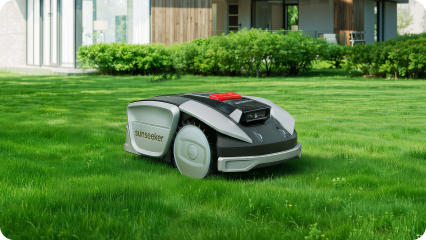
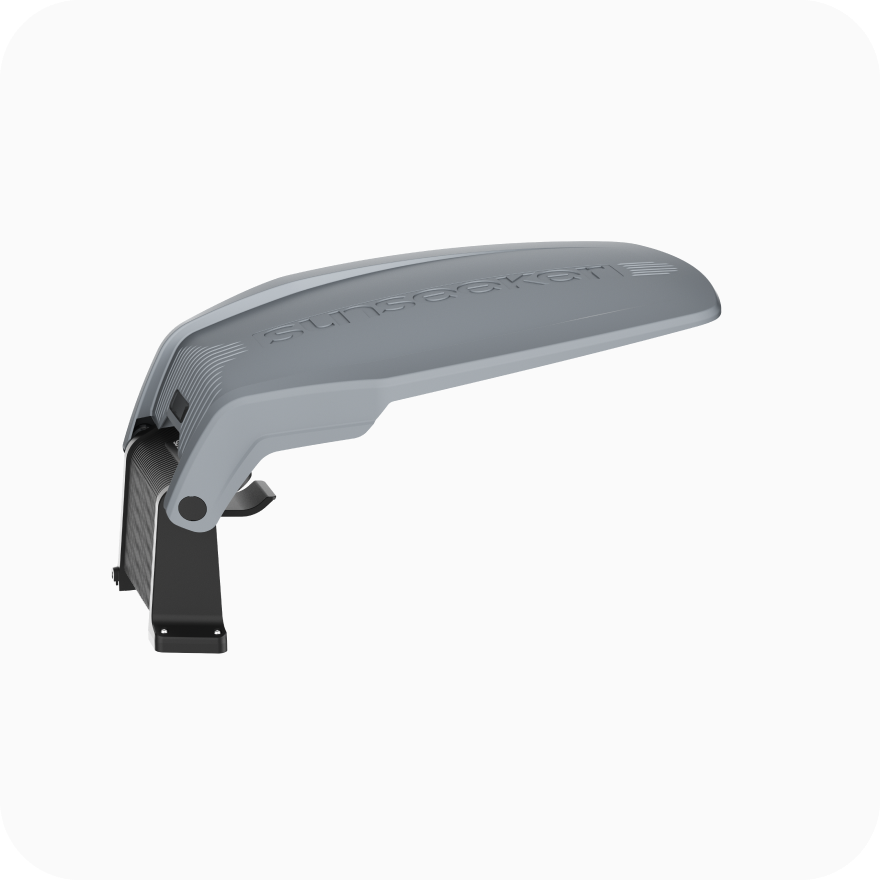
For smaller gardens, keeping up with a consistent mowing schedule is where many homeowners slip up. The Sunseeker V1 removes that problem entirely with ReadyGo™ one-click start and automatic scheduling. It mows on its own, returns to charge automatically, and keeps the lawn at a consistently short height without any manual input. At 6.7 kg and 55 dB(A), it covers up to 300 m² with Vision AI navigation, meaning the lawn never gets long enough to give ticks the cover they need to establish themselves.
Effective Ways to Reduce Ticks in Your Yard
Lawn tick treatment works best when mowing is combined with other targeted measures. The following lawn care tips cover how to rid your lawn of ticks more comprehensively by addressing their habitat at different points.
Maintain a consistent mowing schedule. If you are wondering "how often mow lawn" for effective tick control, the answer depends on the growth rate, but the grass should remain short and even throughout the season. Ticks recolonise areas when grass grows back, so regular mowing is more effective than sporadic cutting. Allowing the lawn to grow between sessions gives ticks time to establish themselves again in the recovered growth.
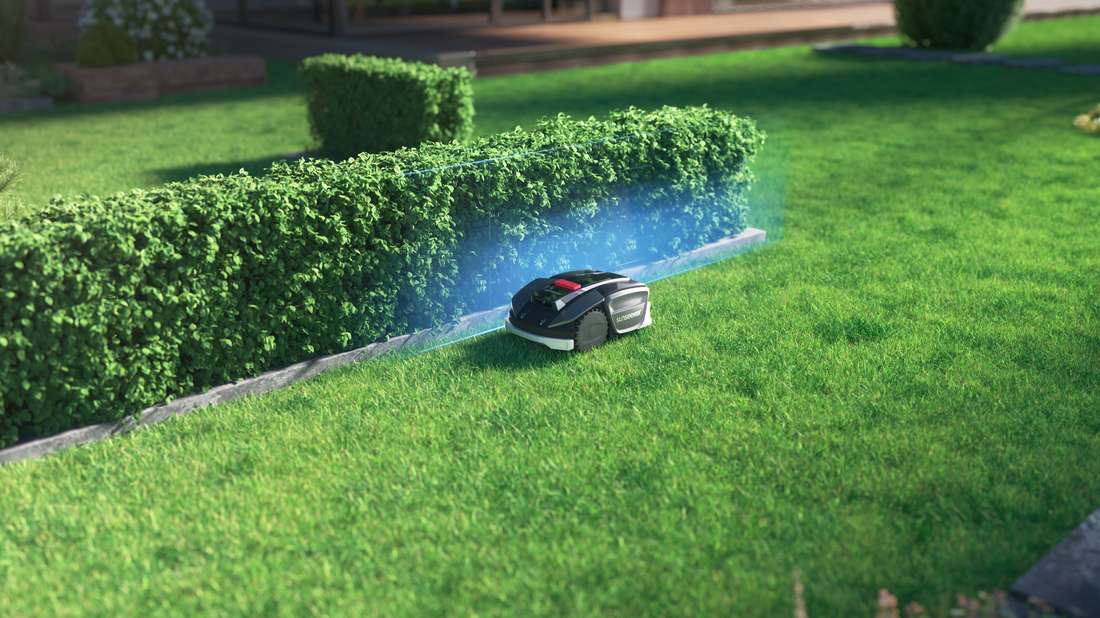
Focus on the transition zones. The edges where lawn meets denser planting, hedges, or natural areas are where tick density is highest. Keeping these borders neat, trimming overhanging growth, and removing leaf litter from these areas has a disproportionate impact on overall tick numbers in the garden.
Reduce ground-level moisture and shade. Pruning lower branches of trees and shrubs increases sunlight reaching the ground across the garden. This is particularly effective in corners and edges that might otherwise stay damp and shaded even when the main lawn is well mown.
Clear organic debris regularly. Fallen leaves, grass clippings, and garden waste provide the same humid shelter as tall grass. Clearing these regularly, particularly in autumn, prevents ticks from using this material for overwintering.
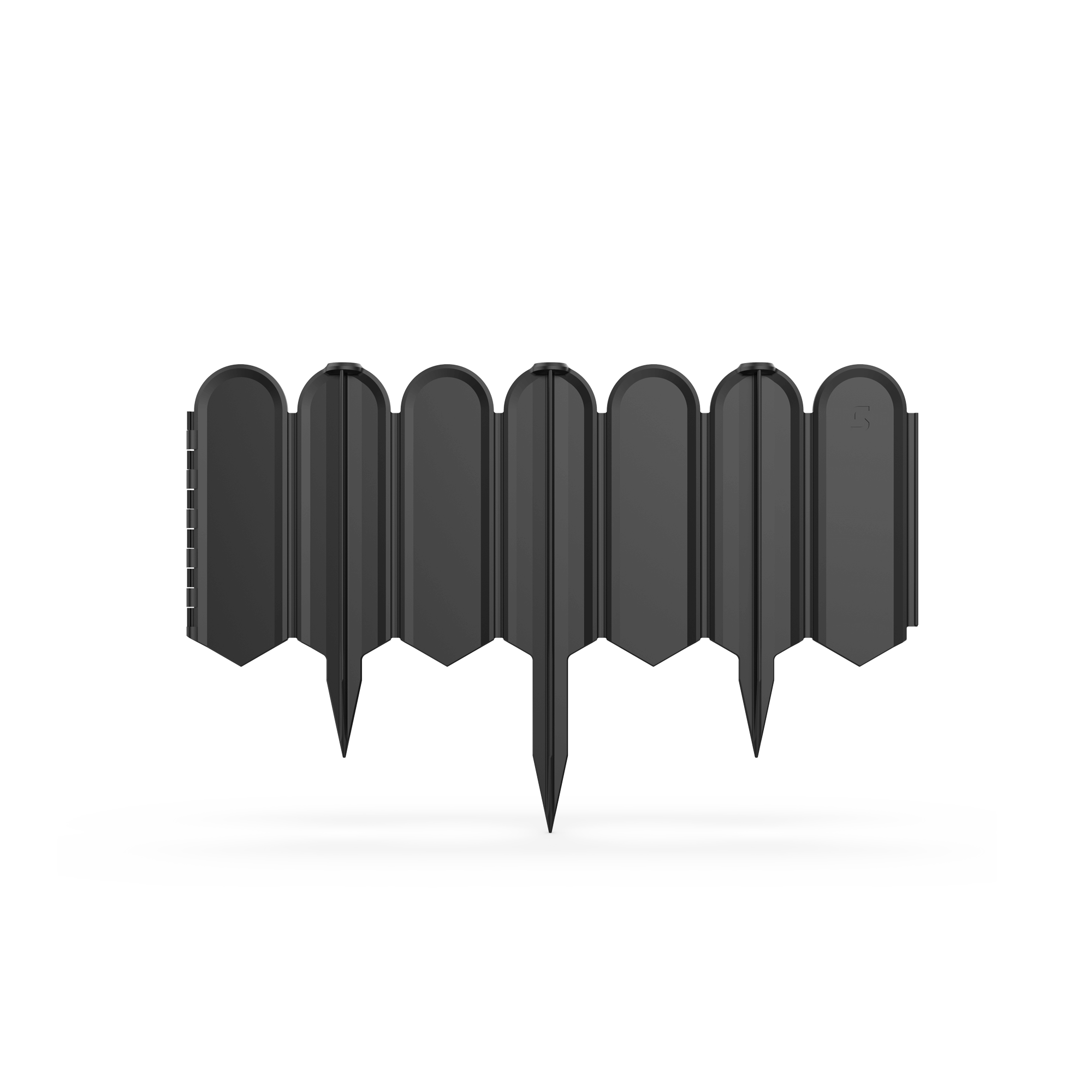
Use a physical dry barrier along wooded edges. A strip of dry material such as wood chips or gravel between the lawn and any adjacent woodland or dense planting acts as a deterrent. Ticks avoid crossing exposed, dry surfaces, so even a modest barrier can reduce migration from wilder areas into the maintained garden.
Consider acaricide application for persistent problems. When other measures are not enough, a targeted pesticide treatment applied to the perimeter and edge zones, particularly in late spring when tick nymph activity peaks, is often considered the best lawn treatment for ticks in terms of direct population reduction. A professional pest control service can advise on timing, products, and application method appropriate for your location.
Keeping the lawn consistently short throughout the season is where a robotic mower offers a practical advantage. Manual mowing schedules are easy to let slip, and even a few weeks of longer growth gives ticks the cover they need to re-establish. For larger gardens that often come with obstacles, uneven ground, and the kind of complex layouts that create the transition zones where ticks concentrate, the Sunseeker S3 is worth considering. It uses RTK + VSLAM navigation with Vision AI and a 5 TOPS AI chip to map the lawn systematically and navigate around obstacles precisely, covering up to 800 m² without leaving patches of longer grass near trees, borders, or garden features where ticks are most likely to shelter. It operates at 60 dB(A) with cutting height adjustable between 20–60 mm.
Conclusion
Does mowing the lawn kill ticks on its own? It kills some and reduces habitat for many more, but it won't clear a tick problem entirely on its own. Its real value is as a consistent, season-long management tool that makes the garden less hospitable to ticks week by week. Combined with clearing debris, managing the edges, and treating problem areas when needed, regular mowing is a meaningful part of how to treat your lawn for ticks effectively.
The most important word in all of this is consistent. A lawn that's mown regularly throughout tick season creates a sustained environmental pressure on the tick population. Do ticks live in mowed grass? Some do, but they are far less likely to thrive or reproduce there than in longer, damper growth.
FAQs
What happens to ticks when you mow the lawn?
Some are struck directly by the mower blade. More significantly, mowing removes the tall, moist cover ticks depend on for shelter and questing, and exposes the ground to sunlight and airflow that accelerates moisture loss. Ticks that can't find adequate shelter in short grass are more likely to desiccate and die. Lawn tick control through mowing is most effective when maintained consistently rather than done in occasional heavy cuts.
What's the worst month for ticks?
In temperate climates, tick activity is typically highest during the warmer months, with peak risk in late spring and early summer. This is when immature ticks are most active and hardest to spot due to their small size. Keeping up with mowing and other management steps is especially important during this period.
How short should I cut my grass to reduce ticks?
Keeping grass below around 8 to 10 cm removes the height advantage ticks use for questing and allows the ground to dry out more completely between mowing sessions. Cutting extremely short is not necessary and can stress the lawn. A consistently maintained moderate height, achieved through regular mowing rather than occasional heavy cuts, is more beneficial for both the lawn and lawn tick treatment.
Can ticks survive on short grass?
They can, but conditions are far less favourable for them. Short grass dries faster, receives more sun, and provides fewer questing positions. Ticks in short grass are more exposed and more likely to desiccate before finding a host. The edges and transition zones between short lawn and longer growth are where the risk remains highest even on a well-maintained garden.