Your lawn is more than just grass; it's a key part of your home's curb appeal, a space for relaxation, and an area for everyday activities. That's why understanding how often to mow lawn matters more than many homeowners realize.
In this guide, we'll break down how often you should mow based on factors such as season, grass type, and growth rate. By following the right approach, you can maintain a healthier, more attractive lawn with ease.

How Often Should You Mow Your Lawn?
When considering how often should you mow your lawn, a good general rule is to mow once every 5 to 7 days during the active growing season. Weekly mowing is often recommended because it reduces stress on the grass by removing only a small portion of the blade at a time. Cutting too much at once, especially after waiting longer than a week, can weaken the lawn and lead to uneven growth.
Mowing Based on the Season
When figuring out how often should I mow my lawn, it's important to adjust your schedule based on the season, since grass growth changes throughout the year. Here's a simple breakdown to guide your routine:
1.Spring: Mow every 1–2 weeks at first, then weekly as grass turns green and growth speeds up with increased sunlight and rainfall.
2.Summer: Mow weekly during early summer, then reduce to every 10–14 days in mid to late summer if growth slows due to heat or drought.
3.Fall: Continue mowing weekly as growth picks up again, then gradually reduce frequency as temperatures cool and grass growth slows.
4.Winter: In most areas, mowing isn't needed. In warmer climates, you may mow every 3–6 weeks if the grass continues to grow.
Mowing Based on Grass Type
Another key factor in determining how often lawn mowing is needed is the type of grass in your yard. Different grasses grow at different rates throughout the year, which directly affects how often you should mow.
1.Cool-Season Grasses
Grasses like fescue, Kentucky bluegrass, and ryegrass grow most actively in spring and fall, especially with consistent rainfall. During these peak periods, mowing about once a week, or slightly more often, helps maintain a healthy height and control weeds. Growth typically slows in summer, so mowing can be less frequent.
2.Warm-Season Grasses
Varieties such as Bermuda, St. Augustine, and Zoysia thrive in late spring through summer. During peak growth, especially with regular watering or rainfall, these lawns may need mowing every 3–5 days. As temperatures cool, growth slows, mowing frequency can be reduced.
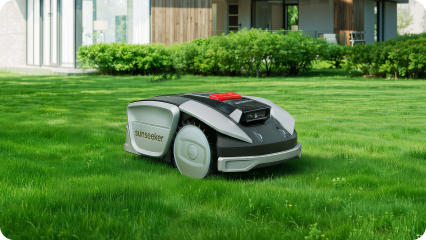
For lawns that require more frequent mowing during peak growth, a powerful option like the Sunseeker S5 can help you keep up with the schedule while maintaining an even, healthy cut.

Practical Mowing Tips for a Healthy Lawn
Knowing how often mow lawn is important, but understanding how to mow a lawn properly matters just as much. Using the right approach helps your grass grow thicker, stay healthier, and better withstand weeds, heat, and disease.
1.Follow the One-Third Rule
Always remove no more than one-third of the grass height in a single mow. Cutting too much at once can stress the grass, weaken roots, and lead to browning or patchy growth.
2.Adjust to Growth and Conditions
Seasonal growth: Mow more often in spring and fall, and less frequently during hot or dormant periods.
Long grass: If your lawn gets overgrown, gradually reduce the height over several mows instead of cutting it all at once.
After fertilizing: Wait 1–2 days before mowing to allow nutrients to absorb properly.
3.Mow at the Right Time
Dry grass only: Avoid mowing when the lawn is wet, as it can damage the grass and create uneven cuts.
Cooler parts of the day: The best time to mow lawn is generally during the cooler parts of the morning or late afternoon, when temperatures are milder and the grass is dry.
4.Maintain Proper Mowing Height
Cutting too short (scalping) can weaken your lawn, expose soil, and invite weeds. Keep your grass slightly taller during hot or dry weather to protect roots and retain moisture.
5.Keep Your Equipment in Good Shape
Sharp mower blades are essential for clean cuts. Dull blades tear the grass, making it more vulnerable to disease. Aim to sharpen blades a few times each season. Using a dependable mower like the Sunseeker S4 can make regular mowing easier, helping you maintain clean cuts and stay consistent with your mowing routine.
6.Know When to Pause
If your lawn becomes dormant due to drought or extreme weather, avoid mowing until growth resumes. Mowing during this time can do more harm than good.
Mistakes to Avoid When Mowing Your Lawn
Even with a good mowing schedule, certain mistakes can damage your lawn and undo your hard work. Here are common issues to avoid:
1.Cutting Grass Too Short
Scalping your lawn may seem like a time-saver, but it weakens grass, exposes soil to sunlight, and encourages weeds. It can also lead to dehydration, pests, and disease. Always keep your grass at the recommended height.
2.Mowing Too Infrequently
Waiting too long between mows makes the job harder and stresses your lawn. Cutting tall grass all at once can cause uneven growth and damage. Stick to a consistent schedule and follow the one-third rule.
3.Using Dull Blades
Dull mower blades tear rather than cut grass, leaving it ragged and vulnerable to disease. Keep blades sharp for clean, healthy cuts.
4.Mowing Wet Grass
Wet grass can clump, clog your mower, and create uneven cuts. It also increases the risk of slipping. Always wait until your lawn is dry before mowing.
5.Repeating the Same Pattern
Mowing in the same direction every time can lead to uneven growth and soil compaction. Change your mowing pattern regularly for a more even lawn.
6.Removing Grass Clippings
Bagging clippings removes valuable nutrients. Instead, leave them on the lawn to naturally fertilize the soil, unless the grass is excessively long and clumpy.
Conclusion
Finding the right balance for how often to mow lawn plays a big role in keeping your yard healthy and visually appealing. Although many lawns benefit from weekly mowing, the ideal frequency will vary based on seasonal changes, grass type, and overall growth. Sticking to proper techniques, like the one-third rule, and avoiding common mistakes can help prevent stress and damage. With a consistent routine and the right approach, your lawn can grow thicker, stay greener, and remain strong throughout the year.
FAQs
How often do most people mow their lawns?
Most people mow their lawns about once a week during the active growing season. A general guideline is every 5 to 7 days to maintain healthy, even growth. However, the exact frequency can vary based on grass type, season, and weather conditions, so some homeowners may mow more or less often depending on how quickly their lawn grows.
What happens if you never cut your grass?
If you never cut your grass, it can quickly become overgrown, messy, and harder to manage. Tall grass encourages weeds, attracts pests like mosquitoes and rodents, and can lead to unhealthy, uneven growth. Over time, your lawn may develop disease and become patchy. It also becomes more difficult to mow later, and in some areas, excessive overgrowth could even lead to complaints or local violations.
Is it better to mow weekly or biweekly?
It's generally better to mow weekly rather than biweekly, especially during active growth. Weekly mowing reduces stress on the grass by removing only a small portion each time. Waiting two weeks often means cutting too much at once, which can weaken the lawn, cause yellowing, and affect overall health.
Does mowing often thicken grass?
Yes, mowing often can help thicken grass. Regular cutting encourages the grass to grow more densely, creating a fuller, healthier lawn and helping prevent weeds. However, proper technique matters; mow frequently but avoid cutting too short. Following the one-third rule ensures your grass stays strong, maintains enough leaf surface for growth, and develops a lush, thick appearance over time.