Knowing when to weed and feed lawn is one of the most important steps in maintaining thick, healthy grass. While weed and feed products offer the convenience of fertilizing your lawn and controlling weeds at the same time, they only work well when applied under the right conditions. Timing affects how effectively the herbicide targets weeds and how efficiently the fertilizer supports healthy growth.
In general, spring and fall provide the ideal conditions because temperatures are moderate and grass is actively growing. Applying weed and feed outside these periods can lead to poor weed control or unnecessary stress on your lawn. In this guide, you'll learn when to apply weed and feed to lawn, seasonal tips for different grass types, and how to get the best results from every treatment.
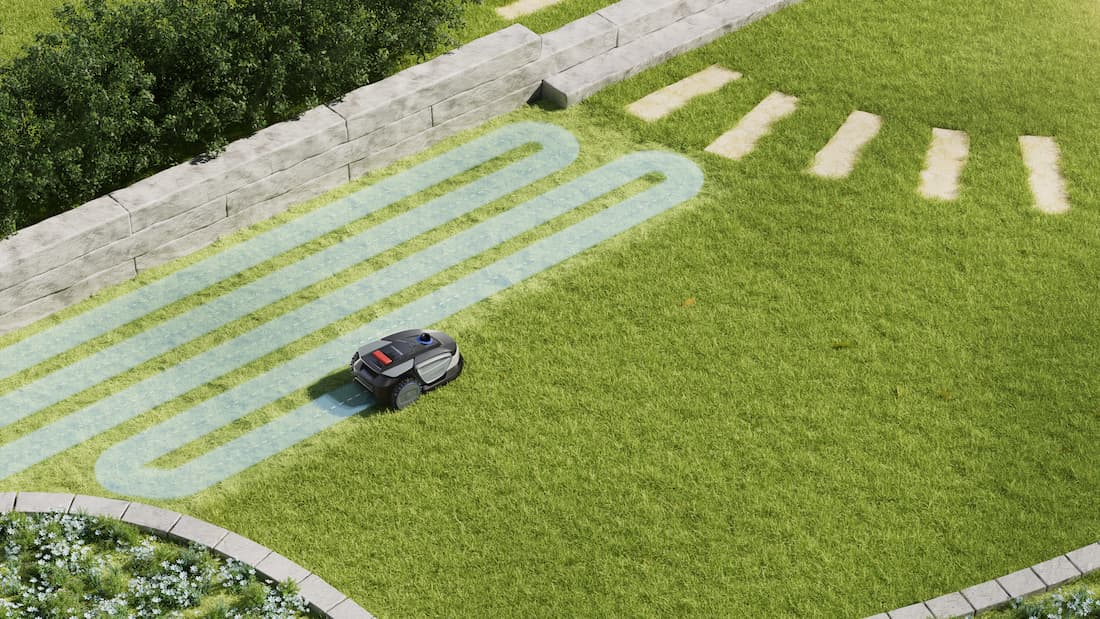
What Is Weed and Feed?
Weed and feed is a two-in-one lawn care product that combines herbicide and fertilizer, helping you control weeds while promoting healthy grass growth in a single application. Available in liquid and granular forms, it is applied across the entire lawn rather than spot-treating individual weeds.
The herbicide may include pre-emergent ingredients to prevent weed seeds from sprouting or post-emergent ingredients to kill existing weeds, while the fertilizer provides essential nutrients, primarily nitrogen, to encourage a thicker, greener lawn. Because formulas vary, always read the product label to ensure it targets your specific weeds and meets your lawn's nutrient needs.
When Should You Weed and Feed Your Lawn?
The best time to apply weed and feed depends on your grass type, local climate, and whether your lawn is actively growing. In general, spring and early fall provide the ideal conditions because both grass and weeds are actively growing, allowing the fertilizer and herbicide to work effectively. Here's the recommended timing for cool-season and warm-season grasses.
Best Timing for Cool-Season Grass
When to put weed and feed on lawn depends on your grass type. For cool-season lawns, apply weed and feed from mid-April through early June, when grass and weeds are actively growing and temperatures remain between 60°F and 90°F . The soil should be slightly damp for the best results. For newly seeded lawns, wait until after the first or second mowing before applying. A second application can be made from late August to mid-October, before the first frost. Avoid treating dormant lawns or applying weed and feed more than twice a year.
Best Timing for Warm-Season Grass
The best time when to spread weed and feed on lawn with warm-season grass is from late February or March through early June, depending on your region. Apply it only after the grass has begun actively growing. In southern states, the growing season starts earlier, so applications can often begin sooner. If needed, apply a second treatment between September and early October. Never apply weed and feed to dormant lawns.
How to Apply Weed and Feed to Lawn
The right timing is important, but knowing when to weed and feed your lawn should be paired with proper application. Follow these steps and always read the manufacturer's instructions before use.
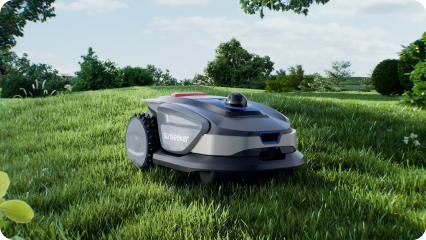
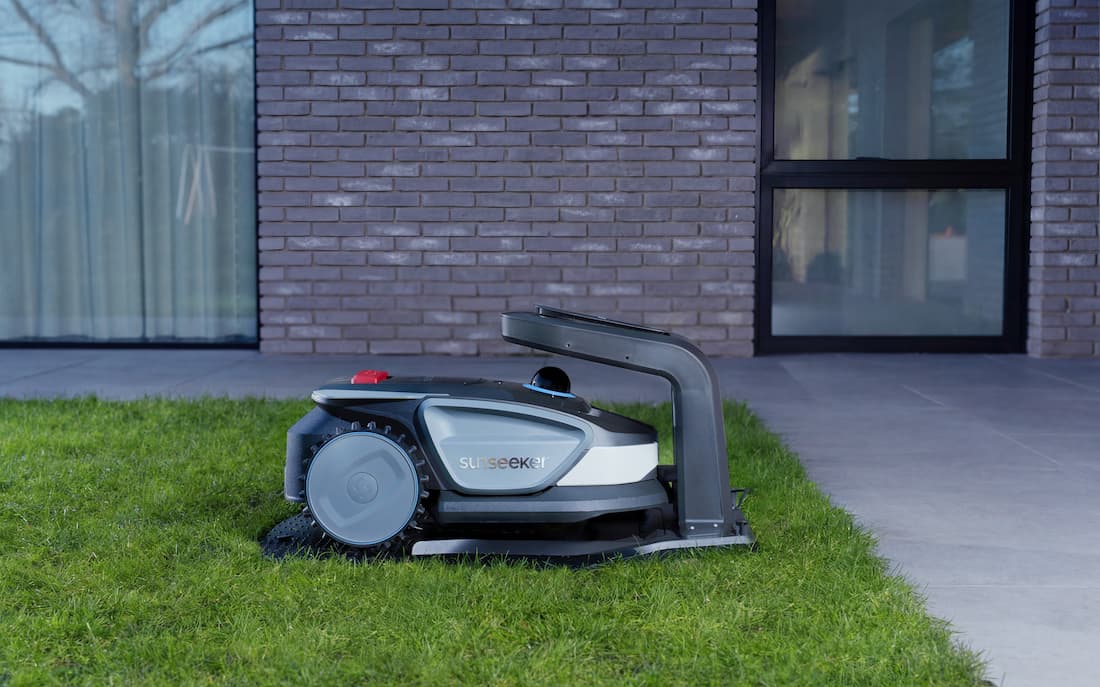
1.Mow first. If your main question is "Should I mow before weed and feed?", cut the lawn 2-3 days before application so the treatment reaches actively growing weeds without being removed by an immediate mow. If you use a Sunseeker S4, you can easily maintain the recommended mowing height while preparing your lawn for treatment.
2.Measure the correct amount.Apply only the recommended rate to avoid fertilizer burn.
3.Spread evenly.Use a broadcast or drop spreader to distribute the product uniformly across the lawn.
4.Protect nearby plants.Keep weed and feed out of flower beds, vegetable gardens, and shrubs, as the herbicide can damage broadleaf plants.
5.Delay watering.Wait 2–4 days before watering unless the product label says otherwise, and avoid applying during hot, dry weather.
6.Limit applications.Apply weed and feed no more than twice a year to protect your lawn and reduce nutrient runoff.
What Should You Do After Weed and Feed?
Proper lawn care after applying weed and feed is just as important as applying the product correctly. Giving the treatment enough time to work helps the fertilizer nourish your grass and allows the herbicide to control weeds more effectively.
-
Stay off the lawn.
Wait at least 2–4 hours, or until the product has completely dried. If children or pets will be using the lawn, waiting 24 hours provides extra safety.
-
Avoid watering or mowing.
Unless the product label says otherwise, don't water or mow on the day of application. This prevents the herbicide and fertilizer from being washed away or removed before they can take effect.
-
Watch the weather.
Warm, dry conditions speed up drying, while cool or humid weather may require a longer waiting period.
-
Resume normal maintenance.
Once the weed and feed has fully dried, typically after about 24 hours, water your lawn if needed and wait 1–2 days before mowing. GPS Robot Mowers can provide consistent mowing, making it easier to maintain a healthy, well-kept lawn after treatment.
Conclusion
Applying weed and feed correctly comes down to more than choosing the right product, it requires proper timing, preparation, and aftercare. By treating your lawn when grass is actively growing, following application guidelines, and avoiding extreme weather conditions, you can improve weed control and support healthier turf. Whether you have cool-season or warm-season grass, a consistent lawn care routine combined with tools like GPS Robot Mowers can help keep your yard looking neat, healthy, and easier to maintain after treatment.
FAQs
When not to apply weed and feed?
Avoid applying weed and feed during hot, dry summer weather. High temperatures and drought stress slow the growth of both grass and weeds, making herbicides less effective. At the same time, fertilizer, especially products high in quick-release nitrogen, can burn stressed turf. For the best results, wait until cooler weather when your lawn is actively growing.
Should you weed and feed before or after mowing?
Mow your lawn 2 to 3 days before applying weed and feed for the best results. Avoid applying it immediately after mowing, as this can stress the grass and reduce the product's effectiveness. After application, wait at least 48 hours before mowing again. This gives the herbicide time to stick to and be absorbed by the weeds.
What month should you weed and feed your lawn?
The best month to weed and feed your lawn depends on your grass type and climate. In most regions, apply it in early to mid-spring when grass is actively growing and temperatures stay above 60°F. Cool-season lawns may benefit from a second application in late spring, while warm-season lawns should be treated after they begin active growth.