Your seedlings are growing well and your grass is beginning to form a real lawn. But before you start mowing, it is important to know when to cut new lawns. If you mow too soon, you can ruin the weeks of watering and care you've invested in your lawn. On the other hand, if your timing is correct, you will have a thicker and stronger lawn all year long after your first mowing. This guide will teach you when to mow new grass, how to develop a safe mowing strategy, and avoid critical mistakes that could jeopardize your lawn's long-term health.

When Is New Grass Ready to Mow?
If you're wondering when can you mow a new lawn, the general rule is thatnew grass will be ready for its first mow once it is about 3-4inches in height, and mowing should reduce that height down to 2-3inches. You need to always follow the "one-third" rule (no mowing more than one-third of the blade in a single mow) as this could create root shock, reduce overall root growth, and leave a lawn susceptible to weed invasions.
When to Mow Newly Seeded vs. Sodded Grass
The timeline for your first cut depends entirely on how your lawn was established. Knowing when to mow newly seeded grass requires a completely different approach than handling fresh sod. For an established lawn thickened with additional seed, when to mow after overseeding depends on the existing grass height and the new seedlings passing a gentle tug test.
- Newly Seeded Lawns: They tend to take the longest to establish because they requires seed germination and rooting into the soil prior to encountering traffic from mowing. Many cool climate grasses need to reach about 3 inches in height before they are mowed for the first time.
- Newly Laid Sod: Sod is delivered to your site with mature plant material but its roots have been severed from their original soil. This means they will take time to establish through rooting into your soil. New sod will generate roots to hold it in place much faster than grass seed. Most new sod is ready for a light mow within 2 to 3 weeks after it is laid.
How to Know Your New Lawn Is Ready for Its First Cut
To know when can you mow new grass, you should conduct the following tests:
The Tug Test
To figure out “when can I mow new grass”, this is the best test to demonstrate that the grass blades are firmly anchored into the soil. Walk around several places in the yard, and then pull on a small group of grass right at ground level.
If the grass is easily removed from the soil, or if you can roll back the corner of one piece of sod like an old carpet, you should not mow until new roots have fully anchored the grass.
If the grass resists your pull and feels firmly anchored, the roots are established, and you are ready to mow your new grass.
The Dryness Check
Knowing when do you mow new grass depends heavily on soil conditions.After heavy watering, the soil of new lawns can become very wet and muddy. If you determine that the soil is moist, do not mow until 24-48 hours after you have stopped watering. If you do not allow the surface of the soil to dry out sufficiently before running a heavy mower over soft, muddy soil, you run the risk of creating deep wheel tracks and significant damage to your new lawn.
How to Mow New Grass Without Damaging It
You’re ready to mow but you need a strategy to ensure you don’t ruin all your hard work. This section provides a safe mowing strategy by covering essential adjustments and techniques so you know when should you mow a new lawn safely. You will learn how to handle blade sharpness, cutting height, and turning methods to prevent tearing or uprooting vulnerable new grass.
- Sharpen your mower blades
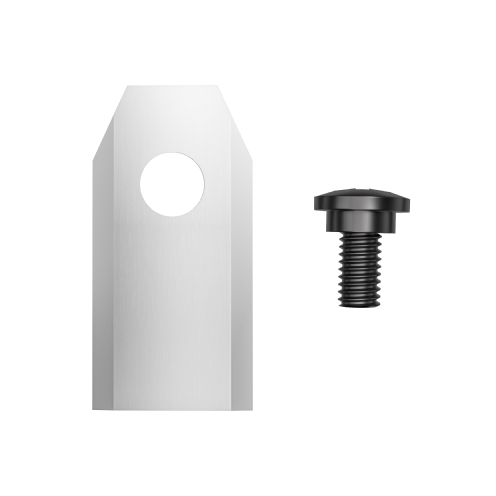
Dull mower blades rip the grass apart instead of cutting it cleanly. On established lawns, this leaves unsightly brown tips; on a new lawn, it can completely tear out young seedlings. This is why you must either sharpen or buy a new mower blade before mowing for the first time.
- Raise the mower deck to maximum height
Set your mower deck to allow for 2.5-3 inches of grass height after it’s been cut; you want to take only the ragged tips off while allowing for the greatest amount of leaf surface to remain on the plant.
- Apply the One-Third Rule
You should never cut more than one-third of the height of the grass blade at one time. If the height of the grass is 3.5 inches tall, only cut 1inch (or one-third).
- Execute wide, gentle turns
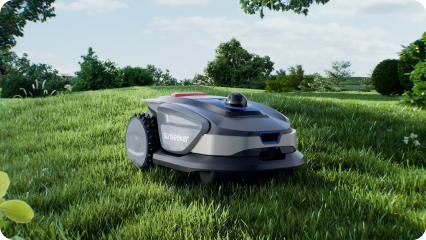
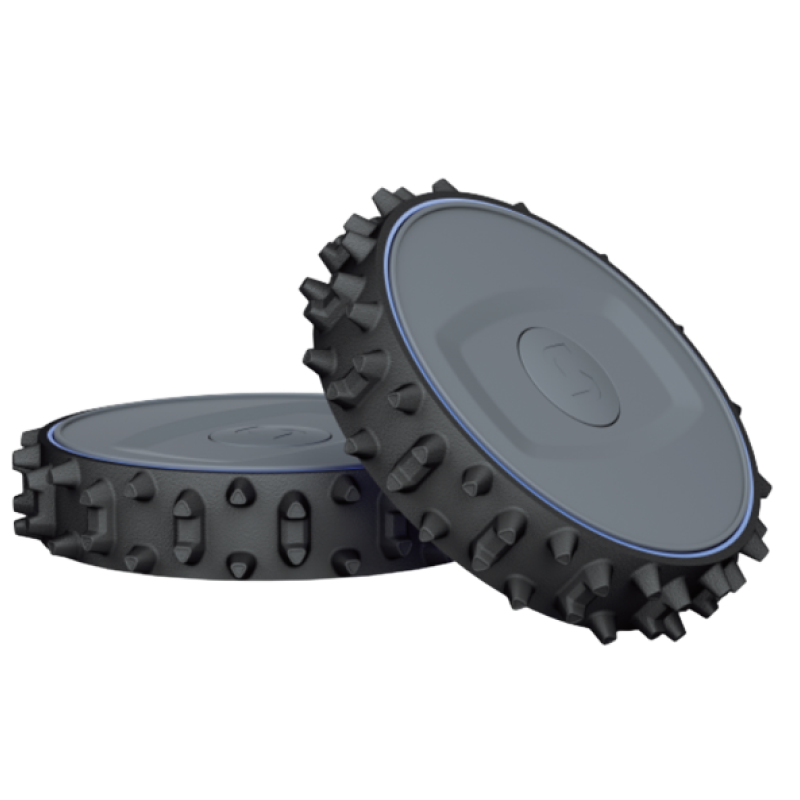
Don’t make sharp turns with your mower by doing zero-turn pivoting in tight areas as the tires will scuff and grind against the ground, creating instant shearing over vegetation or newly sprouting grass. Instead, make long, sweeping turns and avoid sharp angles as much as possible.The Sunseeker S4 utilizes advanced 3D LiDAR mapping to automatically plan and navigate these gentle, optimized routes without tearing up fragile blades.

Best Practices After Mowing New Grass
Now that you learn when to mow new lawn, it is also important to know what you do after mowing your new sod is crucial to how quickly the new sod will recover from the shock of losing a significant portion of their leaf blades.
After the first mowing is finished, reformulate how you will water your lawn. Up to this point, you have been watering the upper 0.8 inch of soil lightly and frequently multiple times per day to keep this seedling area moist.
Now that the roots are established, implement a watering schedule that is deep and infrequent; you will want to water heavily 2-3 times per week. This encourages roots to grow deeper in search of moisture, resulting in a more drought-resistant lawn.
Common Mistakes to Avoid With New Grass
Understanding “when should I mow new grass” involves more than just calendar dates; this section outlines major mistakes to avoid when caring for new grass. Understanding the reasons behind them will help ensure your new lawn thrives without sustaining damage.
- Don’t use a heavier zero-turn riding mower to mow your new grass. Driving such a heavy mower over soft topsoil compacts the earth, cutting off the oxygen supply to the new grass roots. Use only the lightest mower to mow your new sod for the first three or four mowings. You can opt for a high-performance all-terrain robotic alternative like theSunseeker S5, which tackles complex yards and steep slopes without the soil-compacting weight of traditional riding equipment.
- Don’t leave large clumps of wet grass clippings on your new grass. Immediately pick up (bag or rake) wet clumps of grass from your new grass after your first mowing is complete. Leaving large, wet clumps of grass on the lawn for more than 48 hours will smother the seedlings and deprive them of sunlight.
- Don’t apply weed killers prior to having mowed your new grass at least four times. New grass is highly susceptible to opportunistic weeds. Using a post-emergent commercial liquid weed killer on new grass will stifle or kill new grass.
Conclusion
When to mow new grass? Before you mow, ensure the grass is 3–4inches tall, the soil passes the pull test, your blades are razor-sharp, and your mower deck is set high. By being respectful of young grass, you can grow a healthy, robust lawn to enjoy for years to come.
FAQs
Does cutting new grass stimulate growth?
Yes, light mowing can help to thicken the grass once the grass has established an adequate root system to handle mowing. Removing the tips of the blades encourages lateral growth, resulting in a thicker lawn. If cut too early or too low, the grass will be weakened rather than assisted.
Is October too late to seed a lawn?
Whether you can successfully establish a new lawn in October will depend on the climate in your area. Typically, grass seed should have approximately 45 days of active growth prior to any significant frost. If the soil temperatures drop below 10°C before the seeds reaching maturity and hardening, the new grass seedlings will probably die over the winter.
What month are you not supposed to mow your lawn?
You should avoid mowing your grass from December to February in temperate locations, as grass is in a dormant state at that time. If you mow the crowns while the grass is dormant, you will shatter the blades, opening wounds that cannot heal and exposing your lawn to winterkill and aggressive pathogens like snow mold.