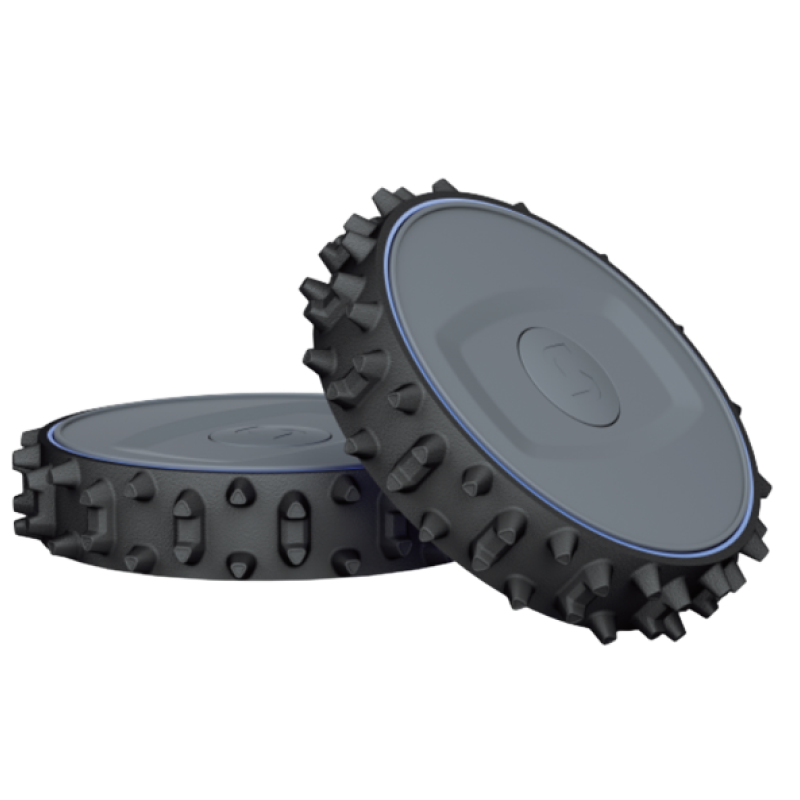
Before the first mowing, give new grass seedlings enough time to develop strong roots and reach a height of about 3 to 4 inches, which may take up to six weeks. To check if the grass is ready, gently pull on a few blades—if they stay firmly in place, the roots are likely strong enough to handle mowing without being pulled out or damaged by the mower blade.
When to Mow After Overseeding
Typically, when calculating how long to wait to mow after overseeding, you should hold off on mowing your new grass until it has grown to between 3.2 to 4 inches tall. Most cool-season grasses (Kentucky Bluegrass, Perennial Ryegrass, Tall Fescue) will reach that height about 2-4 weeks after you have overseeded (assuming soil temperatures are between 50 and 65°F, the optimal range for cool-season seed germination).
If you have planted warm-season grasses (Bermuda, Zoysia), they will take much longer (around 4-6 weeks) to reach the same height because of slower germination. On average, grass seedlings need 2 to 3 weeks after germination to establish a sufficient root system, and germination itself varies widely by species, typically taking 7 to 21 days.
Why wait until it is 3.2 to 4 inches before mowing? The standard recommendation is to remove no more than 1/3 of the grass blade height at a time (the "1/3 Rule"). This ensures the grass is tall enough to allow you to clean-cut the top section while staying well within this safe limit.
A practical timeline by grass type:
- Tall fescue: Germination in 5–12 days; first mow around 2–3 weeks
- Perennial ryegrass: Ready as early as 2 weeks
- Kentucky bluegrass: Wait the full 3–4 weeks minimum
- Bermuda/Zoysia (warm-season): 4–6 weeks, depending on temperature
What Happens If You Mow Too Early
Premature mowing after overseeding can be like giving a young child a backpack full of bricks to carry; it hasn't yet developed enough strength to handle the stress. Here are the reasons to avoid mowing too early.
The most serious result of mowing too soon is destroying the seedlings' roots by pulling them from the soil. When grass is very young, it has not yet formed an extensive root system, and if you use a heavy lawn mower with dull blades, you are likely to damage or pull up the tender seedlings.
If you mow too early, you can also create thin and patchy areas in the new lawn. Although the grass may have a nice green carpet appearance, some of the newly seeded areas may be competing for space, moisture, and nutrients; if you mow this new grass without having sufficient stored energy, the lawn will grow slowly.
Signs Your Lawn Is Ready for Its First Mow
Understanding exactly when to mow after aeration and seeding is critical to your lawn's long-term success. Mowing new grass before it's firmly rooted could result in permanent damage to your lawn. Here are key indicators and a simple physical test that will identify whether your newly seeded lawn is rooted well enough to be mowed:
- The new grass should be approximately 3 to 4 inches high, depending on your planned cut height.
- The new grass should stand upright after it has been watered.
- Your shoes should not leave deep impressions from stepping on the ground.
- The majority of the overseeded areas should be filled in with new grass, rather than just a few patchy spots that germinated early.
- The new grass should look rooted, rather than wispy.
- Perform the gentle tug test: Pinch a few new grass blades between your thumb/index finger and tug gently. If the blades come out easily, the grass needs more time. If the grass is difficult to pull out, it means it has begun to anchor itself to the ground and establish a solid root system.
Additionally, monitor weather conditions; do not mow your lawn when it is under heat stress.
How to Mow After Overseeding Without Damaging Your Lawn
Balancing the care of new grass seedlings and the maintenance of existing turf can be difficult. There are four rules to follow when maintaining your existing turf to avoid turf stress and successfully safeguard your investment in overseeding.
- Before you mow, sharpen the blade: A dull blade tears into the grass. Using a sharp blade allows for a clean cut, which helps the plant recover faster.
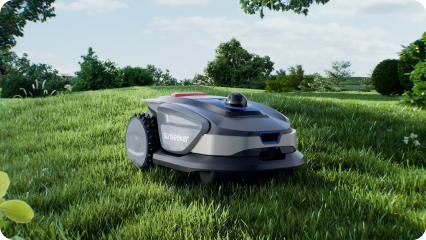
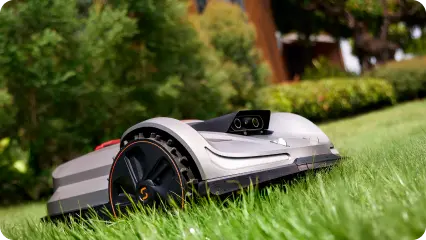
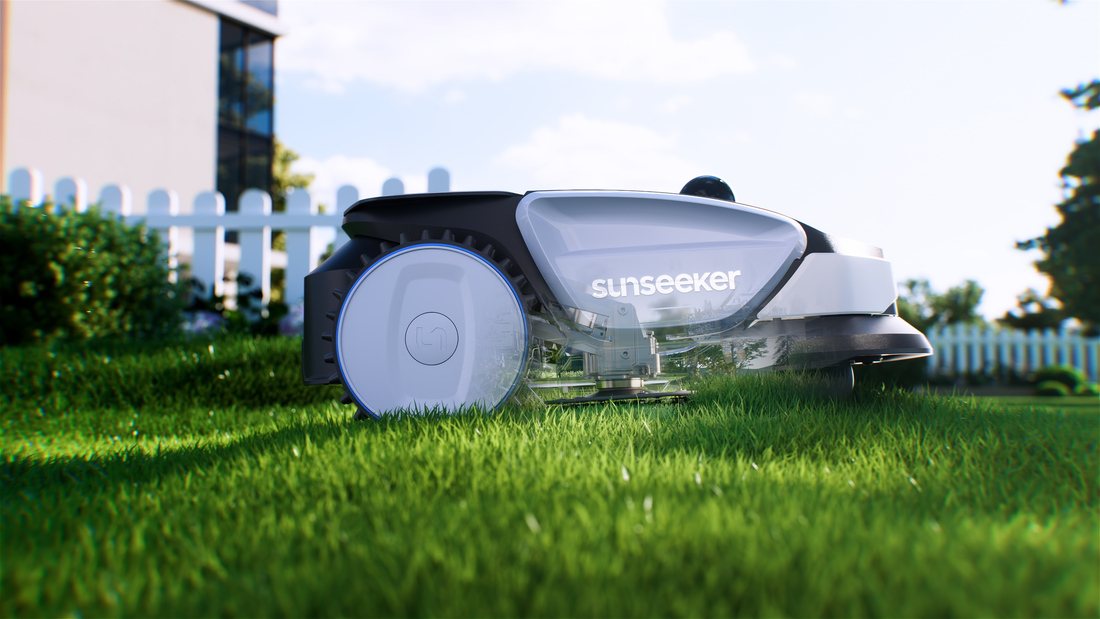
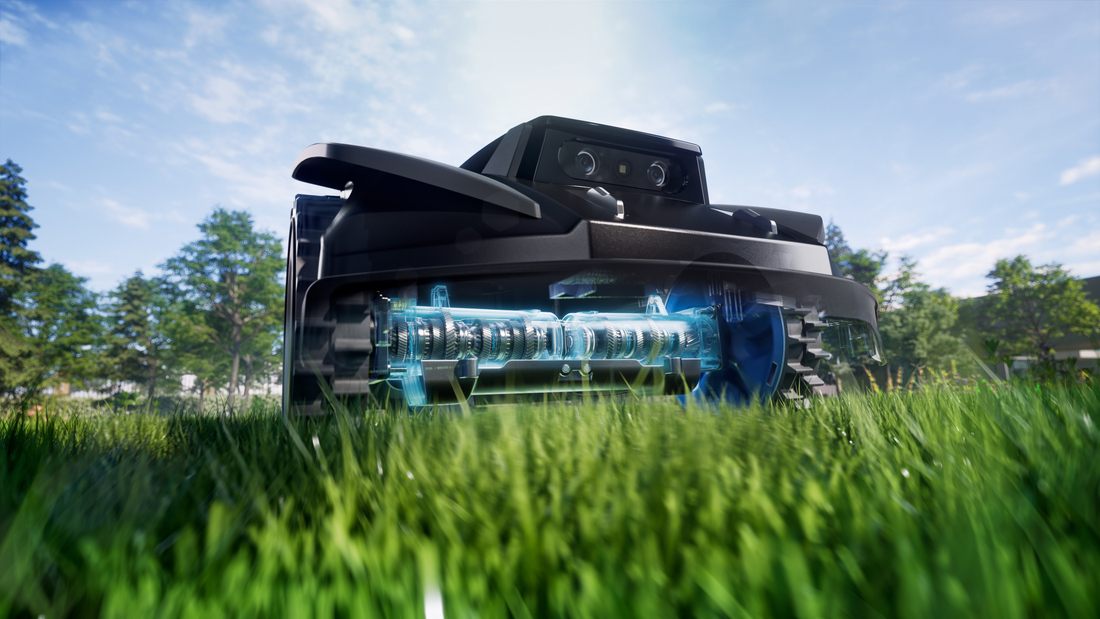
- Set the mower high: Grass should usually be about 3 inches high for home lawns. This prevents weeds by shading their seeds, keeps the soil cooler, and encourages deeper root growth. To maintain this precise height safely across bumpy or rolling terrain, choosing an advanced robotic mower like the Sunseeker S4 is highly effective; its specialized floating cut system automatically adapts to soil contours, eliminating the risk of accidental scalping.
- Use the one-third rule: Don’t remove more than one-third of the grass blade in a single mowing. Cutting too much at a time stresses the turf. New seedlings have very little tolerance for stress.
- Mow when turf is dry to the touch: When grass is dry it supports itself better, provides cleaner cuts, and leaves fewer clumps when clippings are dry. If wet clippings clump together, they can smother and kill the tender young seedlings. Typically, light or dry clippings are okay but heavier clumping will usually need to be removed with caution.
Lawn Care Tips after Overseeding
How well you care for your grass after overseeding determines whether it thrives or fails to establish. Here are four important tips on how to water, control traffic, fertilize, and understand different grass types so that your new seedlings can survive and provide you with a lush lawn.
- Watering matters once grass is up: Seed requires consistent moisture on the surface of the soil in the early stages. As soon as seedlings come up, the amount of moisture needed should decrease to allow roots to chase moisture down into the soil. Stop watering before puddles form. Too much water can cause ponding and runoff, washing away or damaging the young seedlings.
- Keep foot traffic off seedling areas: Repeated mower traffic on wet areas will all flatten seedlings before those seedlings have had a chance to establish themselves. If you want to automate your lawn care without the heavy footprint, the Sunseeker S5 offers an ideal alternative. Its ultra-lightweight design significantly reduces soil compaction, while its intelligent navigation ensures it never repeatedly treads on the same path.
- Use only label-safe weed control products sparingly: Many herbicides can injure or kill seedlings. Always read the labels very carefully since they are legally binding for all pesticides.
- Use fertilizer correctly: Starter fertilizer can be beneficial for certain situations; however, testing your soil before fertilizing is the best option.
Final Thoughts: Patience Pays Off After Overseeding
When to mow after overseeding? The best time to mow after overseeding has nothing to do with a calendar date; it has everything to do with the height of the new grass and its readiness to be cut.
When to mow after overseeding? The best time to mow after overseeding has nothing to do with a calendar date; it has everything to do with the height of the new grass and its readiness to be cut.When deciding when to mow new grass, keep in mind that the first cut will usually take place 4-6 weeks after seeding. Instead of guessing, wait until the new grass is approximately one-third above the suggested mowing height, sharpen your mower blade, mow high, and cut only a small portion at one time.
The purpose of your first mow is not to create a perfect lawn; rather it is to help young grass become an established lawn.
FAQs
Can I mow 2 weeks after overseeding?
Two weeks is typically too soon to mow after overseeding; consider waiting until the new grass has reached at least t 3 to 4 inches tall and has developed sufficient soil firmness so that it cannot be pulled out easily. In addition, lawns generally require around four to six weeks after overseeding before the first mowing occurs.
How long does grass seed take to fully establish?
Most types of cool-season grasses germinate in 7 to 21 days, but they will take at least another 6 to 8 weeks, normally closer to a complete growing season, to become established. When grass is fully established, the root system will be developed enough to support regular mowing, foot traffic, drought, and heat stress without suffering damage or setbacks.
How to tell if grass seed is germinating?
When you see little green blades poking through the surface of the ground, that is an indicator of germination, and new thin green grass blades will become established and cover the entire area where the grass seed was placed. The germination time depends on several factors: grass variety, soil temperatures, soil moisture, and good soil to seed contact.
What mower setting should you use after overseeding?
Use a high mower height (for most lawns, 3 inches or greater), and never cut more than one-third of the blade length when you mow your lawn after overseeding. By maintaining high mowing heights, you eliminate stress on the seedlings and promote stronger root development.