You notice it during the first real mowing rhythm of the season: thin patches by the path, tired turf near the patio, and one bare corner that never filled in. The trouble is that seed bags, neighbors, and weather apps rarely agree, and seeding a week too early or too late can waste a weekend.
So what’s the best time to seed your lawn? Read below to check the right months for cool- and warm-season lawns, proper soil preparation, watering, early care, and the usual germination timeline.
When Should You Seed Your Lawn?
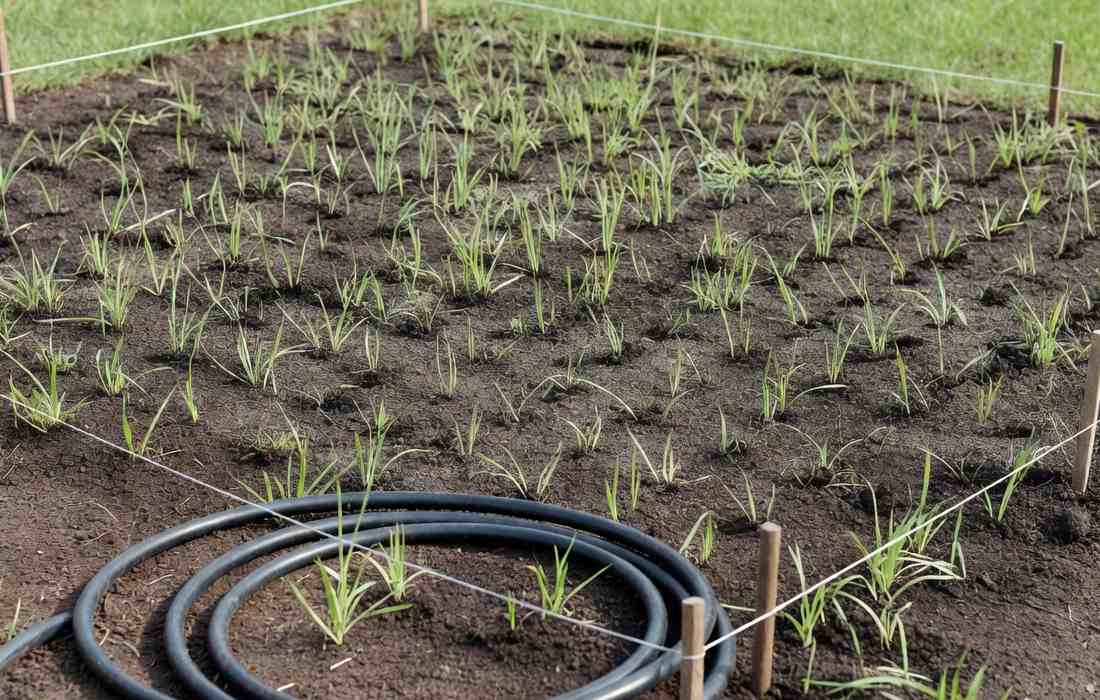
The right seeding time depends on your grass type, local temperatures, and the growing season ahead. Check the common windows below to get the best conditions for strong germination and root development.
Late Summer to Early Fall (August to October)
This is the strongest window for most cool-season lawns. Warm soil encourages quick germination, while cooler air reduces heat stress. Rainfall is often more reliable, and weed competition is lower than in spring. In northern states, finish several weeks before the first hard freeze.
Early Spring (March to April)
Spring can work for repairing bare patches or overseeding small areas once the soil warms and active growth begins. New seedlings face heavier weed competition and summer heat, so consistent watering is essential. Avoid seeding after applying crabgrass pre-emergent unless the label confirms it is safe for new grass.
Late Spring to Early Summer (May to June)
This is the preferred period for warm-season grasses such as Bermudagrass, zoysiagrass, and centipedegrass. Wait until frost danger has passed and soil temperatures remain around 60–70°F. Warm soil supports faster germination and gives seedlings time to establish during their main growing season.
Seeding after core aeration can also improve seed-to-soil contact, but the work should still follow the correct seasonal window. Avoid planting cool-season grass during midsummer or too late in fall, as heat, drought, weeds, or freezing weather may stop young roots from becoming established.
How Does Grass Type Change the Seeding Window?
Grass type sets the calendar because cool-season and warm-season lawns peak at different times. Identify your lawn type, then seed when young roots can establish without severe heat or frost.
Cool-Season Grasses
Cool-season grasses include Kentucky bluegrass, perennial ryegrass, fine fescue, and tall fescue. Their strongest growth occurs during cooler spring and fall weather, so late summer to early fall is usually the best seeding period. In many northern regions, this falls between mid-August and early October.
Warm soil speeds germination, while cooler days reduce moisture loss and seedling stress. Plant early enough to provide several weeks of growth before a hard freeze.
Early spring can be used for small repairs, but seedlings must compete with weeds and may struggle once summer heat arrives. Avoid midsummer seeding unless you can provide frequent irrigation and protection from high temperatures.
Warm-Season Grasses
Warm-season grasses such as Bermudagrass, zoysiagrass, centipedegrass, and bahiagrass should be seeded after the final frost, usually from late spring through early summer. Soil should remain consistently warm, generally at least 60°F and preferably closer to 65–70°F.
This window gives seedlings a full warm growing season to spread and strengthen before cooler weather slows growth. Seeding too early can cause slow germination or seed loss. Planting in late summer or fall may not leave enough time for roots and runners to develop before the grass enters dormancy.
How Do You Seed the Lawn Properly?
Good timing is only half the job. Seed needs clean contact with the soil and steady moisture from day one.
Mow and Clear the Area
Mow the existing lawn shorter than usual, then bag or rake away clippings, leaves, acorns, and loose thatch. Seed has to reach soil, not sit on a dry mat. If weeds are flowering heavily, remove them or spot-treat earlier, then wait until the lawn can be disturbed safely. Mark sprinkler heads, cables, and shallow edging before you start. Postpone if the ground is waterlogged; if your footprints glisten with water, seed will smear instead of settling.
Loosen Soil and Spread Seed
Scratch the top layer with a rake, slit seeder, or after core aeration so the seed drops into shallow soil contact. Spread at the label rate. Doubling the seed does not speed things up; it gives you crowded, weaker seedlings. Two passes at right angles usually give more even coverage. On bare patches, loosen the compacted edges too, because that transition line is often where seedlings fail first. If the surface throws dust after raking, water lightly first and seed once it drains.
Cover, Water, and Protect New Seed
Top bare soil with a thin layer of compost, peat-free topdressing, or clean straw if wind and birds are likely to be an issue. A covering is enough, and don't bury the seed. Water right away with a gentle spray, then keep the surface consistently damp until germination.
If you use automation, keep seeded areas out of bounds until the lawn is ready for mowing again. A mower such as the Sunseeker S4 can fit that routine when you can exclude fresh seed and let the new grass establish without traffic.
Before you finish, check the forecast one more time. If the next few days turn hot, windy, or stormy, adjust watering and surface protection rather than trusting the season alone. Seedlings usually fail from daily stress, not from choosing the wrong month by a week. While the seed is shallow, light and frequent watering beats occasional soaking.

What Should You Avoid After Seeding?
Newly seeded grass needs steady moisture and very little disturbance. Avoid these common mistakes while the seeds germinate and the roots begin to develop:
Letting the surface dry out: Do not rely on forecast rain. If the top layer starts drying, water lightly again so the seedbed stays consistently moist.
Overwatering the area: Heavy watering can create puddles, wash seed away, and collect it in low spots. Use a gentle spray and stop before runoff begins.
Walking or playing on the lawn: Keep people, pets, mower wheels, and other traffic off the area until the seedlings are firmly rooted.
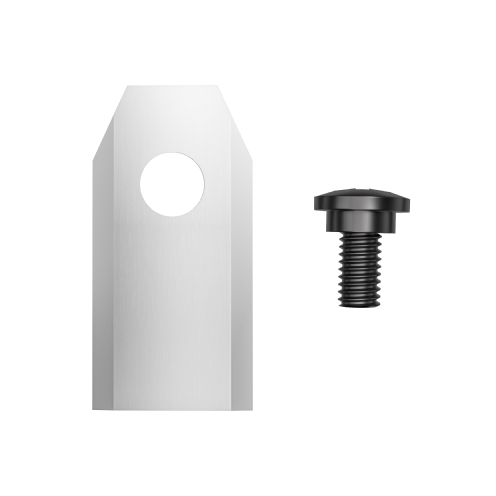
- Mowing too early: Wait until the new grass is tall enough to cut without being pulled from the soil. If necessary, learn how to sharpen lawn mower blades before making the first cut. Use a sharp blade instead of a robot lawn mower at first and avoid removing too much at once.
Applying harsh treatments: Avoid weed killers, heavy fertilizer, dethatching, and aeration unless the product label clearly says they are safe for new seedlings.
Assuming visible green means established grass: A thin green haze may look promising, but the roots are still shallow and easy to damage.
How Long Does Grass Seed Take to Grow?
Most lawn seed starts to germinate somewhere between a few days and a few weeks, depending on grass type, soil contact, moisture, and weather. Ryegrass often shows in about 5 to 10 days. Many fescues come up in roughly 7 to 14 days. Kentucky bluegrass is slower and may need around 14 to 28 days. Warm-season seed can also take several weeks if conditions swing or moisture is inconsistent.
Visible sprouts are only the first milestone. The lawn is not ready for normal use just because it looks green. Actionable conditions you should note are that the seedlings have thickened, rooted, and can handle a careful first mow without lifting. How sharp should mower blades be for this first cut? They should have a clean, even cutting edge without being razor-sharp, allowing them to slice the young grass instead of tearing it.
If nothing appears within the expected range, check the basics before you reseed. Was the seed buried too deep, washed away, dried out, or dropped onto compacted soil? Fix the cause first. Repeating the same preparation and timing usually gives you the same poor result.
Conclusion
The best time to seed a lawn depends on matching the grass type with the right growing conditions. Cool-season lawns usually establish best in late summer or early fall, while warm-season grasses prefer late spring or early summer. Good timing still needs proper soil contact, steady moisture, and protection from traffic. Once seedlings appear, avoid rushing into mowing or treatments. Give the new grass time to root, thicken, and handle normal lawn care without being pulled or stressed.
Frequently Asked Questions
Is October too late to lay grass seed?
For cool-season grass, late summer to early fall is ideal, so early October might still work if hard frost isn’t imminent. The key is allowing enough time for roots to establish before winter slows growth. For warm-season grass, October is generally too late, as its active growth window is late spring to early summer. Always avoid seeding right before extreme cold.
Can I just throw grass seed down in the fall?
No, simply throwing seed down is usually ineffective. Proper preparation is crucial for successful germination and establishment. Seed needs clean contact with the soil, not just sitting on thatch or existing grass. You must mow, clear debris, loosen the topsoil, spread at the label rate, and then cover lightly before watering immediately.
Can I use weed killer on newly seeded lawns?
Generally, no. Applying weed killers, aggressive fertilizers, dethatching, or aeration to fresh seedlings is not recommended. These treatments can severely damage or kill young, vulnerable grass. Such jobs should be completed either before seeding or once the lawn is fully established and mature. Always check product labels for specific guidance on new grass.