Mowing and watering are two of the most important parts of lawn care, but it's very important to do them at the right time. A lawn that only gets water when it needs it will grow stronger and healthier. That's why many homeowners ask whether they should water grass after mowing or wait until later. The right answer depends on factors that are easy to identify. In this article, we'll guide you through when watering after mowing is beneficial and when it's best to hold off.
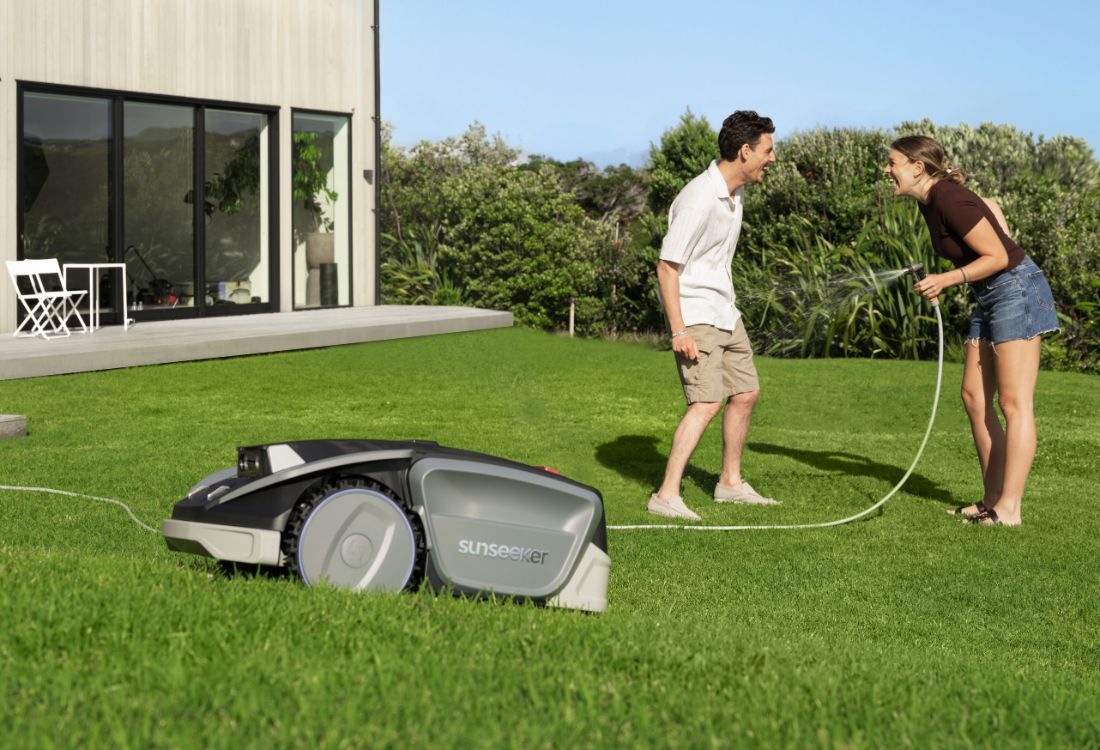
Should You Water Your Lawn Right After Mowing?
If you're asking should you water grass after mowing, the answer is usually yes if the lawn was dry when you mowed it. Instead of watering immediately, wait about 30 to 60 minutes before irrigating. This gives the freshly cut grass time to recover from the stress of mowing, allowing it to absorb water more effectively. It also helps reduce excess moisture on the grass surface, which can lower the risk of fungal diseases and other lawn health issues.
Benefits of Watering Grass After Mowing
When you water your lawn after mowing it, it can help your lawn stay healthy and grow back strong. This will offer the following benefits:
-
Restores Soil Moisture
Watering after mowing restores moisture levels in the soil, especially in areas with sandy ground. Since these types of soil lose water quickly, it is helpful to add moisture by watering after mowing.
-
Helps Grass Recover From Mowing Stress
Mowing removes part of the grass blade, which can temporarily weaken the plant and slow its recovery. During hot or dry conditions, this stress can become more noticeable. When the lawn is already dry, watering after mowing can support recovery by helping the grass return to a healthier condition.
-
Cools Grass During Hot Weather
Freshly cut grass is more susceptible to heat stress on warm days. Watering helps lower the temperature of the grass blades and the soil surface, which reduces the impact of heat. As a result, the lawn stays green and healthy.
-
Replaces Grass Moisture Lost After Cutting
Grass loses moisture more quickly after mowing, especially on sunny afternoons when evaporation rates are higher. Choosing to water lawn after mowing when the soil is dry helps replace lost moisture.
-
Encourages Deeper Root Growth
When water is applied deeply rather than frequently, it moves farther into the soil. This encourages the roots to grow deeper in search of water, helping the lawn become more resilient during droughts.
-
Improves Nutrient Absorption
Water helps transport nutrients through the soil toward the root zone. After mowing, when the lawn receives adequate moisture, grass roots can access nutrients more effectively, particularly if fertilizer has recently been applied.
When Watering After Mowing Can Do More Harm Than Good
While watering can benefit your lawn, the timing is important. Watering after mowing can do more harm than good if you mow in the evening and then water the lawn at night. When grass is damp overnight without sunlight or warmer temperatures to help the turf dry, excess moisture lingers on the grass blades, creating an environment where fungal diseases are more likely to develop.
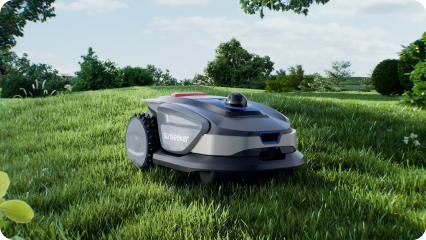
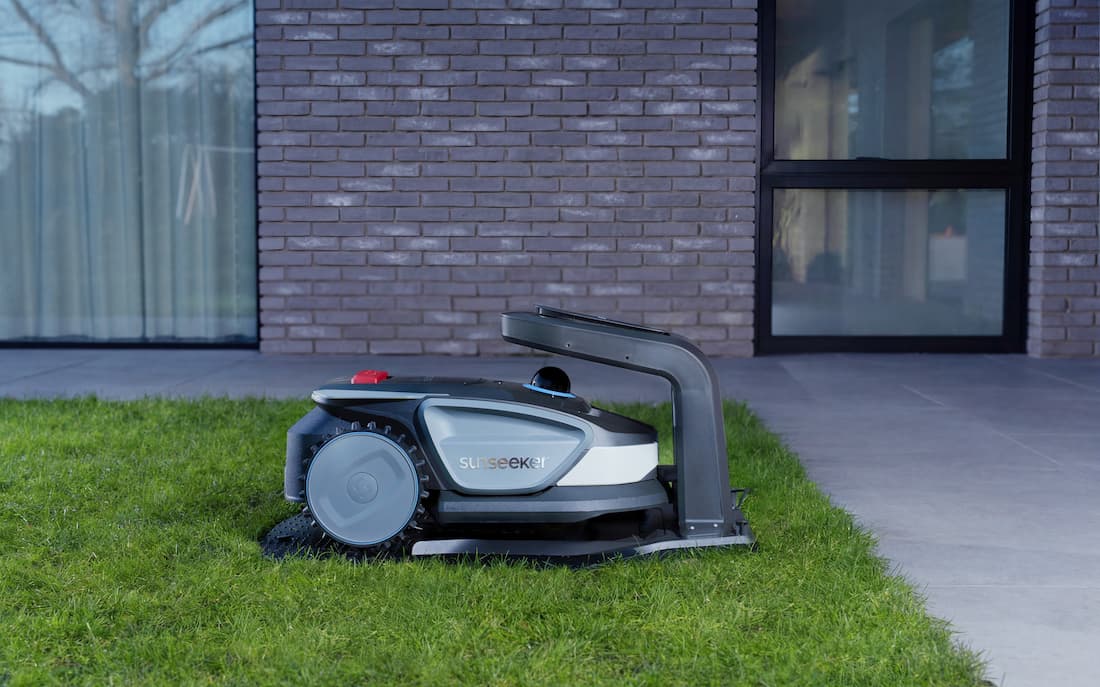
Because the risk comes from combining late mowing with nighttime watering, it helps to plan both tasks so the lawn has time to dry before evening. The Sunseeker S4 allows users to set mowing schedules through the app, making it easier to arrange routine cutting earlier in the day.
How to Decide If Your Grass Needs Water
Instead of watering automatically after every mowing session, check the condition of your lawn using the signs below. This will help you decide if your lawn needs more water:
-
Check Soil Moisture
Insert a soil probe a few inches into the ground. If the soil feels dry and hard below the surface, your lawn probably needs water.
-
Look for Footprints
Grass that remains flattened after being stepped on may be showing signs of drought stress. If you're wondering should you water after mowing, this is one of the easiest ways to tell if it could benefit from additional moisture.
-
Watch for Color Changes
Healthy grass is typically vibrant green. If it starts to appear dull, faded, or grayish-green, it may be lacking the necessary moisture.
-
Check for Curled Grass Blades
When moisture levels are low, grass blades often fold or curl at the edges. This natural response helps reduce water loss and indicates that the lawn is becoming too dry.
Water Conservation Tips for a Healthy Lawn
Watering efficiently helps keep your lawn healthy and reduces waste. An effective heatwave survival guide for your lawn should include these practical watering habits, which can make a big difference throughout the growing season:
-
Water Early in the Morning
Watering early in the morning allows more moisture to soak into the soil before temperatures rise. Because evaporation is lower during this time, more water reaches the root zone where it is needed most.
-
Use Efficient Irrigation Methods
Drip irrigation and adjustable sprinkler systems deliver water more precisely, preventing unnecessary runoff and overwatering. They can also make it easier to decide should you water the lawn after mowing based on the actual moisture levels in the soil.
-
Create Watering Zones”
Not all parts of a lawn need the same amount of water. Areas that receive full sun often dry out faster than shaded sections, so dividing your yard into watering zones can improve efficiency. This helps make sure that you don't water more than necessary and only water after mowing when certain areas actually need additional moisture.
Conclusion
When maintaining a healthy lawn, there are some situations that may call for you to water grass after mowing, while others may need no additional water. Factors such as soil moisture, weather conditions, and grass health should guide your decision. By watering only when necessary and using efficient practices, you can keep your lawn looking its best after each mowing.
FAQs
Are you supposed to water grass after mowing?
Yes, you can water grass after mowing if the lawn needs moisture and the grass was dry when it was cut. However, it is generally best to wait about 30 to 60 minutes before watering. This gives the grass time to recover and helps reduce excess moisture that can contribute to lawn diseases.
Is 30 minutes too long to water grass?
Not necessarily. Whether 30 minutes is too long depends on your sprinkler system, soil type, and watering rate. The goal is to provide enough water to reach the root zone without creating runoff. Monitoring soil moisture is more effective than relying on a fixed watering time for every lawn.
What is the best time to water your lawn?
The best time to water your lawn is early in the morning, preferably between sunrise and mid-morning. Cooler temperatures and lower evaporation rates allow more water to reach the roots. Morning watering also gives the grass enough time to dry during the day, reducing the risk of fungal diseases.