A lawn mower that won’t start, stalls unexpectedly, or leaves uneven patches of grass can quickly turn a simple yard task into a frustrating experience. The good news is that many common mower problems are caused by basic issues such as stale fuel, clogged air filters, worn spark plugs, built-up debris, or dull blades. In many cases, these problems can be diagnosed and fixed without an expensive trip to a repair shop.
This lawn mower repair guide will walk you through the most common mower issues, explain how to troubleshoot them step by step, and highlight simple DIY fixes you can handle yourself. You’ll also learn when professional repairs may be necessary and how regular maintenance can help prevent future breakdowns, keeping your mower running smoothly season after season.
What Are the Most Common Lawn Mower Problems?
When a lawn mower starts acting up, the symptoms often point to a specific underlying issue. Knowing the most common lawn mower problems can help you narrow down the cause before beginning any troubleshooting or repairs.
1. Power Loss or Poor Cutting Performance
If your mower loses power, sputters, or cuts grass unevenly, the cause is often a dirty air filter, a dull blade, or debris buildup under the deck. These issues make the engine work harder and reduce cutting efficiency
2. Mower Won't Start
A lawn mower that won't start is one of the most common mower problems. The usual causes include old fuel, a clogged carburetor, a dirty air filter, or a worn spark plug. Fuel left sitting for too long can create deposits that block the carburetor, while a faulty spark plug can prevent ignition.
3. Mower Is Smoking
Smoke coming from a lawn mower often indicates an oil or fuel-related problem. White or blue smoke may result from excess oil, improper storage, or an oil leak. Black smoke usually points to restricted airflow, a dirty air filter, or a carburetor issue causing the engine to burn too much fuel.
4. Starter Rope Is Hard to Pull
A starter rope that feels stiff or difficult to pull is often caused by grass or debris jammed around the blade. It can also occur when the flywheel brake is engaged or the recoil starter mechanism is faulty. These issues create resistance, making it harder to start the mower.
5. Battery Won't Hold a Charge
Battery-powered or robot lawn mowers may lose charge quickly or fail to recharge due to aging battery cells, corroded terminals, improper storage, or charging system issues. In some cases, the battery itself is not the problem. A faulty charger or alternator can also prevent the battery from maintaining a proper charge.
How to Troubleshoot a Lawn Mower Step by Step
Before attempting major repairs, it's best to diagnose the problem systematically. Follow these step-by-step troubleshooting methods and practical lawn mower fixes for some of the most common lawn mower issues.
1. Troubleshooting Power Loss or Poor Cutting Performance
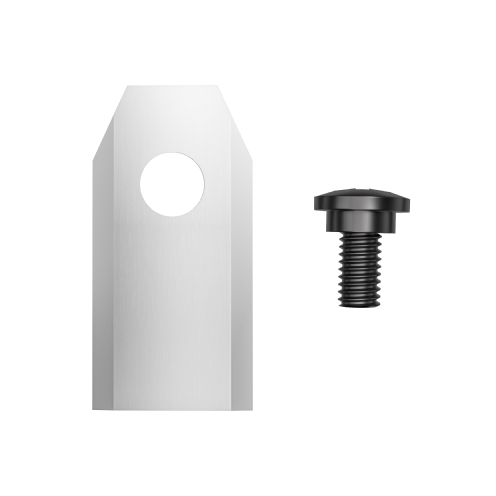
Step 1: Inspect the mower blade for dullness or damage. Sharpen or replace it if necessary.
Step 2: Check underneath the mower deck for grass clippings and debris. Disconnect the spark plug wire, then clean out any buildup.
Step 3: Examine the air and fuel filters. Clean dirty filters or replace them if they are heavily clogged.
Step 4: Test the mower again to see if power and cutting performance improve.
2. Troubleshooting a Mower That Won't Start
Step 1: Make sure the fuel tank contains fresh gasoline, as old fuel can prevent starting.
Step 2: Inspect the air filter and clean or replace it if dirty.
Step 3: Check the spark plug for wear, damage, or carbon buildup. Replace it if needed.
Step 4: If the mower still won't start, inspect the carburetor for fuel residue and clean it with a carburetor cleaner.
3. Troubleshooting a Smoking Mower
Step 1: Identify the smoke color.
- White smoke from a lawn mower: usually points to excess oil, recently spilled oil, or oil entering the cylinder after the machine was tipped.
- Blue smoke: Verify the oil level and consider whether the mower was tipped incorrectly.
- Black smoke: Inspect the air filter and carburetor for airflow or fuel-mixture issues.
Step 2: Correct the underlying issue and run the mower briefly to see if the smoke clears.
4. Troubleshooting a Hard-to-Pull Starter Rope
Step 1: Disconnect the spark plug wire for safety.
Step 2: Inspect the mower deck and blade area for grass or debris buildup and remove any obstructions.
Step 3: Reconnect the spark plug wire and test the starter rope.
Step 4: If the rope remains difficult to pull, the flywheel brake or starter assembly may require professional service.
5. Troubleshooting a Battery That Won't Hold a Charge
Step 1: Inspect the battery terminals and clean away any corrosion.
Step 2: Confirm the battery has been stored properly in a cool, dry location.
Step 3: Fully recharge the battery and test its performance.
Step 4: If the battery continues to drain quickly or won't charge, replace it with a new one.
Which Repairs Can You Do Yourself?
Many common lawn mower issues can be fixed at home with basic tools and your owner's manual. DIY repairs and simple grass mower repair tasks are a great way to save money, prevent bigger problems, and keep your mower running smoothly.
Repairs you can often do yourself include:
- Replacing spark plugs
- Cleaning or replacing air filters
- Changing the oil
- Sharpening or replacing mower blades
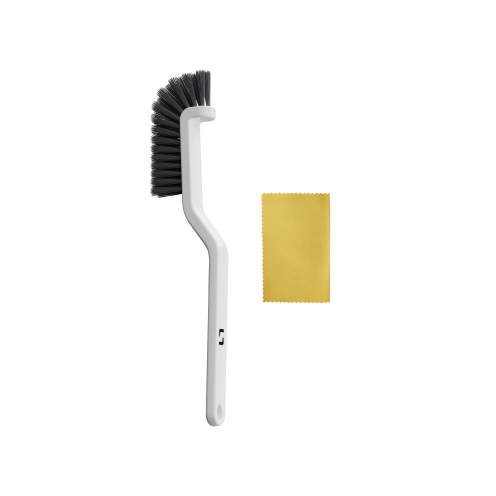
- Removing grass and debris from the mower deck
- Replacing batteries on electric mowers
- Fixing minor starting problems
- Cleaning clogged fuel lines or filters
- Addressing poor cutting performance
When Should You Hire a Professional for Lawn Mower Repair?
While many lawn mower repairs can be handled at home, some problems require professional expertise to prevent further damage, especially when lawn mower engine repair is involved.
Consider hiring a professional if you notice:
- Engine overheating that continues after cleaning debris and checking airflow.
- Persistent starting problems after replacing the fuel, spark plug, and air filter.
- Unusual noises or excessive vibrations, which may indicate engine, crankshaft, or blade damage.
- Electrical problems involving wiring, batteries, chargers, or control systems on electric mowers.
- Transmission or self-propulsion issues that affect movement or speed control.
- Major engine or carburetor repairs that require specialized tools and technical knowledge.
A professional technician can accurately diagnose these issues and perform repairs safely and efficiently.
How to Prevent Future Lawn Mower Repairs
The best way to avoid costly lawn mower repairs is to follow a regular maintenance routine.
- Change the oil at least once per season.
- Clean or replace the air filter regularly, especially in dusty conditions.
- Sharpen the mower blade annually or whenever it becomes damaged.
- Remove grass and debris from under the deck after each use.
- Inspect and replace worn spark plugs as needed.
- Use fresh fuel and add a fuel stabilizer before long-term storage.
- Store the mower in a clean, dry location during the off-season.
- Perform seasonal tune-ups, including blade, battery, and filter checks.
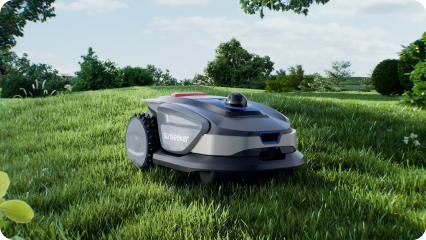
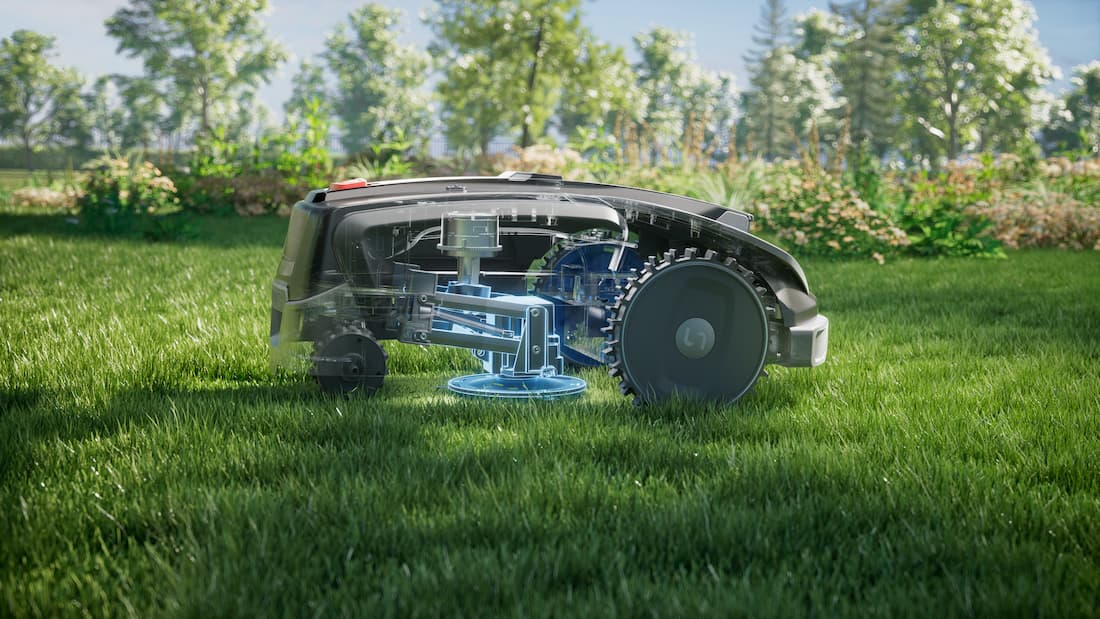
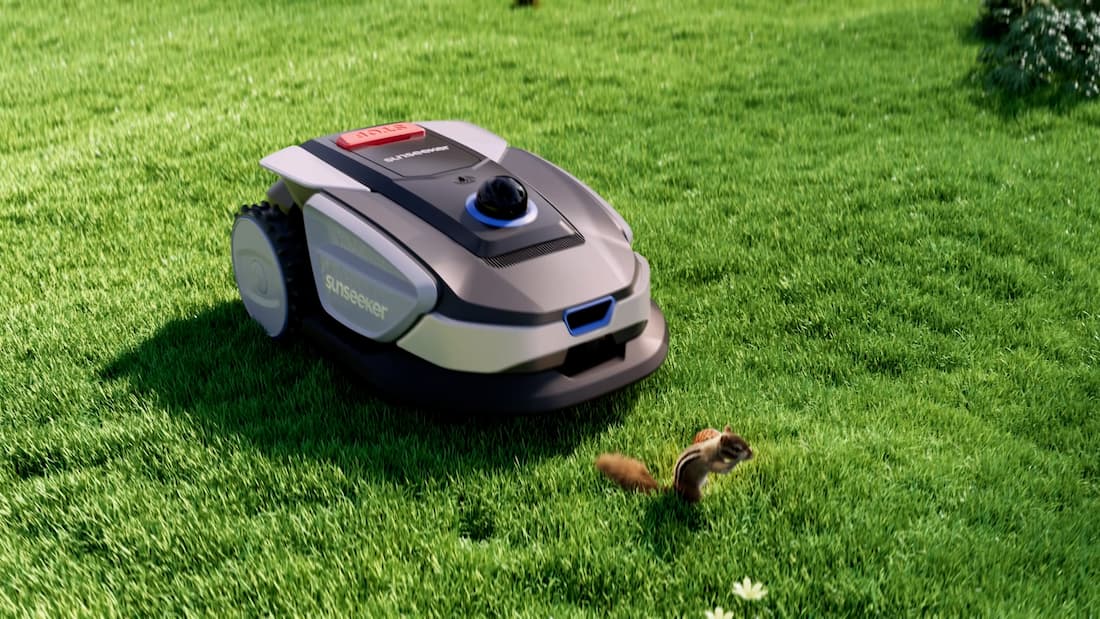
Consistent maintenance improves performance, extends mower life, and helps prevent unexpected breakdowns. In addition to regular upkeep, choosing a modern robotic mower can further reduce common repair issues. The Sunseeker S4 uses 360° 3D LiDAR and AI vision technology to navigate precisely, avoid obstacles, and create automatic mowing maps. Designed for lawns up to 0.25 acre and slopes up to 42%, it offers a convenient, low-maintenance mowing solution.
Conclusion
Most lawn mower problems have straightforward causes, from dirty filters and dull blades to worn spark plugs and old fuel. Learning how to identify these issues early can help you perform effective lawn mower repair before small problems become expensive repairs. Regular cleaning, seasonal maintenance, and proper storage are essential for reliable performance. While some repairs are ideal for DIY homeowners, professional service is often the safest choice for major mechanical or electrical issues. A well-maintained mower will deliver years of dependable service.
FAQs
Is it cheaper to repair or replace a lawn mower?
In most cases, repairing a lawn mower is cheaper than replacing it, especially for minor issues. However, if the repair cost approaches or exceeds 50% of the price of a new mower, replacement may be the more cost-effective option. The mower’s age and overall condition should also be considered.
How much do lawnmower repairs cost?
Most lawn mower repairs cost between $$35 and $$231, making them more affordable than buying a new mower. However, costs vary depending on the issue. Simple maintenance tasks such as blade sharpening or spark plug replacement are inexpensive, while major repairs involving the engine, crankshaft, or head gasket can cost several hundred dollars. Riding mowers typically cost more to repair than walk-behind or electric models.
Is it worth fixing a lawnmower?
Yes, lawn mower repair is often worth it when the issue is minor and the mower is still in good condition. However, replacement may be the better option if the mower is over 10 years old, requires frequent repairs, or needs a costly engine repair.