A well-maintained mower starts reliably, cuts more evenly, and lasts significantly longer than one that's only looked at when something breaks. Lawn mower maintenance doesn't have to be complicated. Knowing what to check and when makes it much more manageable. This guide covers what lawn mower upkeep looks like throughout the year, how needs differ across mower types, and when it makes sense to hand the job to a professional.

Checklist for Lawn Mower Maintenance
Most mower problems don't appear suddenly. They build up quietly when small tasks get skipped. Here's what to stay on top of and when.
Before every mow:
Every season or every 50 hours of use (whichever comes first):
At the end of the season:
- Check the oil level on the dipstick
- Clear compacted grass from underneath the deck
- Check the fuel and look for any visible leaks
- Make sure the blade feels secure and doesn't wobble
- Change the engine oil (old, darkened oil no longer protects the engine effectively)
- Check and clean the air filter. Foam filters can be washed and dried; paper filters should be replaced
- Replace the spark plug. A worn plug causes hard starting and rough running. Most manufacturers recommend replacing annually or every 100 hours
- Sharpen the blade. A dull blade tears rather than cuts, stressing both the grass and the engine
- Check wheel and tyre pressure for even cutting height
- Add fuel stabiliser or drain the tank completely before storage
- Clean the deck and underside thoroughly
- Inspect the blade for chips or bends and replace if needed
- Lubricate any pivot points and cables to prevent corrosion over winter
- Store in a dry, sheltered space
Working through this lawn mower maintenance checklist at the right intervals is what keeps small issues from becoming costly ones. Most of these tasks take only a few minutes each, and the combined effect over a season is a mower that runs more reliably, cuts more cleanly, and lasts longer.
How Should Lawn Mower Maintenance Change by Season?
Mower maintenance shifts with the season, and each period has its own priorities.
Spring
Before the first mow, treat it as a full reset. Check the oil and change it if it wasn't done at the end of last season. Replace the spark plug and air filter if they're due. Sharpen the blade, and start with fresh fuel rather than anything left over from the previous year. This is the most important lawn mower care session of the year.
Summer
- During active mowing, keep the basics consistent:
- Clear the deck after every use before grass has a chance to dry and compact
- Check the oil level every few mows
- In dusty conditions, inspect the air filter more frequently than usual
Autumn
As mowing slows down, do a final check on the blade and oil before winter storage. Catching anything now is far easier than dealing with it in spring.
Winter
How the mower goes into storage determines how it comes out. Drained fuel or stabiliser, a clean machine, and a dry storage location are the three essentials. Battery-powered mowers should have batteries stored at partial charge, not fully depleted.
How Do You Maintain Different Types of Lawn Mowers?
Servicing lawn mower requirements vary considerably by machine type.
- Petrol push mowers have the most involved maintenance schedule. Oil changes, spark plug replacements, air filter cleaning or replacement, blade sharpening, and fuel management all apply. A basic lawn mower tune up kit typically includes a spark plug, air filter, and oil, with parts costing around $$23 to $$46. Professional lawn mower tune up cost at a service centre generally runs $$57 to $$114.
- Battery-powered push mowers are simpler to maintain. No oil, no spark plug, no carburettor. The main tasks are blade sharpening, deck cleaning, and battery care. Lawn mower repair cost for battery mowers tends to be lower than for petrol equivalents.
- Self-propelled mowers add a drive system. The drive belt and cables need seasonal inspection for wear and correct tension.
- Ride-on mowers come closest to vehicle-level maintenance. Oil, belts, blades, filters, and electrical systems all need regular attention. Annual professional servicing is recommended, typically costing $$114 to $$229 or more depending on the machine.
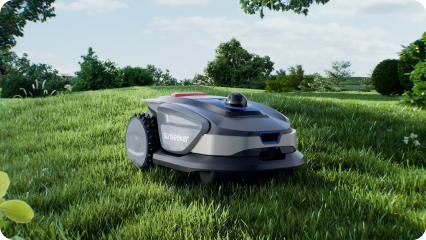
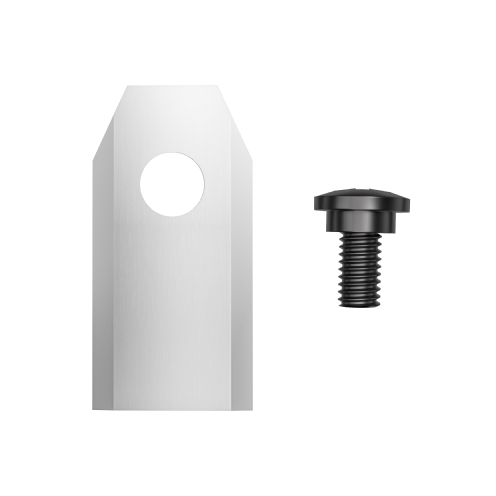
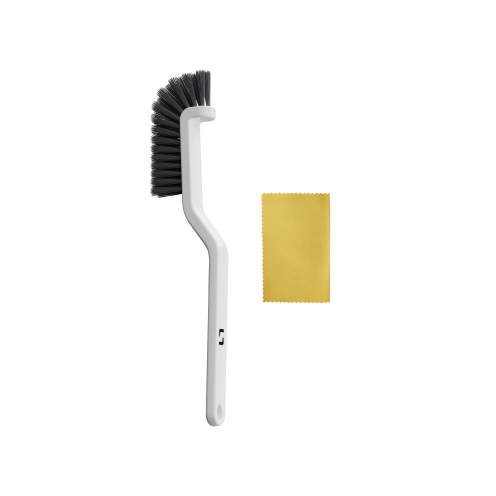
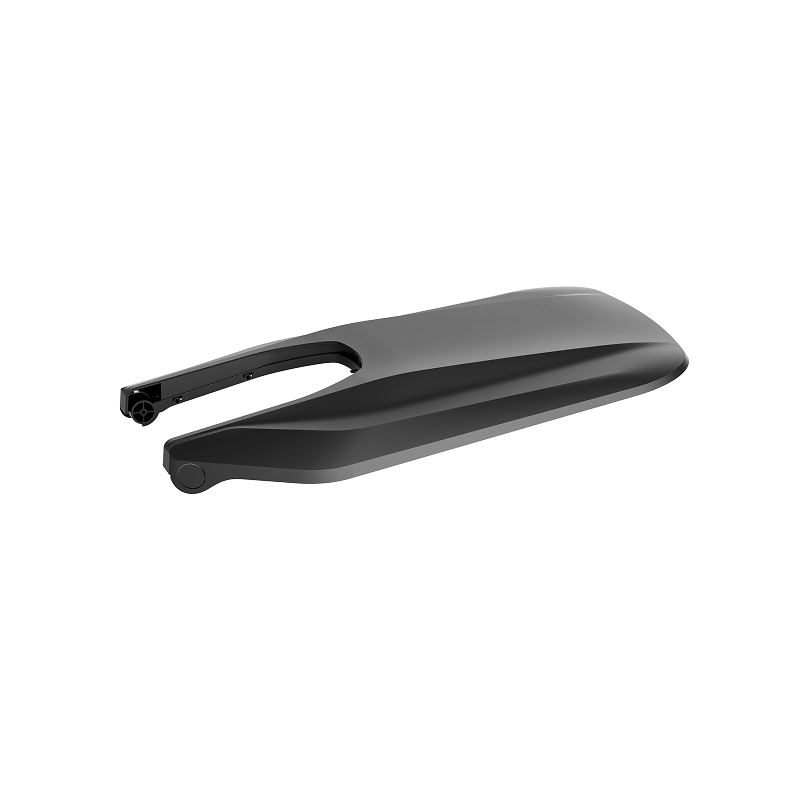
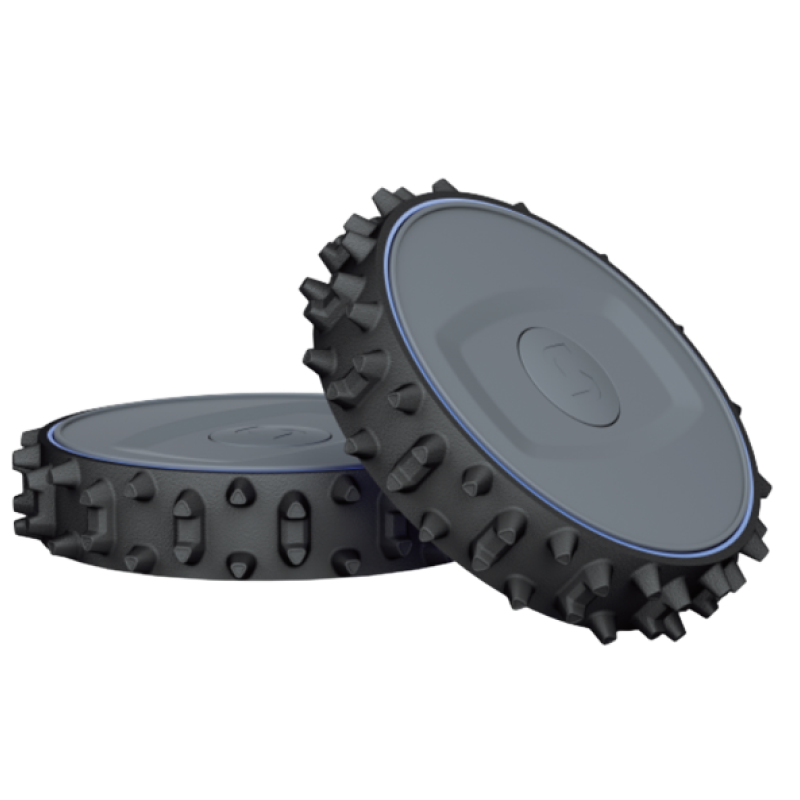
- Robotic lawn mowers are much lower-maintenance than petrol or ride-on models. They do not need oil changes, spark plug replacements, or carburettor cleaning. Regular care usually means keeping the blades sharp, cleaning grass from the underside, checking the wheels, and making sure the charging station stays clear.
For larger or more complex gardens, the Sunseeker S5 is a good example of how robotic mowing can reduce hands-on work. It mows on a set schedule, returns to charge on its own, and covers up to 0.4 acre. Its AWD system handles slopes up to 60% / 30°, while AI binocular vision with 3D depth perception helps it move through tight passages as narrow as 31.5 inches. It also pauses automatically when rain is detected, making regular lawn care easier for homeowners who want a neat lawn without the usual servicing cycle of a petrol mower.

When Should You Call a Professional for Lawn Mower Maintenance?
Most lawn mower upkeep can be handled at home. But some situations are better left to someone with the right tools and experience.
Consider calling a professional when:
- The engine starts but runs rough, stalls repeatedly, or produces smoke. These symptoms often point to carburettor or internal issues beyond routine maintenance
- The mower won't start even after fresh fuel, a new spark plug, and a clean air filter
- A belt, cable, or drive component has snapped or seized
- Lawn mower repair cost estimates are getting close to what a replacement would cost
A professional service typically covers a full inspection, oil change, spark plug and filter replacement, blade sharpening, and a test run, roughly equivalent to a full how to tune up a lawn mower session with the right equipment. The cost of lawn mower tune up at a service centre generally falls between $$57 to $$114 for push mowers, and $$114 to $$229 or more for ride-on machines. If cost of lawn mower repair is high on an older mower, it's worth asking the technician directly whether repair or replacement makes more sense.
For homeowners who want to step off the maintenance cycle entirely, the Sunseeker S4 is worth considering. It removes the need for oil changes, spark plug checks, and air filter cleaning altogether. Getting started is equally simple. Drop & Go setup means no boundary wires and no configuration, just place it on the lawn and it begins working. The mower maps the garden itself, follows a set schedule, and charges automatically. Its AllSense™ 3D fusion sensing combines 360° LiDAR with Vision AI to navigate and avoid obstacles across up to 0.25 acre, operating at 60 dB(A).
Conclusion
Lawn mower maintenance done consistently is one of the lowest-cost ways to avoid expensive repairs. Build it into the season: a proper spring check, regular in-season habits, and proper winter lawn mower storage. Most mowers will serve reliably for many years. Most mowers will serve reliably for many years.
FAQs
How often should you service a lawn mower?
For petrol push mowers, a full servicing lawn mower session at the start of each season is the baseline, with quick checks before every mow. Battery mowers need less frequent attention, mainly seasonal blade care and battery management. Ride-on mowers benefit from professional servicing at least once a year. When in doubt, the manufacturer's manual is the most reliable guide for your specific model.
What is the most common lawn mower problem?
Difficulty starting. It usually comes down to one of three things: stale fuel, a worn spark plug, or a clogged air filter. All three are easily prevented with routine mower maintenance before the season begins. Knowing how to tune up a lawn mower at the start of spring eliminates most starting problems before they happen.
What is the lifespan of a lawn mower?
A petrol push mower that's well looked after typically lasts 8 to 10 years. Battery models follow a similar timeline, though the battery itself may need replacing after 3 to 5 years. Ride-on mowers can last 15 years or more with proper lawn mower care. The gap between a well-maintained mower and a neglected one is significant. How do you tune up a lawn mower once a season (oil, spark plug, air filter, blade) is the single most effective habit for extending its life. A lawn mower tune up kit covering all three consumables costs far less than an early replacement.