Zero-turn mowers are known for their speed, maneuverability, and ability to handle large lawns efficiently. However, operating one safely begins with understanding the correct startup procedure. Learning how to start a zero turn mower properly helps prevent accidental movement, protects the engine from unnecessary wear, and ensures the mower is ready for reliable operation.
While the exact controls may vary between manufacturers, most zero-turn mowers follow a similar starting sequence involving the parking brake, steering levers, blade controls, and ignition system. This guide explains the essential safety checks, step-by-step starting instructions, common troubleshooting tips, and maintenance practices that can help keep your zero turn mower running smoothly throughout the mowing season.
Safety Checks Before You Turn the Key
Prioritizing safety is essential before starting a zero turn mower. Taking a few minutes to inspect the machine and the surrounding area can help prevent accidents, equipment damage, and unnecessary starting problems.
- Wear Personal Protective Equipment (PPE): Always wear closed-toe shoes with good traction, safety glasses, and hearing protection while operating the mower.
- Inspect the Machine: Look for loose belts, damaged wires, leaking fluids, or any worn components that may need repair before use.
- Check Fuel and Oil Levels: Make sure the fuel tank contains fresh gasoline and verify that the engine oil is at the recommended level.
- Verify Safety Controls: Confirm that the parking brake is engaged and the blade engagement switch (PTO) is turned off before attempting to start the engine.
- Clear the Mowing Area: Remove rocks, sticks, toys, and other debris that could become dangerous projectiles when the blades are engaged.
Completing these simple checks helps ensure your mower starts properly and operates safely throughout the job.
How to Start a Zero Turn Mower Step by Step
Starting a zero-turn mower is straightforward when you follow the proper procedure. Using the correct sequence helps protect the engine, ensures safety, and reduces unnecessary wear on the mower.
1.Adjust the Seat: Sit in the operator's seat and make sure you can comfortably reach the steering levers, pedals, and other controls.
2.Engage the Parking Brake: Set the parking brake firmly before attempting to start the engine.
3.Disengage the Blades: Verify that the blade engagement switch (PTO) is in the "off" position.
4.Position the Steering Levers: Move both steering levers outward into the neutral or park position, depending on your mower model.
5.Set the Throttle and Choke: For a cold engine, move the throttle to the choke or start position. If the engine is already warm, you may not need to use the choke.
6.Start the Engine: Insert the ignition key and turn it clockwise until the engine starts. Release the key as soon as the engine is running.
Whether you're learning how to start a zero turn lawn mower for the first time or looking for a refresher on how to start a 0 turn mower safely, following these steps will help ensure reliable operation and prevent accidental movement.
Why Won't a Zero Turn Mower Start?
If your zero-turn mower won't start, several common issues may be preventing the engine from running properly.
- Dead Battery: Check that the battery is fully charged and that the terminals are clean, tight, and free of corrosion.
- Safety Interlocks: Most zero-turn mowers will not start if the parking brake is disengaged, the PTO is on, or the steering levers are not in the required start position.
- Fuel Problems: Old fuel, low fuel levels, or a clogged fuel filter can prevent the engine from firing properly.
- Air and Spark Issues: A dirty air filter or worn spark plug can affect engine performance and prevent starting.
- Electrical Problems: A blown fuse, damaged wiring, or faulty ignition switch may interrupt power to the starter system.
What to Do After the Engine Starts
After learning how to start zero turn mower equipment safely, it's important to follow the proper steps before beginning to mow. This helps ensure smooth operation and reduces unnecessary strain on the engine. Homeowners may also wonder, should you water grass after mowing? Watering is only necessary when the soil is dry, preferably early in the morning rather than immediately after every thoughts for lawn care completing every mowing session.
- Adjust the Throttle: If you used the choke to start a cold engine, gradually move it off and set the throttle to the recommended operating position.
- Allow the Engine to Warm Up: Let the engine idle briefly so oil can circulate properly and engine components can reach operating temperature.
- Release the Parking Brake: Once the engine is running smoothly, carefully disengage the parking brake.
- Position the Steering Levers: Move both steering levers inward into the operating position.
- Begin Driving Slowly: Push the steering levers forward gradually and become comfortable with the mower's response before increasing speed or engaging the blades.
Basic Maintenance That Helps Prevent Starting Problems
Regular maintenance can help prevent many of the common issues that make a zero-turn mower difficult to start. Following a consistent maintenance schedule also improves performance and extends the life of the machine. Below are some of the maintenance tips:
- Maintain the Battery: Keep the battery terminals clean and free of corrosion, and recharge or replace the battery when necessary.
- Replace Air and Fuel Filters: Dirty filters can restrict airflow and fuel delivery, making the engine harder to start and operate efficiently.
- Change Engine Oil Regularly: Fresh oil helps protect internal engine components and supports reliable performance.
- Inspect and Replace Spark Plugs: Worn or fouled spark plugs can cause hard starting, rough running, or engine misfires.
- Use Fresh Fuel: Avoid leaving gasoline in the tank for extended periods, as stale fuel can create starting problems and clog fuel system components.
- Store the Mower Properly: Keep the mower in a dry, sheltered location to protect electrical components and reduce corrosion.
Robot Lawn Mowers as a Convenient Alternative
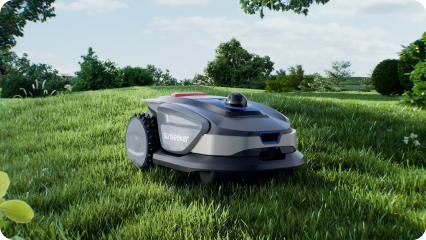
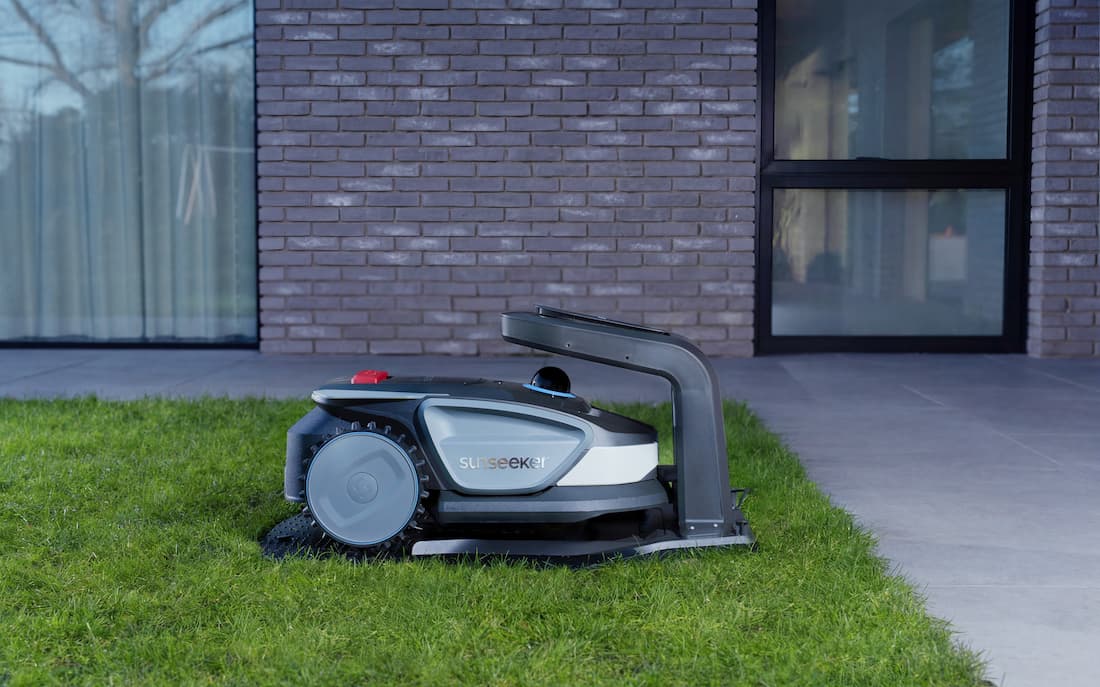
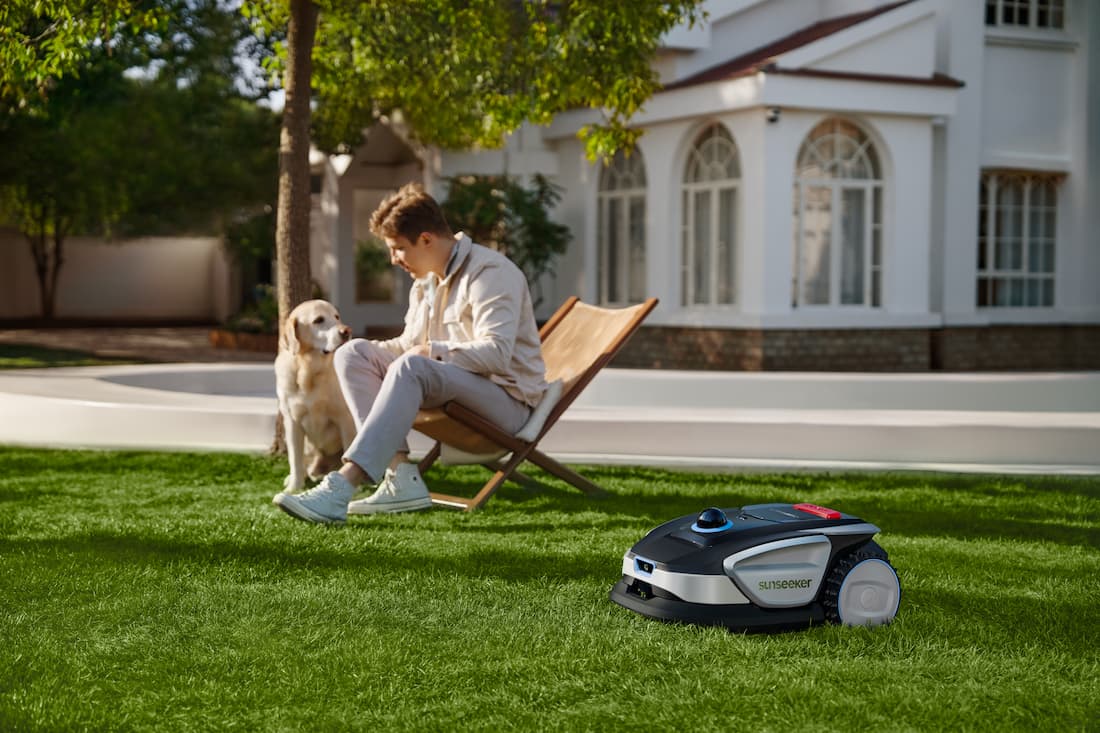
While regular maintenance helps keep traditional zero-turn mowers running reliably, some homeowners prefer automated mowing solutions that require less hands-on operation. A robot lawn mower offers a hands-off approach to lawn care by automatically navigating and maintaining your lawn with minimal user input. Unlike traditional zero-turn mowers, robotic models eliminate the need for manual starting procedures and routine operator control.
The Sunseeker S4 is an example of a robotic mower designed for autonomous lawn maintenance. With advanced navigation technology and automated operation, it provides a convenient alternative for homeowners who prefer a more streamlined mowing experience.
Conclusion
Starting a zero-turn mower usually requires a few key conditions: the parking brake must be engaged, the PTO switch turned off, and the steering levers placed in the correct start position. Understanding how to start a zero turn mower begins with confirming these safety controls are properly set. Once everything is in place, turn the ignition key, allow the engine to stabilize, and prepare the mower for operation.
FAQs
How do you cold start a zero turn mower?
To cold start a zero-turn mower, first set the throttle lever to the "choke" position. Ensure the motion controls are in the neutral/outward position, the parking brake is engaged, and the blades are disengaged. Turn the ignition key clockwise and hold it for a few seconds until the engine starts. Once the engine is running, move the throttle from "choke" to a mid or high setting and let it warm up for 20 seconds.
What's the most dependable zero-turn mower?
For maximum dependability, commercial-grade models are recommended over residential ones because they are built with more robust components designed for heavy-duty tasks. Additionally, choosing a mower with strong dealer support and parts availability ensures the machine can be properly maintained for long-term reliability.
What's the average lifespan of a zero-turn mower?
The lifespan varies based on the mower's grade and how it is maintained. Residential mowers generally last between 5 to 9 years or 500 to 1,500 running hours. Commercial models are more durable, typically lasting 8 to 12 years or between 1,000 and 3,500 hours. You can extend this lifespan by performing routine maintenance, keeping the blades sharp, and storing the mower in a dry, sheltered area to prevent rust and corrosion.