Mowing your lawn is a routine task that directly affects your yard's health and appearance, but how long does it take to mow a lawn? The answer can vary widely, from as little as 10 minutes for a small yard to several hours, or even a full day, for larger properties. Factors like lawn size, mower type, deck width, terrain, and grass growth all play a role in how long the job takes.
Understanding these variables helps you plan your time better and choose the right equipment for your needs. Using a lawn mowing calculator can make estimating even easier by factoring in your specific conditions. In this guide, you'll learn what affects mowing time, how to estimate it accurately, and practical tips to make the process faster and more efficient.
Average Lawn Mowing Time at a Glance
Before diving into the details, it helps to break mowing time down into two key factors: the size of your lawn and the type of mower you use. Together, these give you a quick and practical snapshot of how long does it take to mow the lawn in your specific situation.
Average time by lawn size
Lawn size is the biggest factor in how long mowing takes. Under normal conditions, dry grass, regular upkeep, and average equipment, here's what you can expect:
- Extra-large lawns (about 0.25 acre): 2–4+ hours
- Large lawns (about 0.12–0.25 acre): 1–3 hours
- Medium lawns (about 0.04–0.12 acre): 45–90 minutes
- Small lawns (up to 0.04 acre): 15–45 minutes
These are baseline estimates. Overgrown grass, uneven terrain, or obstacles can increase mowing time, while well-maintained lawns are quicker to finish.
Average time by mower type
Your mower has a big impact on how long mowing takes. To make it easier to understand, here's how long each type typically needs to mow a 0.12 acre lawn:
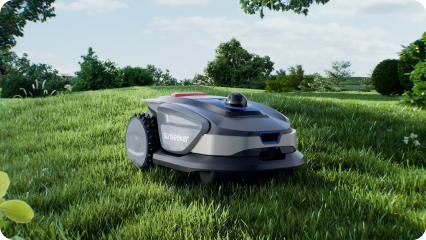
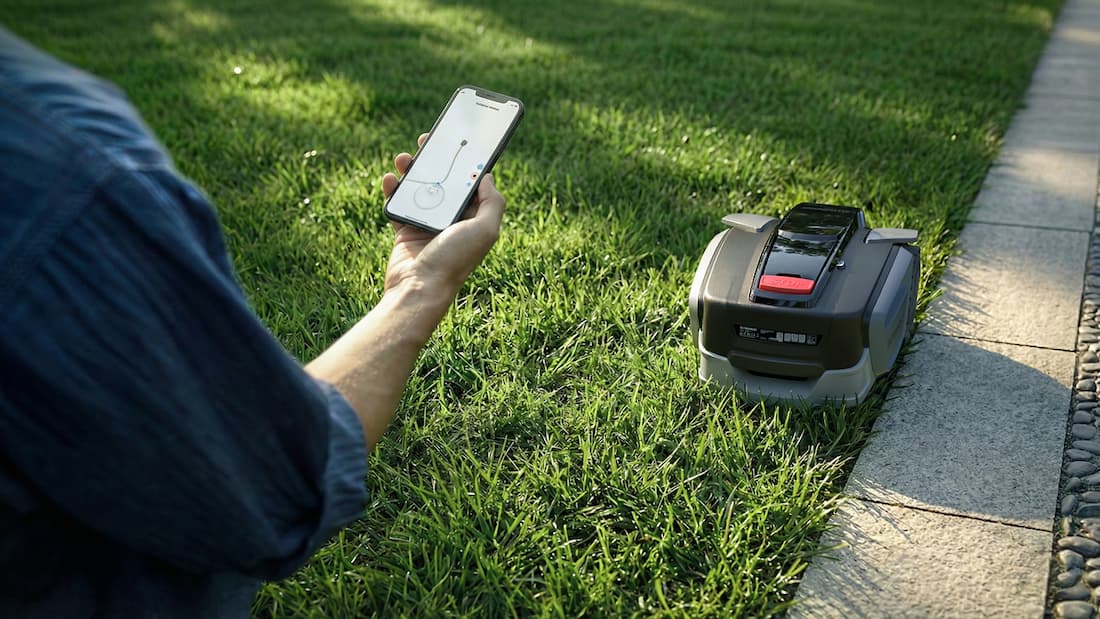
- Robot mower: Runs automatically and mows continuously, so you don't spend time doing it yourself.
- Push mower: Best for small lawns, but takes the most time and effort. It usually takes about 25–75 minutes.
- Riding mower: Much faster for medium- to large-sized lawns, significantly reducing time. It takes about 4–10 minutes.
- Self-propelled mower: Easier to use than a push mower, but still takes some time. It usually takes about 15–40 minutes.
In general, the more powerful and efficient the mower, the less time you'll spend mowing.
What Affects How Long It Takes to Mow a Lawn
When estimating mowing time, lawn size is the biggest factor, but it's not the only one. Even lawns of the same size can take very different amounts of time to mow.
1. Lawn Size and Characteristics
2. Grass Condition
3. Operator Skill
4. Weather Conditions
- What slows you down: Larger lawns take more time, and obstacles like trees, flower beds, slopes, or uneven terrain can reduce your mowing speed.
- How to improve efficiency: Clear debris before mowing and use a mower with a wider cutting deck to reduce the number of passes. If your yard has paved paths or patio edges, learning how to mow grass around pavers can also help you avoid repeated passes and unnecessary trimming.
- What slows you down: Tall, dense, or wet grass requires slower mowing and may need multiple passes. Wet grass can also clump and clog your mower.
- How to improve efficiency: Mow regularly, choose dry conditions, and keep your mower blades sharp for cleaner cuts.
- What slows you down: Inexperience can lead to excessive overlap and inefficient mowing patterns.
- How to improve efficiency: Practice consistent mowing patterns, learn your mower's controls, and aim to reduce overlap with each pass.
- What slows you down: Hot weather can cause fatigue, while wet or windy conditions can lead to uneven cuts and slower progress.
- How to improve efficiency: Mow during dry, mild weather and adjust your mowing height if conditions are less than ideal.
A well-maintained lawn can usually be mowed quickly, but an overgrown yard or a complex layout can significantly increase the time required. For instance, even a small lawn may take longer to finish if it includes obstacles or uneven ground. In the end, mowing time isn't fixed; it depends on a combination of lawn size, equipment, and overall conditions.
How to Mow Faster Without Sacrificing Cut Quality
If mowing your lawn feels like it takes too long, the solution isn't just working faster but working smarter. If you're wondering how to mow the law efficiently and fast, the key is to improve your mowing pattern, lawn preparation, and equipment choices. With the right approach, you can reduce mowing time while still keeping your lawn healthy and looking great.
Simple Ways to Improve Mowing Efficiency
- Mow regularly: Cutting small amounts of grass each time is much quicker than dealing with overgrown, thick grass.
- Keep blades sharp: Sharp blades cut cleanly in one pass, while dull blades slow you down and lead to uneven results.
- Maintain your mower: A well-maintained mower runs more efficiently and helps you finish faster.
- Use the right equipment: A wider cutting deck or upgrading to a riding mower can significantly reduce mowing time, especially for larger lawns.
Smarter Mowing Techniques
- Plan your mowing pattern: Mow in straight, consistent lines to avoid overlap and unnecessary turns.
- Switch directions each time: This prevents ruts and promotes more even grass growth.
- Clear obstacles first: Remove sticks, toys, and debris so you can mow without interruptions.
- Avoid wet grass: Dry conditions help your mower perform better and prevent clogging.
When a Smarter Mowing Solution Saves More Time
If your goal isn't just to mow faster, but to spend less time mowing altogether, a robotic mower can completely change the game. Instead of pushing a mower every weekend, you can automate the entire process and enjoy a consistently well-maintained lawn with minimal effort.
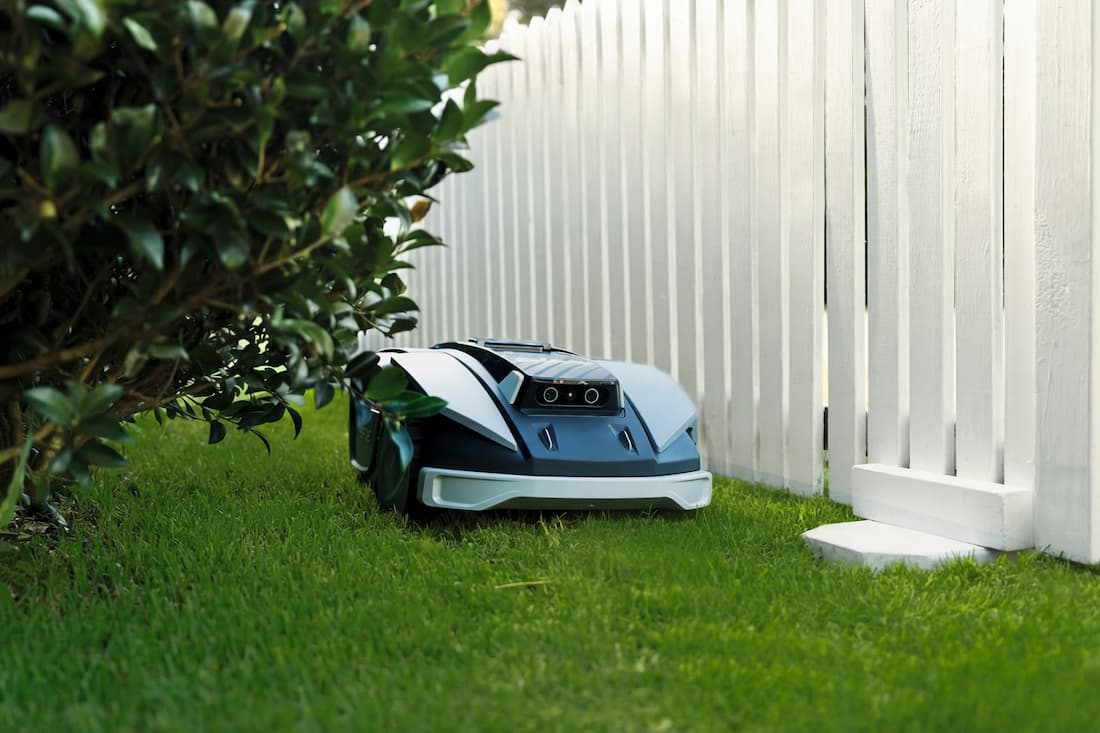
Take the Sunseeker S4, for example. Designed for lawns up to 0.25 acre, it offers a fully wire-free setup with advanced 3D mapping. Using LiDAR and AI-powered vision, it quickly learns your yard's layout, avoids obstacles like furniture or pets, and follows efficient mowing paths for even, professional-looking results. You simply connect it through the app, set your preferences, and let it handle the work.
For larger or more complex yards, the Sunseeker S5 takes things even further. With RTK positioning, AI navigation, and all-wheel drive, it delivers precise, systematic mowing, even on slopes and uneven terrain. It can manage multiple zones, handle obstacles with ease, and operate quietly in the background.
The result? Less manual labor, more free time, and a lawn that stays neatly trimmed without the constant effort.
Conclusion
In the end, understanding how long does it take to mow a lawn comes down to more than just size; it's about equipment, conditions, and efficiency. By using the right mower and maintaining your lawn regularly, you can save time and effort. For an even smarter solution, Sunseeker robotic mowers automate the process, helping you maintain a consistently neat lawn while freeing up your time for more important things.
FAQs
What is the 1/3 rule for mowing?
The 1/3 rule means you should never cut more than one-third of your grass height at once. For example, if your lawn is 3.5 inch tall, remove no more than 1.2 inch. This prevents stress, keeps grass healthy, and encourages stronger roots. Following this simple rule helps maintain a thicker, greener lawn over time.
Is mowing twice a week too much?
Mowing twice a week isn't too much during peak growing seasons, especially in summer when grass grows quickly. However, it depends on your lawn's growth rate. In spring and fall, once a week is usually enough. Avoid overcutting, as it can stress the grass, cause yellowing, and weaken its health, especially during dry conditions.
How can I estimate lawn mowing time more accurately?
To estimate mowing time, you can use a simple formula or a lawn mowing calculator, also known as a mowing time calculator, for quicker results. A common formula is:Acres per hour = (speed × deck width × efficiency) ÷ 100.
Efficiency (around 80%) accounts for turns and obstacles. On average, push mowers cover about 0.10 – 0.30 acre per hour, while zero-turn mowers can handle up to about 4 acres per hour, depending on conditions.
How long does it take to mow 20 acres?
A zero-turn mower running at about 6 mph can mow 1 acre in roughly 30 minutes. At that rate, 20 acres would take around 10 hours. If you increase the speed to about 7 mph, the time could drop to closer to 8 hours under ideal conditions.
How long does it take to mow an acre?
Mowing an acre usually takes 30 minutes to 2 hours, depending on the mower type and grass condition. A riding mower may finish in about 30–60 minutes, while a push mower can take 2 hours or more. Thick grass, slopes, turns, obstacles, and bagging clippings can all make the job take longer.