When Should You Fertilize Lawn in Spring?
Since spring arrives at different times in different places, fertilizing schedules also vary. It’s better to watch your grass type and soil temperature. Here are the recommended timing guidelines:
Cool-Season Grass Timing
Cool-season grasses, such as Kentucky bluegrass, perennial ryegrass, and fine fescue, often resume growth as soils warm in spring, commonly around the 10–13°C range, but active growth and lawn condition matter more than hitting one exact temperature. This timing is also helpful if you are deciding when to seed lawn spring, since new grass seed needs warm enough soil to germinate and establish properly.
Fertilizing at this time allows actively growing roots to absorb nutrients more efficiently and supports thicker turf that can naturally compete with weeds. Use a starter fertilizer to help new grass establish. For an established lawn, a slow-release nitrogen fertilizer is usually better because it supports steady growth over time.
Warm-Season Grass Timing
Warm-season grasses, including Bermuda, Zoysia, St. Augustine, and Centipede grass, should be fertilized later in the spring, once they have fully emerged from winter dormancy. Sustained warm soil temperatures can help confirm the timing, but do not treat a single temperature reading as an automatic fertilization trigger.
If you're unsure when to fertilize lawn in the spring with warm-season grass, wait until the grass has turned completely green. Actively growing grass can absorb nutrients better and develop stronger roots.
Use Green-Up and Mowing as Practical Timing Cues
Calendar dates are only a starting point. A stronger signal is steady green-up followed by enough growth to require the first or second mow. The soil should be thawed, and the turf should be gaining height consistently rather than responding briefly to a few warm days. If the lawn is still patchy, partly dormant, or barely growing, wait before fertilizing. Use these visible growth cues together with grass type and soil warmth.
Why Should You Avoid Fertilizing Too Early?
You might think that fertilizing as soon as winter ends will make your lawn green up faster. However, grass needs time to wake up from dormancy and begin growing. Here are the main reasons why you should never fertilize too early:
Applying fertilizer too early can stimulate rapid leaf growth before the roots are ready. Although the lawn may appear greener initially, weaker roots make it more susceptible to drought, foot traffic, and fluctuating spring weather.
Weeds often start growing before turf is ready to use fertilizer, so
when to weed and feed a lawn should reflect both active weeds and active grass growth; applying too early can feed the weeds first and increase competition.
Early spring weather often brings frequent rain and saturated soil. If fertilizer is applied before the grass can absorb it, the nutrients may be washed away by runoff. This reduces the effectiveness of the fertilizer.
What Should You Check Before Spring Fertilization?
Before spreading fertilizer, confirm that the lawn actually needs nutrients and that spring conditions support safe uptake. These checks can prevent unnecessary feeding, runoff, and poor timing.
Soil Test and Nutrient Needs
A soil test can show whether pH or nutrient levels need correction before you choose a fertilizer. Do not assume every spring lawn needs the same nitrogen, phosphorus, or potassium blend. Match the product to the test results, local guidance, and the condition of the turf, especially if the lawn already looks dense and is growing well.
Whether You Fertilized in Fall
For cool-season lawns, a strong fall fertilization may reduce the need for an early spring application. If the turf entered winter well fed and greens up strongly on its own, wait and reassess after the first spring growth flush rather than adding nitrogen automatically. Warm-season lawns should still follow their own green-up and active-growth timing.
Rain and Weather Conditions
Apply fertilizer when the soil is thawed and not saturated, and avoid spreading it immediately before heavy rain that could carry nutrients off the lawn. Check the product label for watering instructions after application. Mild conditions with steady grass growth are more useful than a single warm day when deciding whether the lawn is ready.
What Type of Spring Lawn Fertilizer Should You Use?
Not all spring fertilizers work the same way. Some formulas promote steady growth, while others are better suited for newly seeded or nutrient-deficient lawns. Let's take a closer look at the most common types of spring lawn fertilizers:
1.Chemical Fertilizers
Chemical fertilizers deliver nutrients in precise amounts, making them a reliable option for promoting faster spring growth and greener grass. Most contain nitrogen, phosphorus, and potassium in different ratios to meet your lawn's needs. Always follow the label instructions carefully, as applying too much can burn the grass.
2.Organic Fertilizers
These fertilizers are made from natural ingredients like compost, manure, or plant-based materials. Besides supplying nutrients, they help improve soil structure and support beneficial microbes that keep your lawn healthy over time. Although they work more slowly than synthetic options, they're a great choice for long-term lawn care.
3.Granular Fertilizers
Granular fertilizers release nutrients gradually, giving established lawns a steady supply over several weeks or even months. This slow-release approach supports consistent growth while reducing the risk of nutrient loss after rainfall. They are a practical choice for routine spring fertilization. However, if you're deciding when to seed lawn in spring, a starter fertilizer is usually more suitable because it is designed to support new root development and early grass establishment.
4.Liquid Fertilizers
They are absorbed quickly and are useful when your lawn needs a fast boost of nutrients or targeted treatment. You can get them as concentrated formulas that require mixing and ready-to-use products. Since their effects don't last as long as granular fertilizers, they often need to be applied more frequently.
How to Apply Spring Fertilizer Correctly
Applying fertilizer the right way helps your lawn absorb nutrients more evenly and reduces the risk of overfeeding or missed spots. Here are the steps to apply spring fertilizer correctly:
1.Mow your lawn and clear away debris a day or two before fertilizing to help the fertilizer spread more evenly across the grass.
2.Choose a fertilizer that suits your lawn, then use a clean spreader. A drop spreader is ideal for small lawns, while a broadcast spreader works better for larger areas.
3.Follow the manufacturer's instructions and apply the fertilizer at the recommended rate to avoid overfeeding, which can damage your lawn.
4.Spread the fertilizer in a crisscross pattern: first apply it in one direction, then make a second pass at a right angle for more even coverage.
5.After applying the fertilizer, water the lawn lightly to help the nutrients move into the soil and reach the roots. Before you
mow after fertilizing, make sure dry granules have been watered off the blades or a liquid treatment has fully dried, and follow any longer waiting period on the label. Avoid applying fertilizer immediately before heavy rain unless the product instructions specifically require watering it in.
6.Sweep up any leftover fertilizer from driveways, sidewalks, and other hard surfaces to reduce runoff and keep nearby waterways clean.
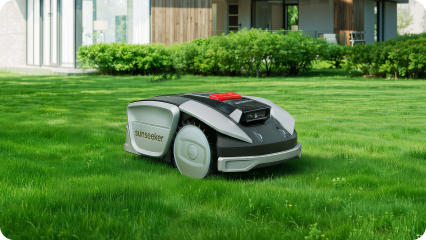
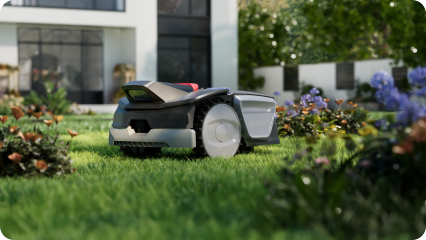
Fertilizing is only one part of spring lawn care. Once your grass begins growing actively, regular mowing helps maintain an even height, encourages healthy growth, and keeps the lawn looking its best. The
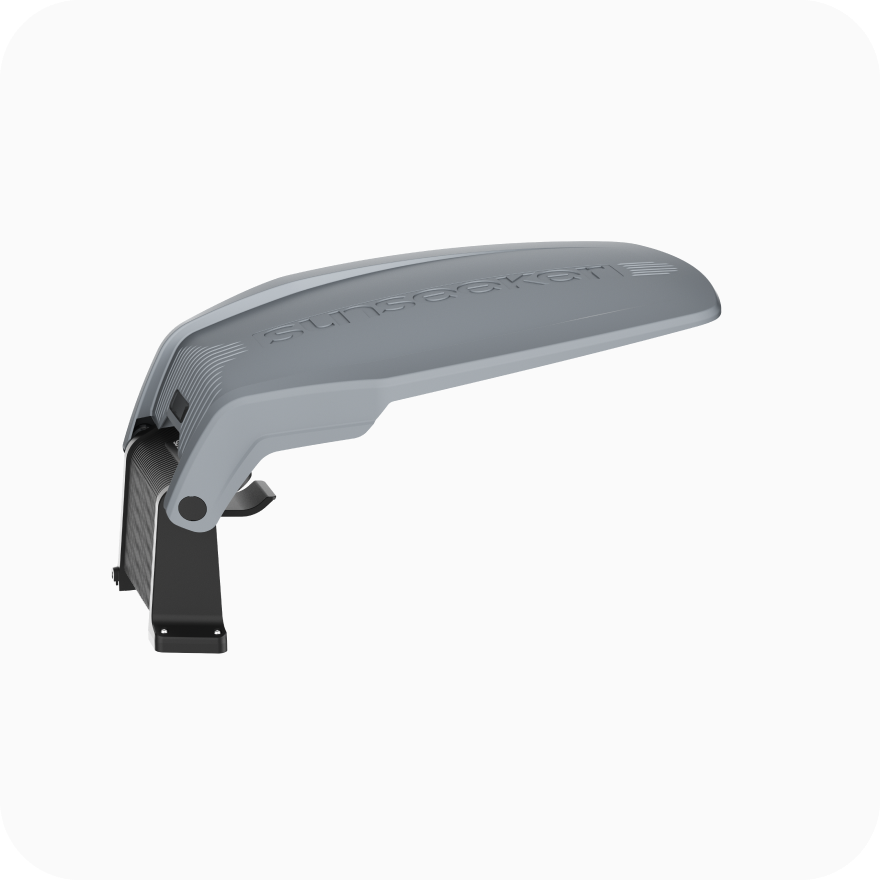
Sunseeker S4 is ideal for keeping the grass at the recommended height after spring fertilization. With its adjustable cutting height ranging from 20 to 60 mm, you can keep your grass at the ideal height while it recovers and absorbs nutrients.
What Spring Fertilizing Mistakes Should You Avoid?
Even the best fertilizer won't deliver good results if it's applied incorrectly. Here are three common mistakes to avoid to help your lawn absorb nutrients more effectively:
-
Using the wrong type of fertilizer on your lawn may not provide the necessary nutrients, which can lead to slower growth.
-
Applying fertilizer too early or too late can waste nutrients and put unnecessary stress on your lawn.
-
Overfertilizing can burn the grass, damage the soil, and create excessive top growth that's harder to maintain.
Conclusion
A successful spring lawn starts with knowing your grass type, choosing the right fertilizer, and applying it when the turf is actively growing. Good timing, even coverage, and proper watering help support stronger roots and steady green growth. As mowing becomes more regular later in spring,
robot lawn mowers without perimeter wires can help maintain frequent, light cuts without adding boundary cables around the yard.
FAQs
Can you fertilize a lawn too early in spring?
No. Fertilizing too early is not recommended because dormant grass can’t absorb nutrients effectively. Instead of helping your lawn, it may encourage spring weed growth, weaken root development, and increase nutrient runoff during rainy weather. Wait until your grass is actively growing before applying spring fertilizer.
What is the first thing you put on your lawn in the spring?
Before applying anything to your lawn, mow the grass and remove leaves, sticks, and other debris. Once the lawn is clean and the grass is actively growing, apply a suitable spring fertilizer at the recommended rate to help nutrients reach the soil evenly. Preparing the lawn first helps the fertilizer spread more evenly and work more effectively.
What is the best fertilizer for grass in spring?
The best spring fertilizer for your lawn depends on its condition and your maintenance goals. Chemical fertilizers promote faster growth, organic fertilizers improve long-term soil health, granular fertilizers provide a steady nutrient supply, and liquid fertilizers deliver quick results. Choose the option that best matches your lawn's current needs.
Should you fertilize before or after the first mow?
Do not treat the first mow as a universal deadline. For many lawns, the first or second mow is simply a practical sign that active growth has resumed. Fertilize once the turf is steadily growing and the soil has warmed for that grass type, while also following the fertilizer label.
Should you fertilize your lawn in spring if you fertilized in the fall?
Not always. A cool-season lawn that received adequate fall fertilizer and enters spring with strong growth may not need an immediate early-spring nitrogen application. Watch the lawn through its first growth flush and use soil or lawn-condition information before adding more. Warm-season turf should still wait for clear spring green-up and active growth.