A new lawn can fail before the grass even has a chance to establish. Seeds may dry out in summer heat, young roots can struggle in cold soil, and freshly laid sod may sit poorly if the ground is too wet. These timing problems are common because planting conditions change with grass type, climate, and soil temperature. The sections below cover the best planting windows, the conditions to check, times to avoid, proper planting steps, and the proper care a new lawn needs afterward.
When Is the Best Time to Plant a Lawn?
The best planting window depends on the grass type and local weather. Choose a period that gives roots enough time to establish before extreme heat, frost, or seasonal dormancy.
For Cool-Season Lawns
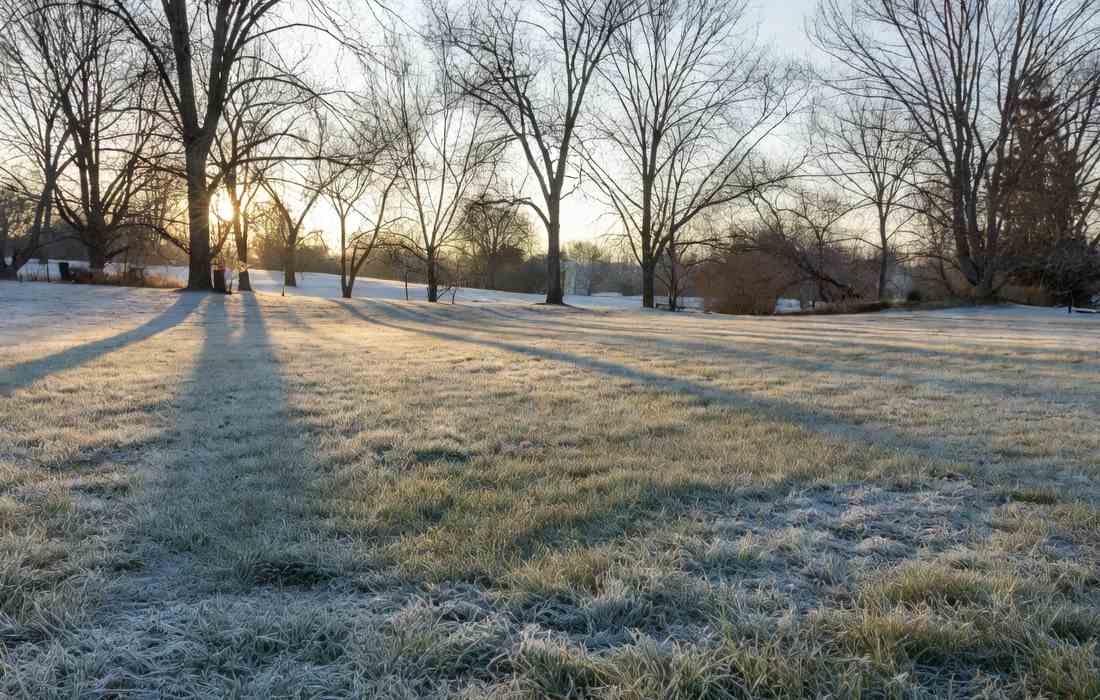
Cool-season grasses include Kentucky bluegrass, perennial ryegrass, tall fescue, and fine fescue. They grow most actively during cooler weather, so late summer to early fall, usually mid-August through early October, is the strongest planting window across much of the northern areas.
At this time, the soil is still warm enough to support quick germination, while cooler air lowers heat stress and slows moisture loss. Weed pressure is also usually lighter than it is in spring. Aim to plant at least four to six weeks before the first expected hard freeze so seedlings can develop stronger roots.
Early spring, generally March through April, can also work once the soil has thawed and regular growth begins. It is useful for repairing bare patches or establishing a lawn that cannot wait until fall. However, spring seedlings must compete with weeds and may face summer heat before their roots are fully developed.
For Warm-Season Lawns
Warm-season grasses such as Bermudagrass, centipedegrass, bahiagrass, and seeded zoysiagrass should be planted during late spring to early summer, usually May through June. In warmer southern states, planting may begin in April once the danger of frost has passed.
Wait until soil temperatures remain above about 16°C, with 18–21°C offering better conditions for germination and early growth. Planting during this period gives the grass most of the warm season to spread and establish.
Avoid planting warm-season grass too early in cold soil or too late in summer. Slow germination, shorter days, and approaching dormancy can leave the new lawn thin and poorly rooted.
What Conditions Affect the Best Planting Time?
The calendar gives you a useful starting point, but soil temperature, weather stability, moisture, grass type, and weed pressure determine when the best time is to seed your lawn or lay sod.
Soil Temperature and Germination
Soil temperature directly affects how quickly grass seed germinates. Cool-season grasses prefer cooler conditions, while warm-season varieties need consistently warmer soil. If the ground is too cold or hot, germination slows and seed remains exposed to birds, runoff, weeds, and disease for longer.
Air Temperature and Weather Stability
Young grass needs more than one mild afternoon. Look for a stable stretch without sudden frost, extreme heat, or strong drying winds. Consistent daytime and nighttime temperatures give seedlings time to emerge and begin rooting before stressful weather arrives.
Rainfall and Soil Moisture
The soil should be evenly moist but never waterlogged. Light rain can support germination, while heavy storms may wash seed into low spots or create erosion. Dry periods can still work if reliable irrigation is available to keep the surface damp during early establishment.
Grass Type and Local Climate
Your grass species and regional climate determine the safest planting window. Cool-season lawns grow fastest in spring and fall, while warm-season grasses establish during warmer months. Local extension guidance is useful because planting dates can vary widely between northern, southern, and transition-zone locations.
Weed Growth and Competition
New grass struggles when aggressive weeds are germinating at the same time. Cool-season lawns often face heavier weed pressure during spring, making early fall more dependable. Remove established weeds before planting, since many post-emergent herbicides cannot be safely used on young seedlings.
When Should You Avoid Planting a Lawn?
Some conditions call for waiting, not adjusting the seed rate or watering harder. Use these as stop signs before spending money on seed or turf.
During Extreme Heat or Drought
Do not plant during extreme heat or drought unless you can provide reliable, gentle irrigation and shade-sensitive care is not needed. Seedlings have shallow roots and dry out quickly; sod can shrink at seams and fail to knit into the soil. Postpone when the soil surface dries between waterings within hours. A green-looking neighborhood lawn does not prove new grass can survive the same conditions.
Before Frost or Cold Weather
Avoid planting when frost or sustained cold is likely before seedlings establish. Cool-season grass tolerates cool weather after it has rooted, but new seedlings are vulnerable when germination is incomplete. Warm-season grass is even less forgiving because cold slows both shoot and root growth. Do not act now if the season is closing and the seed would only sprout weakly before cold weather stops growth.
When the Soil Is Waterlogged or Compacted
Waterlogged or compacted soil should be fixed before planting. Seed needs contact with soil and oxygen; turf needs roots to enter the surface below it. If footprints stay shiny, puddles linger, or a spade brings up smeared clods, wait. Compacted soil also causes thin establishment because roots stay shallow. Aerate, loosen, amend if needed, and plant only when the surface is workable rather than sticky.
A useful boundary is simple: postpone when the problem is temporary weather; do not act now when the site itself cannot support roots.
How to Plant a Lawn at the Right Time
Once the timing is right, move quickly but do not skip preparation. The planting window only works if seed or turf meets firm, clean, moist soil.
Choose the Right Grass for Your Climate
Start with the grass, not the product display. Choose cool-season grass where your lawn’s strongest growth comes in cooler parts of the year, and warm-season grass where summer growth is the main engine. Match sun exposure and wear as well. A shaded backyard, hot front strip, and play area may not want the same mix. The right grass widens your safe planting window.
Clear and Prepare the Soil
Remove weeds, stones, dead turf, and debris before planting. Loosen the top layer enough for roots to enter, then rake it level so water does not collect in pockets. Keep the seedbed firm, not fluffy; footprints should be shallow, not deep. If grading or drainage is poor, fix that now. New grass rarely outgrows a bad seedbed after it has already germinated.
Sow Grass Seed or Lay Turf
An essential part of how to grow grass from seed is spreading it evenly in two passes at right angles, then raking lightly for soil contact without burying it too deeply. For turf, stagger seams and press the rolls firmly against the soil. Do not stretch sod to close gaps; it shrinks back. Seed is cheaper for large repairs, while turf gives faster cover, but both fail if planted outside the grass's active window.
Water the New Lawn Correctly
Water gently right after planting, then keep the surface consistently moist while seed germinates or sod roots. Avoid blasting the area with a hose, which moves seed and creates crusting. Once grass is up, shift gradually toward deeper, less frequent watering so roots chase moisture downward. The goal is not a permanently wet lawn; it is steady moisture during the vulnerable establishment stage.
Protect the Area During Establishment
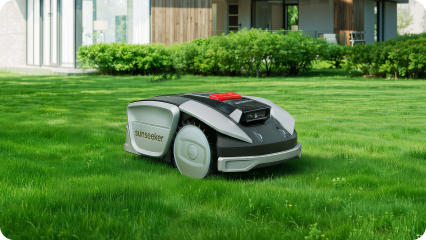
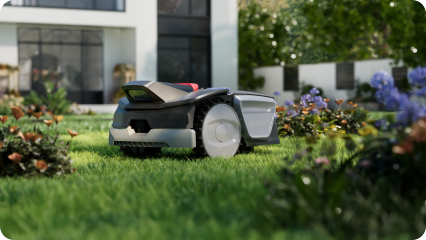
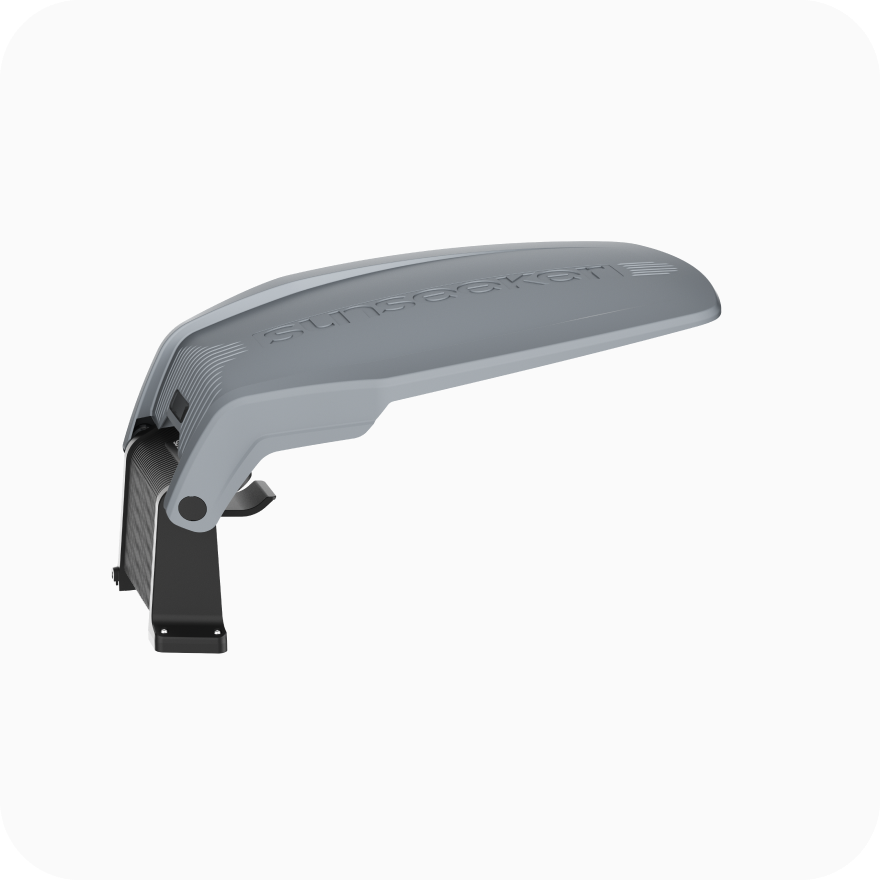
Keep foot traffic, pets, and heavy equipment off the new lawn until roots hold and mowing can begin safely. Delay mowing until the grass is tall enough to cut without tearing. After establishment, automated mowing can help maintain consistent height; a mower such as the Sunseeker S5 fits best after the lawn is rooted, not during germination.

What to Do After Planting a New Lawn
New grass needs steady moisture, gentle care, and time to build strong roots. The first few weeks matter most, so follow these steps while the lawn establishes.
Maintain steady moisture
Keep the surface evenly moist during germination. Water lightly whenever the top layer begins to dry, but stop before puddles or runoff form.
Adjust watering gradually
Reduce watering frequency once seedlings establish. Shift toward deeper watering, so roots grow downward instead of remaining weak and shallow near the surface.
Limit traffic
Keep people, pets, hoses, and equipment off the lawn. Soft soil dents easily, while pressure can move seed, damage shoots, and create uneven areas.
Delay the first mow
Wait until the grass is rooted and tall enough to cut cleanly. Use a sharp blade and remove only one-third of its height.
Repair early problems
Check for bare patches, washouts, and crusted soil. Repair thin areas while temperatures and moisture still support dependable germination and growth.
Postpone weed treatments
Delay aggressive weed control until the lawn is established and the product label permits use. Judge progress by rooting and density, not early color alone.
Conclusion
The right time to plant a lawn is the window when your grass type can establish before heat, frost, or dormancy slows growth. Check soil temperature, weather stability, moisture, and weed pressure rather than relying on the calendar alone. Delay planting when conditions are extreme, and protect young turf until roots are firm. Once the lawn is established, regular mowing can begin. Good robot lawn mowers support consistent maintenance, but successful planting still depends on timing, preparation, and patient early care.
Frequently Asked Questions
Why is early fall often ideal for cool-season grass?
Early fall provides optimal conditions for cool-season grass. The soil retains warmth from summer, promoting quick germination, while cooler nights reduce stress. Additionally, weed competition is significantly lower than in spring, allowing seedlings to establish strong roots before winter arrives. This timing helps ensure a dense, healthy lawn.
Can I plant a new lawn during extreme heat?
Planting during extreme heat is generally discouraged due to the high risk of failure. Seedlings with shallow roots dry out quickly, and sod can shrink, failing to knit into the soil. You should only attempt it if you can provide consistent, gentle irrigation and shade, ensuring the soil surface remains moist without overwatering. Otherwise, postpone planting until milder conditions return.
What should I do if bare patches appear after planting?
If bare patches or thin areas appear, address them promptly. Lightly rake the affected spots, reseed or add small pieces of sod, and ensure consistent moisture. It’s crucial to touch up these areas early, ideally while the favorable planting weather window is still open, to encourage new growth and prevent weeds from taking hold.