Many lawns become patchy or uneven when seeds are planted without attention to soil quality, timing, or consistent watering. If you know these basics are in place, you can turn bare soil into a thick, green lawn.
In this article, we’ll guide you through the practical steps on how to grow grass from seed, timing tips, and care techniques necessary for growing strong, healthy grass. Whether you’re a beginner or just want better results, you’ll find a clear path to follow here.
How Do You Choose the Right Grass Seed?
Choosing the right grass seed is the first step to getting a healthy lawn. Not all types of grass grow well in every environment. So, it's important to match your seed with these points:
Understand Your Climate First
Your local climate plays a big role in how well grass grows. In the U.S., grasses are divided into two main types:
- Warm-season grasseslike Bahia, Bermuda, Centipede, St. Augustine, and Zoysia grow best in Southern areas with hot temperatures above 80°F and can survive with less water.
- Cool-season grassessuch as Kentucky Bluegrass, Fine Fescue, Tall Fescue, and Ryegrass are better for Northern regions because they grow well in cooler temperatures around 59°F.
Check the Sunlight in Your Yard
Look at how much sunlight your yard gets each day. Some grasses need a lot of sunlight, while others can tolerate shade. If your lawn has both sunny and shaded areas, it's a good idea to ask a local garden center for the best type of seed for your space.
Choose Based on How You’ll Use Your Lawn
If you’re learning how to grow a new lawn, think about how the space will be used. Lawns with heavy foot traffic, pets, or kids need stronger grass that can recover quickly. If it’s mostly for looks, you can focus more on appearance and texture instead of durability.
When Is the Best Time to Plant Grass Seed?
The time to plant grass seed depends on the type of grass and the conditions it needs. Cool-season grasses grow best in early fall or spring. They are typically planted from mid-August to mid-October. This is when the air is cooler and rainfall is more consistent. These conditions help seeds germinate more easily.
You can also plant grass seeds during the summer months, but only if they are warm-season grasses. Plant them from late spring to early summer, typically between May and July. They need warmer soil and higher temperatures to grow deep, strong roots.
How to Grow a New Lawn Step by Step
If you're planning how to grow new grass lawn, you may first wonder when is the best time to seed your lawn. In general, choose a period when temperatures support active growth for your grass type, then follow these steps to help the grass establish evenly and stay healthy over time:
1.Clear and Prepare the Ground
Remove all weeds, rocks, and debris from the area to create a clean base. Loosen the topsoil to improve airflow, then dig or till the ground to about 7.5 cm deep. Finish by raking the surface until it looks smooth and level.
2.Let the Soil Rest
Leave the soil undisturbed for about a week. This gives any early weeds time to grow, making them easier to spot and remove before you plant your grass seed.
3.Enrich and Level the Soil
After a week, rake the area again to create a smooth surface. Add compost, topsoil, and a starter fertilizer to boost nutrients. This step helps seeds grow faster and reduces the chances of thin or weak patches.
4.Spread and Cover the Seeds
Apply the grass seed based on the recommended rate on the packaging. Use a crisscross pattern to get even coverage across the area. Then, rake again to cover the seeds with a thin layer of soil.
5.Water and Maintain Properly
Water the area frequently to keep the soil moist, but avoid soaking it. Once the grass reaches about 65-75 mm tall, start mowing carefully using a mower with an adjustable cutting height.
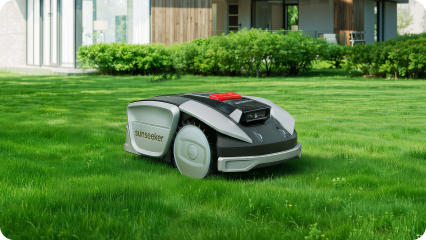
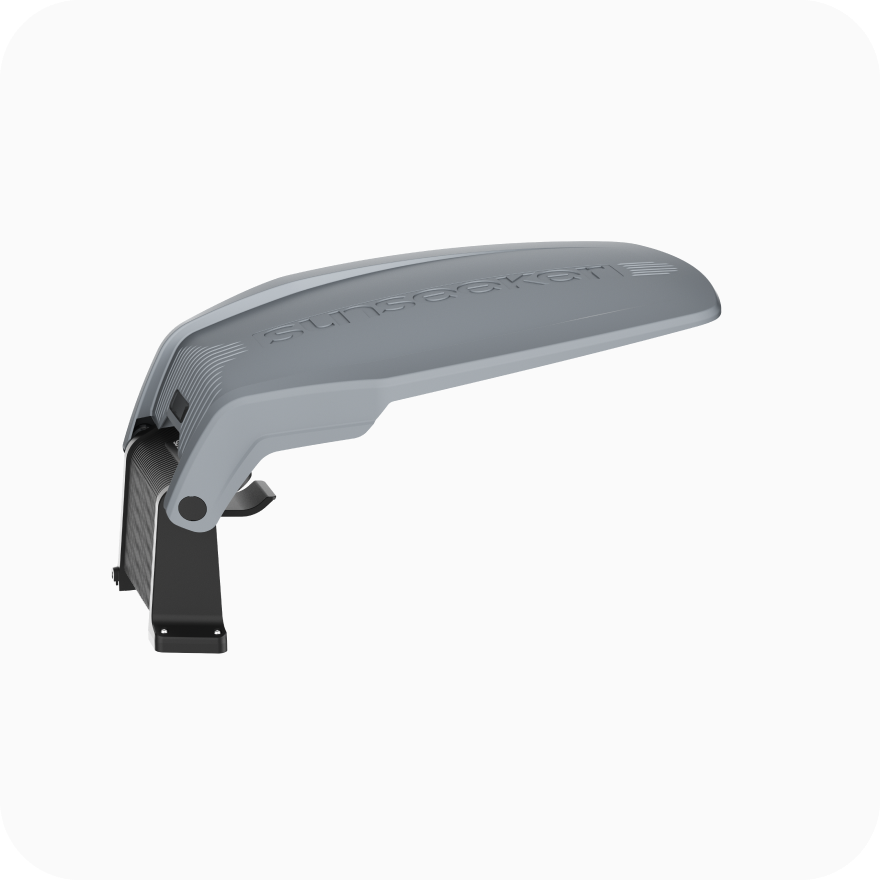
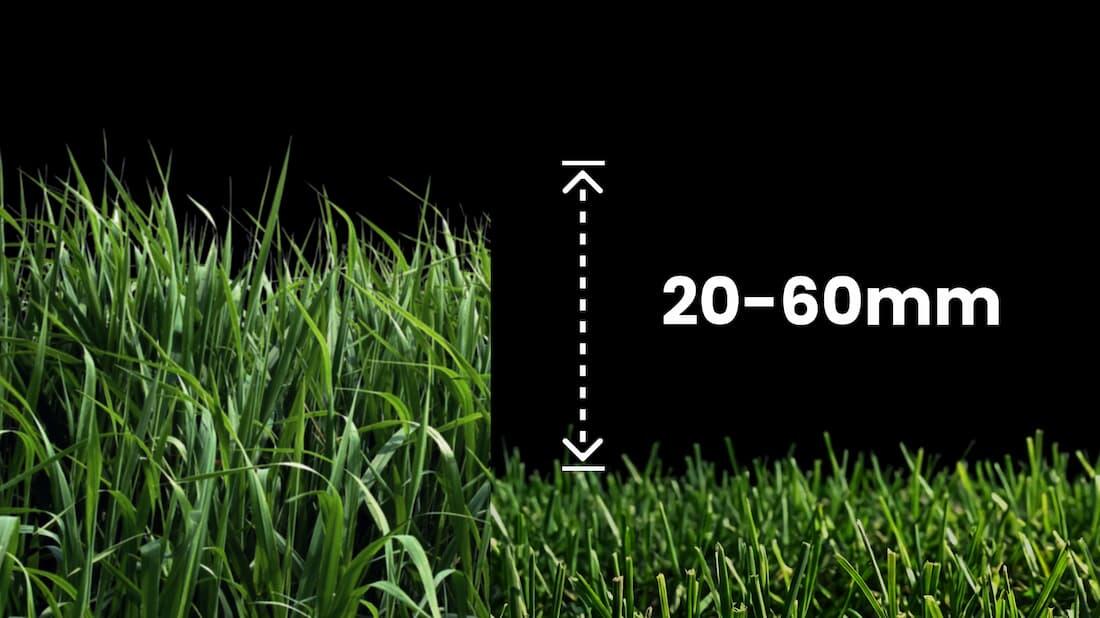
The Sunseeker S3 robot lawn mower is ideal for this task. It has an adjustable cutting height of 20–60 mm, AI-assisted mapping that maps lawn zones in 15 minutes, and a floating cutting system. This will help maintain a clean, even cut as your lawn grows.
How to Overseed Your Existing Lawn?
If your lawn looks thin or uneven, you can make it denser by overseeding. You don't have to start from scratch. Here's how to do it:
1.Mow and Thin Out the Lawn
Start by mowing your existing grass shorter than usual to help new seeds reach the soil more easily. After that, rake the area to thin out the turf and remove any buildup that could block the seeds from growing.
2.Improve Soil Conditions
Aerate the lawn to reduce soil compaction and allow better airflow, water, and nutrient absorption. Then add compost and a fertilizer to enrich the soil and support stronger, healthier growth from the new seeds.
3.Spread and Set the Seeds
Apply the grass seed evenly across the lawn, focusing on areas that are thin or bare. Gently rake the area to help the seeds settle into the soil.
Once the new grass begins to grow and the lawn looks fuller, you can return to regular mowing. At this stage, using a mower that can handle edges and uneven spots more carefully helps protect young grass. The Sunseeker S4 features three precision cutting modes (Ride-On-Edge Cutting, Edge-Reach Cutting, and Spot Cutting), can handle slopes up to 42% (22°) with rear-wheel drive, and allows custom mowing patterns through a Sunseeker smart app.

How Often Should You Water and Care for New Grass?
During the first two weeks, check your lawn daily and water it lightly every day to help it grow. When the grass begins to sprout, you can water it every other day to encourage deeper roots. As it grows, mow your lawn at least once a week using the one-third rule, mowing no more than one-third of the grass blade’s height at a time.
Conclusion
Learning how to grow grass from seed requires the right seed, proper timing, and consistent care. If you're deciding when is the best time to plant a lawn, aim for a growing period when your chosen grass can establish roots without extreme heat or cold. Keep the soil moist during early growth and avoid letting it dry out. With regular care, the grass fills in evenly, roots grow deeper, and the lawn becomes thicker and easier to manage over time.
FAQs
When to mow new lawn?
You should mow a new lawn when the grass is between 65-75 mm tall. Waiting until this height lets the roots grow stronger before cutting. Always use sharp mower blades and follow the one-third rule. This means you should never remove more than one-third of the grass height in one session.
Can you just throw grass seed down to grow?
You can put grass seed on the ground, but it usually won't grow well without preparing the ground first. Seeds need to be in contact with the soil, have enough moisture, and protection to start growing. If you don't water, rake, or cover the seeds, they might dry out, wash away, or get eaten. This can cause the plants to grow unevenly.
What is the fastest way to grow grass from seed?
The best way to grow grass from seed is to prepare the soil well, use high-quality seeds, and keep the soil moist. Planting during the right season also helps speed up how quickly the seeds start to grow. Using starter fertilizer and choosing grass varieties that grow fast can improve results while still supporting healthy and even lawn growth.