Have you ever pulled out your lawn mower in spring but found it damaged from poor winter care? It happens more often than you might think, and in most cases, the problem is caused by improper lawn mower storage. So, how to store a lawn mower to keep it in top condition? This guide covers the 10 best lawn mower storage ideas and tips for different types of lawn mowers. These strategies will help you extend your equipment’s lifespan and keep your lawn care routine running smoothly all year long. Just keep reading!
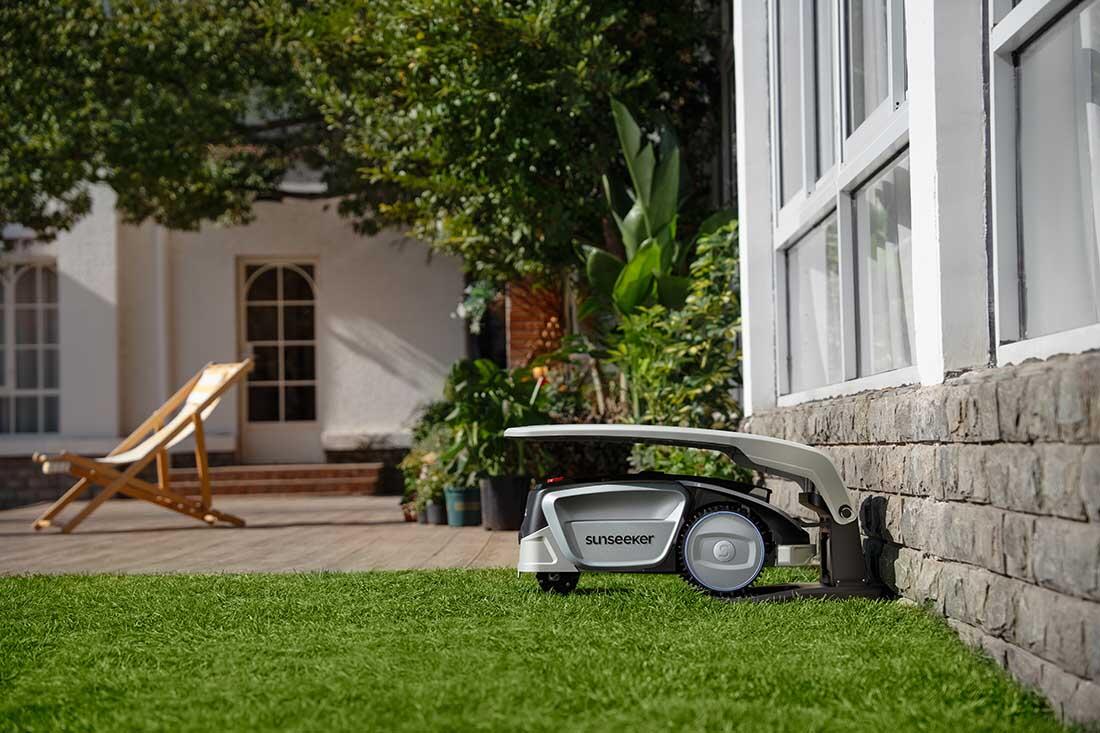
Where to Store a Lawn Mower: Garage, Shed, or Outdoors?
There are three common options for lawn mower storage: the garage, a shed, or an outdoor setup. Each has its own advantages in different situations.
Garage storage is one of the most popular choices. It provides protection from the weather and added security. If you are planning to store a lawn mower in the garage, consider a dedicated corner or wall-mounted system for better organization.
A lawn mower storage shed is a solid choice if you are running out of room in the garage. These are built to keep the weather out, and they are great for keeping your mower tucked away from the rest of your household clutter.
For those with limited indoor space, outdoor lawn mower storage can work, but it requires extra care. A durable, waterproof cover combined with proper elevation can help prevent moisture damage. However, long-term outdoor storage is not ideal in areas with heavy rain and snow.
10 Best Lawn Mower Storage Ideas for Every Home
Best lawn mower storage ideas can make your space more organized and your equipment easier to maintain. Here are 10 practical solutions tailored to various home setups and storage needs:
Garage Corner or Nook
Storing a lawn mower in the garage corner or nook is a simple yet effective option. It stays completely out of your way but remains super easy to grab. Lawn mower garage storage is great for push mowers and helps maintain an organized garage.
Wall-Mounted Vertical Storage
Install heavy-duty, reinforced hooks or wall rails. This is an ideal solution for compact electric mowers. It maximizes floor space and reduces clutter. But avoid storing gas mowers this way, as tilting can cause fuel or oil leakage.
Dedicated Garden Shed
A backyard shed provides reliable protection against weather and outdoor exposure, and an extra secure lock can keep your mower safe. This setup shields your equipment from moisture, sun damage, and potential theft.
Custom-Built Shelving
Install custom-fitted shelving in garage walls, basement, or shed. This lawn mower storage idea maximizes vertical storage capacity, keeps gardening supplies neatly organized, and frees up valuable floor space for easier access.
Pegboard Organization System
A heavy-duty pegboard is a practical lawn mower storage idea that keeps lawn care tools organized in one place. It works especially well with most electric mowers. You can hang work gloves, hearing protection, and maintenance tools so everything stays visible and neatly arranged.
Ceiling Hoist System
In garages with adequate overhead clearance, a durable pulley or hoist system can lift smaller, non-gas mowers off the ground. This method significantly frees up valuable floor space and is especially useful in compact workshops or tight storage areas.
Mudroom or Basement Storage
Compact, or electric mowers, fit well in a basement or mudroom with stable temperatures. These indoor spaces help prevent exposure to extreme heat or cold, offering added protection for batteries and sensitive electrical components during seasonal storage.
Tarp and Elevation
If you are looking for an outdoor storage for a lawn mower, consider a waterproof, breathable tarp combined with stable elevation. Make sure to place the mower on wood pallets to prevent ground moisture from reaching the deck, reducing the risk of rust and long-term weather damage.
Potting Shed Integration
Consider integrating lawn mower storage into a potting or garden shed to create a unified space for all landscaping tools. This setup keeps equipment protected from rain, wind, and sunlight while maintaining an organized area for gardening tasks.
Robotic Mower Station
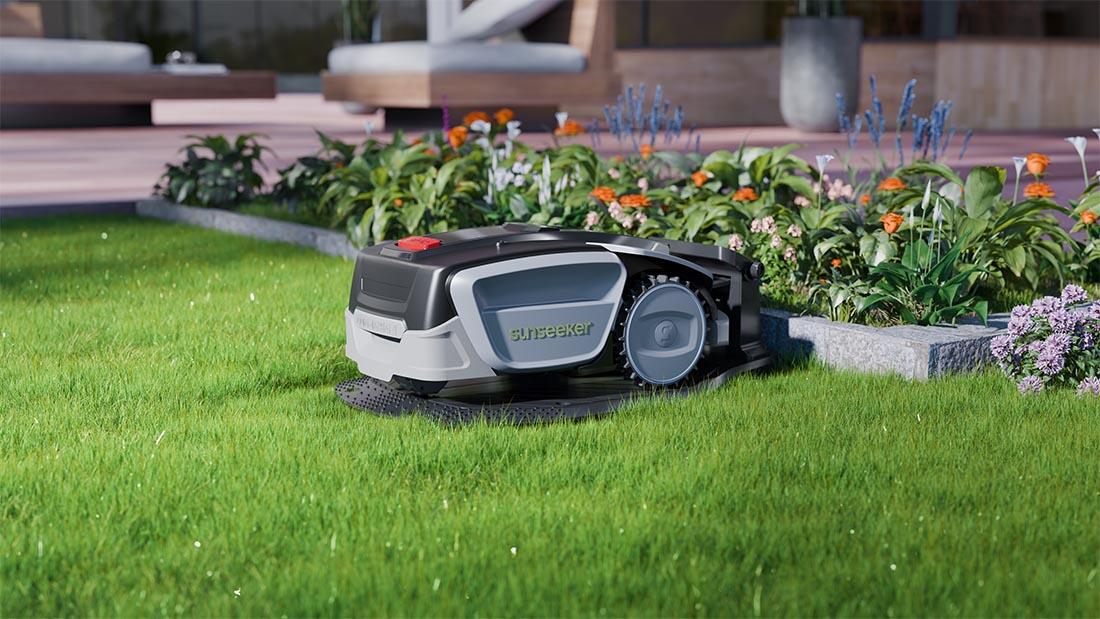
A robotic mower station, also known as a docking station, serves as the home base for an autonomous lawn mower. It recharges the battery and guides the mower back safely when mowing is complete or when power runs low. Some setups can also shield the mower and charging base from rain, snow, and UV rays, helping extend their lifespan.
Storage Tips for Different Types of Lawn Mowers
Each mower type needs a different lawn mower maintenance routine before storage, and the right checks help prevent corrosion, battery damage, and starting problems. Let's check out the storage tips based on device types.
Gas Lawn Mower Storage Best Practices
Gas-powered mowers need careful handling due to their fuel systems. Proper lawn mower winter storage is also essential to ensure the engine functions reliably after the off-season. If the mower will sit unused for several months, winterizing a lawn mower should include fuel care, cleaning, blade inspection, and any battery steps required for that model.
- Drain the fuel tank completely or add a high-quality fuel stabilizer before long-term storage. If using a stabilizer, run the engine briefly to help it circulate through the system.
- Replace the air filter to remove dirt and contaminants that can affect performance.
- Remove the spark plug to avoid compression issues and ensure safety during storage.
- Always store the mower flat and never upright or tilted to prevent gasoline leaks and fire risks.
- Keep it in a cool, dry place away from direct sunlight and extreme temperature changes.
Electric Lawn Mower Storage Guidelines
While electric mowers are generally lower maintenance, they require specific measures to protect their internal circuitry:
- Clean the exterior thoroughly and remove the battery pack, if detachable, to store it in a climate-controlled indoor space.
- Maintain the battery at approximately 50-70% charge during storage and inspect it periodically to ensure it retains its capacity.
- Store the mower in a moisture-free environment to protect sensitive electrical components from corrosion.
- Ensure all charging cables are neatly managed and protected from accidental damage or pinching.
Robotic Lawn Mower Storage and Charging Station Care
Robotic mowers are sophisticated devices that need special attention to their docking stations.
- Install the charging station in a sheltered location. For instance, a covered garage area or a compact protective shed can shield it from direct weather exposure.
- Keep the docking zone clear so the mower can return and connect without obstruction.
- Clean the sensors and charging contacts regularly to maintain a stable connection and reliable charging performance.
- During the off-season, keep the mower on the charger if the manufacturer recommends it, or store it in a dry indoor space when not in use.
- Protect the entire system from extreme weather conditions to preserve battery health and ensure long-term electronic reliability.
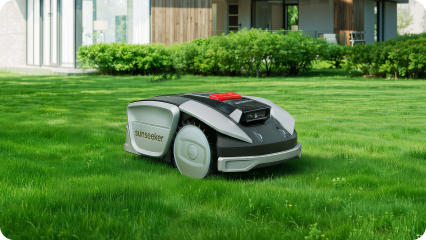
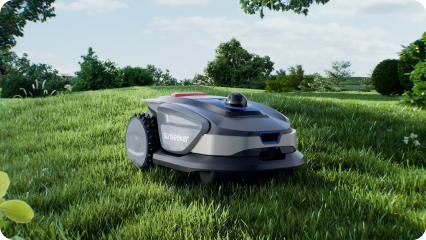
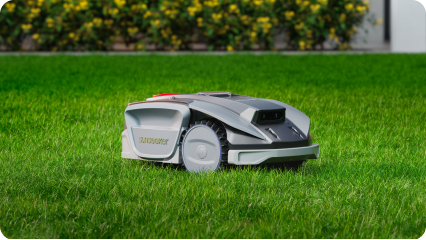
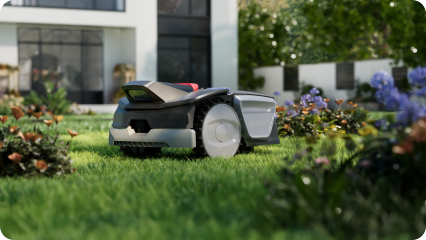
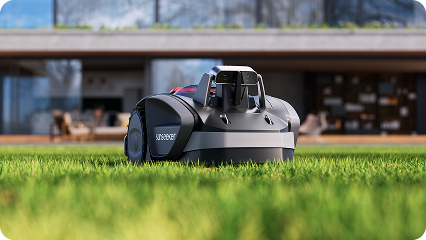
If you are looking for a robotic mower that combines strong performance with convenient storage, Sunseeker robotic models stand out for their thoughtful design that focuses on easy maintenance and reliable year-round care.
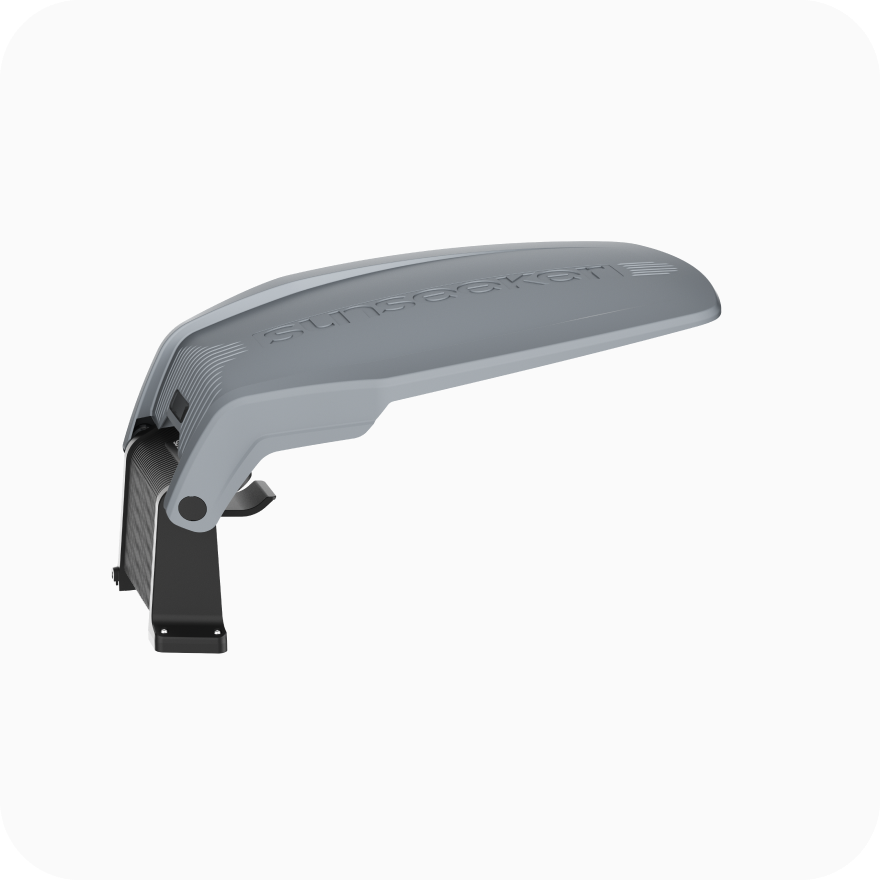
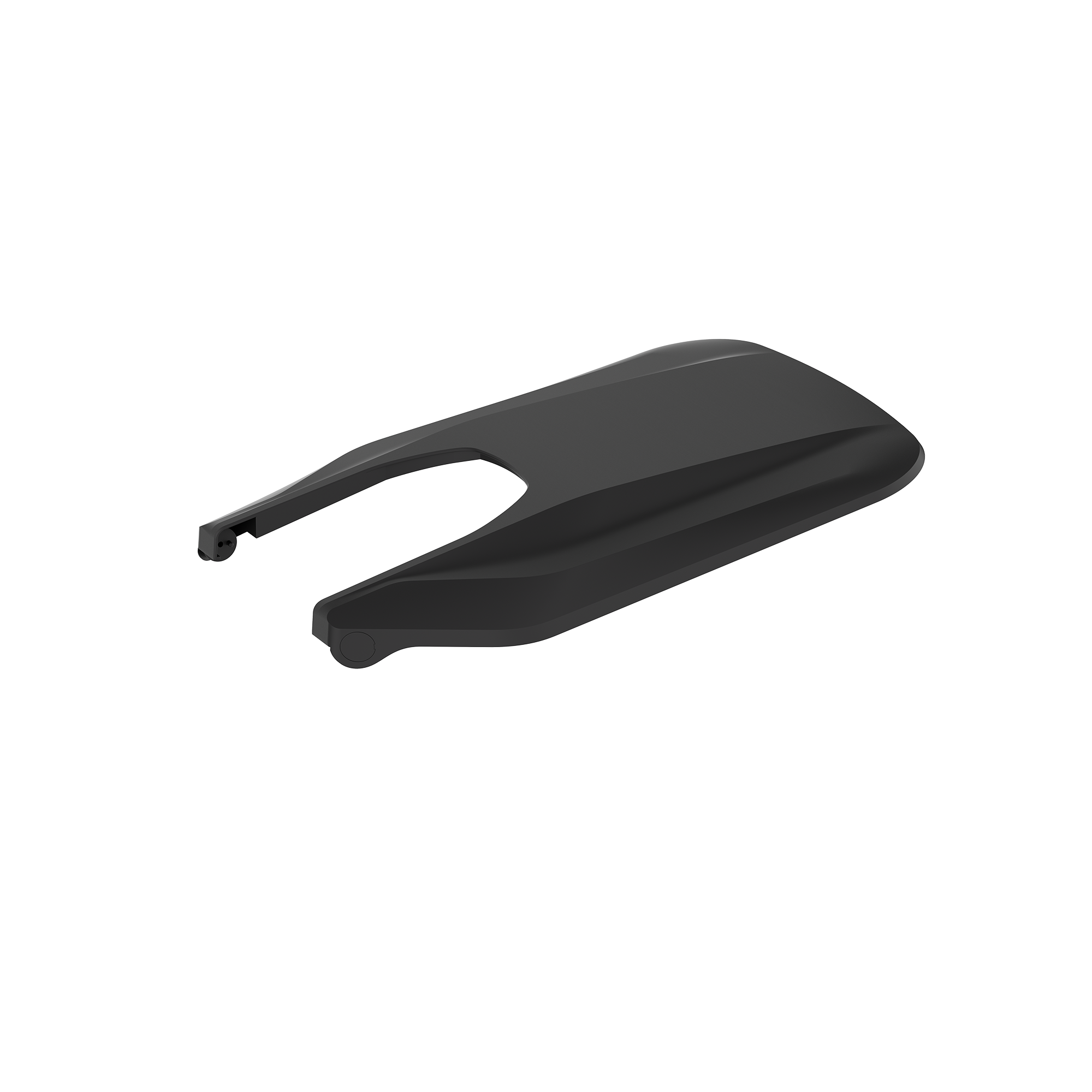
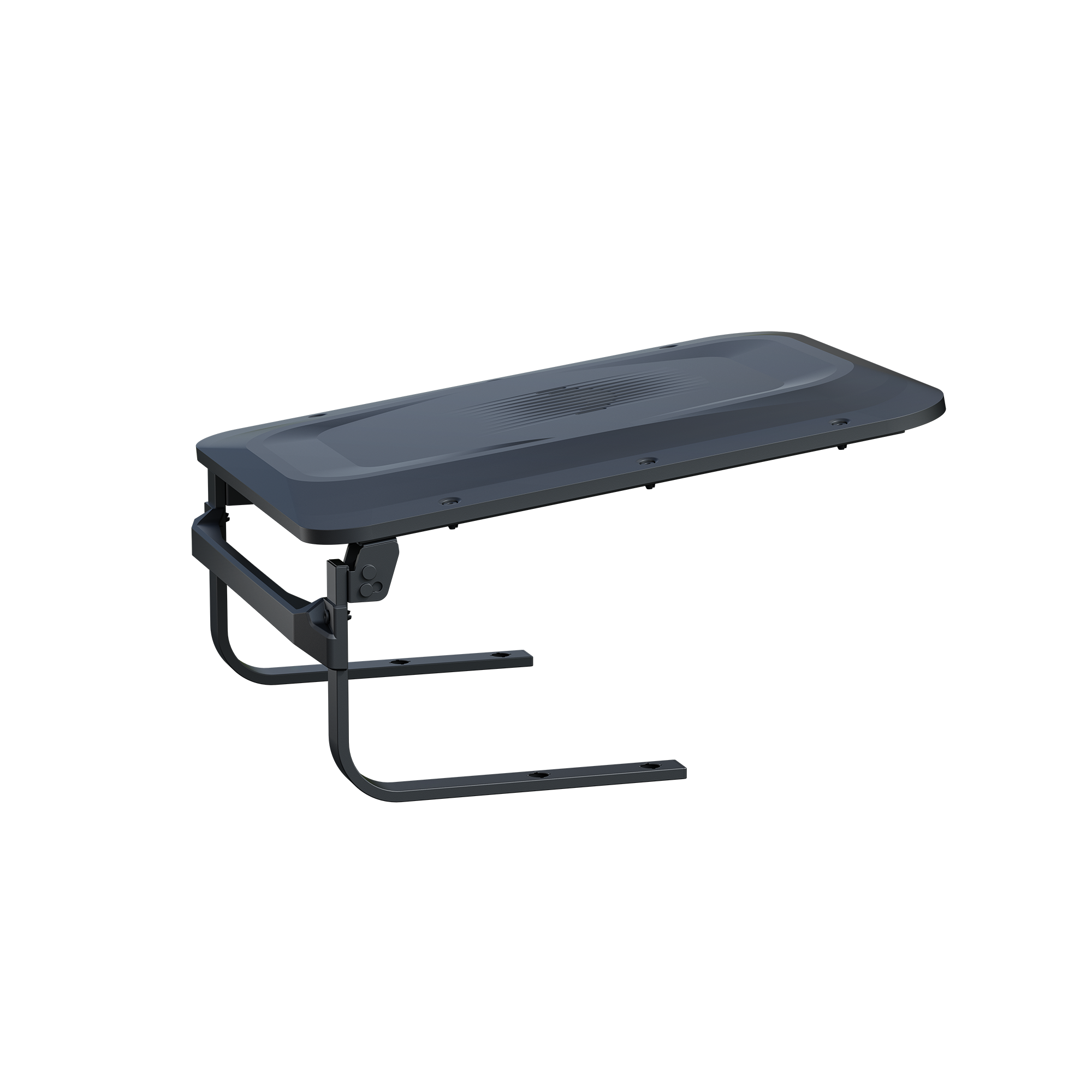
The Sunseeker S4 is a strong option for homeowners looking for smart robotic lawn mower storage solutions. It features intelligent Smart Auto Recharge, which means the mower will return to its charging station when the battery drops below 30% and resume mowing seamlessly afterward. This effectively reduces manual handling and simplifies your lawn care routine. Sunseeker also offers a dedicated Garage for S4 accessory (optional add-on, sold separately), a protective enclosure that shields the mower and charging station from weather exposure and extends battery life during storage. It also keeps out dust, leaves, and debris, helping reduce routine maintenance needs.
For larger lawns or more demanding conditions, the Sunseeker S5 delivers advanced capabilities while maintaining excellent storage compatibility. Like the S4, it supports automatic docking and charging, along with upgraded navigation, enhanced terrain handling, and stronger overall performance. When paired with the official Garage for S5 (sold separately), the setup protects the mower and the charging base from rain, dust, and harsh weather conditions.
Conclusion
Effective lawn mower storage is not just about choosing a place for your equipment, and the best lawn mower storage idea mainly depends on your available space and mower type. You can refer to the 10 storage ideas for inspiration and follow the maintenance tips to keep your machine in top condition. For a more convenient, low-maintenance solution, consider Sunseeker robotic lawn mowers, which make storage and off-season care significantly easier with automatic docking, intelligent recharging, and compatible protective garages. Explore Sunseeker and take your lawn care to the next level now!
FAQs
What's the best way to store a lawn mower?
The best way combines cleaning, regular maintenance, and a dry, protected environment. For most homeowners, storing a lawn mower in the garage offers an ideal balance of security and easy access. To better save space, wall mounts and shelving are also good ideas. Meanwhile, always follow the manufacturer's instructions for fuel or battery care based on your mower type.
Where to store a lawn mower in winter?
For lawn mower winter storage, choose a climate-controlled or well-insulated space(garage, basement, or storage shed). Clean the mower thoroughly and complete basic maintenance, including oil changes, fuel stabilization, or drainage. Keep it elevated off the floor to avoid moisture buildup. Avoid unheated outdoor sheds in harsh climates, as indoor storage offers better protection from temperature changes and humidity.
Is it okay to leave gas in a lawn mower over winter?
No, it is generally not recommended. Old fuel can break down over time, form varnish, and clog the carburetor and fuel lines. Instead, add a fuel stabilizer and run the engine briefly so it circulates through the system, or drain the tank completely and run the engine until it stops. For storage longer than 30-60 days, draining is usually the safer choice. Also, always store gas mowers flat to avoid leaks.
Can you store a lawn mower outside under a cover?
Yes, but only for short-term use. Keep the mower elevated on bricks or pallets to avoid ground moisture, and cover it with a durable, breathable, waterproof tarp secured tightly. While this offers basic protection from rain and debris, indoor storage remains the more reliable choice for long-term preservation and performance.