The last mow of the season is easy to rush: park the mower, shut the garage door, and promise yourself you’ll deal with it in spring. Then the first warm weekend arrives, and the mower won’t start, smells like stale fuel, or shows rust under the deck. Winter storage is where many spring problems begin. A few practical steps before you put the machine away can prevent most of them and make the next season much easier.
In this guide, we will cover how to clean the mower, handle fuel, protect the engine and battery, check the blades, and store the machine safely until grass starts growing again.
Why Lawn Mower Winterization Matters
A lawn mower may look fine when you put it away, but several things can happen while it sits unused for months. Fuel can go stale, moisture can collect around metal parts, batteries can slowly lose charge, and grass packed under the deck can start holding dampness against the mower. By spring, these small issues can turn into hard starting, rust, weak power, or controls that no longer move smoothly.
Winterizing helps stop these problems before storage begins. Cleaning the mower removes wet clippings and hidden debris. Taking care of the fuel system helps prevent stale fuel from causing startup trouble. Checking the battery, blades, cables, and moving parts also gives you a chance to spot damage before the mower is left sitting all winter.
In simple terms, winterization is not just about storing the mower neatly. It is a short end-of-season check that protects the machine during the cold months and makes the first spring mow much easier.
What to Gather Before Winterizing Lawn Mower
Gather your supplies first so the mower is not left half-cleaned or exposed overnight. Work outdoors or in a well-ventilated area, especially when handling fuel.
Useful items include:
- Work gloves and eye protection
- Spark plug wrench or socket set
- Fuel stabilizer or an approved fuel container
- Brush, scraper, and garden hose or damp cloth
- Rags and mild detergent
- Engine oil and drain pan, if changing oil
- Replacement air filter or spark plug, if needed
- Battery charger or maintainer for battery-powered models
- Plastic sheet, mower cover, or breathable storage cover
- Owner’s manual for model-specific instructions
Keep gasoline away from open flames, heaters, or smoking materials. If you need to tip a gas mower for cleaning, check the manual first; many walk-behind models should be tipped with the carburetor and air filter facing upward.
How to Winterize a Lawn Mower Step by Step
Good lawn mower storage follows a clear order: shut the machine down, deal with fuel or power, clean it, inspect wear parts, complete basic service, and place it somewhere dry.
1. Disconnect the Spark Plug or Remove the Battery
Shut the mower off, let the engine cool, and move it onto a flat surface. On a gas mower, disconnect the spark plug wire and keep it away from the plug so the engine cannot start accidentally while you work.
For a battery mower, remove the battery if the design allows it. For a corded electric mower, unplug it completely rather than relying on the switch.
2. Stabilize or Drain the Fuel
If you have a gas mower, either stabilize the fuel or drain it based on the manual and how long the mower will sit. Untreated gasoline can become harder to ignite and leave deposits in the fuel system during storage.
A common method is to add stabilizer to fresh gas, then run the engine briefly so treated fuel reaches the carburetor or fuel lines. If your manual prefers draining, empty the system safely and dispose of leftover fuel according to local rules.
3. Clean the Deck, Blades, and Exterior
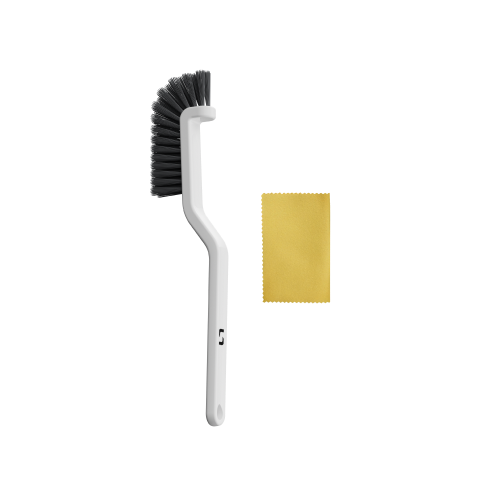
Scrape or brush away packed grass from the underside of the deck. Damp clippings trap moisture and can speed up rust, especially where paint is already worn.
Wipe the exterior with a damp cloth and mild detergent. If you use water, avoid spraying bearings, electrical housings, air intakes, or control cables, and let the mower dry fully before covering it.
4. Inspect the Blade and Undercarriage
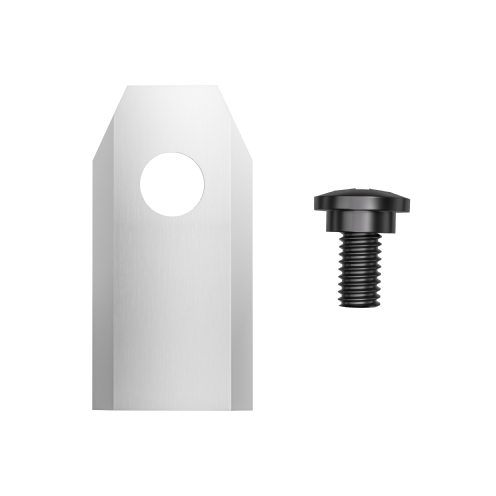
Check the blade for dull edges, heavy nicks, bends, or cracks. A blade that is only dull may be sharpened, but a bent or cracked blade should be replaced.
Also look over the deck shell, blade bolt, belts, pulleys, and undercarriage for looseness or wear. If you remove the blade, mark its orientation first and reinstall it to the manufacturer’s specification.
5. Service the Air Filter, Spark Plug, and Oil
Inspect the air filter and replace it if it is clogged, damaged, or oil-soaked. Some foam filters can be cleaned, but only if the manual allows it.
Check the spark plug for carbon buildup, worn electrodes, or cracked porcelain. For four-stroke gas engines, many owners also change the oil before storage so contaminated oil does not sit in the engine all winter.
6. Charge and Store the Battery Properly
For battery-powered or electric-start mowers, charge the battery as the manual recommends before storage. Removable batteries are usually best kept indoors in a cool, dry place away from freezing temperatures or direct heat.
If your mower uses a lead-acid battery, a compatible maintainer may help during long storage. Check the battery periodically if the manufacturer recommends it, and do not leave it on a charger unless that charger is designed for maintenance use.
Robot lawn mower owners should also follow the battery storage instructions in the manual. Before winter storage, make sure the mower is charged to the recommended level, clean the charging contacts, and store the mower and charging station in a dry, protected place.
7. Store the Mower in a Dry, Protected Place
Store the mower in a garage, shed, or other dry area with decent ventilation. Try not to leave it directly on bare soil, which can transfer moisture.
Use a breathable cover instead of airtight plastic. It helps keep dust off while reducing trapped condensation that can lead to rust, mildew, or electrical corrosion.
Winterizing Gas vs. Electric Lawn Mowers
Gas and electric mowers need many of the same storage basics, but their trouble spots differ. Gas models need attention to fuel and engine service, while electric models depend more on proper battery care and dry storage.
For gas mowers, focus on:
- Stabilizing or draining fuel
- Changing oil on four-stroke engines if needed
- Checking the spark plug and air filter
- Cleaning the deck thoroughly
- Storing the mower away from ignition sources
For battery or corded electric mowers, focus on:
- Removing and storing batteries indoors if recommended
- Charging batteries to the proper storage level
- Keeping motor housings and battery contacts dry
- Cleaning without soaking electrical parts
- Inspecting cords, switches, and safety keys
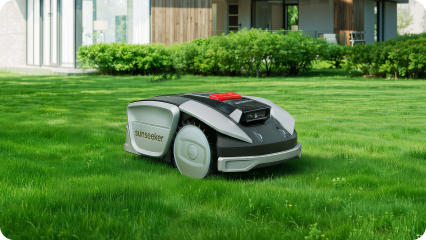
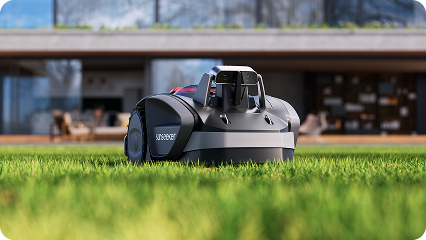
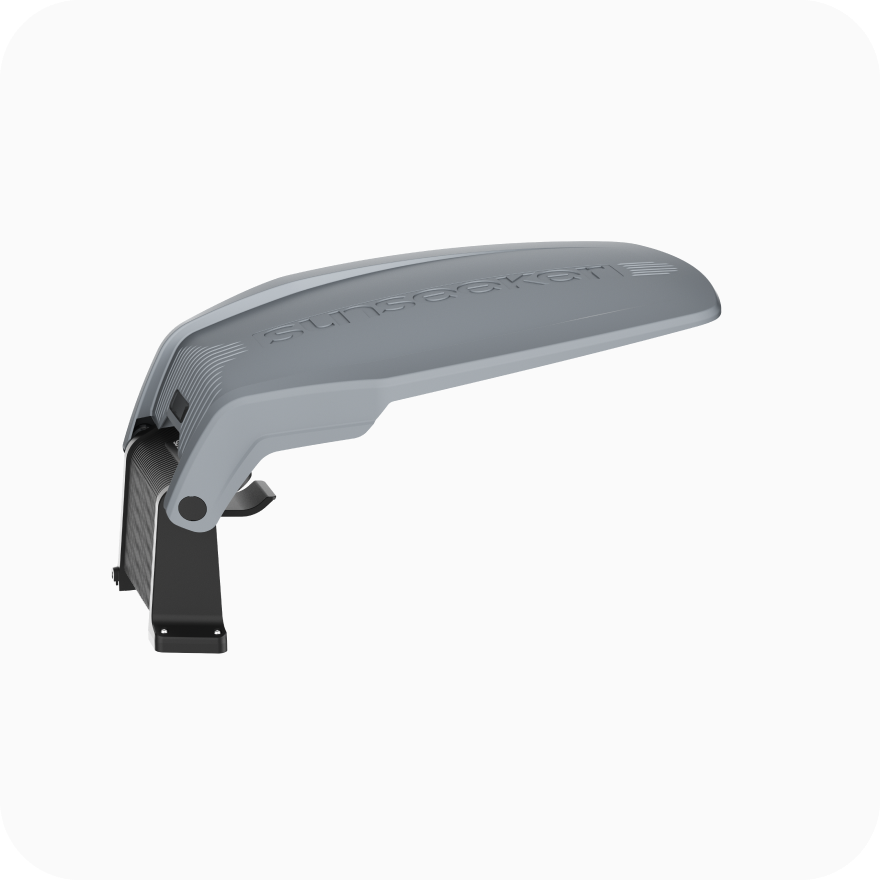
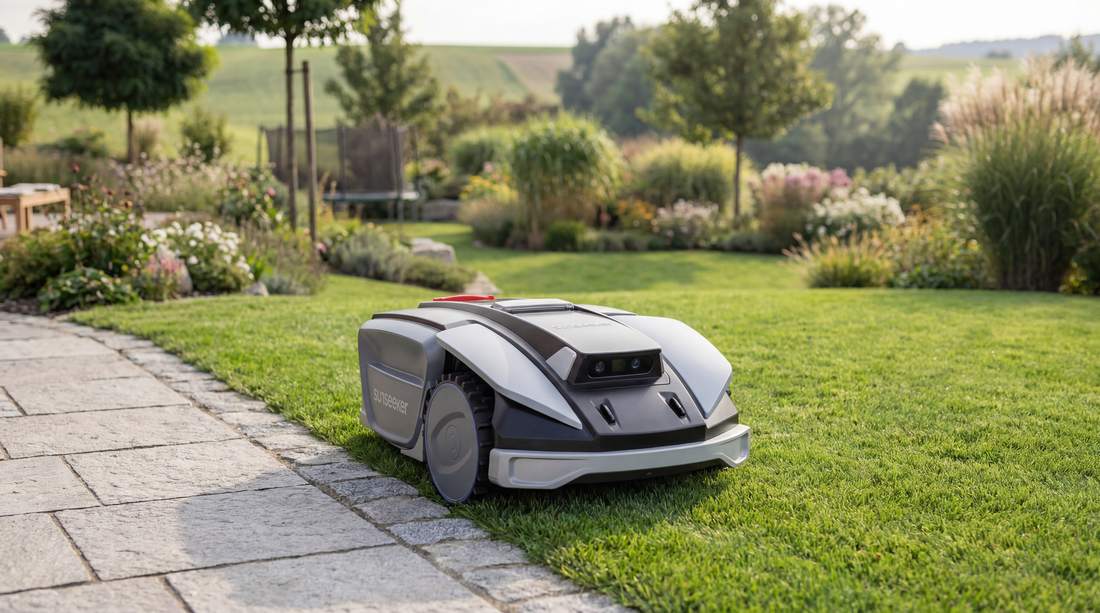
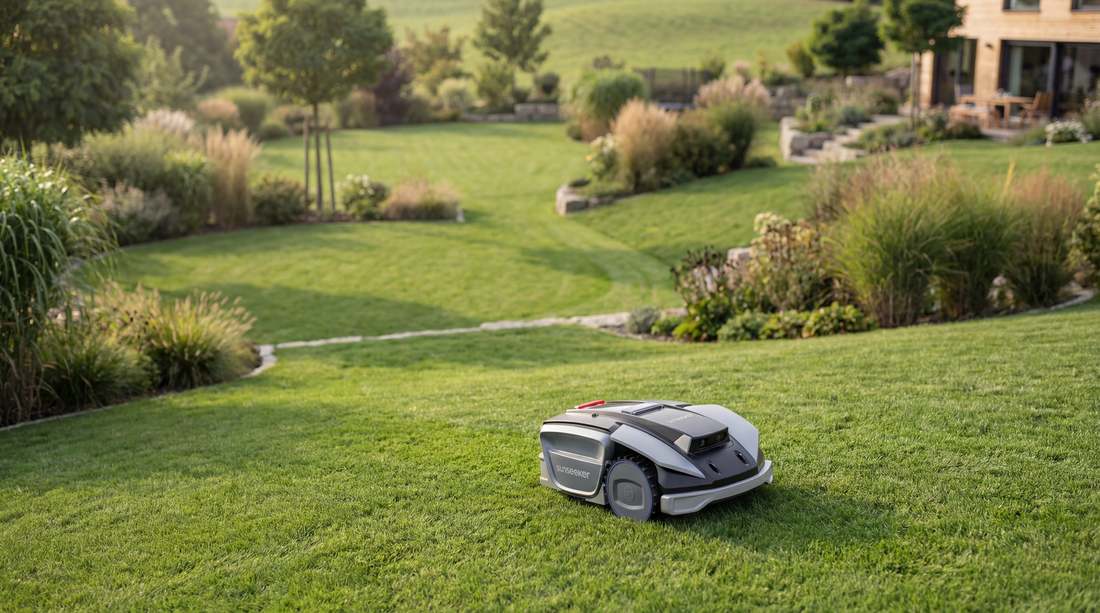
Electric mowers usually take less time to prepare because there is no gasoline or oil to manage. Even so, poor battery storage can shorten battery life or leave the mower unusable when spring returns. This also applies to robotic lawn mowers. For example, a model such as the Sunseeker S5 does not need fuel treatment, but it should still be cleaned carefully, protected from excess moisture, and stored according to the manual so its battery, sensors, charging contacts, and electronic parts stay in good condition during the off-season.
Common Winter Storage Mistakes to Avoid
Most winter mower damage comes from small oversights. The most common mistakes include:
- Leaving untreated gasoline in the tank
- Storing the mower dirty
- Covering it while still wet
- Forgetting to check or remove the battery
- Tipping a gas mower the wrong way during cleaning
- Ignoring blade damage
- Storing the mower near fertilizer, salt, or other corrosive materials
- Wrapping it in airtight plastic
The best prevention is to finish the job in one session: clean, dry, service, disconnect, cover, and store. That reduces the odds of stale fuel, trapped moisture, or a dead battery causing trouble later. If a lawn mower won't start after winter, check those same storage-related areas first: fuel condition, battery charge, spark plug condition, and signs of moisture or corrosion.
Conclusion
Winterizing a lawn mower is a simple end-of-season routine that protects the engine, battery, blade, deck, and starting system while the mower sits unused. The main steps are straightforward: make it safe, manage the fuel or battery, clean and inspect it, service key wear parts, and store it somewhere dry.
Whether you use a gas, electric, or robotic mower, good winter storage helps prevent moisture damage, fuel-related problems, and battery stress before spring arrives. A little attention after the final mow can save repairs, delays, and unsafe surprises when the growing season starts again.
FAQ
Does a lawn mower need to be winterized?
Yes, a lawn mower should be winterized if it will sit unused for several weeks or months. Winterization helps prevent stale fuel, corrosion, battery discharge, and starting problems. Gas mowers usually need the most preparation because of fuel, oil, spark plugs, and air filters. Electric and robotic mowers still need cleaning, battery care, and dry storage.
Is it okay to leave gas in a lawn mower over winter?
It is not ideal to leave untreated gas in a lawn mower over winter. Gasoline can degrade and may leave deposits that make the mower hard to start. If you keep fuel in the tank, add the correct fuel stabilizer to fresh gasoline and run the engine briefly so treated fuel circulates. Otherwise, drain the fuel according to the manual.
How do I prepare my lawn mower for winter?
Prepare your mower by disconnecting the spark plug or battery, treating or draining fuel, cleaning grass from the deck, inspecting the blade, and servicing the oil, air filter, and spark plug as needed. For battery mowers, charge and store the battery properly. Finish by placing the mower in a dry, protected area with a breathable cover.