Understanding Grass Type Differences
Successful lawn care begins with recognizing whether you’re tending cool-season or warm-season grasses, as their needs differ significantly. The table below offers an easy comparison to highlight the key differences between these two grass types, from growth patterns to ongoing care.
Cool-Season vs. Warm-Season Grasses Comparison Table
|
Characteristic
|
Cool-Season Grasses
|
Warm-Season Grasses
|
|
Preferred Temperature Range
|
10–24°C (50–75°F)
|
24–32°C (75–90°F)
|
|
Main Growth Seasons
|
Spring and fall
|
Late spring through summer
|
|
Summer Response
|
Growth slows; may experience heat stress
|
Thrives in heat; maintains vigorous growth
|
|
Winter Appearance
|
Stays green or partially green
|
Goes dormant and turns brown
|
|
Common Varieties
|
Perennial ryegrass, Kentucky bluegrass, fine fescue, tall fescue
|
Bermudagrass, Zoysiagrass, Paspalum
|
|
Typical Growing Regions
|
Northern and Central Europe, UK, Scandinavia
|
Southern Europe, Mediterranean areas
|
|
Water Needs
|
Moderate, with increased need in summer
|
Moderate to low after establishment
|
|
Mowing Frequency
|
More frequent in spring and fall
|
More frequent during summer
|
|
Best Applications
|
Home lawns, parks, athletic fields
|
Lawns in hot climates, drought-resistant landscapes
|
Cool-season varieties thrive in temperatures between 10-24°C (50-75°F), growing most actively during spring and fall. They typically maintain some green color through winter in milder climates but may struggle during intense summer heat. Common examples include various fescues and perennial ryegrass.
Warm-season grasses prefer temperatures from 24-32°C (75-90°F), reaching peak growth during summer months. They enter complete dormancy in winter, turning brown until temperatures rise again. Popular types include Zoysia and Bermuda grasses.
Spring Lawn Care Essentials (March–May)
Spring marks a period of renewal and vigorous growth for most lawns. This season sets the foundation for healthy development in the coming months.
For Cool-Season Grasses
Grasses such as fescue and bluegrass experience their strongest growth during spring's cool, moist conditions. Begin with a balanced fertilizer to support this natural surge. Time your first mowing carefully, waiting until grass reaches about one-third taller than your intended height. Early spring also presents the best opportunity to address weeds before they establish deep roots.
For Warm-Season Grasses
Varieties like Bermuda and Zoysia emerge gradually from winter dormancy. Start by clearing away any remaining debris that might block sunlight. Hold off on fertilization until you notice consistent green growth across the lawn. When you begin mowing, start with a higher setting and gradually lower it over several weeks.
Spring Maintenance Tasks
If your soil has become compacted over winter, consider aerating to improve air and water movement. For cool-season lawns with thin areas, early spring offers ideal conditions for overseeding. Apply pre-emergent weed control treatments before weed seeds germinate, and watch for early signs of insect activity.
Summer Lawn Care Essentials (June–August)
The summer months test your lawn’s resilience with heat, potential drought, and increased use. Strategic care helps grass withstand these pressures while maintaining its appearance.
For Cool-Season Grasses
As temperatures rise, cool-season grasses naturally slow their growth. Raise your mower’s cutting height by about one inch to provide additional shade for soil and roots. Reduce fertilization frequency to avoid encouraging tender growth during stressful conditions. Implement deep, infrequent watering sessions early in the day to encourage deeper root development and improve drought tolerance.
For Warm-Season Grasses
These grasses hit their growth stride during summer’s warmth. Maintain consistent mowing following the one-third rule to prevent stress. A midsummer fertilizer application supports this active growth period. Ensure adequate irrigation during extended dry periods, as warm-season grasses continue developing through summer heat.
Smart Summer Practices
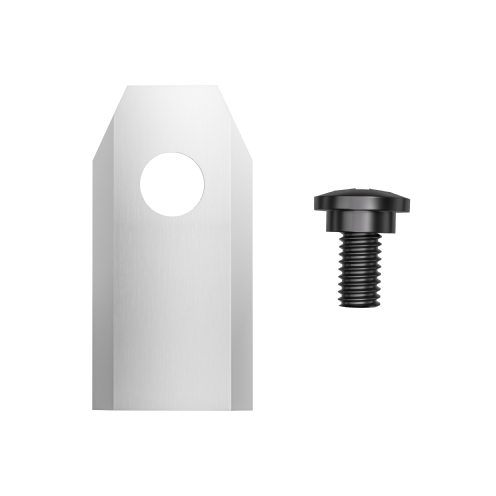
Watering efficiency becomes crucial during warmer months. Provide approximately one inch of water weekly through irrigation and rainfall combined, preferably in morning hours. Watch for disease symptoms like discolored patches or unusual growth patterns, which often appear during humid periods. Keep mower blades sharp to create clean cuts that heal quickly and resist infection.
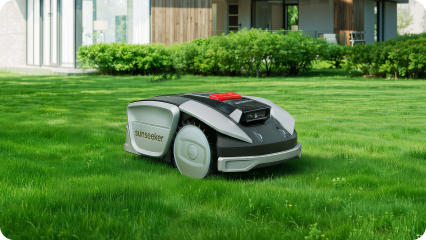
Robotic mowers can further ease summer lawn care by handling cutting during the cooler early morning or evening hours, sparing you from working under intense heat. Frequent, light trims reduce the amount of grass removed each time, helping lawns retain moisture and recover faster.
With systems like the Sunseeker S4’s patented floating cutting deck adapting on the fly, each operation stays even and gentle on the turf, delivering consistently clean results. They also feature rain sensors that automatically pause operation in wet conditions, minimizing stress on the turf and lowering the risk of disease spread.

Sunseeker S4 with floating cutting system
Autumn Lawn Care Essentials (September–November)
Fall represents perhaps the most valuable season for lawn care, offering ideal conditions for recovery and preparation before colder weather arrives.
For Cool-Season Grasses
These grasses experience renewed growth during autumn’s cool days and warm soils. Apply a fertilizer with higher potassium content to strengthen roots against winter stress. This season provides the perfect conditions for overseeding and core aeration, with warm soil encouraging germination and cool air supporting seedling development. Gradually reduce cutting height over several mowing sessions as growth slows.
For Warm-Season Grasses
Growth rates diminish as temperatures cool. Reduce mowing frequency accordingly and apply a final light fertilizer to help grasses store nutrients before dormancy. Avoid high-nitrogen formulations that might stimulate vulnerable new growth. Regularly remove fallen leaves to prevent them from smothering grass and creating conditions for disease.
Important Autumn Tasks
Never allow thick leaf layers to accumulate on your lawn. Either mulch them finely during mowing or rake and compost them separately. Test soil pH and amend if necessary, as fall applications have time to integrate before spring. Conduct thorough equipment maintenance as the mowing season concludes, sharpening blades and performing any needed repairs.
Winter Lawn Care Essentials (December–February)
While lawn activity minimizes during colder months, some attention ensures healthy emergence when spring returns.
Dormancy Period Management
Minimize traffic on frozen or wet turf to prevent crown damage and soil compaction. If unusual warm spells encourage growth, a light mowing may be appropriate when conditions are dry. For completely dormant warm-season lawns, avoid heavy objects or concentrated foot traffic that could damage the resting plants below the surface.
Cold Weather Maintenance
Clear fallen branches and other debris that could smother grass or create pest habitats. In snowy regions, avoid piling shoveled snow containing road salt onto lawn areas. If snow mold appears as crusty patches after thaw, gently rake affected areas to improve air circulation.
Off-Season Preparation
Use winter’s quieter gardening period to assess last season’s results and plan improvements. Research new varieties or products, order seeds early for best selection, and consider landscape modifications you’ll implement when the ground thaws.
For comprehensive guidance on effective winter lawn protection, read Winter Lawn Care: What You Need to Know. This article details practical measures including snow mold prevention, selecting lawn-friendly ice melt products, proper winter watering techniques, and drainage improvement strategies to maintain lawn health through the cold season.
Conclusion
Achieving a beautiful lawn year-round means understanding grass biology and working with nature's cycles. Each season offers unique chances to strengthen your turf, from spring renewal to autumn preparation. By aligning your care with both grass type and local conditions, you cultivate a resilient lawn that withstands weather stresses with less intervention.
Smart solutions like Sunseeker robotic mowers, simplify maintenance by automatically managing optimal cutting heights and schedules, supporting healthy growth with minimal effort. Start with the priorities of the coming season and enjoy watching your lawn thrive through changing conditions. Consistent, informed care transforms your outdoor space into a source of pride and pleasure in every season.
FAQs
How do I know if I have cool-season or warm-season grass?
Cool-season grasses like Kentucky Bluegrass stay green in spring/fall and may brown in summer heat. Warm-season varieties like Bermuda grass thrive in summer heat but turn completely brown and dormant in winter. Your local climate and the grass's seasonal color changes are the best indicators.
What's the most important seasonal task I shouldn't skip?
Fall fertilization is arguably the most crucial. It strengthens grass roots before winter, improving spring green-up and drought resistance. This single application provides benefits that last through the following growing season, making it more valuable than spring feeding alone.
Can I water less if I mow my lawn taller?
Yes, maintaining a taller cutting height (3-4 inches) significantly reduces watering needs. Longer grass blades shade the soil, reducing evaporation and keeping roots cooler. This practice can decrease water usage by 20-30% while promoting deeper, more drought-resistant root systems.