Setting the Stage for Winter
The final weeks of autumn offer a critical window to strengthen your lawn before the arrival of harsh winter conditions. A few simple moves now make all the difference.
1. Final Mowing and Ideal Cutting Height
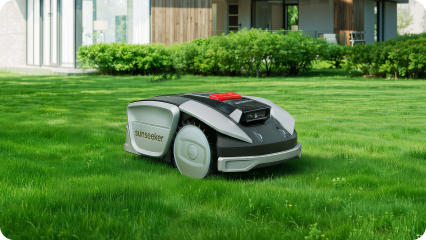
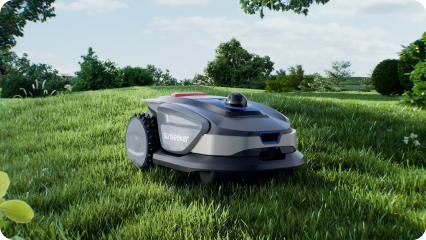
The last mowing session of the season requires specific attention. Adjust your mower to leave the grass at a moderate height, typically between 2 and 2.5 inches. This specific length serves a dual purpose. It provides enough leaf surface for the grass to continue limited photosynthesis and store energy in its roots. With a robot mower like the Sunseeker V3, precise height control and consistent coverage across the entire lawn make it easy to achieve this ideal finish without overcutting.
At the same time, it remains short enough to prevent matting and reduce the risk of disease under snow cover. Conduct this final cut after the last seasonal fertilization, timing it for late autumn before consistent freezing temperatures begin.
2. Core Aeration for Soil Health
Autumn presents the optimal opportunity to aerate your lawn. The process of removing small soil plugs alleviates the compaction that accumulates over the summer months. This creates vital channels in the soil that allow enhanced penetration of air, water, and nutrients directly to the root zone throughout the winter.
Furthermore, these openings enable fall-applied fertilizers to reach deeper into the soil profile, providing direct nourishment to the root system that remains active longer than the visible blades.
3. Selecting and Applying a Fall Fertilizer
Applying a specialized late-season fertilizer is a key step in winter preparation. Formulated differently from spring blends, a winterizer fertilizer is typically rich in potassium. This nutrient plays a crucial role in fortifying the grass plant. It strengthens cell walls, which significantly improves the turf's tolerance to cold temperatures, drought stress, and potential disease.
The best application window is when the grass blades have stopped growing but the soil remains warm enough for root activity, ensuring the nutrients are absorbed and stored efficiently.
How to Winterize Your Lawn
Once winter really kicks in, your job shifts from prepping to protecting. The goal? Shield your lawn from the season's sneaky stressors.
Stop Snow Mold Before It Starts
Those ugly gray or pinkish circles that sometimes appear as snow melts? That's snow mold, and it loves wet, matted grass. Prevention is easy: before the first snow, make sure your lawn is clear of leaves and debris. And when you're shoveling the driveway, try not to dump huge piles of snow onto the grass. It takes forever to melt and creates a perfect mold nursery. If you do spot some in spring, just gently rake the area to let it dry out.
Managing Traffic and Physical Stress
When there's a frost on the lawn, it looks magical, but it's actually really fragile. Walking or playing on frosty grass is a bad idea cause it snaps the frozen blades and can crush the plant's core. You'll see the brown footprints for months. If you need to get across the yard, try to stick to a set path to keep the damage to a minimum.
Be Smart About Ice Melting
We all need to melt ice on our walkways, but be careful what you use. Regular rock salt and many cheap ice melts are terrible for your lawn and the soil—the runoff basically poisons it. Look for products that say "pet-safe" or "lawn-safe," often made with things like calcium chloride. They work just as well without the nasty side effects. And when shoveling, fluff the snow as you toss it; don't create heavy, dense piles on the edges of your lawn.
Winter Watering and Drainage
You might not think about watering in winter, but in some places, it's crucial. Balanced soil moisture remains important even in winter, particularly in certain climates, to prevent both desiccation and crown hydration injury.
When and How to Water in Winter
If you live somewhere with dry winters and not much snow, your lawn can actually get thirsty. If extended periods of three weeks or more pass without precipitation and the ground is not frozen, a deep, midday watering on a day when temperatures are above freezing can be beneficial. This practice, known as winter watering, helps prevent root desiccation. It is crucial to allow enough time for the water to soak in completely before temperatures drop below freezing again at night.
Improving Drainage to Prevent Waterlogging
Poor drainage that leads to standing water is particularly harmful in winter. When water collects and freezes, it can damage or kill grass crowns. Before winter sets in, address low spots in the lawn by top-dressing with a soil amendment mix to improve grade. Doing a fall aeration, like we talked about, also helps the soil drain better, so water doesn't just sit on the surface.
Monitoring Soil Moisture Levels
A basic understanding of soil moisture can guide winter care. There’s a simple trick you can try. Grab a regular long screwdriver and push it into the soil. If it goes in easily a few inches, things are probably moist enough down there. If the ground is rock-hard and the screwdriver won't budge, even on a warmer day, your lawn might be too dry. It's a quick check that can save you a lot of guesswork.
Storing Garden Tools Properly
The tools you rely on to maintain your landscape also require seasonal attention to ensure their longevity and readiness for spring.
End-of-Season Equipment Maintenance
For gasoline-powered mowers, proper winterization prevents starting issues and fuel system problems. Add a fuel stabilizer to the tank and run the engine to circulate it. Thoroughly clean the mower deck to remove grass clippings, sharpen or replace the blades, and consider an oil change.
For battery-powered mowers, the process is simpler: give the unit a complete cleaning, charge the battery to approximately 60% capacity, and store both the mower and its charging station in a cool, dry indoor location. Removing the battery for separate storage can further preserve its lifespan.
Cleaning and Organizing Hand Tools
Don’t just toss your rakes and shovels in a corner. Take a few minutes to clean off the dirt and mud, and dry them off completely to stop rust from forming. A quick wipe with an oiled rag on the metal parts adds a protective layer. For tools with wooden handles, a light sanding and a rub-down with linseed oil will keep them from drying out and cracking. Storing everything clean and organized makes that first spring cleanup project feel a lot less daunting.
Guiding Your Lawn into Spring
As temperatures gradually rise, a patient and observant approach will help your lawn transition smoothly from dormancy to active growth.
Assessing Winter Damage
Once most of the snow has melted, put on your boots and take a slow walk around the yard. Look for any trouble spots: areas of matted grass, signs of mold, or places where ice might have sat for too long. Gently rake any matted areas to fluff them up and let in light and air. And be patient! A lot of that brown you see is just dormant grass, and it will turn green on its own schedule as the soil warms up.
Scheduling the First Spring Mowing
It’s exciting to see green, but hold off on that first mow. Wait until the grass is clearly growing and needs a haircut—usually when it’s about one-third taller than your normal summer cutting height. For that very first cut, set your mower blade to its highest setting. Cutting too much too soon shocks the grass and weakens it. Starting high encourages the roots to grow deep and strong, which is the secret to a thick, healthy lawn all summer.
Easing Back into a Routine
Avoid aggressive fertilization immediately after winter. Allow the lawn to complete its first few mowing cycles and show consistent growth before introducing additional nutrients. A balanced, slow-release spring fertilizer can then support steady development. Thin or damaged areas may benefit from overseeding once soil temperatures are warm enough for germination.
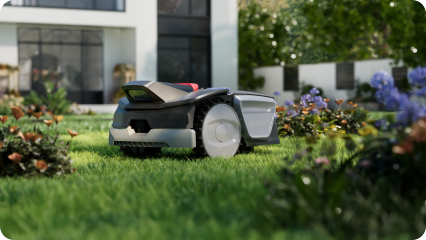
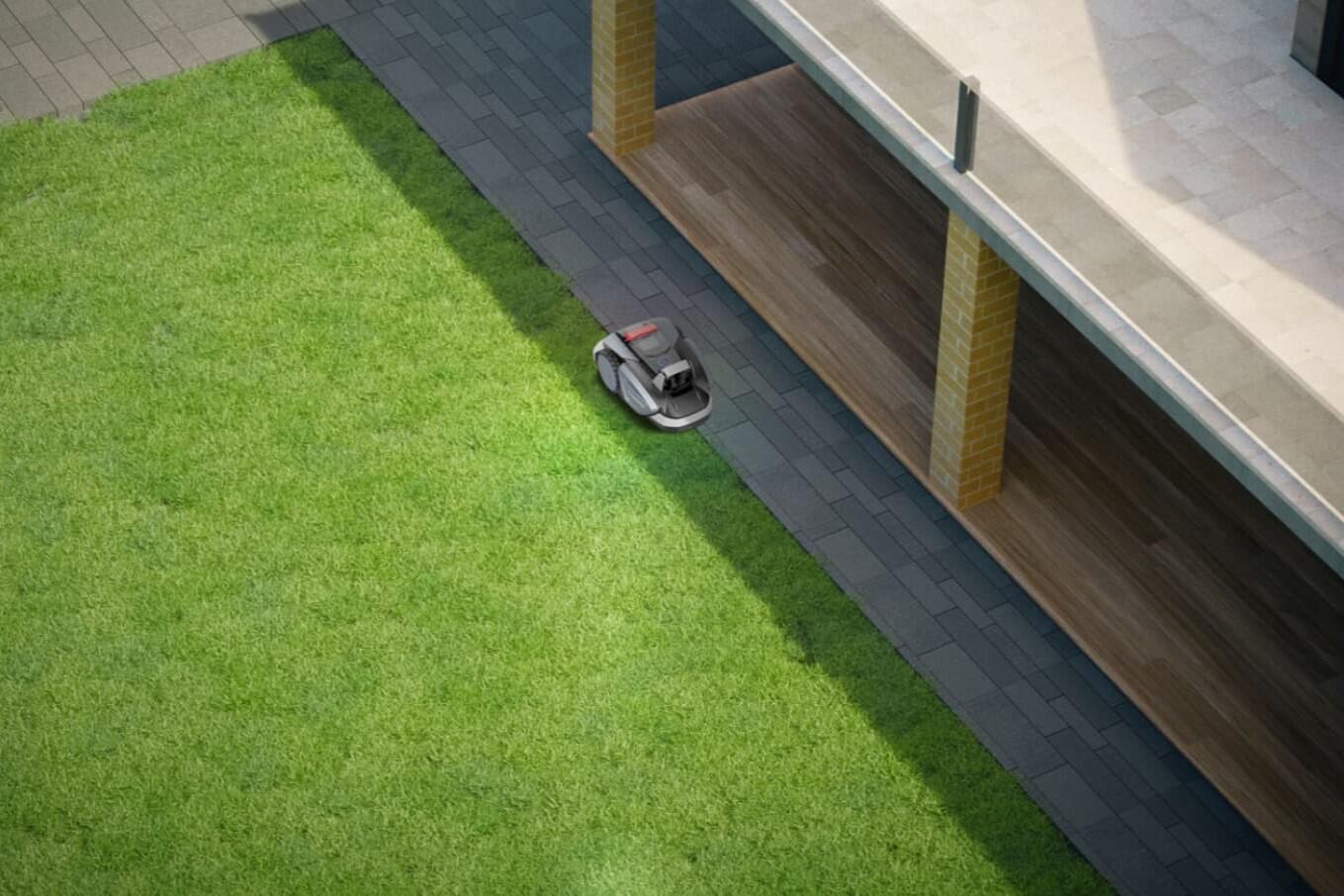
Maintaining this gradual rhythm is key, and an automated mower such as the Sunseeker V3 helps sustain a light, regular mowing pattern, supporting recovery while reducing the need for frequent manual intervention.
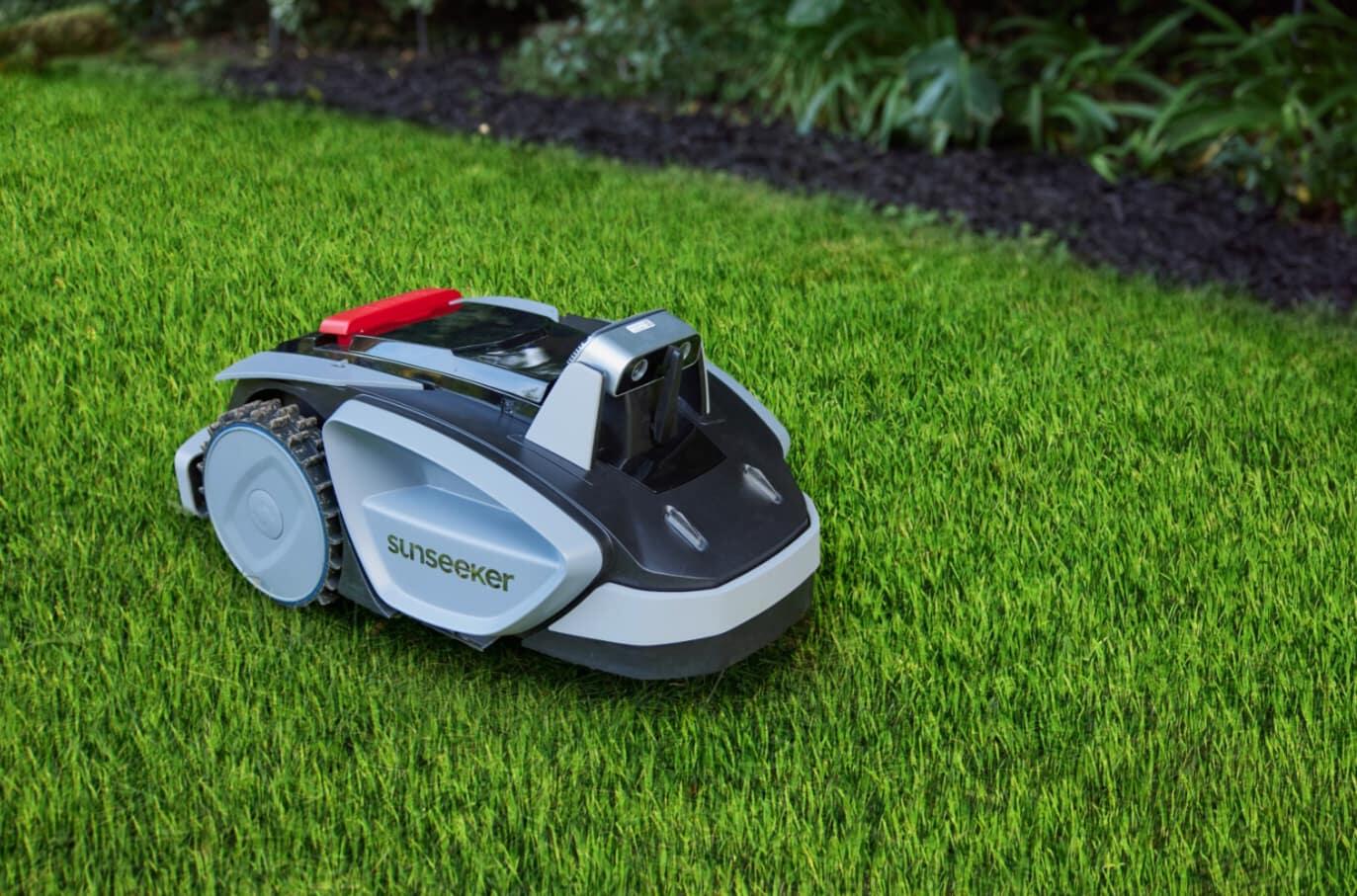
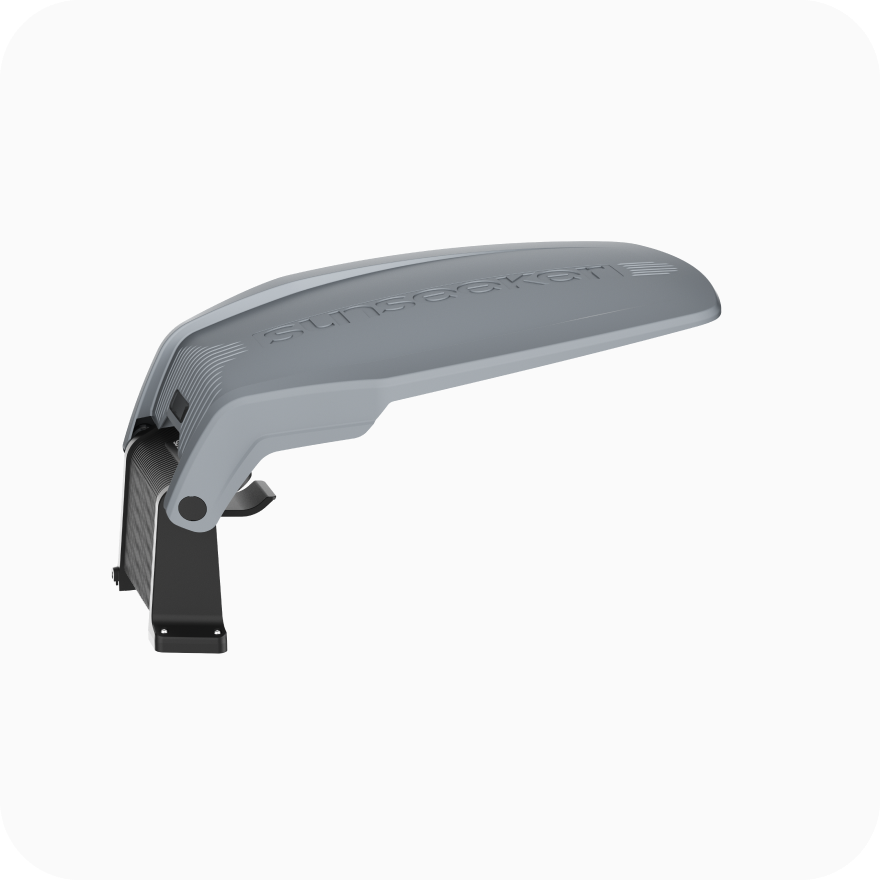
Sunseeker V3 gently mowing the lawn
Conclusion
The effort you put into lawn maintenance in winter yields significant rewards. This practice moves beyond simple tasks, fostering a deeper connection with your garden's natural cycle. Thoughtful autumn preparation establishes resilience, while protective winter measures prevent damage. Gentle spring care then encourages a healthy revival.
This comprehensive strategy builds a robust, vibrant lawn that can thrive through seasonal challenges. The ultimate result is a lush, green outdoor space that emerges effortlessly in spring, freeing you from restorative chores and granting more time to relax and enjoy your beautiful garden throughout the year.
FAQs
Is it necessary to clear leaves before winter?
Yes. For a light sprinkle of leaves, you can just mow over them to mulch them in. But a thick, matted layer is a problem. It blocks sunlight, traps too much moisture, and becomes a perfect home for diseases and bugs over the winter.
What is the impact of walking on a frosted lawn?
When grass blades are frozen, they’re fragile and can break easily. Walking on them damages the plant and often leaves behind visible brown footprints in the spring where the grass died. It also squishes down the soil. It’s best to admire your frosty lawn from the path until it thaws.
Can I apply fertilizer in the middle of winter?
No. Fertilizer should not be applied during the deep winter when the ground is frozen or the grass is fully dormant, as it will not be absorbed and may pollute waterways. The correct practice is to apply a specific "winterizer" fertilizer in late fall.