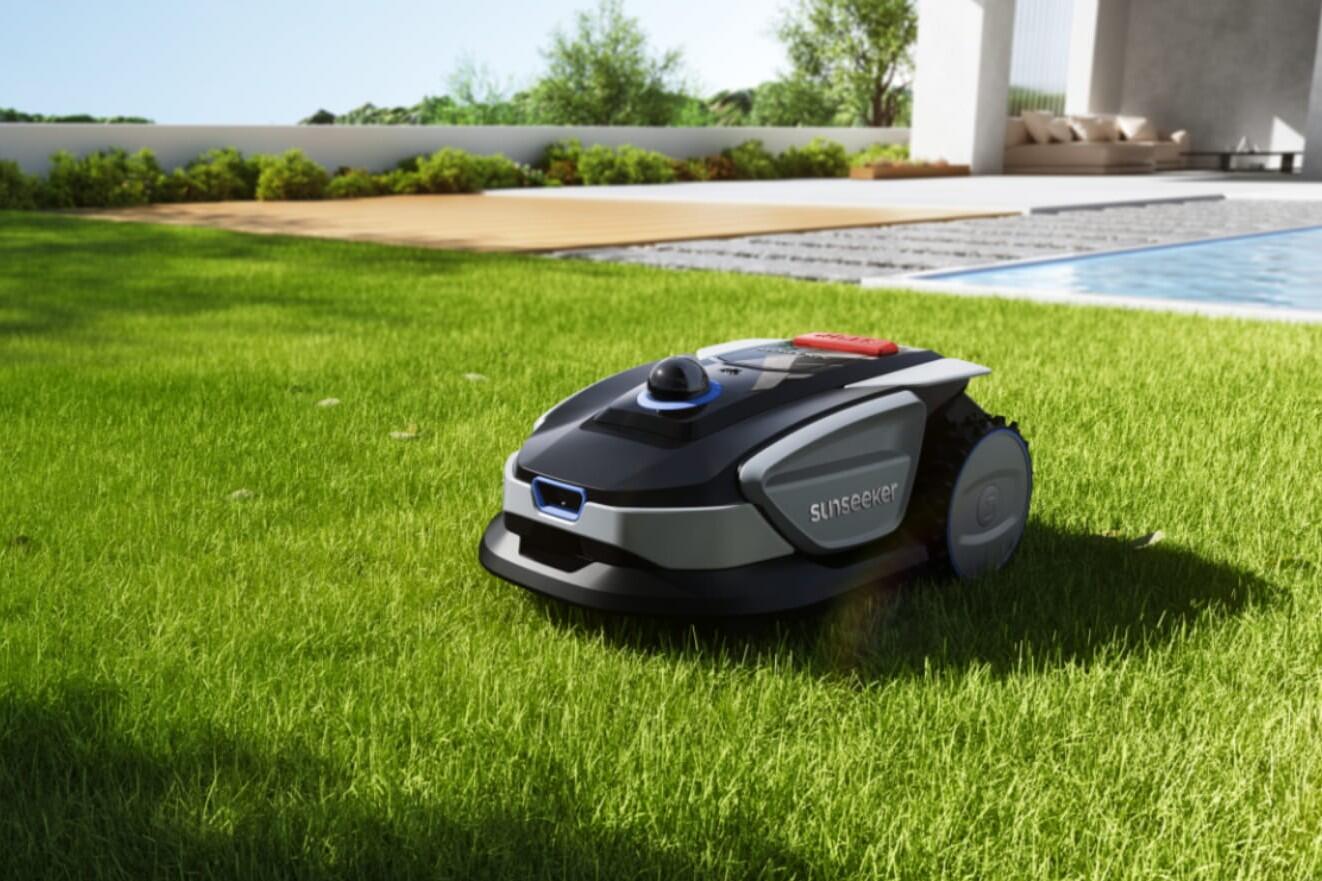
Wire-Free vs. Wired: A Practical Comparison
Choosing an automated mower is less about brand and more about selecting between two distinct technologies. Understanding how traditional boundary-wire systems differ from modern wire-free navigation is key to making a smart, long-term investment.
1. Installation Process: Project vs. Procedure
Installing a traditional wired mower often becomes a weekend landscaping project. It requires carefully laying and often burying a perimeter wire around the entire property, a task that can consume hours and significant effort.
In contrast, setting up a wire-free model is typically a streamlined procedure. After placing the charging station, the user guides the mower around the lawn's edges, allowing it to create a digital map. This process usually concludes within 30 to 60 minutes, transforming a chore into a simple setup task.
2. Long-Term Maintenance: Physical vs. Digital
A buried boundary wire creates a permanent, hidden vulnerability. It can be damaged by routine gardening, aeration, or burrowing animals, causing frustrating downtime and difficult repairs.
Wire-free systems remove this physical failure point and shift maintenance to the digital side, such as automatic software updates and occasional sensor cleaning. Like all robotic mowers, they also require regular blade replacement to maintain cutting quality, trading unpredictable physical repairs for simpler, more predictable upkeep.
3. Flexibility and Adaptability: Fixed vs. Fluid
A physical wire creates a permanent lawn layout. Any change to your garden design like expanding a flower bed, adding a patio, or removing a shrub, necessitates digging up and rerouting the boundary cable.
Wire-free systems offer fluid adaptability through their virtual mapping software. Altering the mowing area is as simple as redrawing boundaries on a smartphone app. This makes them ideal for dynamic landscapes or homeowners who enjoy regularly updating their outdoor living space.
4. Cutting Precision and Consistency
Wired mowers deliver highly consistent edge cutting because they follow an immutable physical guide. Their precision is largely unaffected by external conditions. Wire-free models rely on digital positioning, which, in early iterations, could result in less crisp edges.
However, modern high-precision navigation systems, particularly those using RTK-GPS, have dramatically closed this gap. Premium wire-free models now achieve edge-following accuracy that is visually indistinguishable from their wired counterparts under normal operating conditions.
Comparison Table: Wired vs Wire-Free Robot Lawn Mowers
|
Aspect
|
Wired Robotic Mowers
|
Wire-Free Robotic Mowers
|
|
Installation
|
Requires laying and burying a perimeter wire, often taking several hours or an entire weekend
|
Quick deployment using app-based virtual mapping or a wireless reference station
|
|
Long-Term Maintenance
|
Risk of wire damage from digging, pets, or garden work, leading to troubleshooting and repairs
|
Primarily involves software updates and light sensor cleaning rather than physical fixes
|
|
Flexibility
|
Boundaries are fixed in place; any layout change requires digging and re-routing the wire
|
Virtual boundaries can be adjusted instantly through the app
|
|
Edge Precision
|
Very consistent edge tracking thanks to the physical guide wire
|
Edge accuracy can vary slightly, though RTK-GPS, LiDAR and Vision AI are closing the gap
|
|
Performance on Complex Lawns
|
Delivers dependable coverage with strong boundary control
|
Excels at handling multi-zone layouts and changing garden designs
|
|
Typical Price Range
|
Generally more budget-friendly: €700–€1,600
|
Higher upfront cost: €1,000–€2,500
|
Navigating the Core Technologies of Wire-Free Mowing
The ability of a machine to maintain a lawn without a physical tether is powered by sophisticated positioning and perception systems. These technologies create a reliable digital understanding of the yard.
RTK-GPS: Centimeter Accuracy from Satellites
Real-Time Kinematic GPS is the precision backbone of many high-end wire-free mowers. The system uses a stationary base station installed in the yard. This base station calculates errors in the standard GPS signals caused by atmospheric interference and sends instant corrections to the mower. This process elevates positioning accuracy from several meters to just 1-3 centimeters.
This precision allows the mower to establish a reliable "virtual fence," follow perfectly straight paths, and maintain systematic coverage. It performs optimally in open areas with a clear view of the sky.
Vision-Based AI: Navigation Through Environmental Recognition
Instead of satellites, some systems use cameras and artificial intelligence to navigate. The mower's software analyzes live video feed to distinguish between cuttable grass and other surfaces like pavement, mulch, or garden beds, thereby identifying boundaries. A significant advantage of this technology is its ability to detect and classify moving and stationary obstacles in real time, from garden chairs to toys.
Its performance can be influenced by lighting conditions, such as very low light or harsh shadows, and generally requires clearly defined visual borders for optimal operation.
LiDAR Navigation: Precision Through Laser Mapping
LiDAR technology uses rotating lasers to create a precise 3D map of the yard by measuring reflected light pulses. This method delivers consistent, high-accuracy navigation in all lighting conditions, from bright sun to total darkness. The resulting detailed environmental model allows for efficient, pre-planned mowing routes and confident navigation in complex spaces.
The technology’s main considerations are its higher cost compared to other sensors and the need to maintain clean laser lenses for sustained accuracy.
Evaluating Real-World Performance and Reliability
Technical specifications provide a framework, but the true value of a wire-free mower is revealed in its day-to-day operation and ability to handle the variables of a real yard.
Consistent Results Across the Lawn
A properly configured wire-free robot mower consistently delivers a uniformly trimmed lawn with clean, sharp edges. By leveraging precise navigation technologies, it systematically covers the entire mapped area, ensuring even cutting height and eliminating missed patches or uneven strips. The result is a professionally maintained appearance that remains uniform throughout the growing season, providing reliable, high-quality lawn care without manual intervention.
Advanced Obstacle Interaction and Safety
Wire-free mowers typically employ a proactive approach to obstacles. Using a suite of ultrasonic, bumper, and vision sensors, they aim to detect objects before making contact, gently navigating around them. This is often more refined than the reactive "bump-and-turn" method common in basic wired models, potentially reducing wear on the mower and minimizing disturbance to garden features. Integrated safety features, such as instant blade stoppage when lifted, remain standard.
Operation in Changing Weather
Modern robotic mowers are built to handle typical weather variations. They can operate in light rain and morning dew, with waterproof ratings (e.g., IPX5 or IPX6) protecting their internal components. Most models include rain sensors that automatically pause mowing and command a return to the charging station during heavier downpours, resuming once the grass dries. This balance allows for maximum autonomous runtime while protecting the machine.
Seamless Management of Multi-Zone Properties
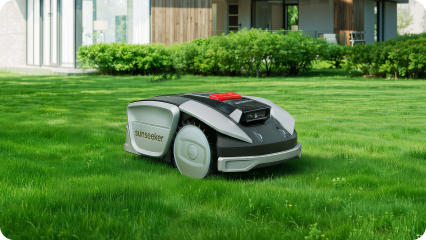
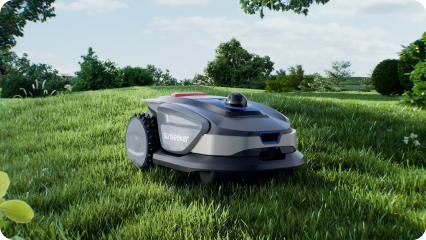
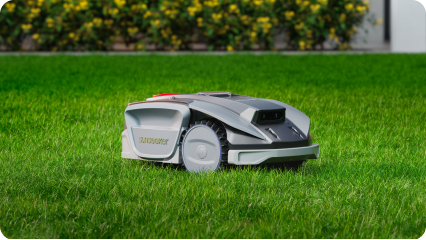
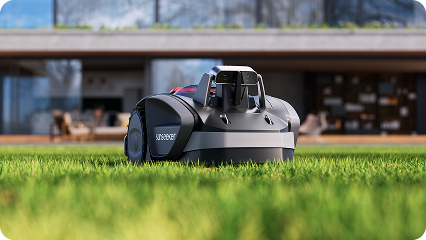
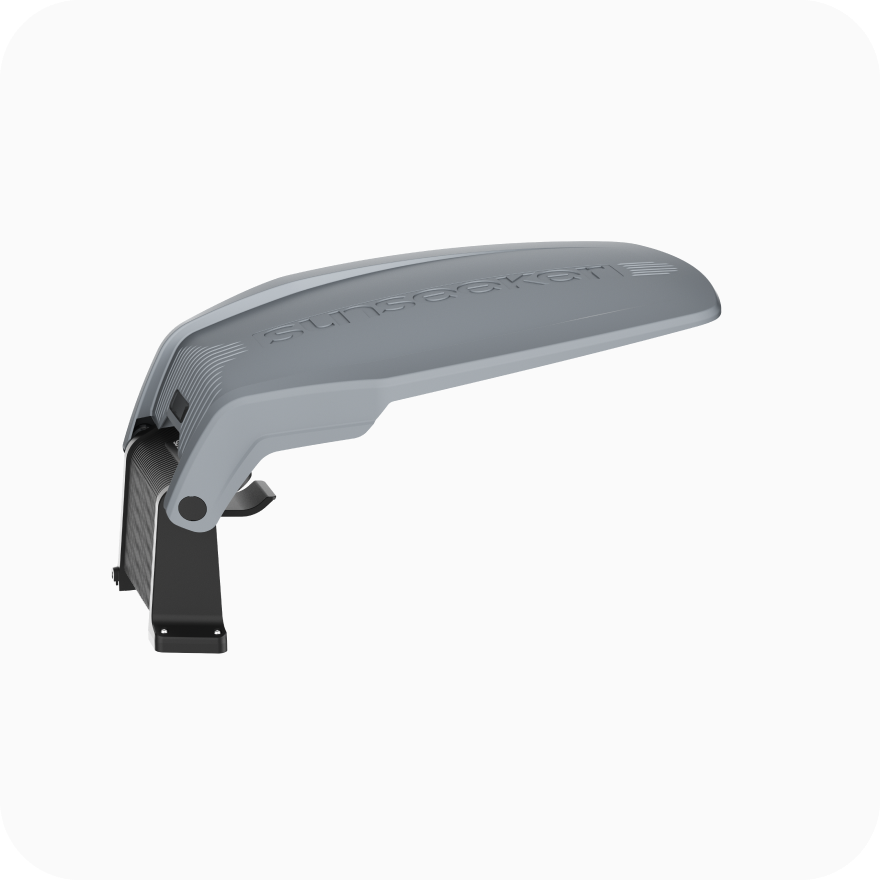
This is a domain where wire-free systems excel. For properties with separate front, side, and rear lawns, the mower can be programmed with multiple virtual zones. For example, the Sunseeker S4 autonomously navigates between these areas according to its smart app schedule, treating the entire property as a single, integrated system without any need for complex wiring or manual intervention between zones.
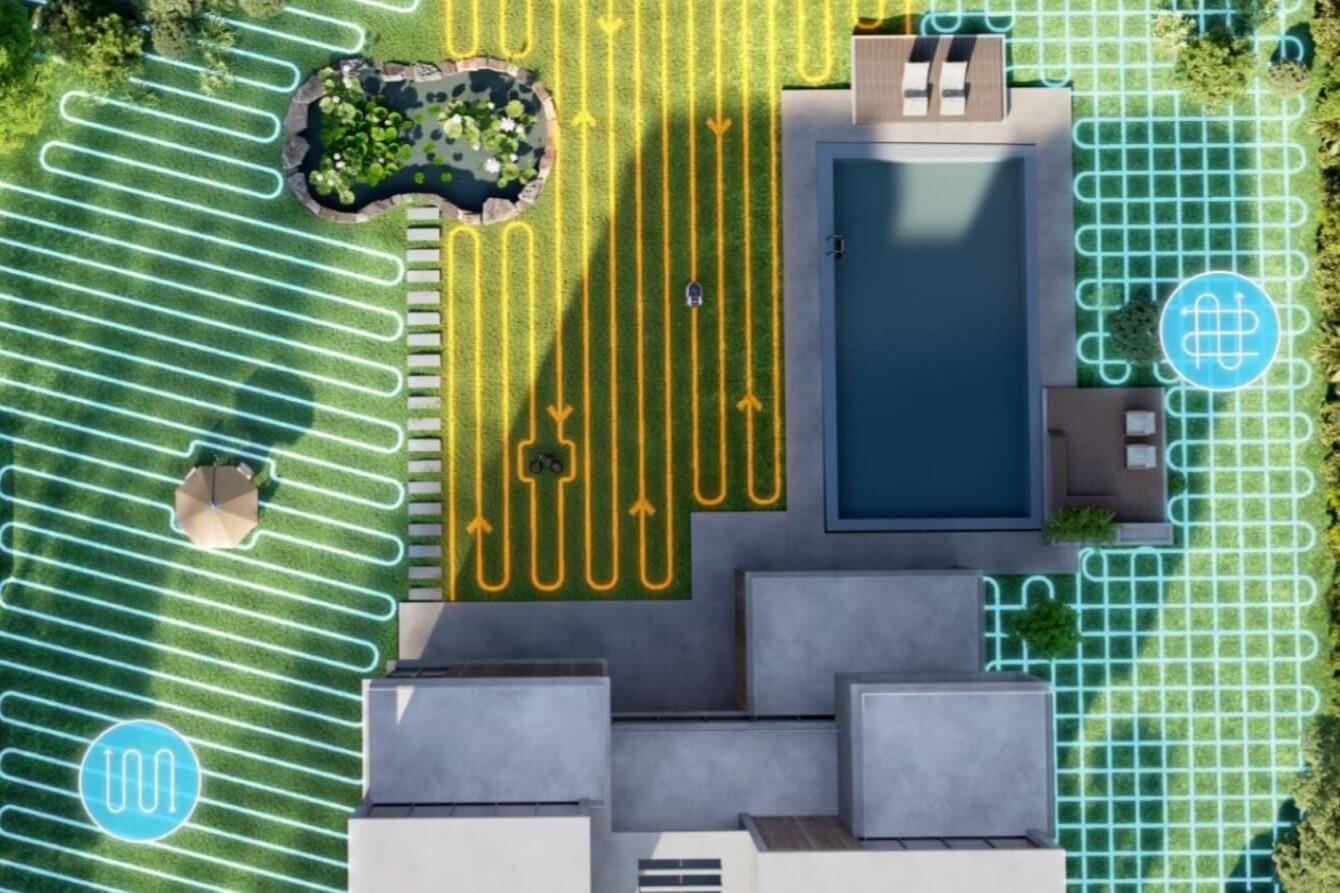
Sunseeker S4 robotic lawn mower with multi-zone management
A Framework for Choosing Your System
Selecting the right wire-free mower involves a clear-eyed assessment of your property, needs, and budget.
Matching Technology to Your Terrain
Analyze your lawn's specific profile. Large, open properties are ideal for RTK-GPS systems. Yards filled with gardens, trees, and intricate borders may benefit more from vision-AI or robust hybrid systems that don't rely solely on satellite signals. For many, a model that combines multiple navigation sources offers the best balance of precision and adaptability.
Focusing on Meaningful Specifications
Prioritize specifications that directly impact performance on your land. Key metrics include the maximum slope grade (expressed as a percentage), battery capacity (in Amp-hours), cutting width, and the waterproof IP rating. For sloped or uneven yards, models with all-wheel drive and a slope capability of at least 30% are advisable. A higher waterproof rating ensures longevity and reliability.
Understanding the Investment
Wire-free technology commands a higher initial price than entry-level wired models, with capable systems typically starting in the $1,000 to $1,500 range. This cost reflects advanced components, software complexity, and the elimination of physical installation labor. When evaluating cost, consider the long-term value of saved time, eliminated wire maintenance, and the flexibility to adapt your lawnscape effortlessly.
If you are looking for a clearer comparison of how top wire-free brands stack up in terms of performance and price, our article Best Robot Lawn Mowers Without Perimeter Wire for 2026 offers a helpful breakdown.
Selecting a Partner, Not Just a Product
Choose a manufacturer with a proven commitment to their ecosystem. This includes a track record of reliable customer support, clear warranty terms, and a history of providing software updates that improve functionality and security over the product's lifespan. A wire-free mower is a smart device, and its long-term utility is enhanced by a company that supports its evolution.
Conclusion
Wire-free robotic mowers have moved beyond experimentation and are now a practical, refined solution for automated lawn care. They appeal most to homeowners who value quick setup, flexible boundaries, and the freedom to adjust their landscape over time. While very small or simple lawns may still do well with basic wired models, wire-free systems offer clear advantages for many modern yards.
By evaluating your lawn’s size, layout, and signal conditions, you can make a confident choice. For mid-sized properties, options like the Sunseeker S4, which operate without a perimeter wire, show how intelligent automation can deliver effortless, consistent results.
FAQs
Which is the better investment: wired or boundary-free robotic mowers?
Wire-free models offer easier setup and flexibility for changing landscapes, while wired models are more affordable initially. Your best investment depends on your lawn's complexity, budget, and willingness to manage technology versus physical wires.
Are wireless robot lawn mowers hard to set up?
No, modern wireless mowers are designed for simple DIY setup. The process primarily involves placing the charging base and guiding the mower around your yard's perimeter using the manufacturer's smartphone app to create a digital map.
How often do wireless robot mowers need maintenance?
Routine maintenance is minimal. You'll need to clean the mower's underside weekly, replace cutting blades monthly during peak season, and occasionally clean navigation sensors. The main battery typically requires replacement every 3-5 years.