Driveway cracks and lawn edges are where household vinegar gets tested most often. It sits right in the pantry, and spraying a few dandelions along the concrete looks harmless enough. When the mist drifts or runs off onto the turf beside it, though, the grass blades can brown and shrivel within a day or two. Will vinegar kill lawn grass like this? It can, because acetic acid burns any green tissue it lands on, weed or not.
How far the damage goes depends on concentration, coverage, repeat exposure, and the health of the grass. Will vinegar kill lawn weeds while sparing the turf around them? Rarely. It scorches leaves fast but often leaves the roots of established perennial weeds intact, so a second or third spray mostly hurts the lawn. Once you understand how the acid works, it's easier to judge the injury and choose a weed method that leaves the grass alone.
What Does Vinegar Do to Lawn Grass?
Vinegar is sometimes used as a natural weed killer, particularly for small annual weeds growing along driveways, garden paths, and lawn edges. Its acetic acid damages exposed plant tissue, causing leaves to dry out and turn brown. The effect is often visible within hours, although established weeds may regrow because their roots remain alive.
The problem is that vinegar affects lawn grass in much the same way. As a non-selective contact herbicide, it damages any susceptible plant tissue it touches. When vinegar lands on grass blades, it breaks down cell membranes and causes leaf burn, leaving yellow or brown patches. Severe exposure can also damage the growing points and kill individual grass plants.
Household vinegar typically contains around 5% acetic acid, while horticultural products may contain 20% or more. Stronger concentrations can cause more extensive damage, but they do not distinguish weeds from desirable grass. This makes accidental lawn damage a concern whenever vinegar is sprayed near healthy turf.
What Determines the Severity of Vinegar Damage?
Vinegar can cause anything from minor brown spots to large patches of dead grass. The severity of the damage is influenced by the acetic acid concentration, how much grass comes into contact with it, how often it is applied, and the lawn's condition before exposure.
Acetic Acid Concentration
Household vinegar containing around 5% acetic acid can scorch grass leaves, especially tender new growth. Stronger horticultural vinegar, often containing 20% acetic acid or more, can cause faster and more extensive tissue damage. Higher concentrations also increase the risk of killing young grass plants or damaging exposed growing points.
Amount of Grass Exposed
A few scattered droplets may leave small brown spots, while heavy spraying can burn most of the grass in the treated area. Damage becomes more serious when vinegar reaches the crown, where new growth develops. Wind drift and runoff can also spread the acid to surrounding turf, particularly along driveways, flower beds, and lawn edges.
Repeat Applications
A single application may damage the leaves while leaving enough healthy tissue for the grass to recover. Repeated spraying can burn new growth before the plant has rebuilt its strength, gradually weakening the turf. Over time, small damaged spots may expand into thin or completely bare patches.
Existing Turf Stress
Healthy, actively growing grass generally has a better chance of recovering from vinegar damage. Grass already weakened by drought, extreme heat, disease, or excessively short mowing may struggle to replace burned leaves. Newly seeded lawns are particularly vulnerable because young seedlings have limited root systems and fewer reserves to support regrowth.
What Should You Do After Vinegar Reaches the Lawn?
"Will vinegar kill my lawn?" is a fair worry after an accidental spray. If vinegar accidentally reaches your lawn, acting quickly may help limit the damage. The first step is to check if the grass is still wet or has already started showing signs of leaf burn.
If the vinegar is still wet, gently rinse the affected grass with clean water to dilute and wash away the acid. Use enough water to wet the leaves thoroughly without creating runoff into drains or nearby planting areas. Avoid adding baking soda, soap, or other household chemicals, as they may cause additional damage.
If the grass has already turned brown, rinsing will not reverse the damaged tissue. Check the area over the following days for signs of fresh green growth. Grass with healthy crowns may recover naturally, while severely damaged plants may fail to regrow.
During recovery, maintain normal soil moisture and avoid close mowing, heavy foot traffic, or additional chemical treatments. Give the grass time to respond before deciding if any bare patches need repair.
What Are Better Ways to Remove Weeds Without Killing the Lawn?
The right method depends on how many weeds you have, how large they are, and how their roots grow. Each option below targets the weed and spares the grass around it.
Remove Isolated Weeds With Their Roots
A handful of dandelions or other broadleaf weeds can come out by hand. Wait until rain or irrigation has softened the soil, loosen the ground around the crown with a hand weeder, and lift out as much of the taproot as you can. Fill the hole with soil, and reseed if the turf has opened up. This works best when weeds are scattered and the root comes out without tearing up much grass.
Choose a Turf-Compatible Selective Treatment
Larger infestations call for a product labeled for both the weed species and your grass type. Read the label for temperature, mowing, watering, and reseeding restrictions. Applied at the labeled rate and timing, a selective herbicide controls specific lawn weeds without the blanket contact injury vinegar causes.
Restore Competitive Grass Cover
Bare soil invites new weeds. Repair open areas with seed or sod that matches the lawn, water through establishment, and start mowing at the correct height once the grass is ready. A dense canopy shades the soil and gives many weed seeds fewer chances to sprout. Resist scalping the lawn to get rid of weeds, because cutting too low weakens the grass and exposes even more soil.
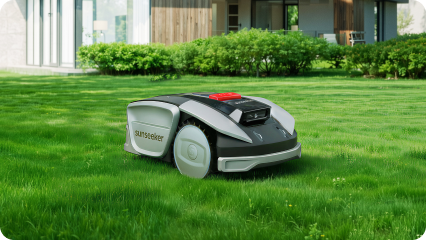
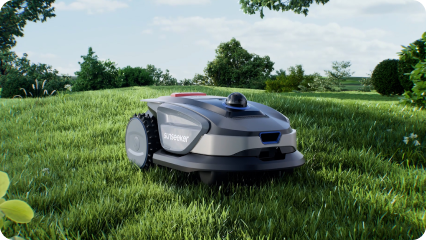
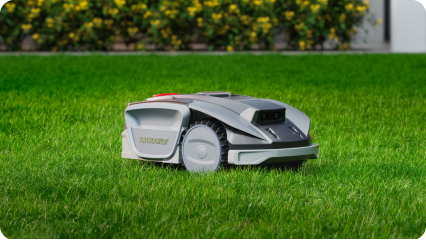
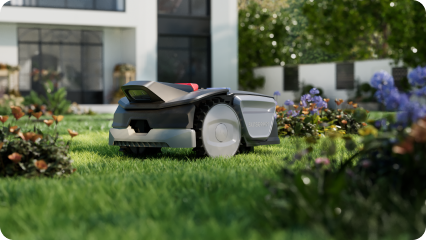
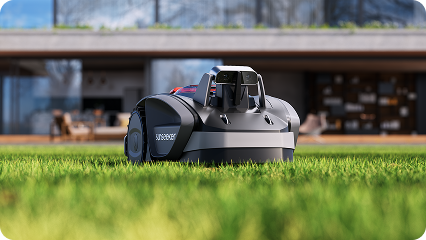
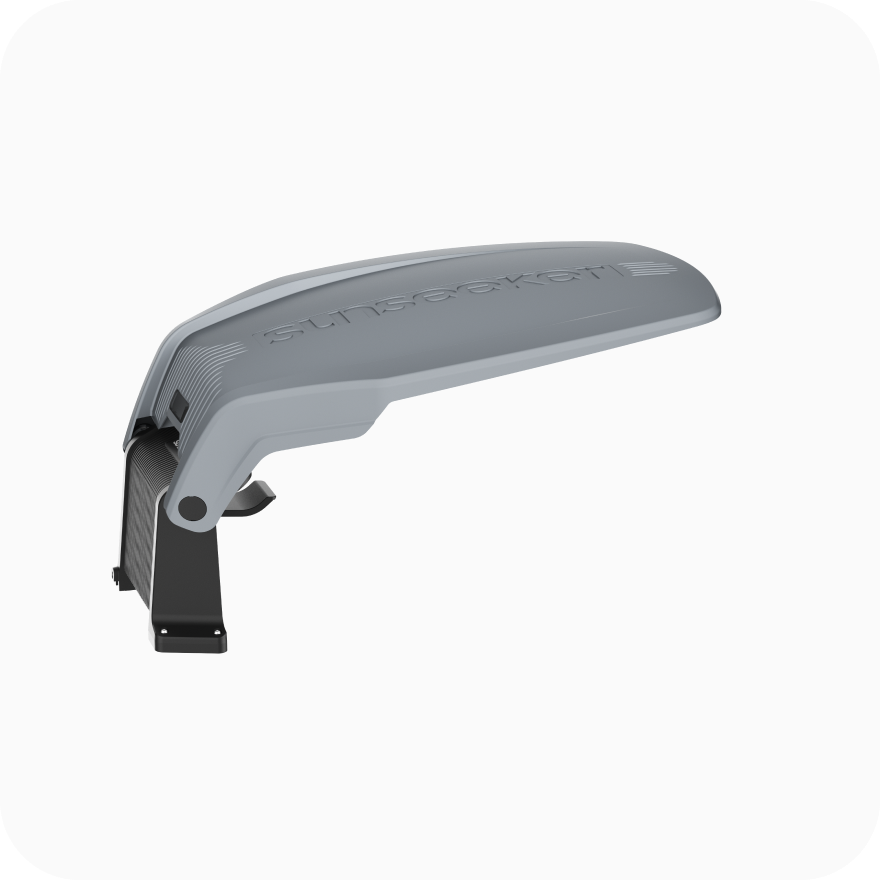
A repaired lawn fills in faster when it's mowed at a steady height.The Sunseeker S4 sets up without boundary wires or an antenna station. Connect it to Wi-Fi, and Truepilot™ AutoMapping uses 3D LiDAR and AI to map the yard. AllSense™ 3D Fusion sensing adds centimeter-level positioning and 360° obstacle avoidance, so the S4 can work around beds and borders and through passages as narrow as 80 cm.
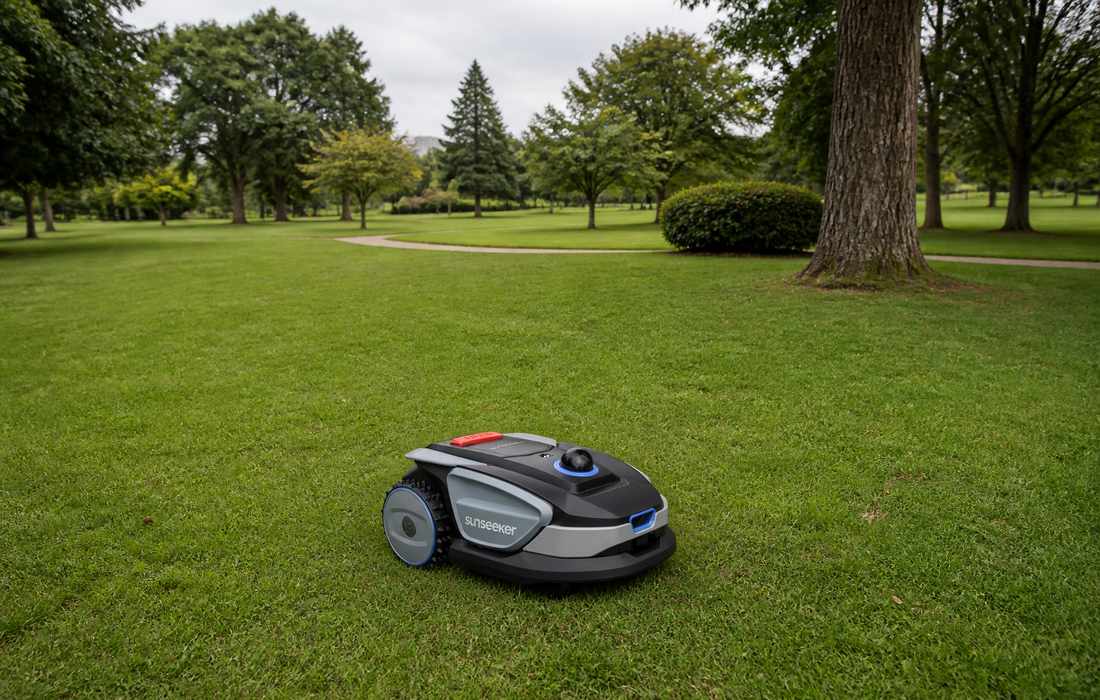
For a bigger yard or a different layout, browse the Robot Lawn Mowers rangeand compare models by lawn area, slope, and layout. Whichever you choose, weeds and bare patches will still need hands-on care.
Conclusion
Vinegar damage is usually local, not lawn-wide. Give the grass time to show whether its crowns survived, keep traffic and extra stress off the area, and reseed only where the turf is truly gone. For future weeds, pull scattered plants, use a labeled selective product on larger outbreaks, and keep the turf dense enough to crowd out newcomers. Those habits handle weeds better than any homemade spray, and the vinegar can go back in the pantry.
FAQ
Does Mixing Salt With Vinegar Increase Lawn Damage?
Yes. Salt can add further stress to grass and soil, and the mixture is not a selective lawn weed treatment. It can injure turf roots and make recovery harder. Do not use household mixtures on lawn weeds; identify the weed and choose a method designed for that species and grass type.
Can Vinegar Used on a Driveway Reach Nearby Grass?
Easily. Wind drift, runoff, and liquid flowing off pavement can all carry vinegar onto the grass along the edge, which is why damage often appears as a brown strip beside the driveway. Spray only on calm days, shield nearby plants, avoid applying right before rain or irrigation, and follow the label directions for your product.
Is Horticultural Vinegar Safer Than Household Vinegar?
No. Horticultural vinegar is stronger and can cause severe skin and eye injury. It is still nonselective and can damage lawn grass on contact. Use it only if the product is legally labeled for the intended site and follow all protective equipment and application directions; it is not a safer substitute for selective lawn weed control.