When to Stop Watering Lawn in Fall and Winter
If you're wondering when should I stop watering my lawn, the answer depends on your climate. Once daytime temperatures consistently stay below 4°C, which is enough for the ground to begin freezing, your lawn will naturally slow its growth and need less moisture than it did during the summer. At this point, you can begin reducing your watering schedule while monitoring local weather conditions.
In colder regions, watering usually ends when the ground begins to freeze, which is often around the third week of November. However, areas with early frosts may need to stop watering as early as late October. In warmer climates, lawns may still need watering until early December if conditions are dry.
Signs That You Should Stop Watering Your Lawn
When it comes to lawn irrigation, it's best to pay attention to your yard's needs instead of just guessing. Look for the following signs that indicate it's time to stop watering your lawn:
Once nighttime temperatures consistently fall below freezing, the soil gradually hardens and can no longer absorb water effectively. Continuing to irrigate at this stage provides little benefit because frozen ground prevents moisture from reaching the roots.
When your lawn no longer needs frequent mowing, it's a clear sign that the grass is using less water as it prepares for dormancy. Reduced growth is one of the most reliable indicators of when stop watering lawn. It's time to gradually scale back irrigation.
As daylight hours become shorter and temperatures continue to drop, your lawn may naturally lose some of its vibrant green color. A slight yellow or brown appearance combined with cooler temperatures and slower growth is usually part of natural dormancy rather than drought stress.
If regular fall rainfall is keeping the root zone moist, supplemental irrigation can be reduced or skipped. Check recent rainfall and soil moisture instead of continuing the same sprinkler schedule used during summer.
Cooler temperatures slow evaporation, so soil often stays moist for longer between waterings. If the root zone remains evenly moist for several days, extend the interval between irrigation cycles and reassess before watering again.
Does Grass Type Change When You Stop Watering?
Yes. Cool-season and warm-season grasses slow down at different times, so irrigation should not be reduced on the same schedule. Watch active growth, rainfall, and soil conditions rather than using one cutoff date for every lawn.
Cool-Season Lawns
Cool-season grasses often stay active through fall and may continue growing after summer heat has passed. Keep watering while the lawn is still growing and rainfall is not enough, then reduce irrigation as growth slows and cooler weather lowers water use.
In colder climates, watering can usually stop once the ground begins to freeze. Stopping immediately after the first frost may be too early if the roots are still active and the soil remains dry.
Warm-Season Lawns
Warm-season grasses begin slowing as temperatures fall and may enter dormancy well before winter. Once the lawn stops active growth, regular irrigation can usually be reduced sooner than with cool-season grass.
In mild climates, dormant grass may still need occasional water during long dry periods, especially if the soil stays unfrozen and rainfall is limited.
What Happens If You Stop Watering Too Early?
Not watering the lawn at the right time can cause more problems than most people think. While overwatering has its own risks, ending irrigation too early may leave your grass without the moisture it needs before winter begins. Here are some of the most common effects of stopping too soon:
When soil becomes too dry before winter, grass may experience stress, especially during a season with little rainfall. If you're unsure when should you stop watering your lawn, remember that stopping too soon can leave the turf vulnerable to thinning, dry patches, and reduced resilience before dormancy begins.
Even though grass grows more slowly in the fall, its roots are still actively storing nutrients before winter dormancy. If you stop watering too early, there may not be enough moisture in the soil for the roots to develop the strength they need to support healthy growth the following spring.
Grass that enters winter with insufficient moisture often takes longer to recover when temperatures rise. Instead of producing consistent new growth, some sections of the lawn may remain dull or patchy, resulting in an uneven appearance that takes weeks to improve fully.
How to Reduce Lawn Watering Before Stopping Completely
Stopping irrigation doesn't have to happen all at once. Gradually reducing the amount of water your lawn receives helps minimize stress and allows the grass to transition more naturally into dormancy as temperatures continue to drop. Here are three practical steps to help you do it:
1.Reduce Watering Frequency First
Instead of stopping irrigation all at once, gradually increase the time between watering sessions. If you usually water every 2–3 days, wait 5–7 days instead, as temperatures get cooler. This lets the soil dry out a little between waterings, but still provides enough moisture for the roots to prepare for winter.
2.Monitor Soil Moisture and Rainfall
Always check the soil before turning on your sprinklers. Insert your finger or a small trowel about 5–8 cm into the soil. If rainfall has already kept the root zone adequately moist, skip supplemental watering and continue reducing irrigation as the season goes on.
3.Water Only When the Lawn Needs It
Instead of following a fixed schedule, water the lawn only when it shows signs of needing additional moisture. As temperatures cool and rainfall increases, many lawns require less supplemental irrigation. This makes it easier to gradually reduce watering before winter.
While adjusting your watering routine is an important part of fall lawn care, mowing also plays a role in preparing your grass for winter. Mowing keeps the lawn at an appropriate height before dormancy sets in. On late-season mowing days,
watering grass after mowing should still depend on soil moisture and the forecast; the cut itself is not a reason to irrigate.
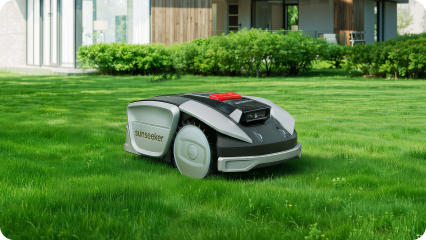
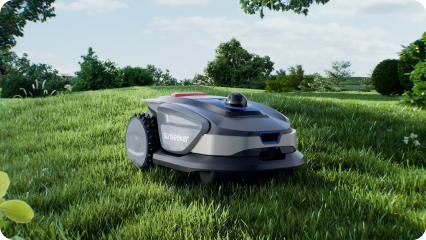
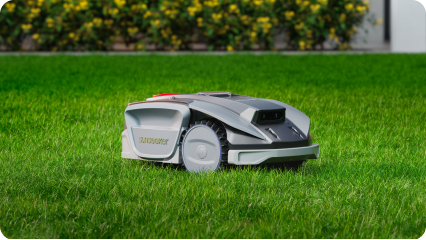
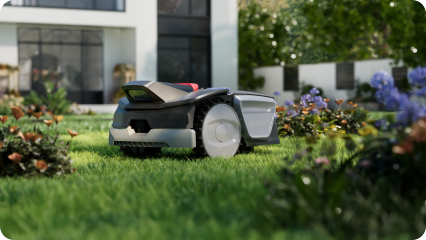
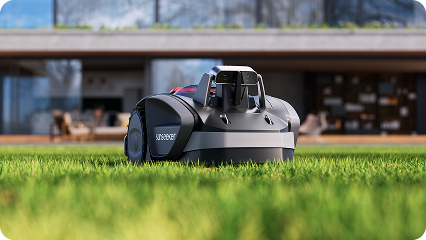
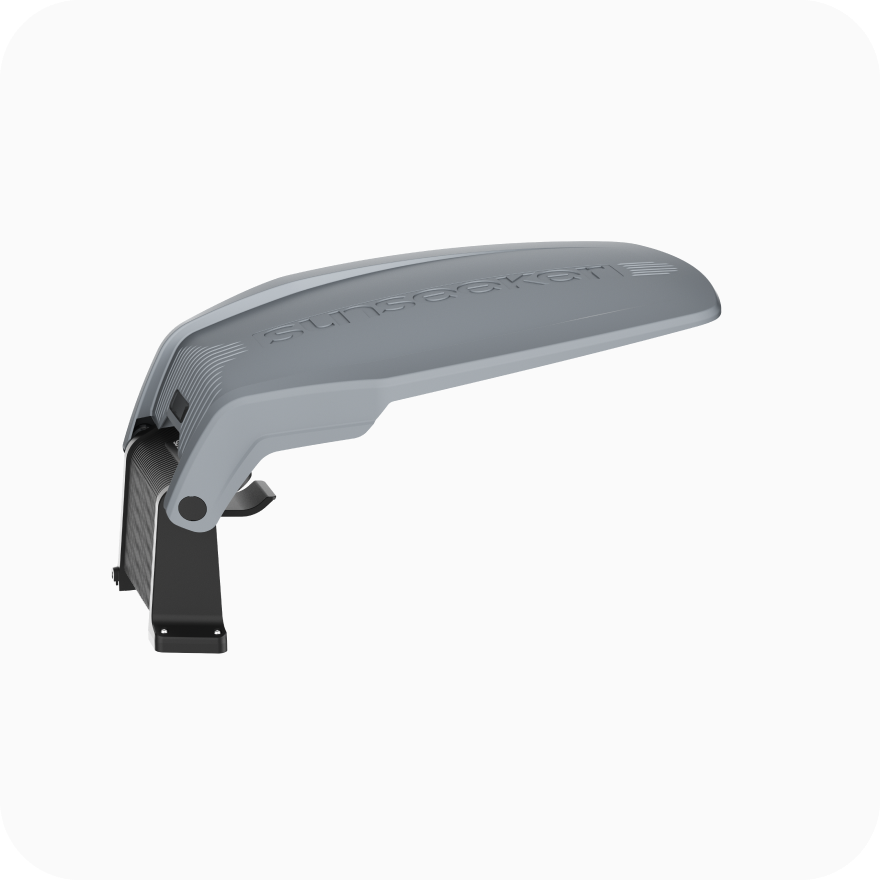
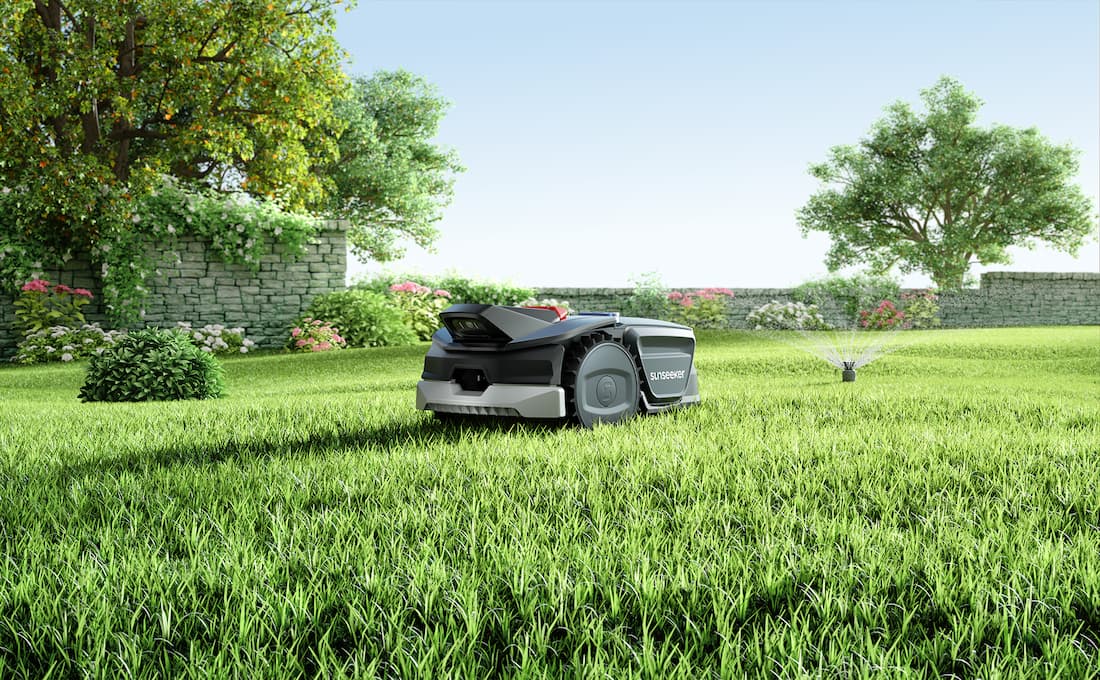
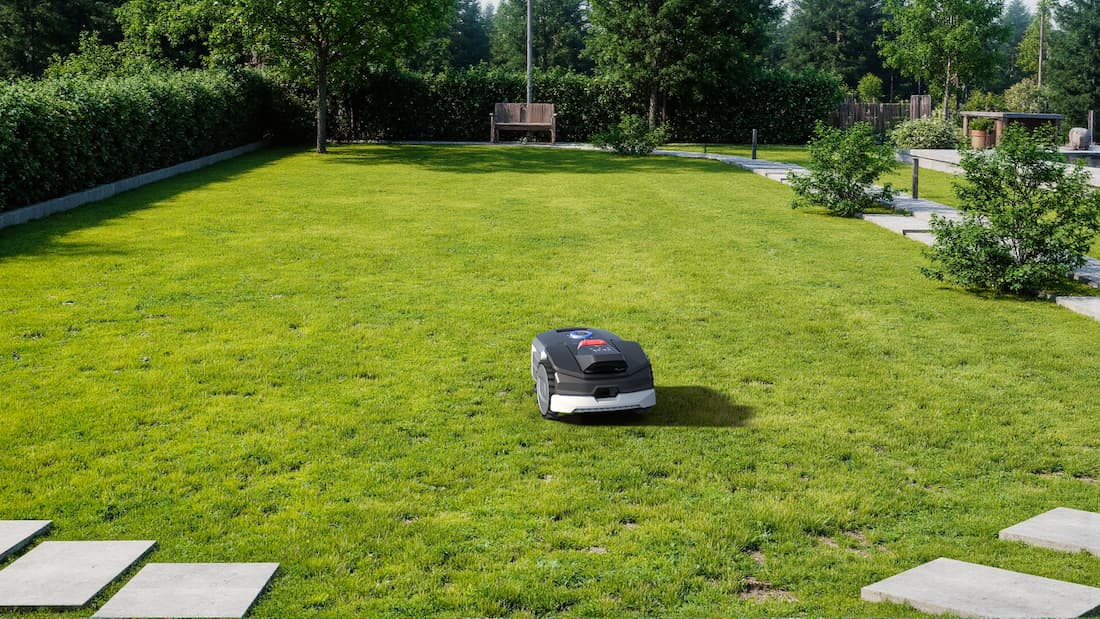
GPS robot mowers can make the job easier, and the
Sunseeker V1 is a great option. Its rain-sensing auto return pauses mowing when rain begins or the grass is wet, while the adjustable cutting height (20–50 mm) allows you to raise the cutting height to reduce stress on the grass.
![]()
Other Times You Should Pause Lawn Watering
Besides weather changes, there are other reasons to stop watering your lawn for a moment. You should also avoid watering immediately before a heavy rainstorm or when the soil is already saturated. Overwatering under these conditions can reduce the amount of oxygen around the roots, increase the risk of fungal diseases, and waste water. Knowing when to stop watering the lawn in these situations helps maintain healthier turf and use water more efficiently.
Conclusion
The goal isn't to stop watering on a specific calendar date, but to adjust irrigation according to seasonal changes, monitoring soil moisture, and recognizing signs such as slower growth or the ground beginning to freeze. At the end, you can confidently decide when to stop watering lawn without putting unnecessary stress on your grass.
FAQs
Should I still water my grass in September?
Yes, lawns in colder regions may require less watering toward the end of September if temperatures have already begun to drop. However, you should adjust your watering schedule based on rainfall, temperature, and soil moisture. If your area receives regular rainfall, gradually reduce irrigation instead of stopping it completely.
Do you need to water grass seed in October?
Yes, newly planted grass seed usually needs consistent moisture in October to support successful germination and early root growth. Keep the soil evenly moist without overwatering, and adjust the schedule according to rainfall and local temperatures. However, cool-season grass typically requires less frequent watering during this time.
Is it worth watering grass in the fall?
Yes, it is still beneficial to water your lawn in the fall because grass roots continue to grow even as blade growth slows. Continue watering until the ground freezes or there is enough natural rainfall. Gradually reducing irrigation during this time will help your lawn enter winter in better condition.
Should you stop watering your lawn after the first frost?
Not necessarily. A first frost does not mean the soil is frozen. If the ground is still workable and conditions remain dry, the lawn may still need moisture. Regular irrigation can usually stop once the soil begins to freeze or natural precipitation is keeping the root zone moist.
Should you water your lawn in winter if there is no snow?
If the soil is frozen, do not irrigate. In mild or snow-free winters with unfrozen soil, an established lawn may occasionally need water during a prolonged dry period. Check soil moisture and local conditions rather than watering on a fixed winter schedule.