Winter preparation is about more than just putting away your mower and waiting for spring. The timing of your last few cuts and when to stop mowing lawn can affect how well your lawn handles cold temperatures, moisture, and seasonal stress. In this article, we'll guide you through the best time to stop mowing, how short to cut your grass, and the final steps for caring for your lawn before winter arrives.
When Should You Stop Mowing Your Lawn and Why?
Most lawns are ready for their final mow between late October and early November, when daytime temperatures are consistently below 10°C and grass growth slows down. However, there is no fixed date for when should you stop mowing your lawn before winter. The right timing depends on your grass type, local climate, and seasonal conditions. If the grass is still growing, it should continue to be mowed.
Timing is important because stopping too early or too late can cause problems for your lawn. If you continue mowing after heavy frost, the grass may experience unnecessary stress. However, ending the mowing season too soon can leave the grass too long, which traps moisture and increases the risk of snow mold and other winter lawn diseases.
How to Know It's Time to Stop Mowing
As fall progresses, grass growth gradually slows and mowing becomes less frequent. Instead of relying on a specific date, it's better to watch for signs from your lawn. Below are some signs that can help you decide when to stop mowing lawn in fall: The same signs also guide mowing the lawn in winter in mild climates, where grass may keep growing after the usual autumn cutoff.
- Grass Stops Growing
If your lawn stays the same height for about a week after mowing, it's likely that grass growth has slowed for the season. This is one of the easiest ways to tell when should I stop mowing my lawn, as actively growing grass will still need regular cutting.
- Temperatures Stay Consistently Cool
When daytime temperatures consistently remain below 10°C, grass growth begins to slow significantly. Cool-season grasses may continue growing slowly, while warm-season grasses often stop growing and enter dormancy earlier.
- Frequent Frost Appears
Regular morning frosts are a strong indication that the growing season is ending. Once frost becomes common and you notice little to no new growth, your lawn is likely getting close to its final mow before winter.
How Short Should You Cut the Lawn for the Final Mow?
For the final mow before winter, keep your grass about 5–6 cm tall. This height helps reduce the risk of snow mold, trapped moisture, and matted grass during cold weather, while still leaving enough coverage to protect the roots. Avoid cutting the lawn too short, as this can weaken the grass before dormancy. You should also avoid mowing when the lawn is frozen or covered with heavy frost, because the blades become brittle and are more likely to break or suffer stress.
Key Steps for the Final Mows of the Season
The last few mowings before winter are a good time to prepare your lawn for the colder months ahead. Here are the key steps to take before storing your mower for the season:
Mow While the Grass Is Still Growing
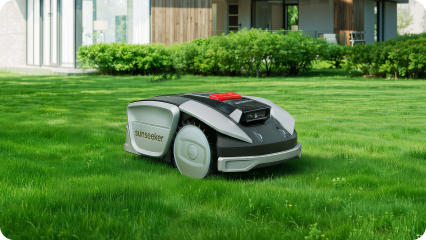
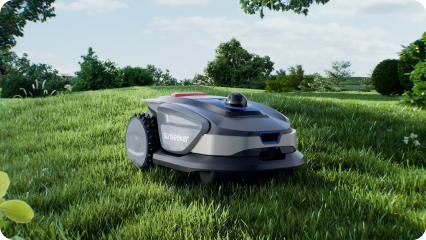
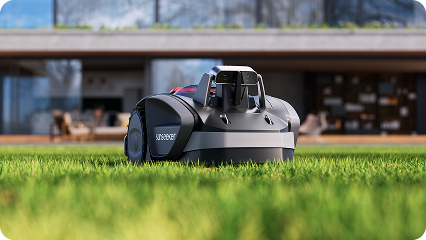
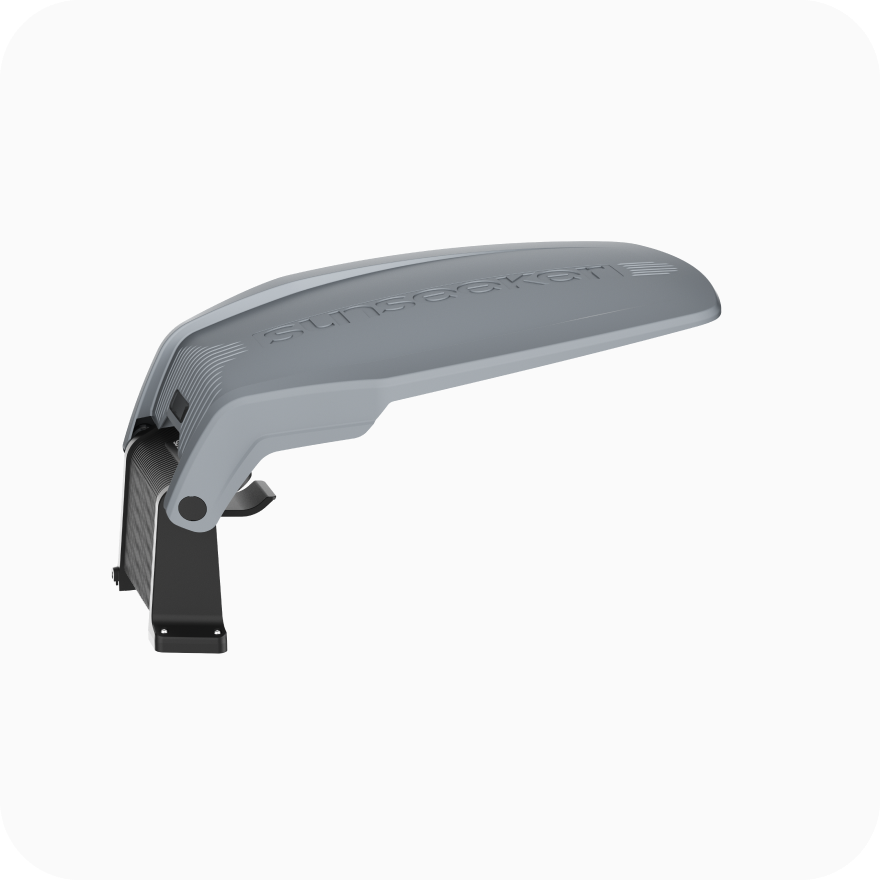
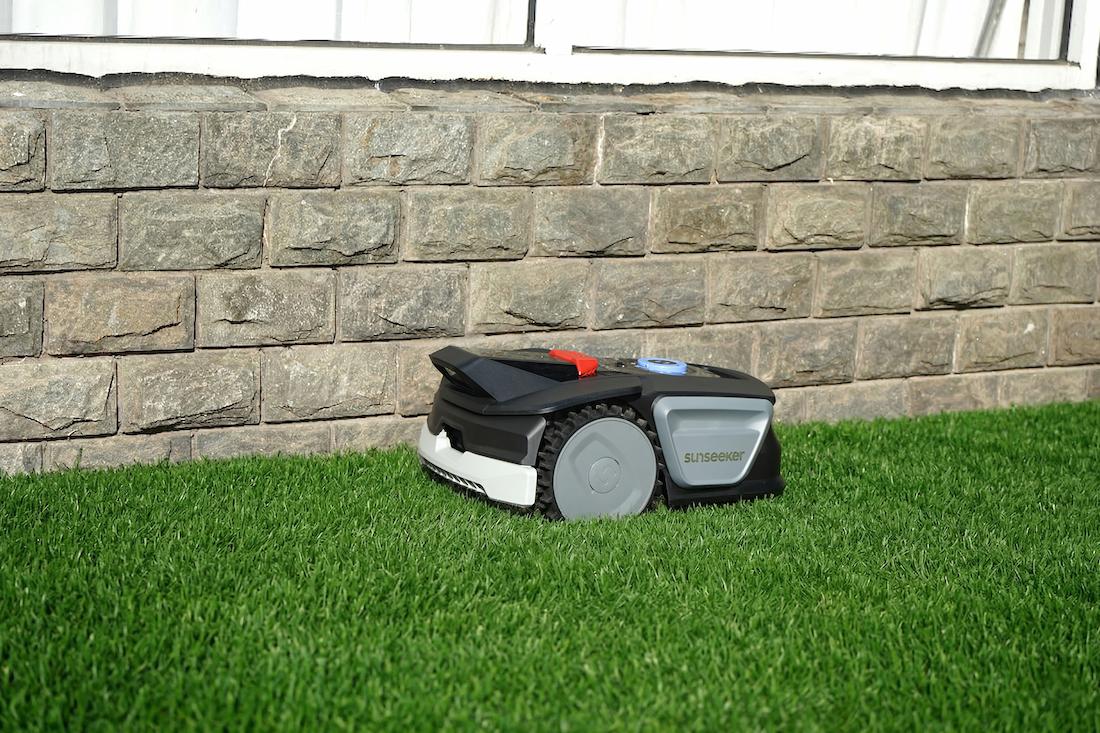
Continue mowing while the grass is still growing, even if growth has slowed. If you're unsure about when to stop mowing the lawn, wait until growth nearly stops and avoid cutting after heavy frost. Local noise rules still determine what time you can start mowing your lawn on those final autumn mowing days, and waiting until frost or heavy dew has dried also protects the turf. A mower with scheduling support, such as the Sunseeker V1, can help, but you should still base the final cut on grass growth and weather conditions.
Sharpen Your Mower Blades
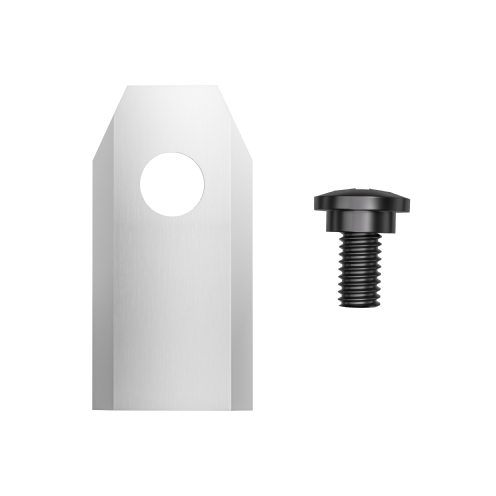
Sharpen your mower blades before the final mow to create a clean, even cut. Sharp blades cut grass cleanly, while dull blades tear the tips and leave them more vulnerable to disease during cold, wet weather.
Lower the Mowing Height Gradually
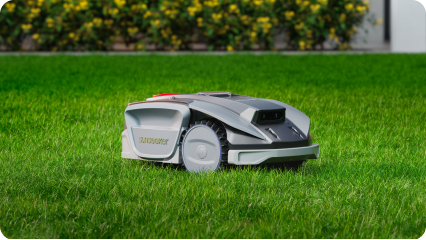
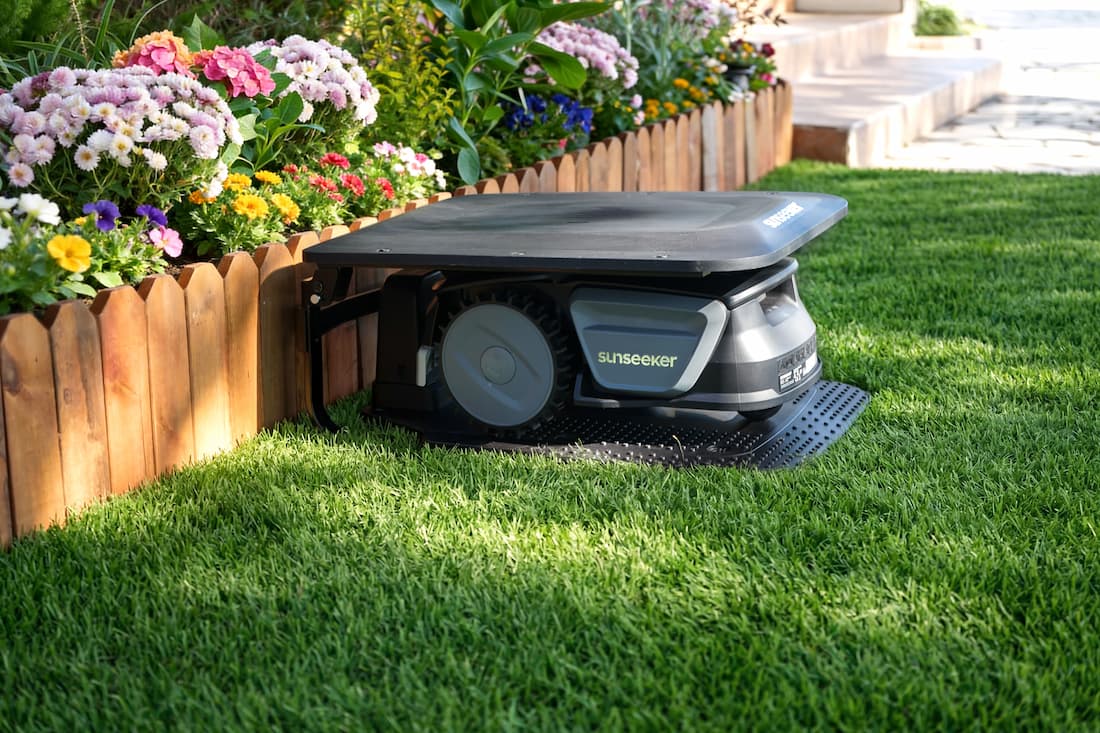
For the final mow, lower the cutting height gradually and keep cool-season grasses at 5–6 cm and warm-season grasses at around 5 cm. A mower with adjustable heights, such as the Sunseeker S3 with its 20–60 mm range, can help manage the last few mows of the season.
Remove Leaves and Debris
Clear away fallen leaves and other debris before winter arrives. Thick layers of leaves can block sunlight, trap moisture, and restrict airflow around the grass. These conditions may encourage mold, fungal diseases, and weaker grass in spring.
Other Lawn Care Tasks to Prepare for Winter
Mowing is only one part of preparing your lawn for winter. Combining mowing with these additional tasks can help your lawn recover more effectively once temperatures rise again:
- Aerate Compacted Soil
Before winter, aerate your lawn to loosen compacted soil and improve air, water, and nutrient flow to the roots. This creates a healthier foundation for growth in the next season.
- Apply Fall Fertilizer or Biostimulants
Feed your lawn with a fall fertilizer or biostimulant to support root development before dormancy sets in. The stored nutrients can promote stronger growth when temperatures warm up in the spring.
- Overseed Thin Areas
In the fall, overseed bare or thin patches to encourage thicker grass coverage. The cooler temperatures and favorable soil conditions help new seeds establish themselves more effectively before winter arrives.
Conclusion
Knowing when to stop mowing lawn helps protect it from winter stress. Once grass growth slows, temperatures stay consistently cool, and frost becomes more frequent, you can prepare for the final mow. Keeping the grass at the right height, clearing leaves, and completing basic winter lawn care will help support healthier growth when spring returns.
FAQs
What month should you stop cutting your grass?
Most homeowners stop mowing lawns sometime in late fall, typically between late October and early November. However, the exact timing depends on the type of grass, climate, and weather conditions. Rather than following a set schedule, continue mowing until grass growth slows significantly and daytime temperatures consistently remain below 10°C.
Is October too late to mow?
No, October is usually a normal time to continue mowing. Many cool-season grasses remain active throughout October and may require mowing into November in milder regions. The key is to monitor grass growth rather than the calendar. If the lawn is still growing, it will likely benefit from another cut.
Is it better to leave grass long or short for winter?
Before winter, it’s best to keep grass at a moderate height rather than leaving it too long or cutting it too short. Overly long grass can trap moisture and encourage snow mold, while grass that is cut too short may become stressed by cold temperatures. For most lawns, the ideal final mowing height is 5–6 cm.