A healthy, thick lawn starts with good timing. Knowing when to reseed lawn areas can make the difference between strong, even growth and patchy results. Reseeding at the right time encourages faster germination, stronger root development, and a lawn that can better withstand weeds, drought, and seasonal changes.
However, the best time to reseed depends on factors such as your grass type, local climate, and the condition of your existing lawn. Whether you are repairing bare patches, improving thinning grass, or giving your entire lawn a fresh start, following the right approach can greatly improve your chances of success.
This guide explains the ideal time to reseed, how to prepare your lawn, the correct reseeding steps, and the aftercare needed to support healthy, long-lasting growth.

How Do You Know Your Lawn Needs Reseeding?
Reseeding is usually the best option when your lawn has extensive damage that overseeding cannot fix. If around 30% to 50% of the lawn is covered with weeds, dead grass, or bare soil, starting over with reseeding often produces better results. You may also need to reseed if your lawn has been heavily damaged by insects or disease, or if you want to replace your current grass with a variety better suited to your climate.
Knowing when is the best time to reseed a lawn helps ensure the new grass establishes successfully and provides a fresh foundation for healthy, long-term growth.
When Is the Best Time to Reseed a Lawn?
The best time to reseed depends on the type of grass growing in your yard. Understanding when to reseed lawns starts with identifying whether you have cool-season or warm-season grass, as each has a different growing cycle. Reseeding during the right season helps seeds germinate faster, develop stronger roots, and establish before extreme weather arrives.
Best Timing for Cool-Season Grass
Cool-season grasses, including Kentucky bluegrass, tall fescue, and perennial ryegrass, are best reseeded in early fall, about 10 weeks before your area's first expected frost. This is the ideal answer to when to reseed lawn in fall, as warm soil and cooler air encourage faster germination, stronger root growth, and less competition from weeds.
If you miss the fall window, early spring is the next best option. However, spring-seeded grass has less time to mature before summer heat, making successful establishment more challenging.
Best Timing for Warm-Season Grass
For warm-season grasses such as Bermudagrass, zoysiagrass, centipedegrass, St. Augustinegrass, and buffalograss, when to reseed the lawn depends on seasonal temperatures. The ideal time is late spring to early summer, when nighttime temperatures remain around 21°C and frost is no longer a concern. These conditions promote quick germination and allow the grass to establish before cooler weather arrives. These temperature and frost checks also determine when the best time is to seed your lawn for a full renovation, since new grass still needs an active growth window before cooler weather arrives.
How to Prepare Your Lawn for Reseeding
While knowing when do you reseed your lawn is important, preparing the site properly is just as essential. Before reseeding, complete these key steps to improve seed-to-soil contact and encourage healthy root development.
1.Choose quality grass seed
Select a seed mix suited to your climate and avoid products containing weed seeds or unnecessary fillers.
2.Remove existing grass and weeds
Clear the area completely if you're reseeding the entire lawn.
3.Test and improve the soil
Check soil pH and nutrient levels, then add any recommended amendments.
4.Loosen the soil
Core aerate or till the soil 10-15 cm deep to improve air, water, and root penetration.
5.Prepare bare patches
Remove rocks or debris that could restrict root growth, then rake the soil smooth to ensure good seed-to-soil contact.
How to Reseed a Lawn Step by Step
Once you know when is the best time to reseed your lawn and have properly prepared the area, follow these steps to help the seeds establish successfully.
1.Remove old grass and weeds
Clear existing grass, weeds, and unwanted vegetation before planting. You can use a suitable herbicide or another removal method, then wait until the area is ready for reseeding.
2.Choose the right grass seed
Select a high-quality seed that matches your climate, lawn conditions, and sunlight exposure.
3.Prepare the soil
Remove debris, level the surface, and loosen compacted soil by raking or aerating. If needed, add soil amendments to improve growing conditions.
4.Spread the seed evenly
Apply the seed according to the recommended seeding rate to ensure uniform coverage.
5.Apply a starter fertilizer
Use a fertilizer formulated for new lawns to support early root development and healthy growth.
6.Water consistently
For anyone learning how to grow grass from seed, keep the upper soil layer evenly moist through germination without puddling or letting it dry, then reduce watering frequency gradually as seedlings establish.
7.Maintain the new lawn
Mow only after the grass reaches the recommended height, then continue watering and fertilizing as needed to encourage thick, healthy growth.
What Should You Do After Reseeding?
Proper aftercare is essential for helping new grass establish strong roots and grow into a healthy, long-lasting lawn. After reseeding, follow these steps:
1.Keep the soil consistently moist
Water lightly every day for the first two weeks to keep the soil damp but not waterlogged. As seedlings emerge, water less often but more deeply.
2.Protect young seedlings
Avoid foot traffic and remove fallen leaves carefully to prevent damage and maintain good airflow.
3.Fertilize at the right time
Apply a starter fertilizer about three weeks after germination, then make a second application around 10 weeks later before returning to your regular fertilizing schedule.
4.Wait before mowing
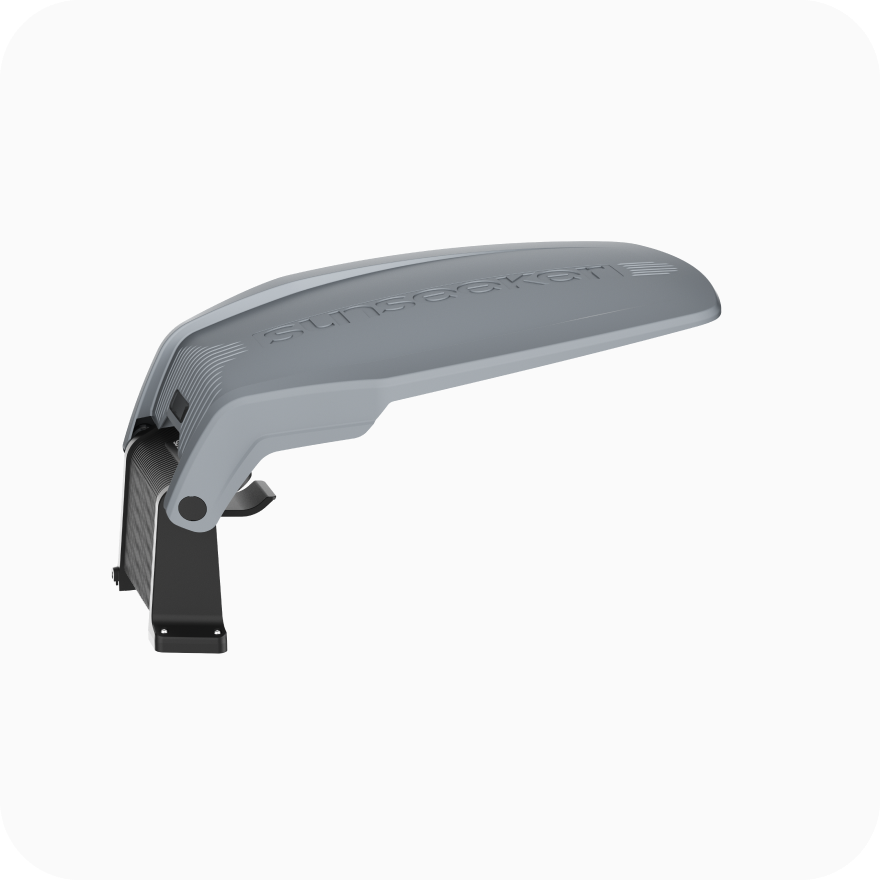
Allow the new grass to reach about 7.5 cm before mowing for the first time. Make sure the seedlings are firmly rooted, then follow normal mowing practices and remove no more than one-third of the blade height in one session. Once the lawn is fully established, the Sunseeker S4 can support ongoing care with wire-free navigation and scheduled mowing, helping maintain a consistent cutting routine with less hands-on work.

Conclusion
Knowing when to reseed lawn can make a significant difference in the health and appearance of your yard. Combined with proper soil preparation and careful aftercare, reseeding helps create a stronger, more resilient lawn. Once the grass is fully established, robot mowers with mulching blades offer a convenient way to maintain a neat lawn while recycling nutrient-rich clippings back into the soil.
FAQs
What month should you reseed your lawn?
For warm-season grasses, the best month to reseed is typically late spring to early summer when soil temperatures are warm and frost risks have passed. Cool-season grasses perform best when reseeded in early fall, about 10 weeks before the first expected frost. Spring is another option, but seedlings may struggle during summer heat.
Can I just throw grass seed down on an existing lawn?
Simply throwing grass seed over an existing lawn may not provide the best results because seeds often lack proper soil contact and may fail to germinate. For better growth, prepare the lawn first by aerating the soil and removing thatch if needed. Reseeding after proper preparation helps seeds reach the soil and develop stronger roots.
Is it better to overseed or reseed?
Overseeding is better for lawns that are mostly healthy but have thin areas, minor bare spots, or need improved density. Reseeding is the better choice when the lawn has severe damage, extensive weed growth, or more bare soil than grass. Choosing between the two depends on the lawn’s condition and how much repair is needed.