Keeping your lawn lush and healthy takes more than routine maintenance. As foot traffic and weather compact the soil, grass roots have a harder time accessing the oxygen, water, and nutrients they need to thrive. Aeration solves this problem by creating small openings in the soil, but success depends on when to aerate lawn. Choosing the right season helps your grass recover faster and grow stronger, while poor timing can reduce the benefits of the process.
Whether you have cool-season or warm-season grass, this guide covers the best aeration schedule, signs your lawn needs attention, the different aeration methods available, and practical aftercare tips to keep your yard looking its best.
What Is Lawn Aeration?
Lawn aeration is the process of creating small holes in the soil to improve the movement of air, water, and nutrients to the grass roots. This is typically done by removing small soil plugs (core aeration) or punching holes into the ground (spike aeration). Aeration helps relieve soil compaction, which can restrict root growth and prevent the lawn from absorbing essential resources.
It also reduces the effects of excessive thatch, allowing roots to grow deeper and stronger. While both methods improve soil access, core aeration is generally more effective because it loosens compacted soil without causing additional compaction.
How Do You Know If Your Lawn Needs Aeration?
Your lawn may need aeration if the soil has become compacted or is preventing water, air, and nutrients from reaching the roots. Watch for these common signs:
Hard, compacted soil
A screwdriver or pencil is difficult to push more than 5 cm into the ground.
Excessive thatch
The thatch layer is thicker than 1.3 cm, restricting airflow and moisture.
Water pooling
Rain or irrigation leaves puddles instead of soaking into the soil.
Thin or patchy grass
Grass struggles to grow evenly despite regular watering and fertilizing.
If you notice one or more of these signs, aerating at the right time for your grass type can help restore a healthier lawn.
When Should You Aerate Your Lawn?
If your lawn shows signs of compaction or poor growth, you may wonder when is the best time to aerate your lawn. The answer varies by grass type and growing season, as explained below.
Best Timing for Cool-Season Grass
Cool-season grasses, such as Kentucky bluegrass, tall fescue, and perennial ryegrass, are best aerated in late summer to early fall (August through October) while they are actively growing. This timing promotes faster recovery and stronger root development before winter. If you miss the fall window, early spring is a secondary option, but avoid aerating during the heat of summer.
Best Timing for Warm-Season Grass
If you're wondering when to aerate your lawn, warm-season grasses like Bermuda, Zoysia, and St. Augustine are best aerated in late spring to early summer (May through early July). Aerating during active growth speeds recovery and strengthens the lawn. Avoid aerating in late fall or winter when the grass is dormant.
Which Lawn Aeration Method Should You Use?
Timing is essential, but it's not the only factor to consider. Once you know when do you aerate your lawn, choosing the right aeration method can further improve your lawn's health and long-term growth.
Core Aeration
Core aeration is a method for relieving deep soil compaction. It works by using hollow tines to remove small plugs of soil from the lawn, creating openings that allow air, water, and nutrients to move deeper into the root zone. These holes also give roots more room to expand and grow stronger. Regardless of when should you aerate your lawn, core aeration is the best choice for most lawns, especially those with clay or compacted soil.
Spike Aeration
Spike aeration creates holes in the soil without removing any material, making it an affordable and DIY-friendly option. It works best for lawns with light compaction or sandy soil. However, because it pushes soil aside rather than removing it, it may increase compaction around the holes over time.
Liquid Aeration
Liquid aeration uses a soil-loosening solution sprayed across the lawn to improve soil porosity without removing soil plugs. While results take longer than core aeration, it can enhance water and nutrient absorption over time. It's best suited for routine lawn maintenance and minor soil compaction.
How to Aerate Your Lawn Step by Step
Once you have selected the right method, the steps below show how to aerate a lawn without missing compacted areas or damaging buried fixtures.
Check your lawn.
Test for soil compaction by pushing a screwdriver into the ground. If it won't penetrate about 10–15 cm easily or the thatch layer exceeds 1.3 cm, your lawn will likely benefit from aeration.
Prepare the lawn.
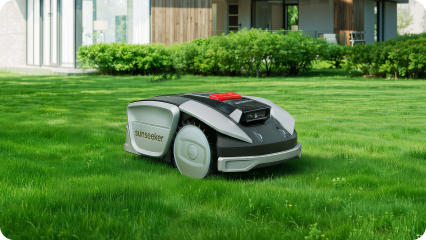
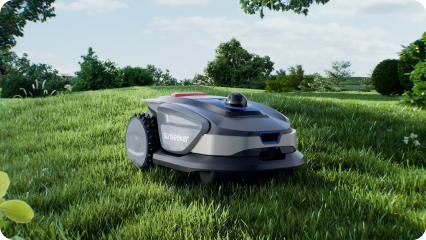
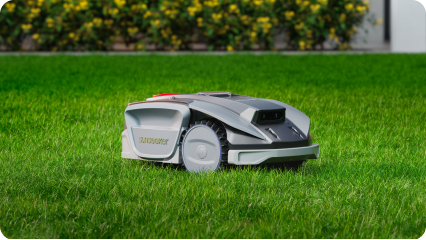
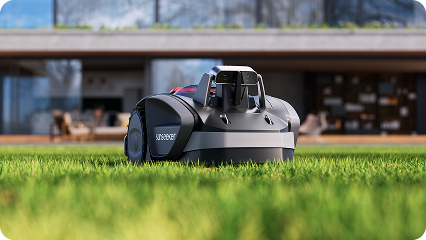
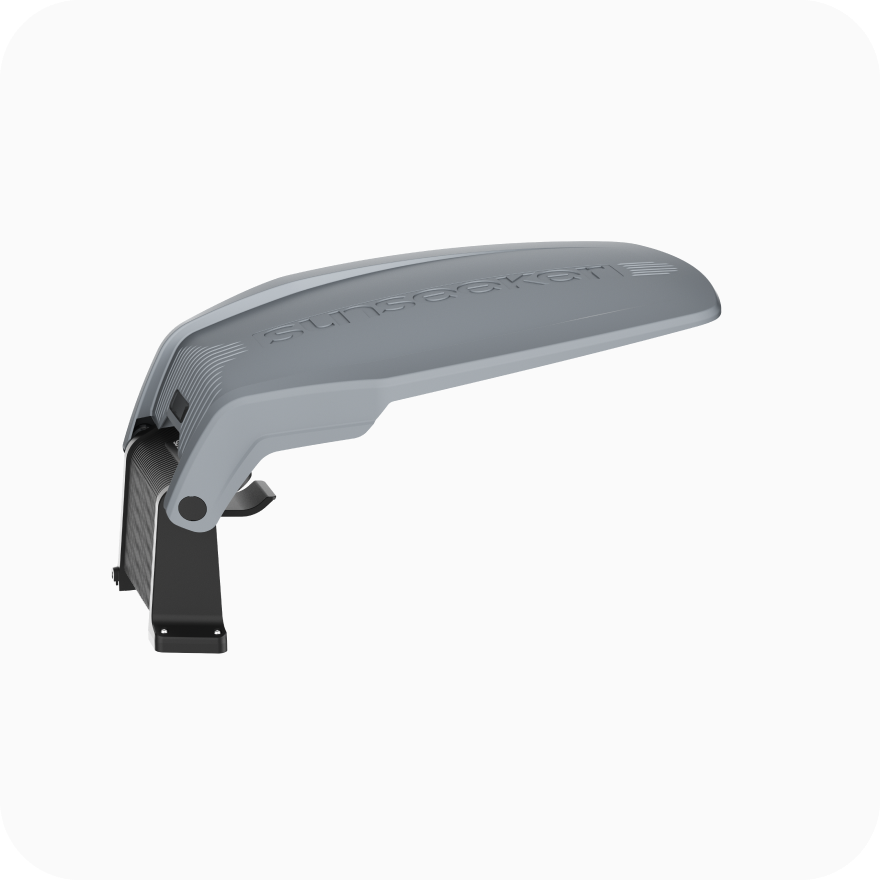
Mow the grass with mowers like the Sunseeker V1 to about 5 cm, remove debris, and mark sprinkler heads or other hidden obstacles. If the soil is dry, water the lawn lightly one to two days before aerating.
Choose the right equipment.
A core aerator is the best option for most lawns. Manual aerators work well for small areas, while powered machines are more efficient for larger yards. Adjust the working depth according to the soil conditions.
Aerate evenly.
Make slow, overlapping passes across the lawn in two directions for complete coverage. Lift the aerator when turning to avoid damaging the turf, and focus extra attention on high-traffic areas.
Leave the soil plugs.
If you're using a core aerator, leave the plugs on the lawn. They will naturally break down over time, returning nutrients and organic matter to the soil.
Water and fertilize.
Water the lawn thoroughly after aerating. If you're planning to overseed or fertilize, do so immediately afterward to improve seed-to-soil contact and help nutrients reach the roots more effectively.
What Should You Do After Aerating?
Proper aftercare helps your lawn recover faster and get the full benefits of aeration. Follow these essential steps:
Water deeply
Keep the top 2.5 cm of soil consistently moist for the first 2–3 weeks.
Overseed and fertilize
Apply grass seed and starter fertilizer immediately after aerating for better germination and root growth.
Limit foot traffic
Avoid heavy use for 1–2 weeks to protect recovering grass.
Leave soil plugs
Let them break down naturally to return nutrients to the soil.
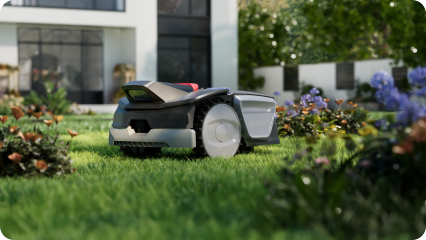
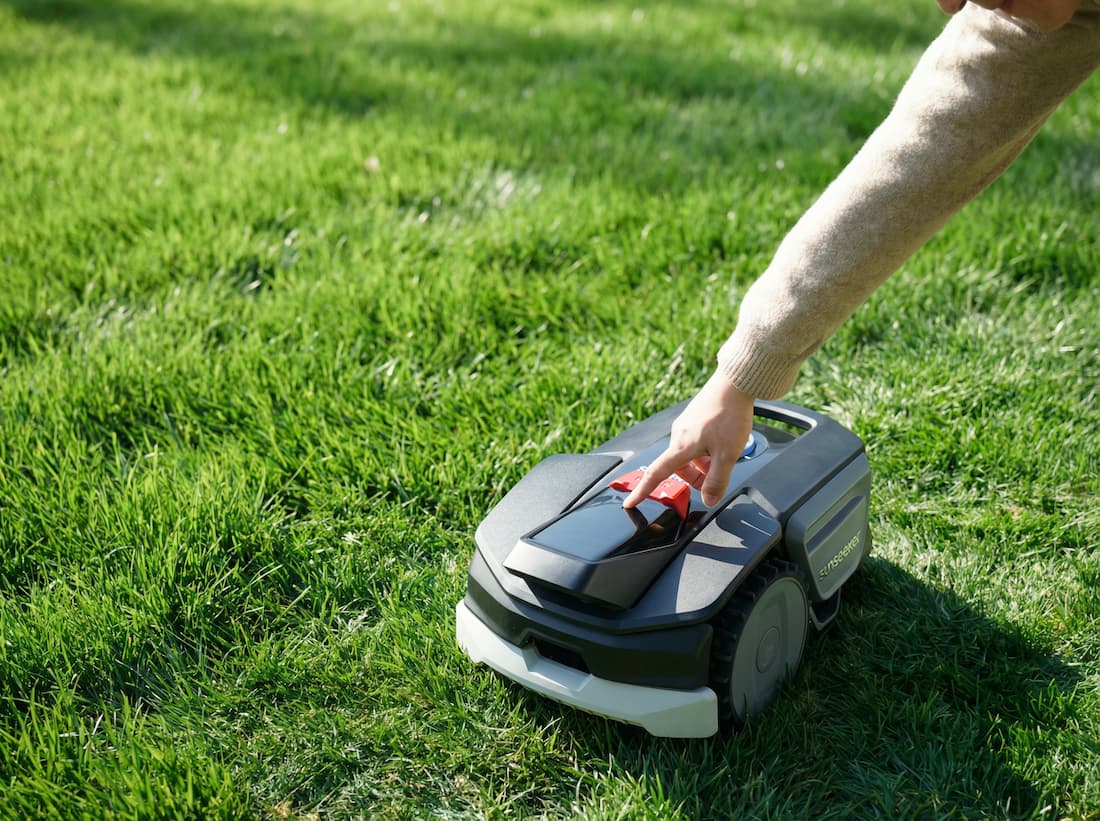
- Mow carefully: If seed was added, when to mow after aeration and seeding depends on the new grass reaching its normal mowing height and rooting firmly; elapsed days alone are not enough. For easier maintenance, robot lawn mowers without perimeter wires can help maintain consistent cutting while reducing stress on newly recovering turf.
Maintain your lawn
Continue proper watering, mowing, fertilizing, and weed control to keep your lawn healthy.
Conclusion
A well-timed aeration can make a noticeable difference in your lawn’s overall health and appearance. Understanding when to aerate lawn helps prevent soil compaction and allows air, water, and nutrients to reach the roots more effectively. Whether you choose core, spike, or liquid aeration, proper preparation and follow-up care are key. With consistent maintenance, your lawn can develop deeper roots, stronger growth, and better resistance.
FAQs
Can you aerate your lawn too early?
Aerating your lawn too early can reduce its benefits. If the grass is not actively growing, the holes may stay open longer, giving weeds a chance to establish. For most lawns, wait until the recommended growing season for your grass type. In many regions, late spring is a better time than early spring for warm-season grasses.
How often should you aerate your lawn?
How often to aerate lawn depends largely on your soil type and how compacted it becomes. Most lawns benefit from aeration once a year. Lawns with heavy clay soil may need aeration twice a year if compaction is severe, while sandy or loamy soils often require it less frequently because they naturally allow better airflow, water, and nutrient movement to the roots.
Should you put grass seed down after aerating?
Yes, applying grass seed after aerating is one of the best ways to improve germination. The aeration holes help seeds settle into the soil, creating better seed-to-soil contact and protecting them from being washed away. Overseeding immediately after aeration can fill thin or bare areas, resulting in a thicker, healthier, and more resilient lawn.
Should you pick up plugs after aerating?
No, you generally should not pick up the soil plugs after aerating. Leave them on the lawn to break down naturally, returning nutrients to the soil and improving its structure. Keeping the lawn watered helps the plugs decompose faster. If you overseed after aerating, avoid removing the plugs, as doing so can disturb seed germination and reduce the effectiveness of overseeding.