If you're replacing a lawn mower battery or shopping for a new electric mower, voltage is one of the first specs worth understanding. What voltage should a new lawn mower battery have depends on the type of mower you're running, but getting it right affects everything from runtime to cutting performance. This guide covers the most common voltage ranges, how to test what you've got, and what to do to keep your battery in good shape long term.
What Are the Most Common Lawn Mower Battery Voltages?
Lawn mower batteries come in a range of voltages depending on the mower type and intended use. Here's a quick overview of what you're likely to encounter.
|
Mower Type
|
Typical Battery Voltage
|
|
Ride-on / lawn tractor
|
12V (lead-acid)
|
|
Corded electric mower
|
No battery
|
|
Battery-powered push mower
|
40V, 56V, 80V
|
|
Robotic mower
|
18V, 24V, 28V
|
|
Commercial battery mower
|
80V+
|
- 12V lead-acid batteriesare standard on gas-powered riding mowers and lawn tractors. They don't power the cutting blade directly but handle the starter motor and electrical systems. A healthy 12V battery should read around 12.6V when fully charged.
- 40V to 80V lithium-ion batteriesare found in most battery-powered push and self-propelled mowers. Higher voltage generally means more power and longer runtime, which is why 56V and 80V models have become popular for larger residential lawns.
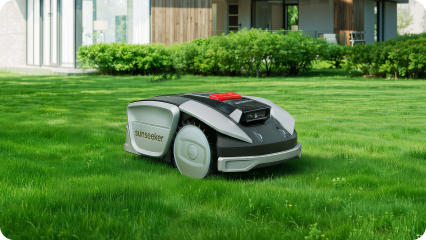
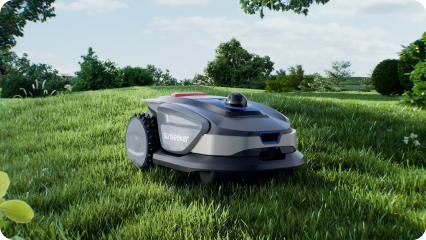
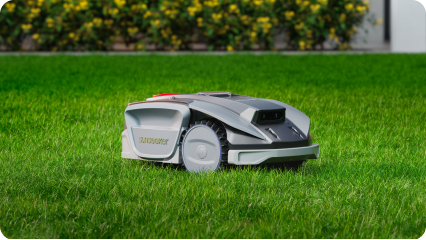
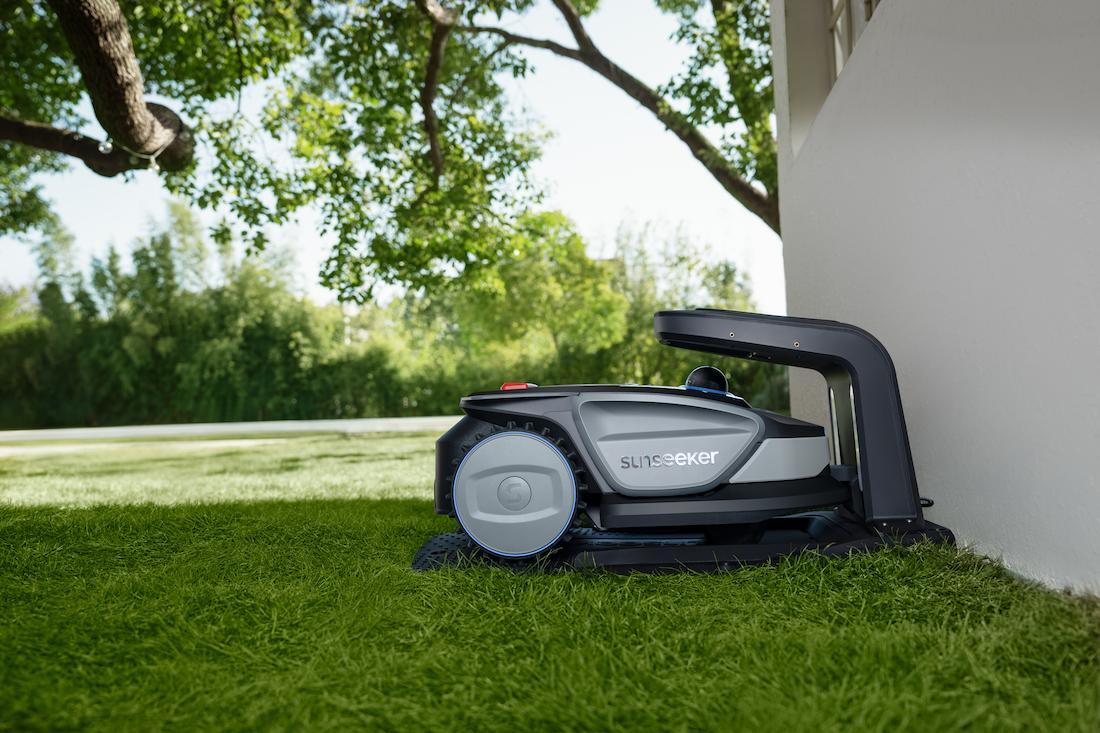
- Robotic mowerstypically run on lower-voltage lithium packs, usually in the 18V to 28V range. Because they operate continuously at low load rather than in short high-power bursts, they don't need the same voltage levels as push mowers.
Understanding how many volts is a lawn mower battery in your specific model is important before purchasing a replacement. Using a battery with the wrong voltage can damage the mower or result in significantly reduced performance. If you're unsure, checking the label on your existing battery is the quickest way to confirm.
How to Test the Voltage of a Lawn Mower Battery?
Testing battery voltage is straightforward and only requires a basic multimeter, which you can pick up at any hardware store for under $20.
For 12V lead-acid batteries on riding mowers:
1.Set your multimeter to DC voltage and select a range above 12V.
2.Connect the red probe to the positive terminal and the black probe to the negative terminal.
3.Check the reading: a fully charged battery should read between 12.6V and 12.8V.
4.A reading below 12.0V suggests the battery is partially discharged or aging.
5.Anything under 11.8V at rest usually means the battery needs replacing.
For lithium-ion batteries on push or robotic mowers:
1.Follow the same probe setup as above.
2.A 40V lithium battery will typically read around 42V when fully charged and closer to 36V when depleted.
3.Check your mower's manual for the specific charge and discharge voltage range for your model.
If your battery reads within a normal range but the mower still struggles to start or loses power quickly, the issue may be internal cell degradation rather than simple voltage loss. In that case, a replacement is usually the more practical solution. For robotic mowers, make sure the charging station is positioned within reach of the mowing area. If the distance is a limitation, a Charging Station Extension Cable can help without affecting charging performance.
Why Is Battery Voltage Important for Your Lawn Mower?
Voltage determines how much electrical energy the battery can deliver to the motor at any given moment. For lawn mowers, this translates directly into cutting power, startup reliability, and runtime.
Low Voltage Means Less Cutting Power
A battery running below its optimal voltage puts extra strain on the motor. The mower may start slowly, bog down in thick grass, or shut off unexpectedly mid-mow. Over time, consistently running a low-voltage battery accelerates wear on both the battery cells and the motor itself.
Stable Voltage Helps in Tough Grass
What volt is a lawn mower battery matters most when you're dealing with dense or overgrown grass. A fully charged battery at the correct voltage handles tough conditions without dropping performance. A weak or incorrect battery struggles with the same workload and degrades faster as a result.
Proper Voltage Improves Cold Starts
For riding mowers, a healthy 12V battery also ensures the starter motor engages reliably. Cold weather is particularly hard on lead-acid batteries, and a battery that reads fine in summer may not have enough voltage to start the mower after sitting through winter.
Correct Voltage Matters for Replacements
Matching replacement batteries to the correct voltage spec is equally important. How many volts are in a lawn mower battery varies by model, so always cross-check the voltage, amp-hour rating, and connector type before purchasing a replacement.
Tips to Maintain and Extend the Life of Your Lawn Mower Battery
If you're wondering how long do lawn mower batteries last, the answer depends heavily on battery type, usage, charging habits, and storage conditions. Good battery habits make a noticeable difference in battery lifespan and how consistently it performs.
Charge After Every Use
Knowing how to charge a mower battery correctly starts with using the recommended charger and connecting it after each mow. Lithium-ion batteries perform best when they're not left in a partially discharged state for extended periods. This habit keeps the battery topped up and reduces the risk of deep discharge, which shortens cell life.
Store at a Partial Charge in the Off-Season
For long-term storage, most lithium battery manufacturers recommend storing at around 50 to 60 percent charge rather than full or empty. A fully charged lithium battery held in storage for months degrades faster than one kept at a moderate charge level.
Keep the Battery Out of Extreme Temperatures
Heat accelerates chemical breakdown inside battery cells, and freezing temperatures reduce capacity significantly. Store batteries indoors during winter and avoid leaving the mower sitting in direct sunlight for extended periods during summer.
Clean the Terminals Regularly
Corrosion on battery terminals increases resistance and reduces the efficiency of the charge. A quick wipe with a dry cloth or a light application of terminal protector spray keeps the connection clean.
Use the Right Charger
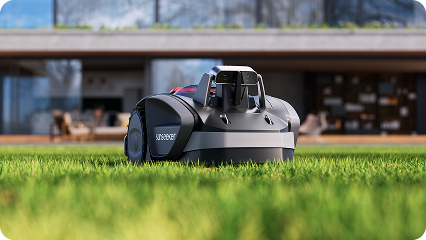
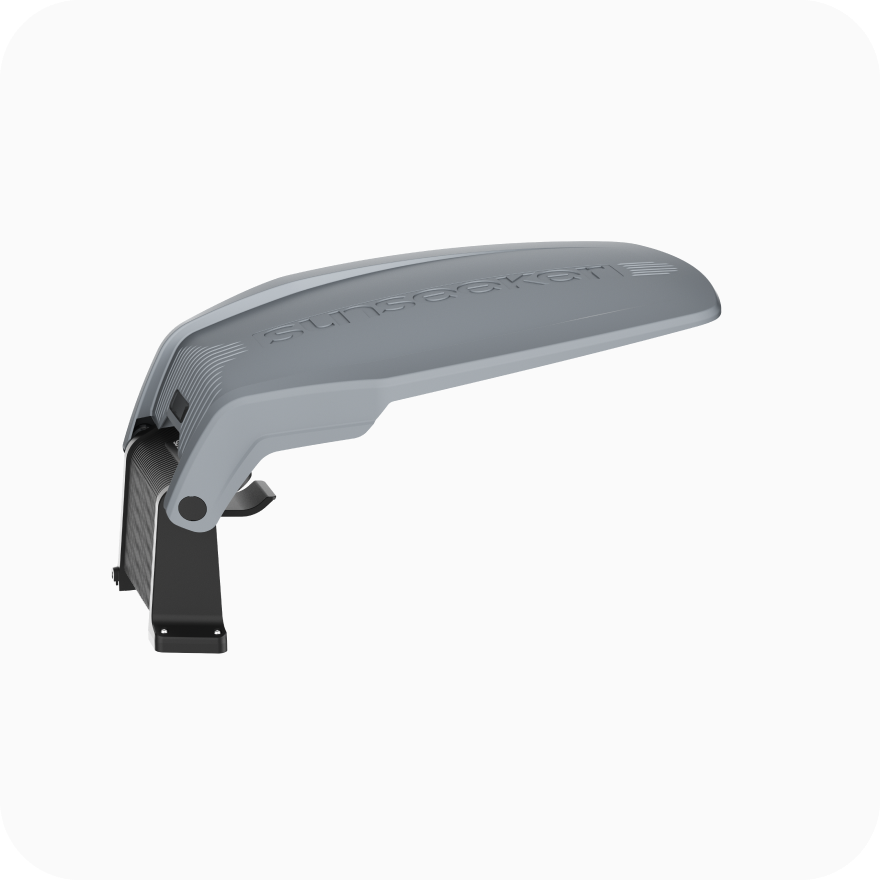
For robotic mowers and battery-powered models, using the manufacturer's recommended charger matters more than most people realize. Third-party chargers may not regulate voltage correctly, which can lead to overcharging or uneven cell charging over time. If you're in the market for a reliable robotic mower with a dedicated charging setup, the Sunseeker S4 is worth looking at.

Conclusion
So, what voltage should a new lawn mower battery have? Riding mowers typically use a 12V lead-acid battery, while battery-powered push mowers run on 40V to 80V lithium packs, and robotic mowers operate in the 18V to 28V range. Knowing how many volts are lawn mower batteries in your specific model helps you buy the right replacement and diagnose performance issues before they become bigger problems. Pair the correct voltage with good charging habits and proper storage, and your battery will stay reliable season after season.
FAQs
What is a good voltage for a lawn mower battery?
It depends on the mower type. For riding mowers, a healthy 12V lead-acid battery should read between 12.6V and 12.8V when fully charged. For battery-powered push mowers, 40V to 80V lithium packs are standard, with higher voltages generally delivering more power and runtime. Robotic mowers typically use 18V to 28V packs. In all cases, the right voltage is the one specified by your mower's manufacturer, as using an incorrect voltage can damage the motor or reduce performance.
How to tell if a lawn mower battery is bad?
The most reliable way is to test it with a multimeter. For a 12V battery, a resting voltage below 11.8V usually indicates a failing battery. Other signs include the mower struggling to start, losing power quickly under load, or the battery not holding a charge after a full charging cycle. Physical signs like swelling, leaking, or visible corrosion on the terminals also indicate the battery needs replacing.
What should a 12 volt lawn mower battery read?
How many volts is lawn mower battery when healthy: a fully charged 12V lead-acid battery should read between 12.6V and 12.8V at rest. During cranking, voltage will drop temporarily, but should recover quickly once the engine starts. A reading below 12.0V at rest suggests the battery is undercharged or aging. If the battery reads below 11.8V after a full charge, it's likely at the end of its useful life and should be replaced.
Can you charge a lawn mower battery with a 12 volt charger?
Yes, a 12V charger is compatible with 12V lead-acid batteries found in riding mowers and lawn tractors. Use a charger rated for the battery's amp-hour capacity and look for one with an automatic shutoff to prevent overcharging. Avoid using a 12V charger on lithium-ion batteries found in push or robotic mowers, as these require a charger matched to their specific chemistry and voltage range. Using the wrong charger can damage the battery or create a safety risk.