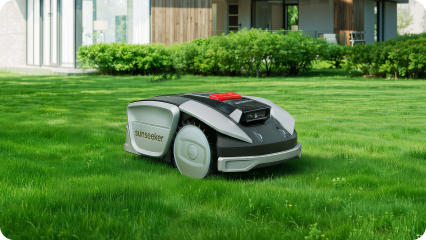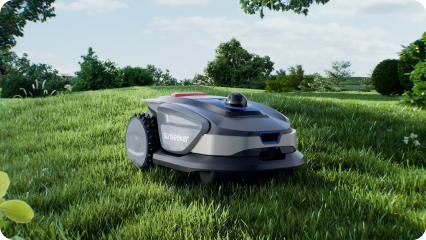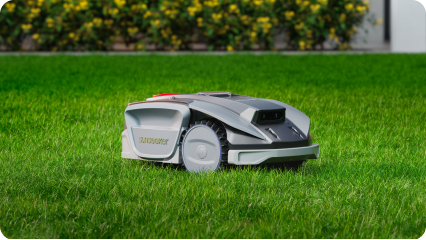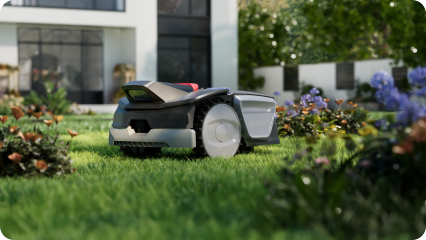
Assessing Your Lawn First
Before browsing models, invest some time in a thorough lawn assessment. This foundational analysis acts as your personal checklist, highlighting the specific capabilities your future robotic partner must have.
1. Accurately Measuring Your Lawn's Size
Precision is key here. Avoid rough estimates by using a digital tool like a satellite mapping service to measure the total grassy area you want maintained. Remember to subtract spaces taken up by your home, driveway, patios, and large garden beds. Also, note if your lawn is a single continuous area or divided into separate zones, such as a front and back yard.
This final square footage is the primary number you will use to filter your options. It is wise to select a model rated for an area at least 20 to 30 percent larger than your calculation. This buffer accounts for obstacles and ensures the mower can complete its task efficiently without overextending its battery.
2. Evaluating Terrain and Slopes
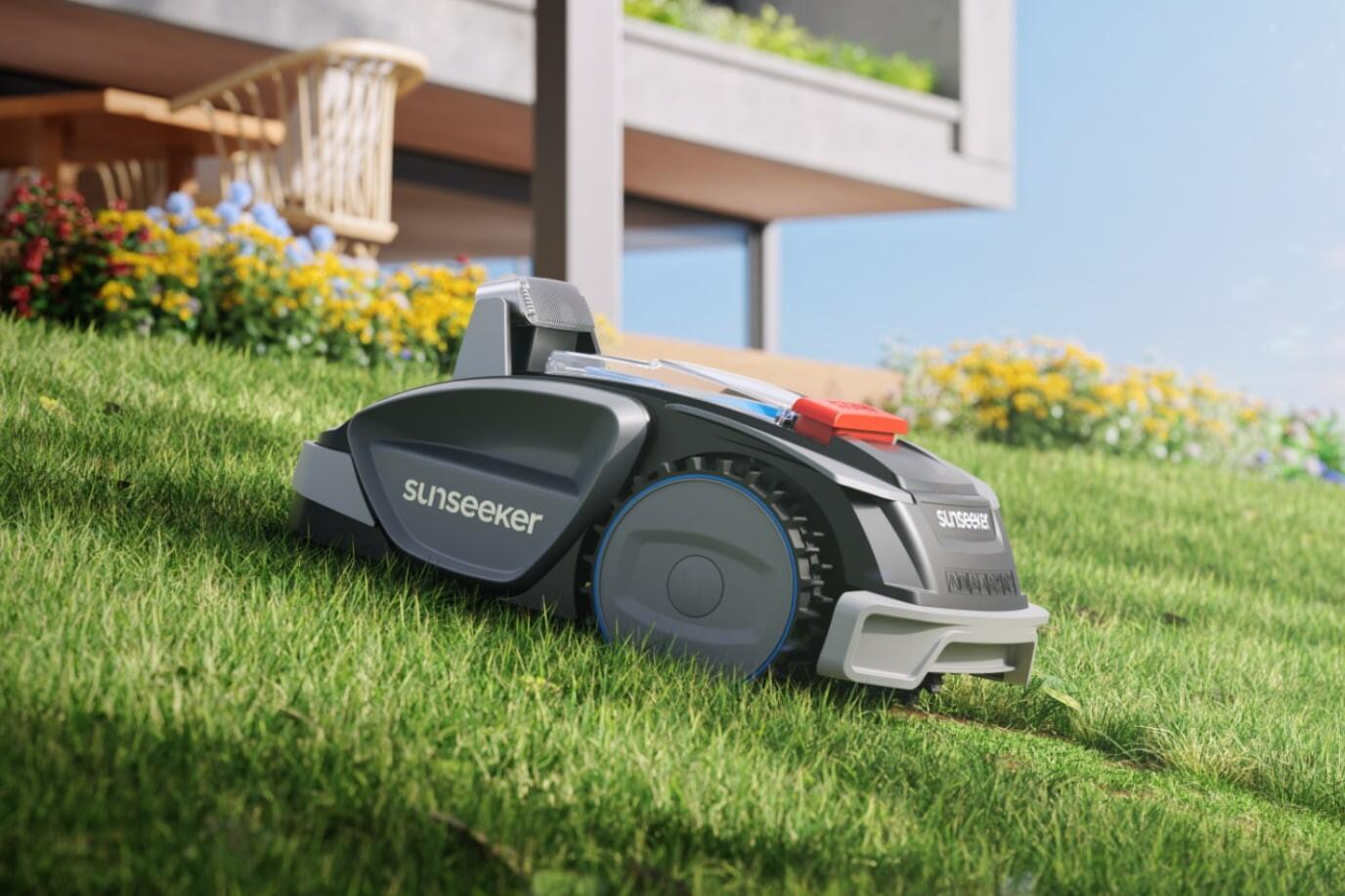
The shape and incline of your lawn play a major role in choosing the right robotic mower. Begin by evaluating how steep your yard is, paying close attention to both general working slopes and the gradients near edges or boundaries. Many models have different limits for open areas versus perimeter zones, which matters when slopes run alongside borders, obstacles, or no-go areas.
A smartphone level app or a digital inclinometer can provide reliable results. Check several locations across the lawn, especially the steepest sections, to ensure the mower you choose can operate safely and consistently.
3. Checking Layout of Courtyard
Next, analyze the layout. Check the width of any narrow passages between fences or garden beds to ensure a mower can pass through. Map out permanent obstacles like trees, flower beds, or water features. A simple, open lawn has different requirements than a complex garden with many objects to navigate. This evaluation will tell you if you need advanced navigation for precision or a more rugged build for challenging terrain.
4. Considering Your Grass Type
Not all grass grows the same way. Cool-season grasses like Fescue have different needs than warm-season types like Bermuda. Some grow thick and fast in the spring, others prefer the summer heat. Knowing your grass type helps you pick a mower with the right cutting height range and enough oomph in its motor to keep up during peak growing seasons without missing a beat.
Comparing Core Technologies and Features
With a clear picture of your lawn, you can now effectively compare the technologies designed to maintain it. Focus on features that solve your specific challenges.
Navigation Systems: Wired vs Wireless
This decision forms the backbone of how your mower operates. There are two primary approaches:
-
Perimeter Wire Systems: This traditional method involves installing a physical boundary wire around your lawn. It is a proven, reliable technology that works consistently regardless of weather or satellite signal. The trade-off is the initial installation effort and reduced flexibility if you later redesign your landscape.
-
Wire-Free Navigation Systems: These use GPS, vision cameras, or LiDAR sensors to create and follow virtual maps. They offer easy setup via a smartphone app and great flexibility for adjusting boundaries or managing multiple zones. Their performance can depend on clear skies for GPS, good lighting for cameras, or a relatively uncluttered environment for LiDAR to map effectively.
Your choice depends on your willingness to install a wire, your budget, and the complexity of your yard. A simple, rectangular lawn might suit a wire-guided system perfectly, while a property with multiple garden beds or future landscaping plans may benefit more from a wire-free model.
Battery and Runtime Performance
A mower's ability to complete its job depends heavily on its battery. Look beyond the maximum advertised runtime. Examine the battery capacity measured in ampere-hours (Ah) and consider the balance between mowing time and recharging time. A model that mows for 70 minutes and recharges in 50 may cover more ground over a day than one that mows for 90 minutes but needs 120 to recharge. Prioritize models with modern lithium-ion batteries, which typically offer longer life spans and more consistent power delivery than lead-acid batteries.
Cutting System
The cutting system is responsible for the final look and health of your lawn. Key elements to consider include:
-
Cutting Width: A wider cutting deck covers more area per pass, improving efficiency on larger lawns.
-
Cutting Height Range: Ensure the mower can be adjusted to the ideal height for your specific grass type.
-
Blade Design and Mulching: Sharp, durable blades that finely mulch clippings return nutrients to the soil and eliminate the need to collect grass.
-
Floating Deck: A deck that adjusts to ground contours helps ensure an even cut on bumpy terrain.
Exploring Smart Features and Connectivity
Today's robotic mowers are connected devices. Their smart features determine how conveniently they integrate into your routine.
Quality Mobile App
A great companion app is a game-changer. It should let you draw your lawn’s map on your phone, set different mowing schedules for weekdays and weekends, and get a notification if the mower needs your attention. The best apps make everything intuitive, from creating no-mow zones around the new rose bush to checking how much of the lawn was cut today.
Weather Adaptation and Safety
Essential smart features ensure your mower operates safely and responds to changing conditions. Look for automatic rain sensors that direct the mower back to its charging station during wet weather. For safety, key safeguards include tilt and lift sensors for immediate blade stoppage, PIN code security, and advanced obstacle detection.
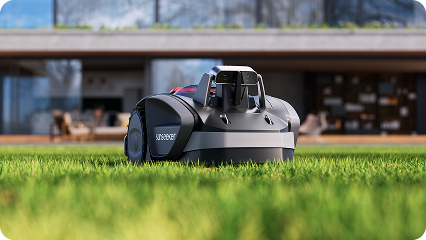
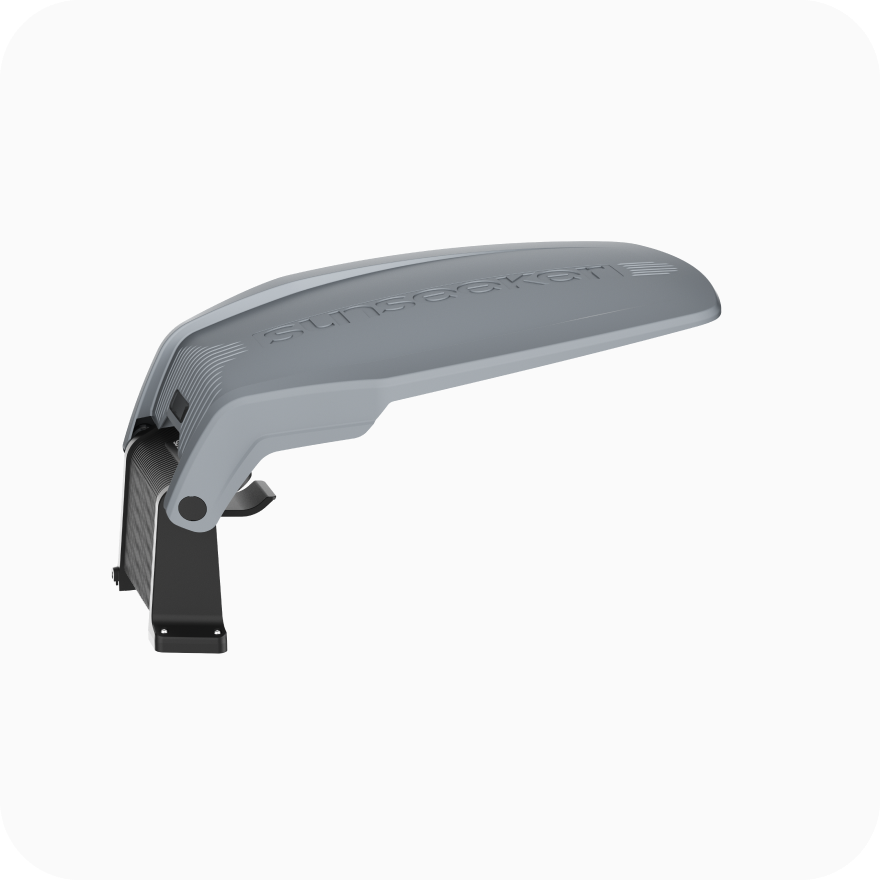
For instance, the intelligent system in models like the Sunseeker V3 is designed to recognize over 160 types of obstacles, enabling it to reliably navigate around garden features, pets, and people with precision.
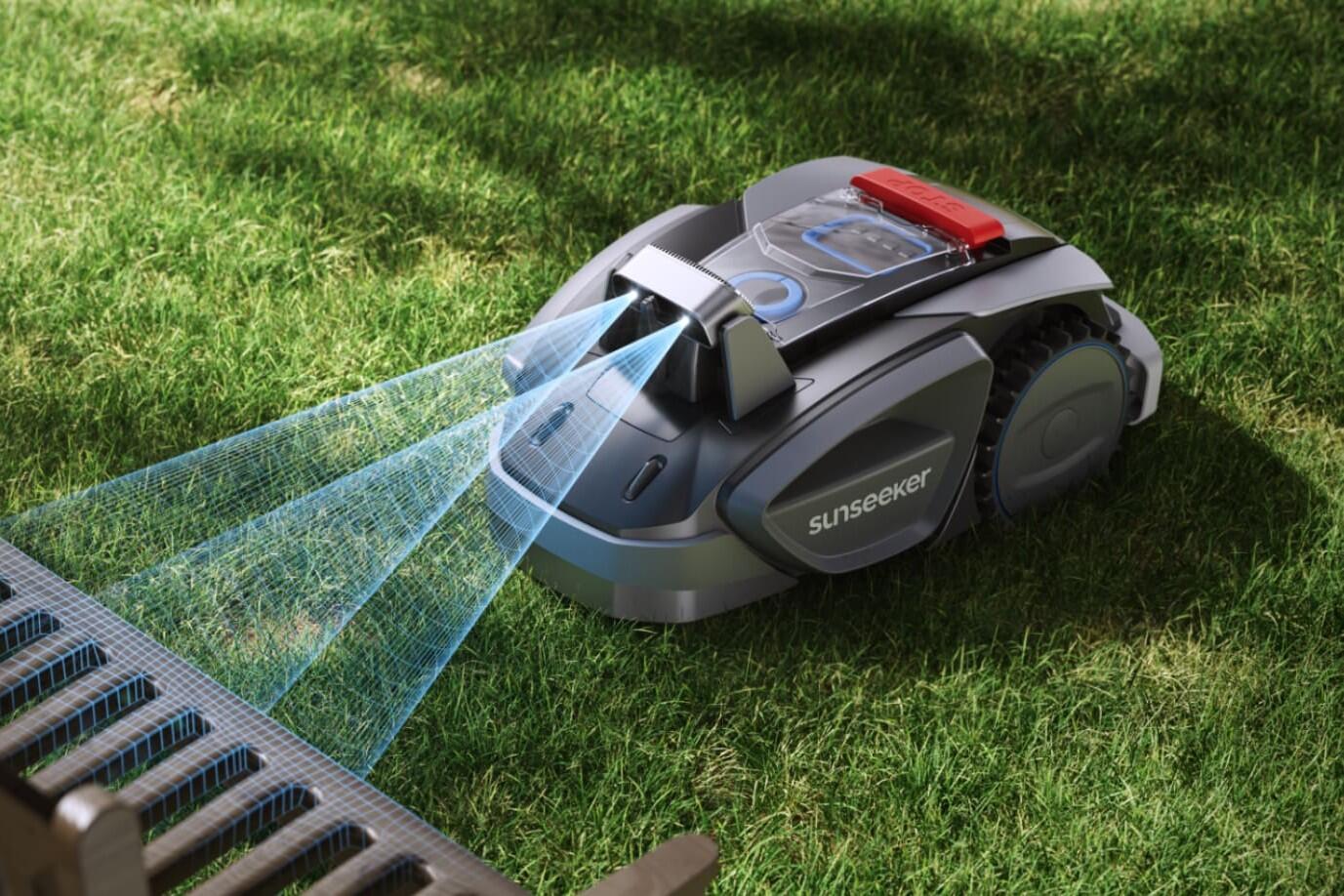
Sunseeke V3 with advanced obstacle avoidance
Smart Home Integration
If you love using voice commands or automating your home, check for compatibility. Some mowers can link up with systems like Google Home or Amazon Alexa. Imagine saying, ‘Hey Google, send the mower back to charge,’ or having it automatically pause when your smart sprinklers turn on.
Considering Budget and Brand Prestige
Let’s talk about value, not just price. A robotic mower is a long-term investment in your free time and your curb appeal.
Setting Price Expectations
Robotic mowers generally fall into three tiers based on capability:
-
Entry-Level (€800-€1,500): Designed for small, flat lawns (typically under 1,000 m²). Prices often start in the range of a few hundred euros.
-
Mid-Range (€1,500-€2,800): Suitable for medium-sized lawns with moderate slopes or some complexity. This tier offers more advanced navigation and features, with prices reflecting those upgrades.
-
Premium (€2,800-€4,000+): Built for large or challenging properties (over 3,000 m²) with steep slopes and complex layouts. These models feature top-tier navigation and durability, representing a higher initial investment.
To see how these price tiers translate into real-world options, The Best Robot Lawn Mowers: Automate Your Perfect Garden highlights five models designed for different lawn sizes, terrain types, and budgets, helping you narrow down the best fit with confidence.
Calculating the Total Cost of Ownership
Consider long-term operating costs, which include periodic replacement of cutting blades, potential battery replacement after several years, and a modest amount of electricity for charging. A model with a slightly higher upfront cost but robust construction and a longer warranty may prove more economical over five to seven years than a cheaper alternative requiring frequent repairs or early replacement.
Warranty and Support Services
A strong warranty demonstrates manufacturer confidence. Look for comprehensive coverage on the mower itself and its battery. Equally important is the brand's reputation for customer support. Access to helpful service teams, clear online resources, and readily available spare parts ensures peace of mind long after your purchase.
Conclusion
Choosing the right robotic mower comes down to understanding your lawn and matching it with the right technology. By assessing your lawn’s size, layout, slopes, and daily maintenance needs, it becomes much easier to compare models based on real performance rather than marketing claims. A well-chosen robotic mower works quietly in the background, delivering consistent results without constant supervision.
Ready to take the next step? Click here to help you explore suitable Sunseeker robot mower models and begin your journey to an effortless garden.
FAQs
How do I pick between a wired and wireless navigation system?
Choose a wired system for reliability and cost-efficiency if your garden layout is stable. Opt for wireless navigation for easy setup, phone-controlled boundaries, and greater layout flexibility.
Will a robot mower work on my hilly yard?
Absolutely, but you have to pick the right one. It’s all about the slope rating. Check the specs for the maximum incline a model can handle. For gentle slopes, many standard mowers are fine. For steeper hills, you’ll want to look for models specifically built with stronger motors and often all-wheel drive for the necessary traction and power.
Is the initial cost really worth it compared to a regular mower?
The higher upfront cost is offset by long-term savings on fuel, landscaping services, and personal time. The automated convenience and improved lawn health also contribute significant value, making it a worthwhile investment for many.